



For the longest time, our guest room felt way smaller than it should have.
It had a queen bed that took up almost the entire width of the room. There wasn’t space for two nightstands, and barely enough room to walk around the bed without turning sideways. It just always felt tight.
Eventually, I swapped it for two twin beds… and it completely changed the way the room felt. Same square footage, same walls, but suddenly it felt bigger and actually usable.
That’s when it really clicked for me: a room can feel small without actually being small. Here are 7 things you might be doing that are making your room feel smaller than it is.
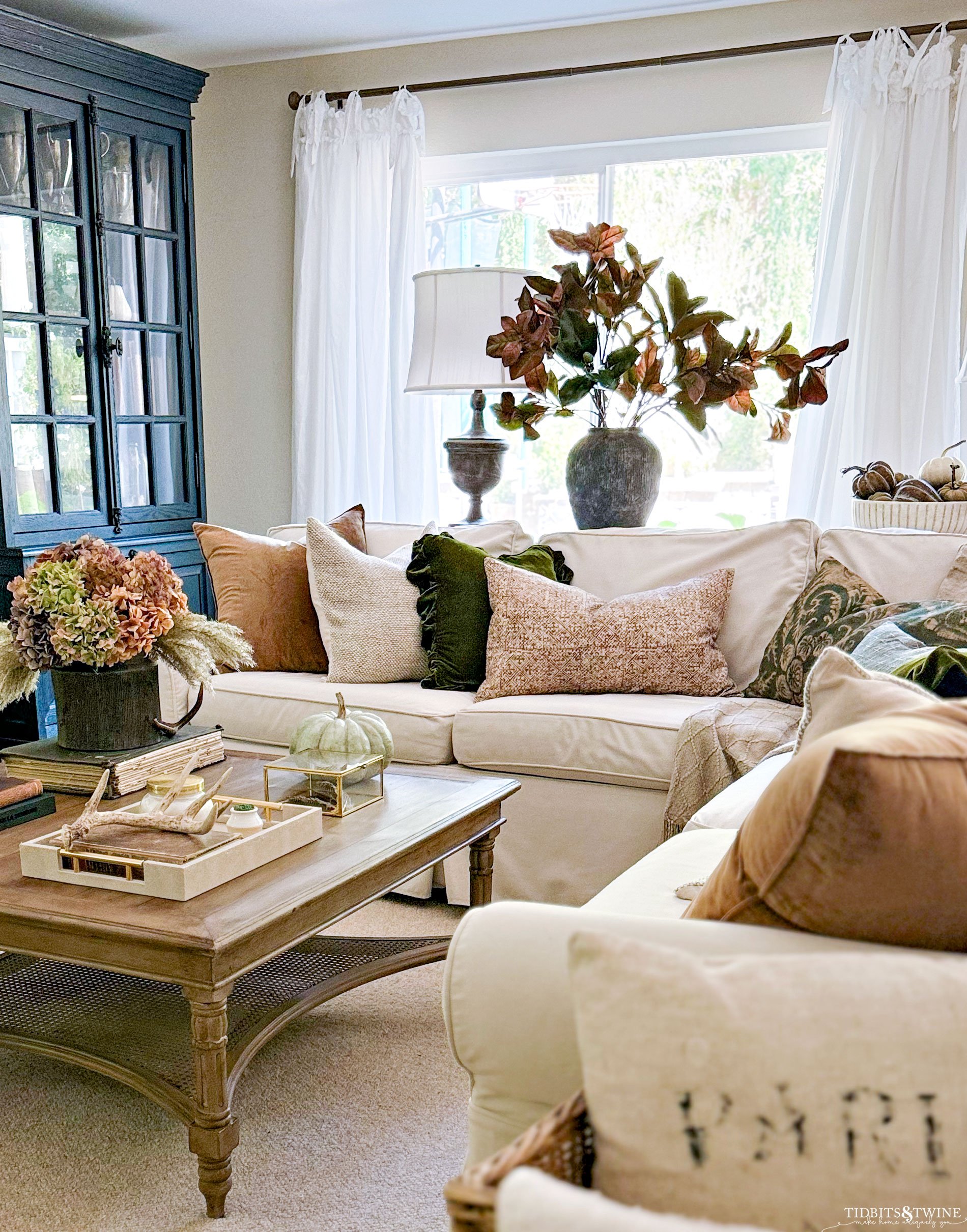
1. Pushing All Your Furniture Against the Walls
It seems like the obvious thing to do—push everything back to “open up” the room. But it actually does the opposite.
When all your furniture lines the perimeter, it creates a big empty space in the middle and reinforces the walls, which makes the room feel more boxed in.
What to do instead:
Pull your furniture in slightly to create a defined seating area. Even a few inches off the wall can make a room feel more pulled together and, surprisingly, more spacious.
2. Hanging Art Too High
It seems like hanging art shouldn’t be that difficult, but it actually can be!
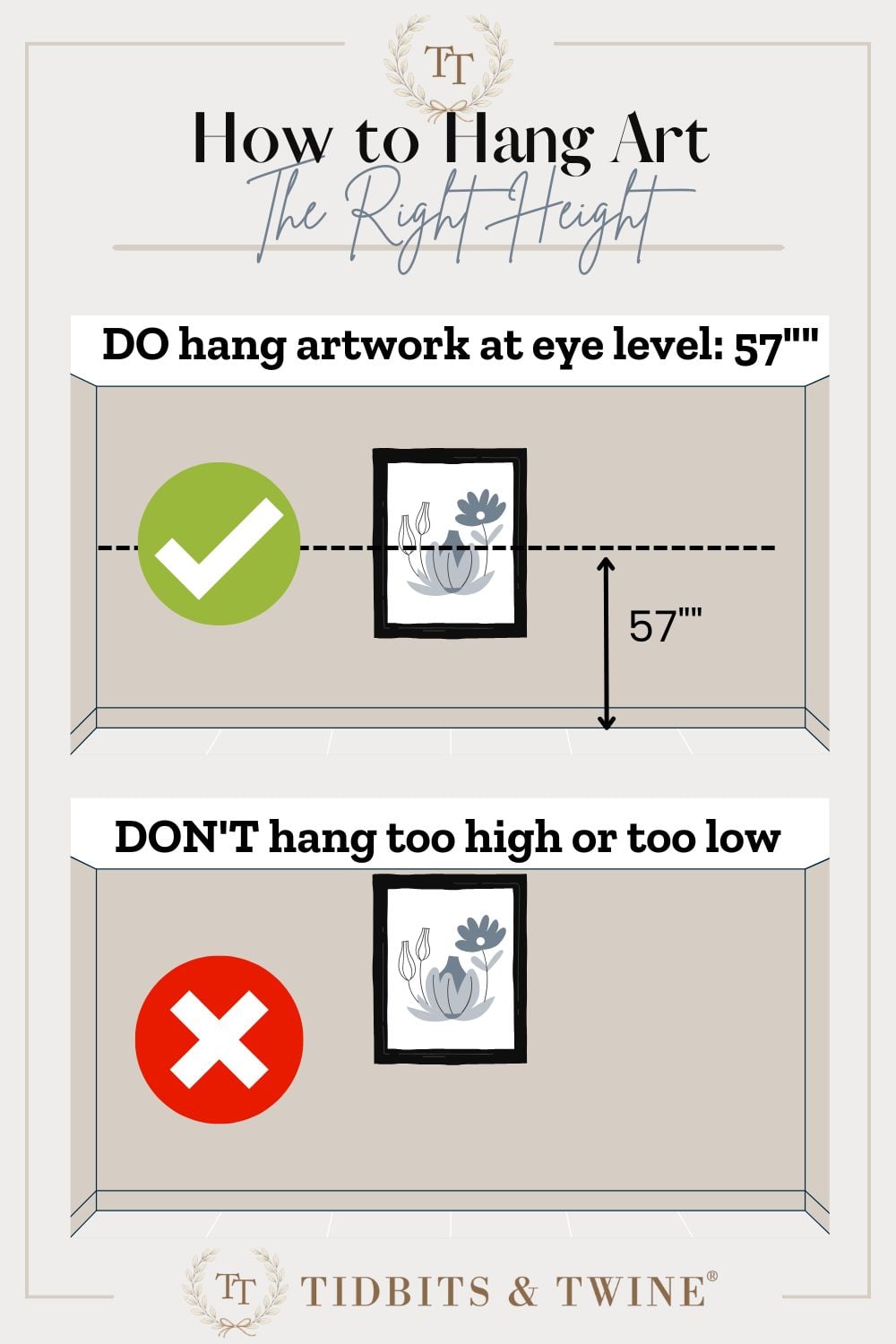
When art is hung too high, it disconnects from the furniture below it. Everything ends up feeling like it’s floating—and somehow your walls can actually look shorter, not taller.
What to do instead:
Lower your art so it relates to the furniture. In most cases, that means the center of the piece should land right around eye level (about 57″).
3. Using a Rug That’s Too Small
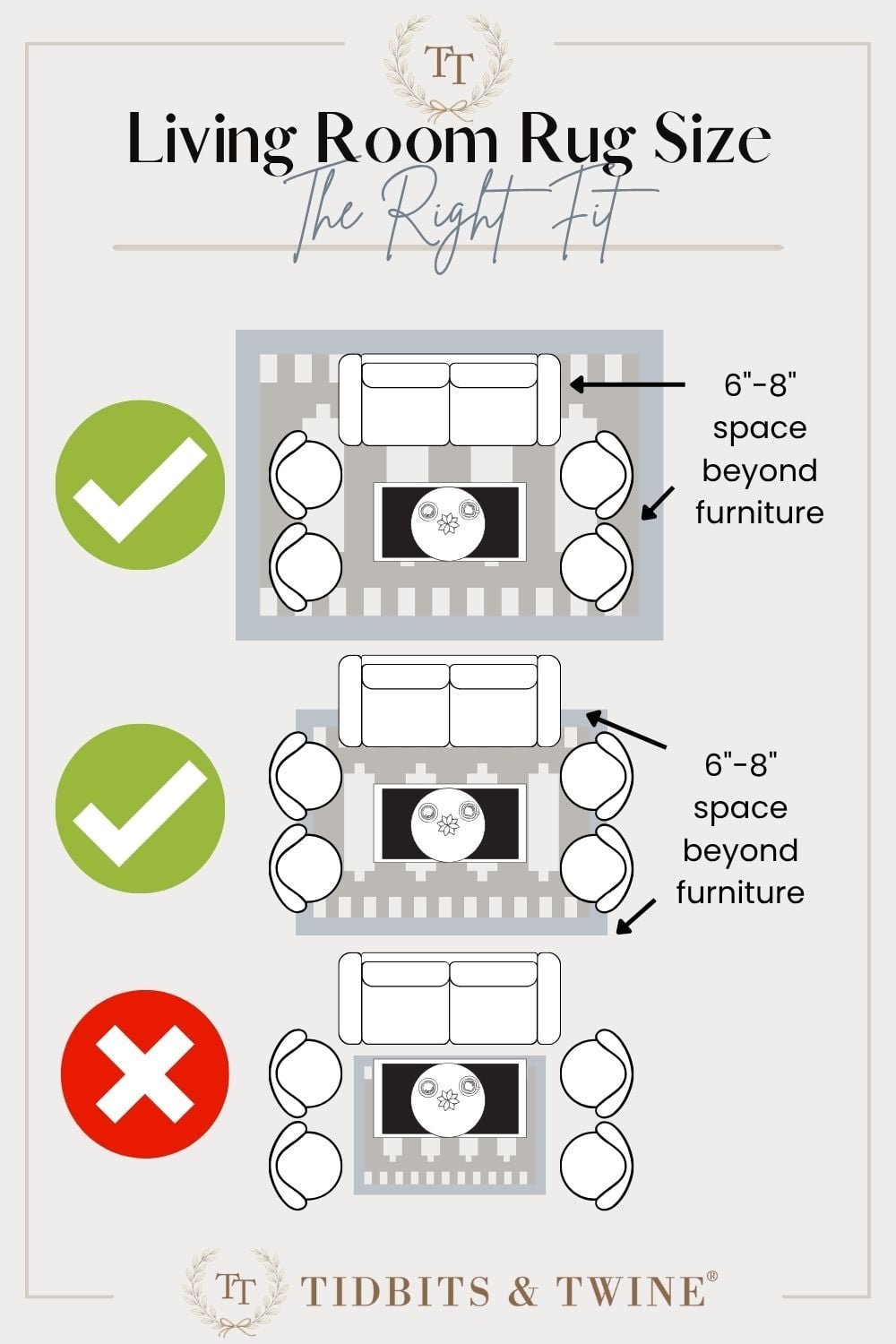
When a rug is too small, it makes all the furniture feel disconnected. Instead of one cohesive space, everything ends up looking like it’s sitting on its own little island.
What to do instead:
At a minimum, the front legs of your furniture should sit on the rug. When in doubt, bigger is always better.
4. Overcrowding Surfaces
This usually happens a little at a time.
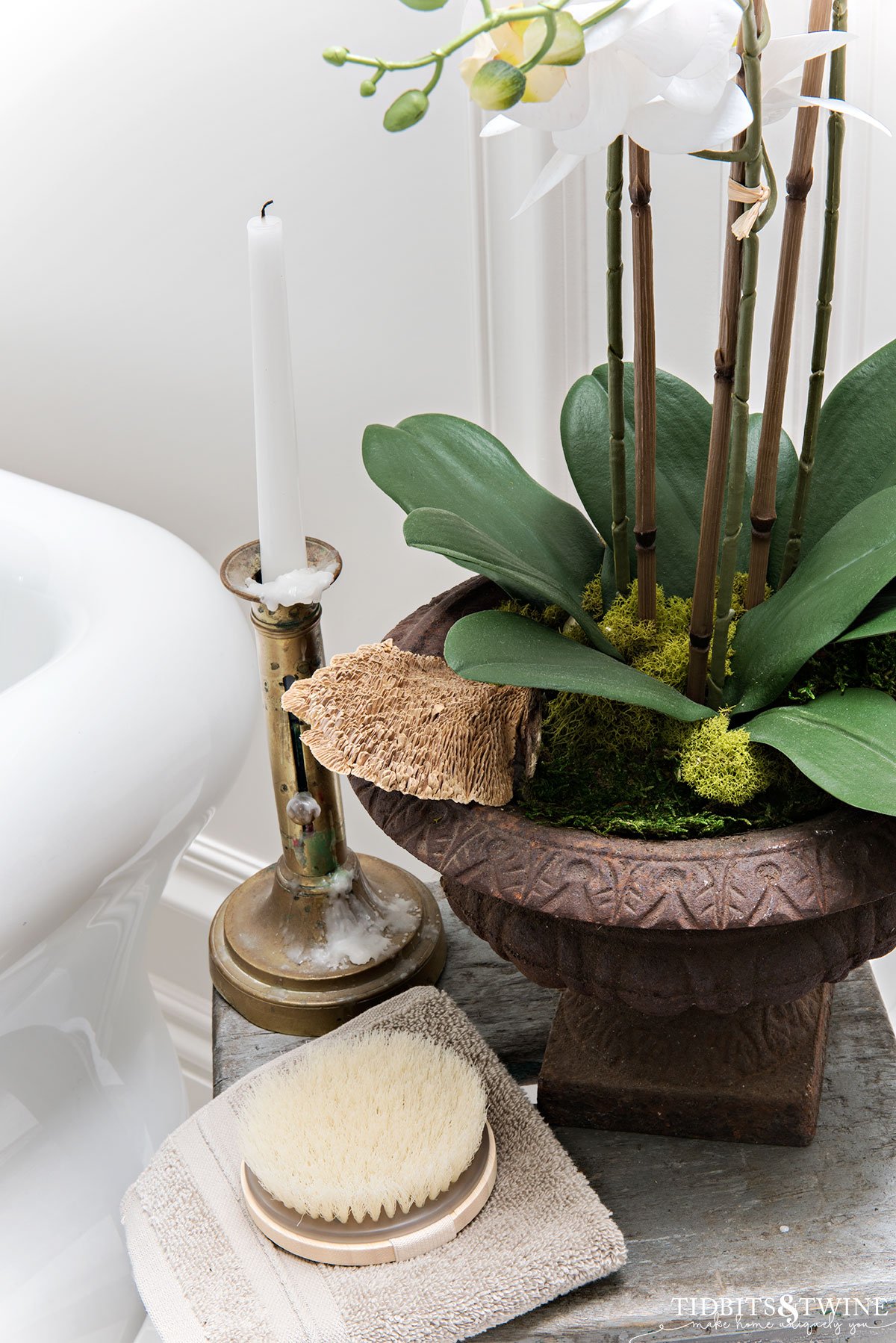
You add a few things here and there, and before you know it, every surface is full. When there’s no breathing room, it starts to feel like there isn’t enough space for everything, which makes the whole room feel smaller.
What to do instead:
Edit, edit, edit. Group a few things together and leave some open space around them so it doesn’t feel like everything is competing for space. If you’re not sure, start with odd numbers. Groupings of 3, 5 or 7 tend to look best.
5. Blocking Natural Light
Natural light brightens a room and instantly makes it feel bigger! But sometimes as we’re rearranging furniture, we block the light without realizing.
And it all adds up. A chair in front of a window, heavy curtains pulled too far across, or even a lamp that’s cutting into the light. When light is blocked, the room feels darker and more closed in.
What to do instead:
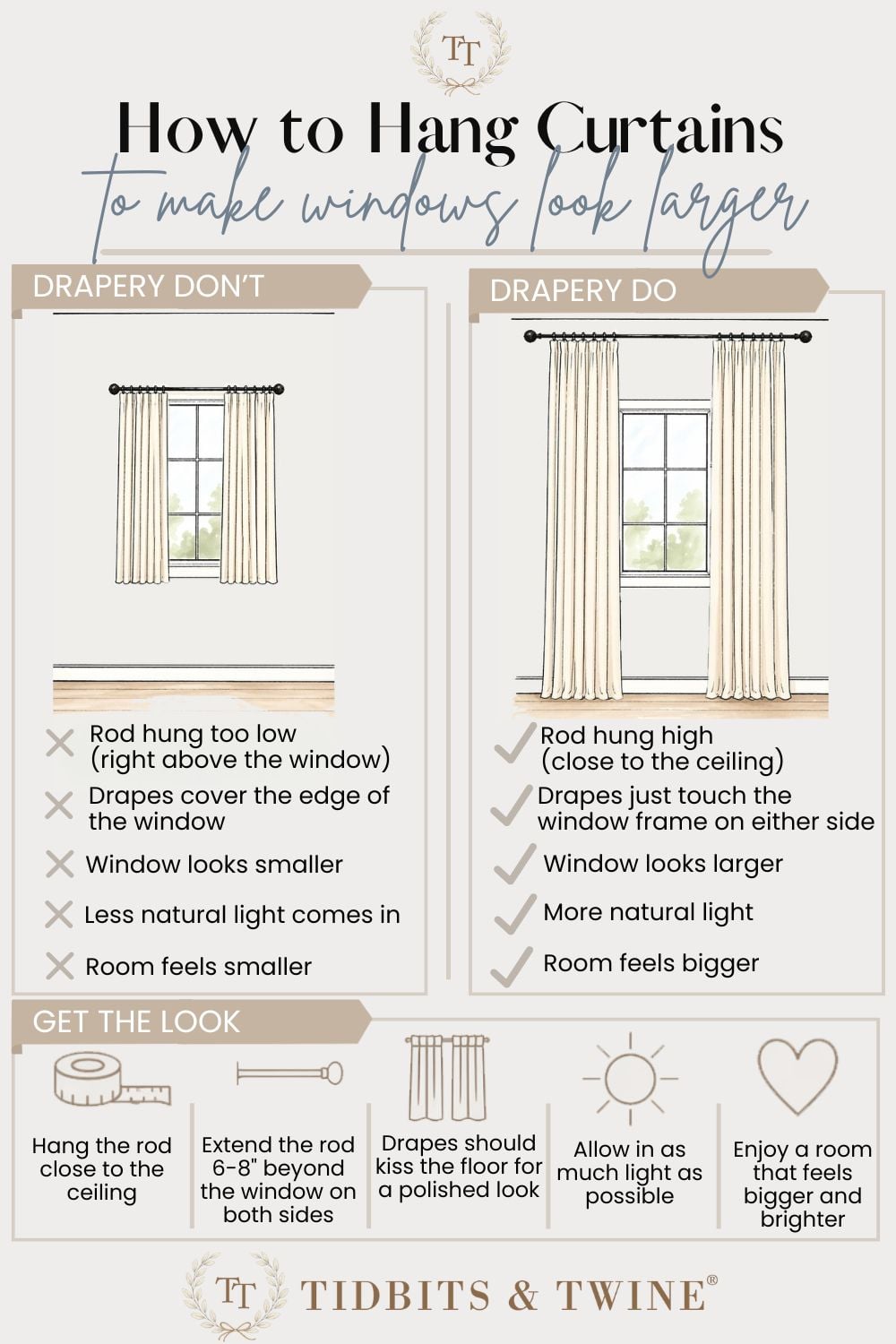
Keep as much of the window open as you can. Pull furniture slightly away, use lighter window treatments, or hang your curtain rod higher and wider so the fabric sits mostly off the glass.
6. Using Too Many Contrasting Colors
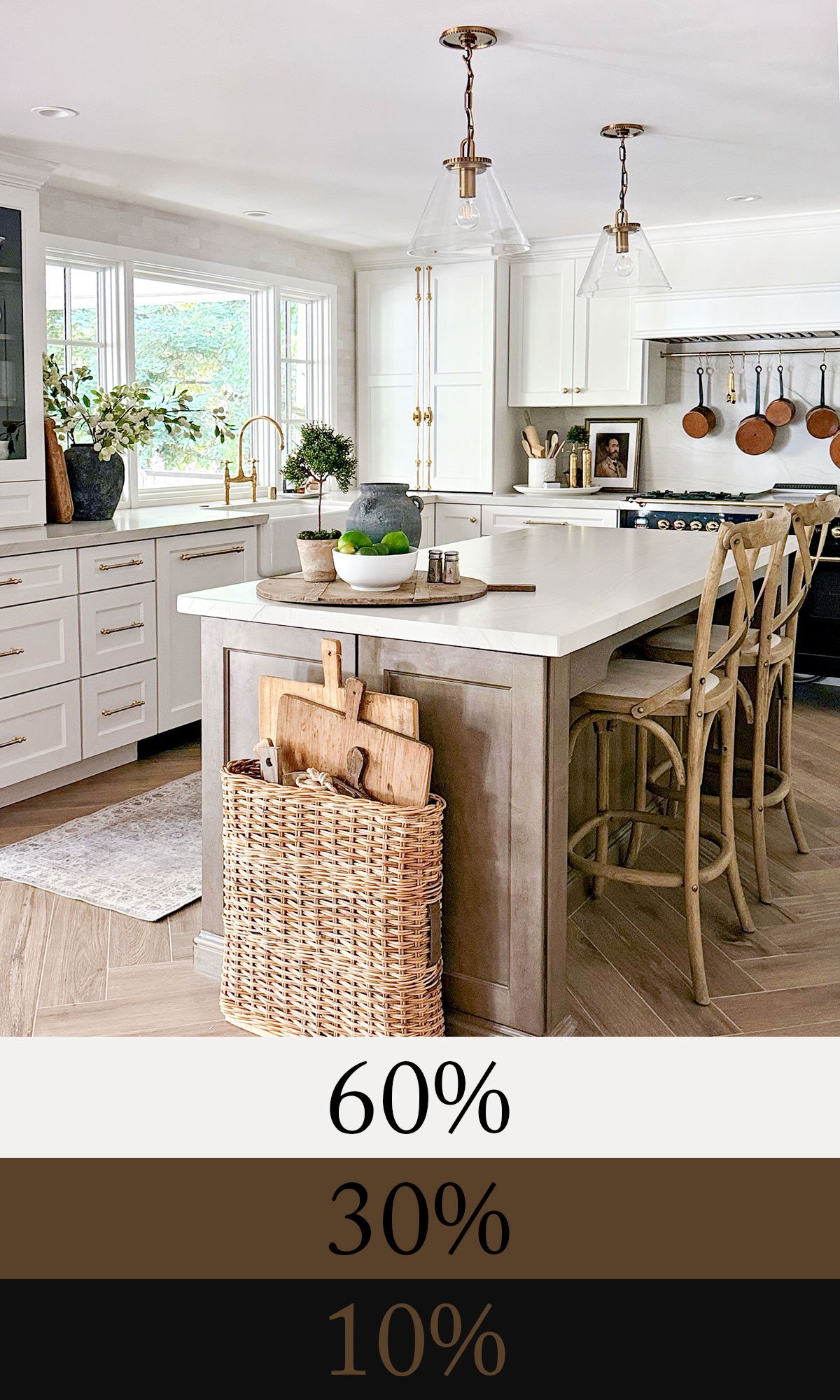
When a room has a lot of strong contrast, like dark against light, pattern against pattern, it breaks the space up visually. Instead of reading as one room, it starts to feel like a bunch of smaller sections.
What to do instead:
Simplify your palette a bit. You don’t need everything to match, but keeping colors more in the same family helps the room feel more connected and a little more open.
If you want a simple guideline, the 60-30-10 rule can help you keep things balanced without overthinking
7. Ignoring Vertical Space
If everything in your room sits at about the same height, it can make the ceiling feel lower than it actually is. By not using all of the space you have, including the vertical space, the room will feel smaller.
What to do instead:
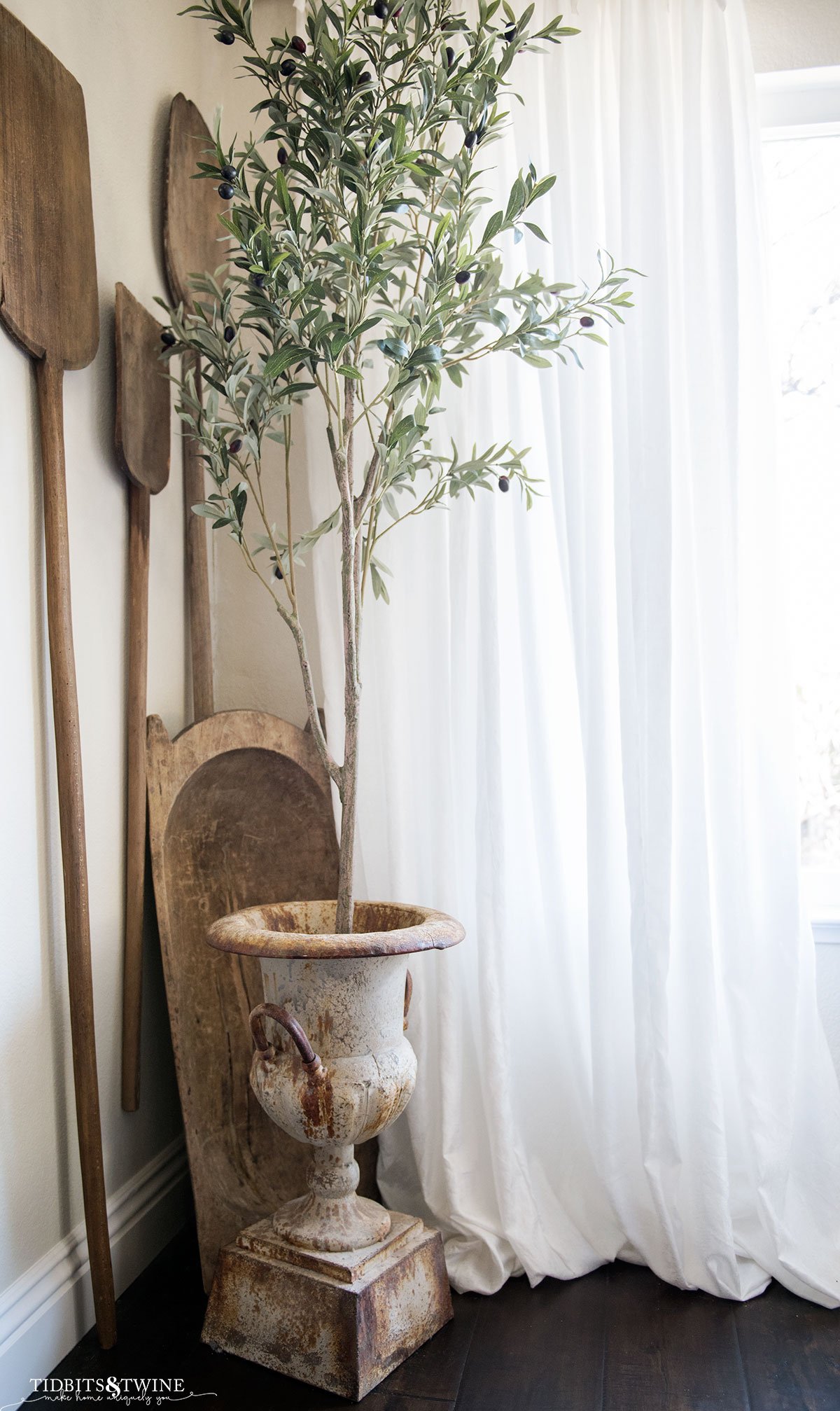
Add a little height. A taller lamp, a piece of art, a mirror, or even branches in a vase can help draw your eye upward and make the room feel more open.
At the end of the day, most rooms don’t feel small because of their size—they feel small because of how they’re set up.
And the good news is, almost everything on this list is easy to fix. You don’t need to knock down walls or start over. A few small changes—moving a piece of furniture, lowering your art, editing a surface—can completely change how your room feels.
If your space has been feeling a little tight, start with just one of these. You might be surprised how much bigger it feels without actually changing the size at all.
More Decorating Ideas
- The Rule of Odds: Why Threes, Fives, and Sevens Look Best in Interior Design
- The 60-30-10 Rule in Decorating
- How to Edit a Room and Clear Away the Clutter

DECORATING MADE EASY
Get my free 5-day decorating course and learn how to define your style, make better decisions, and create a home that feels like you.
After the course, you’ll receive my latest decorating tips, antique finds, and new posts.