



Luxury doesn’t always come with a high price tag. One of the easiest ways to make a room feel elevated is through texture. But here’s the secret: not all textures create the same effect. Some are casual or cozy, while others—like the softness of velvet, the gleam of brass, or the weight of marble—instantly signal sophistication.
Texture is what gives a room that rich, layered look you’d expect from a designer space. It transforms even the simplest pieces into something that feels intentional and refined.
And the best part?
You don’t need to invest in grand gestures like a marble fireplace or velvet drapery to achieve the effect. Small touches—pillow covers, trays, baskets, lighting—can make all the difference.
I’ve rounded up eight timeless textures that consistently bring a high-end feel, along with ideas for weaving them into your home in both big and small ways. You can use the Table of Contents below to jump straight to the textures or tips you’re most interested in.
8 Textures That Feel Luxurious
Not all textures are created equal. Some feel casual or everyday, while others instantly elevate a space. The eight I’m talking about today—velvet, linen, leather, wood, marble, warm metals, glass, and silk—are timeless choices that consistently make a room feel more high-end.
Notice a theme? Almost all of them are natural materials. That’s not by accident. True luxury often comes from what nature provides. These are materials that don’t just look beautiful today, but often become more refined with age.
Why Texture Instantly Elevates a Space
Texture in a space is important because it adds dimension and allows elements to play off of one another.
If you’ve followed along with my home, you know I love to mix textures to create what I call a “collected” look. (I prefer collected over eclectic because it feels more intentional and true to my style.) Old with new, polished with rustic, masculine with feminine — Decorating with Opposites makes a space feel layered and unique.
In design terms, texture isn’t just about how something feels to the touch. It’s about combining a variety of surfaces so they play off one another, adding dimension and interest. This layering is especially important in neutral or monochromatic rooms, where texture keeps the space from falling flat or looking sterile.
Think of it this way: the textures you choose should align with the mood you want to create. Cozy and inviting? Lean on plush fabrics, warm woods, natural fibers, and woven details. Prefer something clean and sleek? Try metals, glass, or lacquered finishes.
And if your goal is a luxurious home, start by mixing these eight textures that always deliver a high-end look.
1. Velvet
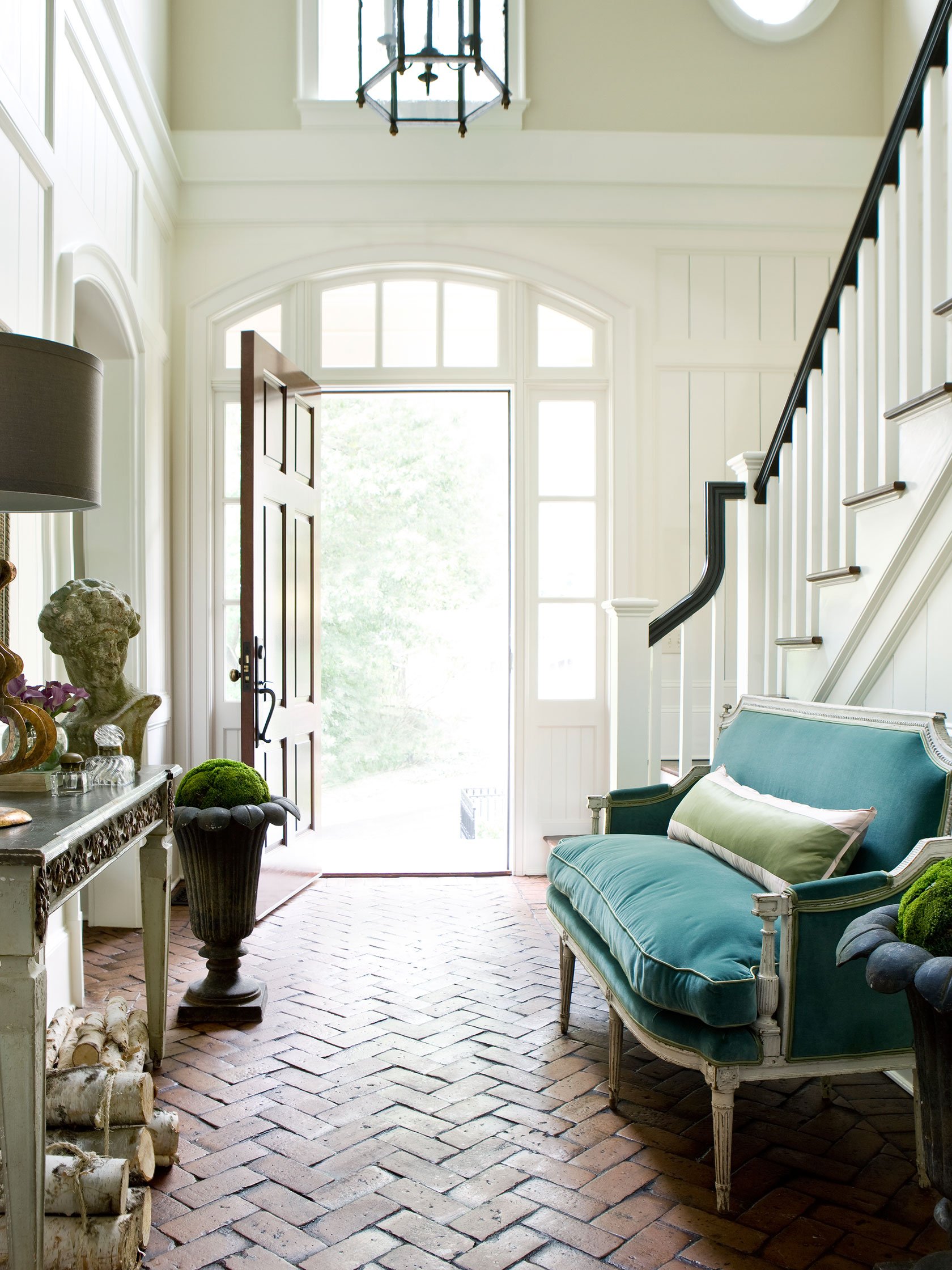
Velvet has long been associated with luxury, and for good reason. Its plush surface catches the light in a way that makes colors look richer and more dimensional. Even a small piece can add an instant sense of sophistication to a room.
One of the best things about velvet is that it doesn’t have to feel formal. A single velvet pillow on a sofa or bed can bring depth and softness, while a velvet ottoman or accent chair becomes an understated focal point. The key is in the mix—pairing velvet with contrasting textures like raw wood or matte linen keeps it from feeling heavy or old-fashioned.

Styling Tip: If you want to experiment with velvet without a big investment, start with removable pillow covers. They’re budget-friendly, easy to swap seasonally, and give you that touch of luxe without commitment.
2. Linen
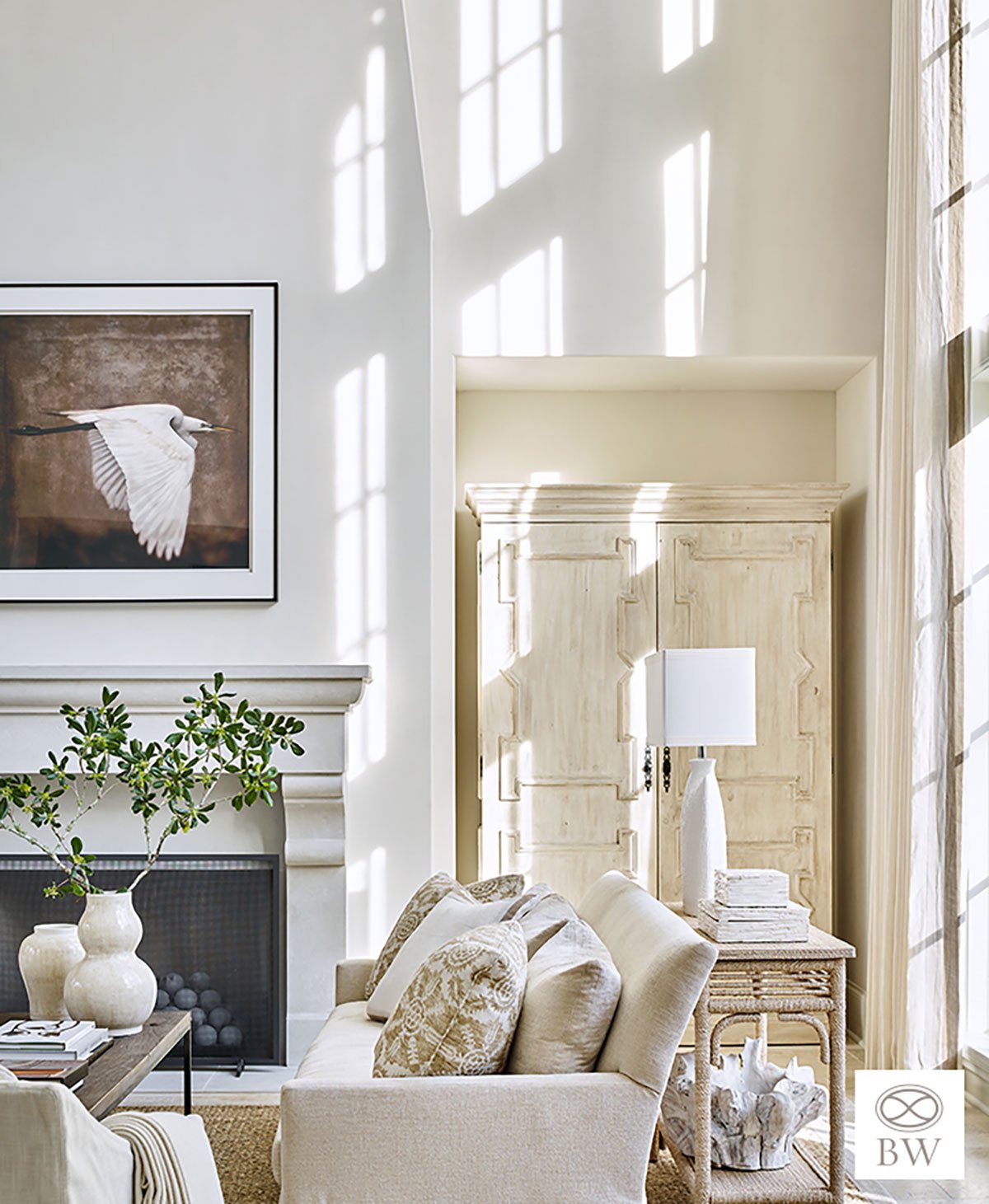
Linen might not seem as obviously “luxurious” as velvet or marble, but it has earned its place in elegant homes for thousands of years. Used as far back as ancient Egypt, linen has always been prized for its strength, breathability, and natural beauty. Today, it’s still one of the most versatile fabrics you can bring into your home.
What makes linen feel high-end is its balance of casual ease and understated sophistication. It softens a room, but never in a way that looks sloppy or overly relaxed. A set of linen drapes puddling at the floor, a simple linen table runner, or even a few linen pillow covers instantly add refinement to a space.
Linen’s slightly nubby texture and matte finish also make it the perfect partner to richer materials like leather or marble—it’s the quiet backdrop that lets other luxe textures shine.
Did You Know? Linen actually gets stronger and softer with use, which means it’s one of the few fabrics that looks even better as it ages.
3. Leather
Leather brings a kind of luxury that’s both practical and timeless. Unlike some delicate materials, it’s strong, durable, and only gets better with age. That patina—the softening, darkening, and subtle creasing that develops over time—is part of what makes leather such a coveted texture in interior design.
What makes leather feel high-end isn’t just its durability, but the way it grounds a room. A leather armchair or bench adds instant weight and richness, while smaller accents—like a tray, a stack of leather-bound books, or even a storage box—bring depth in more subtle ways.
Leather also plays well with opposites. Pair it with linen for balance, with marble for contrast, or with velvet for a layered mix of rich textures. Even in small doses, leather has a way of anchoring a space and making it feel more collected and sophisticated.
Note: You might be wondering about fur (or faux fur). While it didn’t make my list of 8 essentials, it can be a wonderful supporting player. A faux fur throw or pillow instantly adds softness and a touch of glamour—especially when layered with sturdier textures like leather or wood.
4. Wood
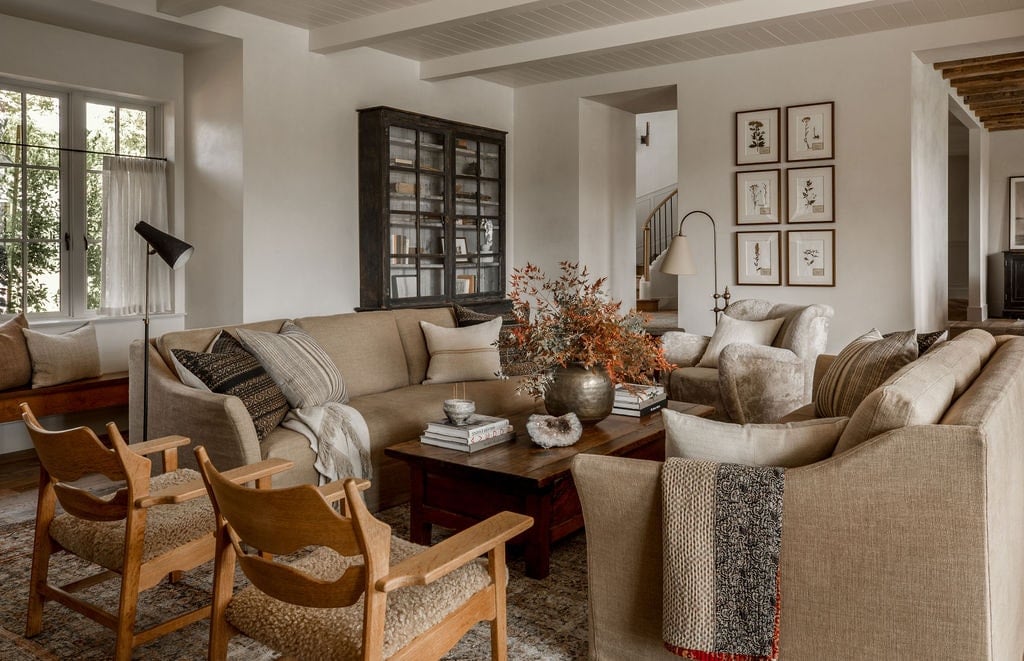
Wood might be one of the most common materials in decorating, but it’s also one of the most important when it comes to making a space feel elevated. The right mix of wood tones brings warmth, character, and interest to a room.
I like to mix my wood finishes instead of keeping everything the same. A room where all the pieces match can start to feel flat, almost like a set. But when you combine light and dark—say, a walnut table next to a pale oak chair—you instantly add depth and variety.
The beauty of wood is that it plays well with everything else. Pair it with marble for polish, brass for shine, or linen for softness. Whether it’s a rustic stool, an antique chest, or a sleek modern table, wood is the anchor that keeps a room feeling warm and grounded.
Styling Tip: When mixing wood tones, look for a common undertone—like warm golden hues or cooler gray washes. Repeating that undertone in at least two pieces helps different finishes feel like they belong together.
5. Marble & Stone
Few materials signal luxury as effortlessly as marble. From grand fireplaces to sweeping kitchen counters, marble has long been tied to timeless elegance. But the beauty of marble (and stone in general) is that you don’t need a massive slab to enjoy its effect. Even the smallest accent piece instantly elevates a room.
A marble tray on a coffee table, a set of coasters on a nightstand, or a decorative stone bowl brings a sense of weight and refinement to everyday objects. Travertine and alabaster offer a similar effect, layering beautifully with softer textures like linen or velvet to create a sbalanced, high-end look.
What makes stone feel luxurious is its permanence—you can see and feel its quality the moment you touch it. Even in a room full of softer finishes, one stone detail is enough to ground the space and add sophistication.
Here are a few of my favorite marble and stone accents that bring that timeless, high-end look without the hefty price tag.

6. Brass, Silver & Gold
Metals are one of the easiest ways to give a room a high-end look—but not all finishes deliver the same effect. Black iron and brushed nickel can feel industrial or utilitarian, while brass, silver, and gold instantly add warmth and sophistication. Their shine catches the light, bringing energy and polish to a space.
The trick with metals is twofold: repetition and balance. A single brass lamp might feel like an afterthought, but repeat brass three times in a room—say, a lamp, a mirror frame, and a small accent bowl—and suddenly it feels intentional and luxe.
Metals also layer beautifully with other textures. Brass paired with velvet feels rich and glamorous, silver next to glass adds sparkle, and gold with wood creates timeless contrast. The right finish can be the jewelry of a room.
Styling Tip: Choose one dominant finish (like brass) and make sure it appears at least three times. Then, feel free to mix in a secondary finish for contrast—this creates a collected, designer look instead of a matchy-matchy one.
7. Glass
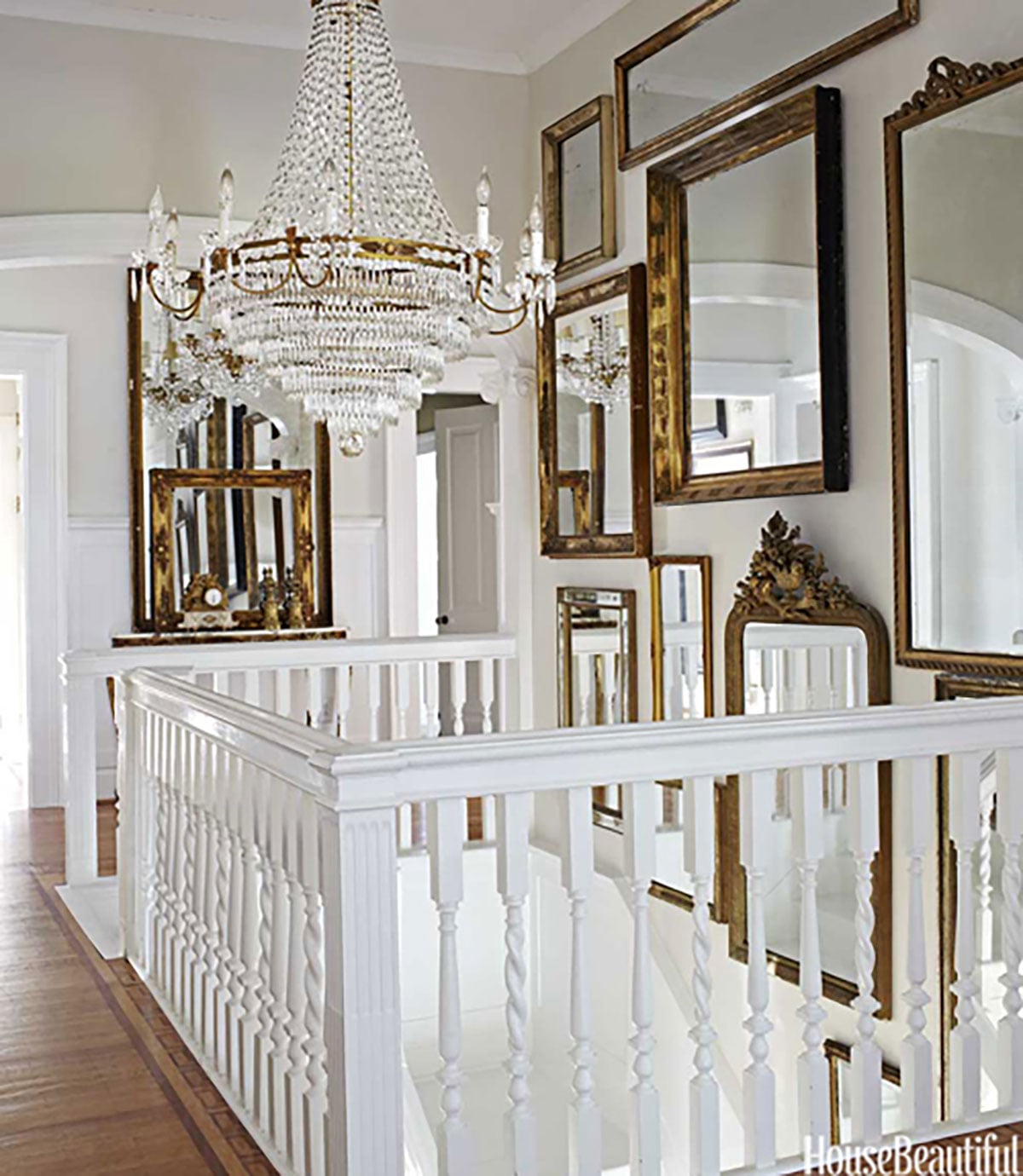
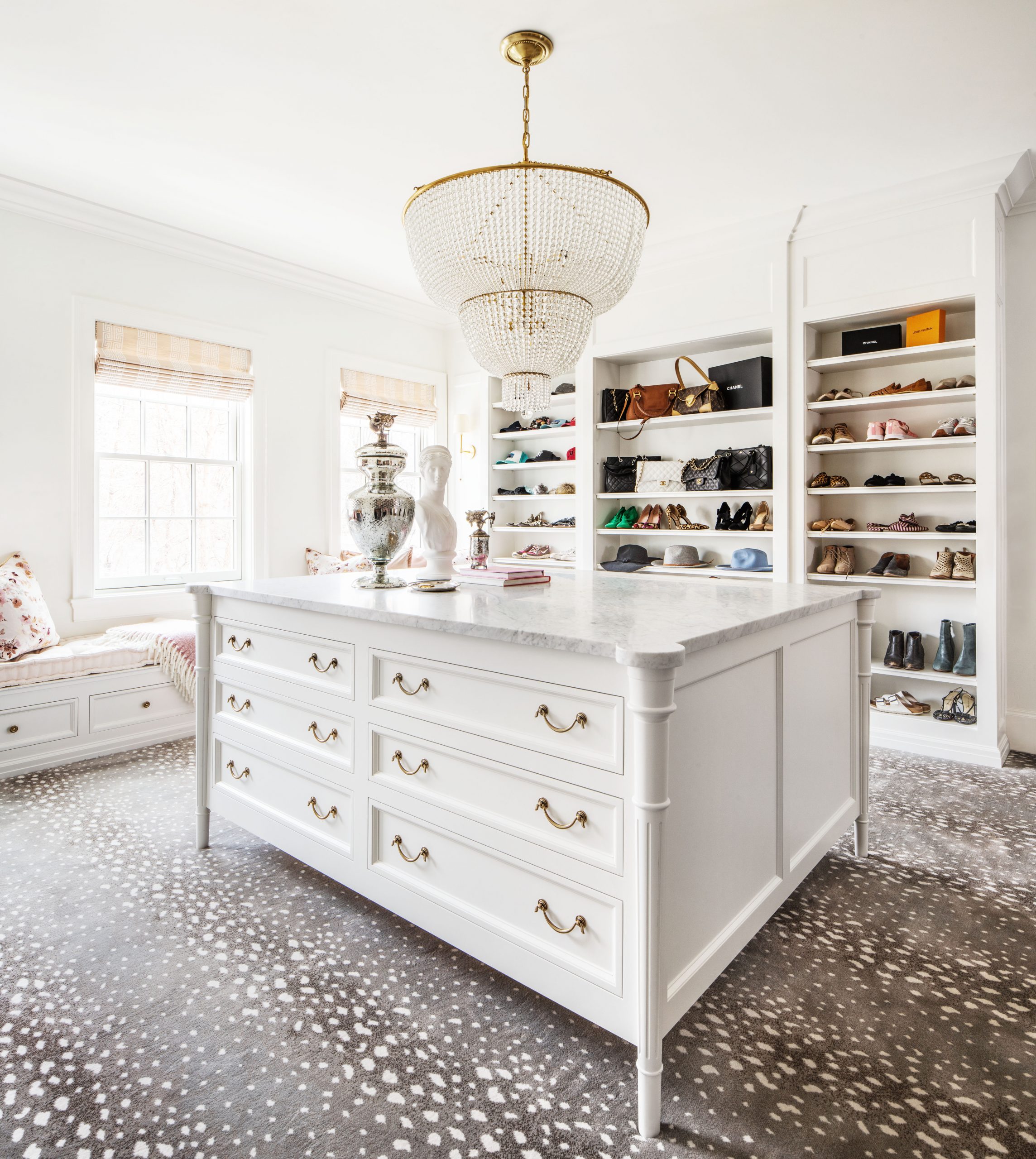
Glass might not be the first material you think of when it comes to luxury, but it’s one of the most powerful for creating a refined atmosphere. Its reflective surface bounces light around a room, adding sparkle and airiness that instantly feel more high-end.
From mirrors and chandeliers to glass lamps and tabletops, even the simplest pieces bring elegance. Cut crystal or faceted glass has an especially luxurious quality, catching and refracting light in a way that feels glamorous.
The beauty of glass is that it works in any style. In a traditional home, etched or antique glass feels timeless. In a modern setting, sleek panes or sculptural glass accents feel chic and sophisticated. Wherever you use it, glass amplifies the textures around it—marble feels crisper, brass shines brighter, velvet looks richer.
8. Silk
Few materials say “luxury” quite like silk. For centuries it was reserved for royalty and the elite, prized for its soft hand, luminous sheen, and delicacy. Even today, silk carries that same aura of refinement, instantly giving a space an elevated feel.
What makes silk so special is the way it plays with light. Unlike the matte finish of linen or the plush depth of velvet, silk has a subtle shimmer that makes colors glow. A silk pillow cover, lampshade, or drapery panel can completely change the mood of a room, adding just the right touch of elegance.
Of course, silk doesn’t need to dominate a space. In fact, it works best in small doses, layered with sturdier materials like leather or wood. That balance keeps it from feeling overly delicate while still letting its luxury shine through.
Did You Know? Real silk is one of the strongest natural fibers—even stronger than steel by weight. Its reputation as fragile comes from its softness, but in reality, it’s surprisingly durable when cared for properly.
Bonus: Natural Fibers as Contrast
While not typically thought of as “luxury,” natural fibers like jute, rattan, and seagrass play an important supporting role in a high-end room. On their own, they lean rustic or casual. But when layered with more refined textures—like a jute rug under a velvet sofa, a rattan chair beside a brass lamp, or a woven basket paired with a marble table—they provide exactly the kind of contrast that makes the luxe elements shine.
The roughness of a woven material helps highlight the smoothness of glass, the sheen of silk, or the plushness of velvet. In this way, natural fibers act as the backdrop that makes a space feel more balanced, collected, and ultimately, more luxurious.
Styling Tip: If you’re worried about a room feeling “too fancy,” add a touch of natural texture. It softens the look while still letting the luxury details stand out.
The Secret is in the Mix
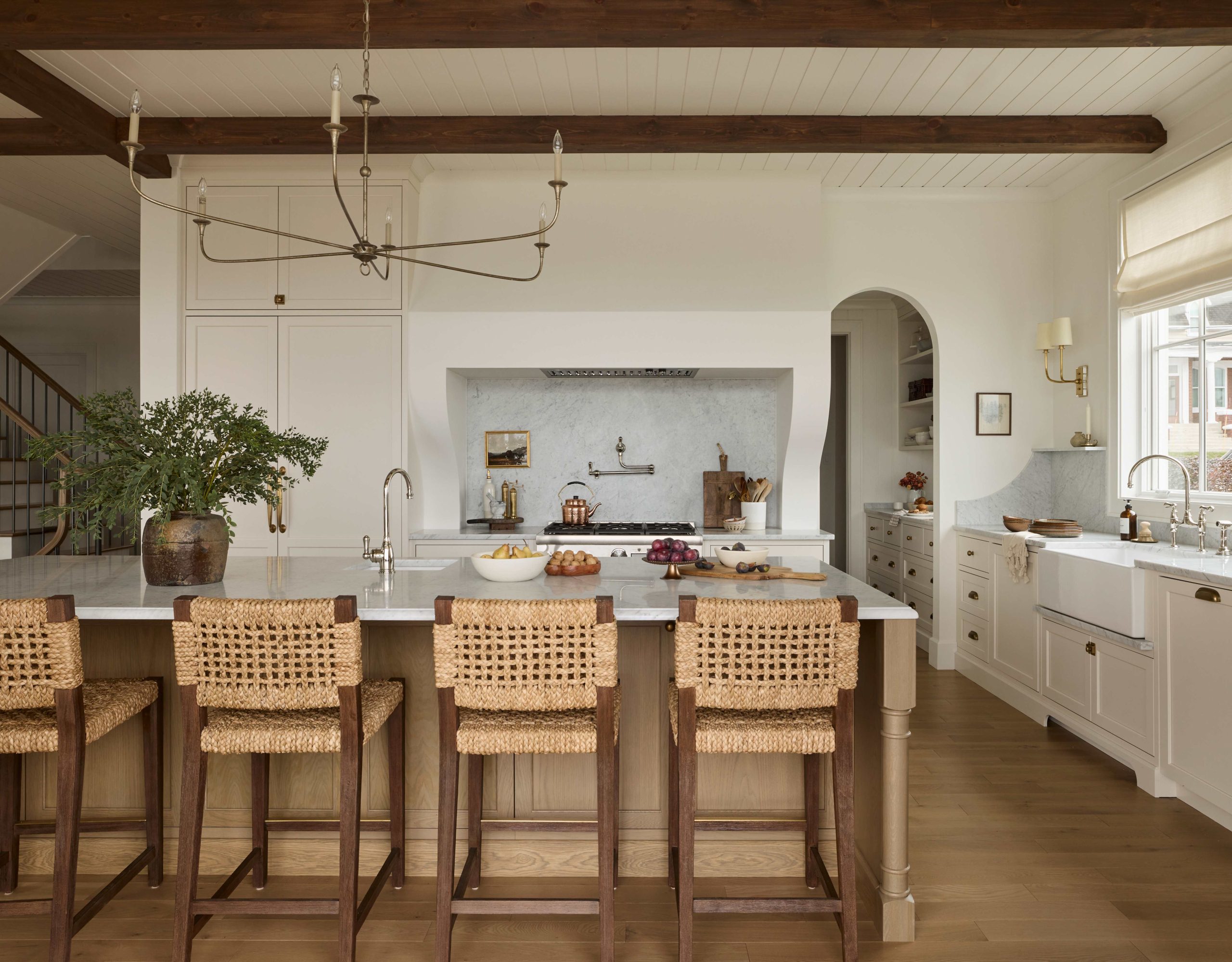
Any one of these textures adds beauty on its own, but it’s the mix that truly makes a room look layered and luxurious. One velvet pillow might feel nice, but pair it with marble, brass, and wood, and suddenly the whole space feels elevated.
Aim to combine three or four textures in a single room or vignette. That number is enough to create richness without overwhelming the eye. Just as important: repeat those textures throughout the space so they feel intentional. For example, a brass lamp on the console paired with a brass frame on the wall creates cohesion.
Styling Tip: Any one of these textures adds beauty on its own, but it’s the mix that makes a room look layered and luxurious.
Budget-Friendly Ways to Add Luxe Textures
Luxury doesn’t have to mean large-scale or expensive. Small, everyday accents can bring the same effect without the big investment.
Velvet:
Pillow covers, a small ottoman, drapes, upholstered bench, or accent chair
Linen:
Table runners, pillow covers, bedding, napkins, window panels, slipcovered dining chairs, or a casual linen tablecloth for layered texture.
Leather:
Trays, catchall boxes, book accents, picture frames, coasters, cabinet pulls, woven leather stools, or even leather-wrapped vases.
Wood:
Cutting boards, picture frames, stools, side tables, carved bowls, breadboards, candleholders, or small pedestal stands.
Marble/Stone:
Coasters, trays, bowls, candleholders, cheese boards, pedestal stands, planters, or a small accent table.
Warm Metals:
Drawer pulls, candlesticks, petite lamps, picture frames, mirrors, planters, curtain rods, or small side tables.
Natural Fibers (as contrast):
Baskets, doormats, placemats, woven trays, jute rugs, rattan chairs, seagrass planters, or wicker storage boxes.
Styling Tip: You don’t need a marble fireplace or velvet drapes. Even a set of marble coasters or a single velvet pillow cover can give your space a rich look.
Common Mistakes to Avoid
While texture is the secret to a luxurious space, it’s easy to go overboard or miss the mark. A few pitfalls to watch out for:
- Relying on just one texture — the room risks feeling flat.
- Using too many competing textures — variety is good, chaos is not.
- Forgetting contrast — if everything is shiny, the room feels cold; if everything is rough, it feels rustic instead of refined.
- Ignoring scale — textures that are too tiny or too dominant throw off the balance.
- Forgetting repetition — a single piece looks accidental; repeating a texture ties the room together.
Final Thoughts
Luxury in decorating isn’t about filling a room with the most expensive pieces—it’s about choosing the right textures and layering them with intention. Velvet, linen, leather, wood, marble, metals, glass, and silk all bring their own form of elegance, but it’s the way you combine them that creates a truly elevated look.
Notice a theme? Almost all of these materials come from nature. That’s part of their enduring appeal. Wood gains character with age, leather develops a beautiful patina, linen softens, marble wears gracefully. These aren’t fleeting finishes—they’re time-tested textures that only grow more beautiful over time.
So whether it’s a velvet pillow, a marble tray, or a pair of brass candlesticks, remember: even the smallest detail can add refinement. And when those details are layered together, your home will always feel collected, timeless, and undeniably luxurious.

DECORATING MADE EASY
Get my free 5-day decorating course and learn how to define your style, make better decisions, and create a home that feels like you.
After the course, you’ll receive my latest decorating tips, antique finds, and new posts.