



Let’s talk about why some rooms just work—the design basics that pull everything together, no matter your style or budget.
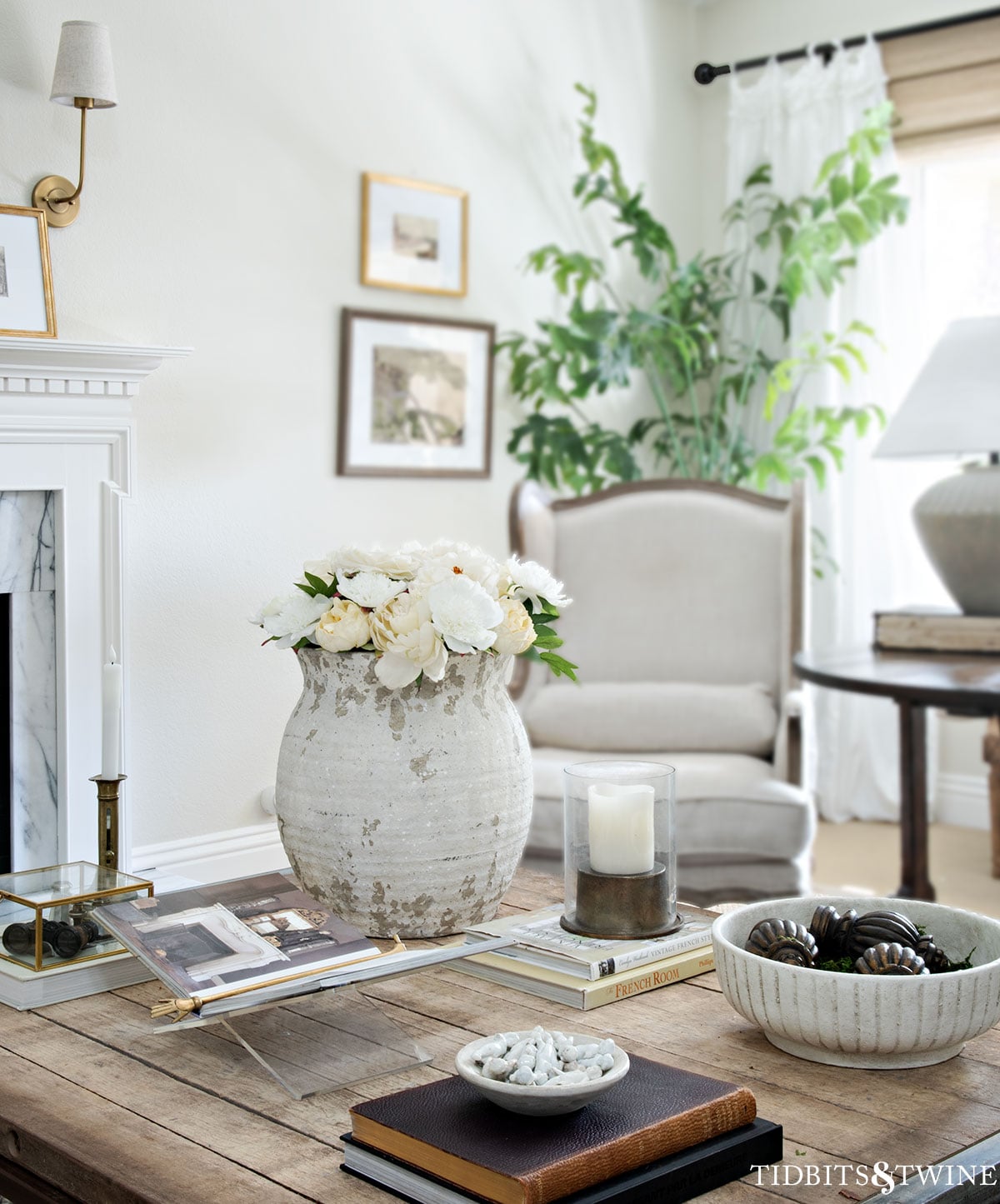
Back before social media, when the best place to find design inspiration was in glossy magazine pages, I used to study rooms I loved, trying to figure out why they worked. I was working at an advertising agency at the time and had endless access to free magazines—stacks of them. I’d bring a few on the train ride home and start tearing out pages that caught my eye.
Over time, I noticed something interesting. I wasn’t always drawn to rooms that matched my own style. In fact, I loved all kinds of spaces—traditional, modern, rustic, minimal—as long as they were done well. That realization led me down a rabbit hole of trying to understand what made them work. And eventually, I figured it out: it wasn’t about expensive furniture or trendy colors. It was about a handful of simple decorating principles that designers use without even thinking. Once you start noticing them, you can’t unsee them.
Today we’re diving into why certain rooms look effortlessly pulled together. But if you’re in the mood for easy decorating ideas you can do right now, you’ll find plenty in this post.
The same principles show up in every beautiful room, no matter the style or budget. Once you start noticing them, you can use those same ideas to create spaces that feel comfortable and pulled together.
Why Design Principles Matter
Good design doesn’t mean expensive. You could have a custom sofa, a stunning coffee table, and a room full of beautiful pieces—and it still might not look right. Or you could have a space filled with hand-me-downs, each one loved and cherished, and somehow it still feels off.
It’s not about how much things cost or even how much you love them—it’s about how they work together. That’s where design principles come in. They’re the behind-the-scenes rules that quietly make everything click.
Think of it like cooking. You can have all the best ingredients, but if you don’t balance the flavors, the dish won’t come together. Or, in my case, like makeup. As a teen, I was obsessed with blue eyeliner—because I loved blue—but even the best product in the world couldn’t make that a good look for me. It’s not about the individual ingredients; it’s about how they’re combined. Design works the same way. Once you understand the basics, you can mix, layer, and build on them to create something beautiful—no matter your budget or style.
1. Scale and Proportion
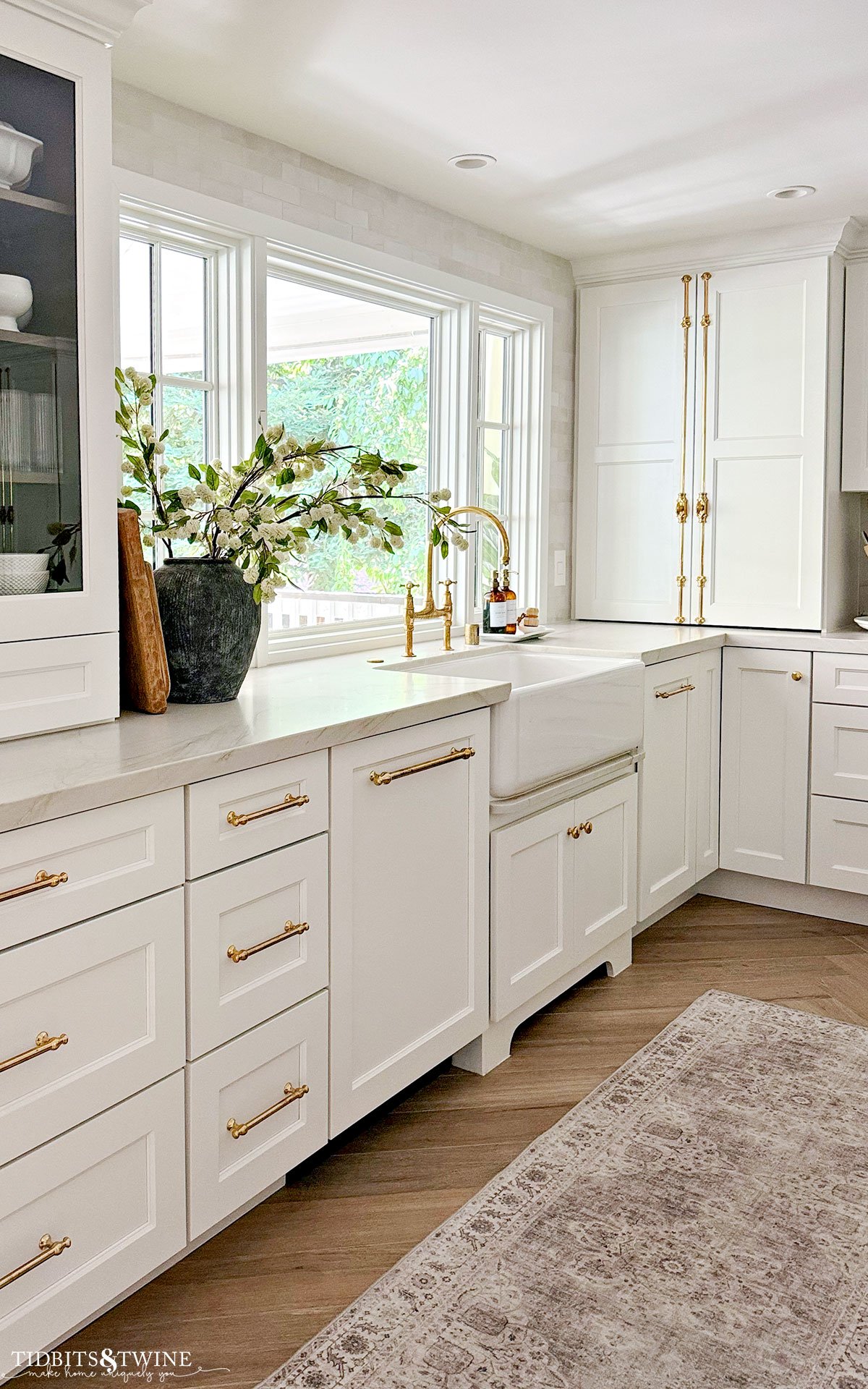
Think of scale as how big or small something feels in relation to everything else around it. A room can have beautiful pieces, but if the sizes don’t work together, it never quite looks right.
Maybe the sofa is oversized and the side tables look tiny next to it. Or the artwork above the console is small and feels lost on the wall. Even a rug that’s too small can make the whole room feel like it’s floating.
Designers get this right because they’re always looking at how pieces relate to one another—the height of the lamp next to the chair, the size of the coffee table in front of the sofa, the width of the drapes against the window. But you don’t need to overthink it. If something looks off, it probably is. Try swapping pieces around or going a little larger on one key element, like the rug or artwork.
And when in doubt, size up. A slightly larger piece almost always looks better than one that’s too small.
2. Balance
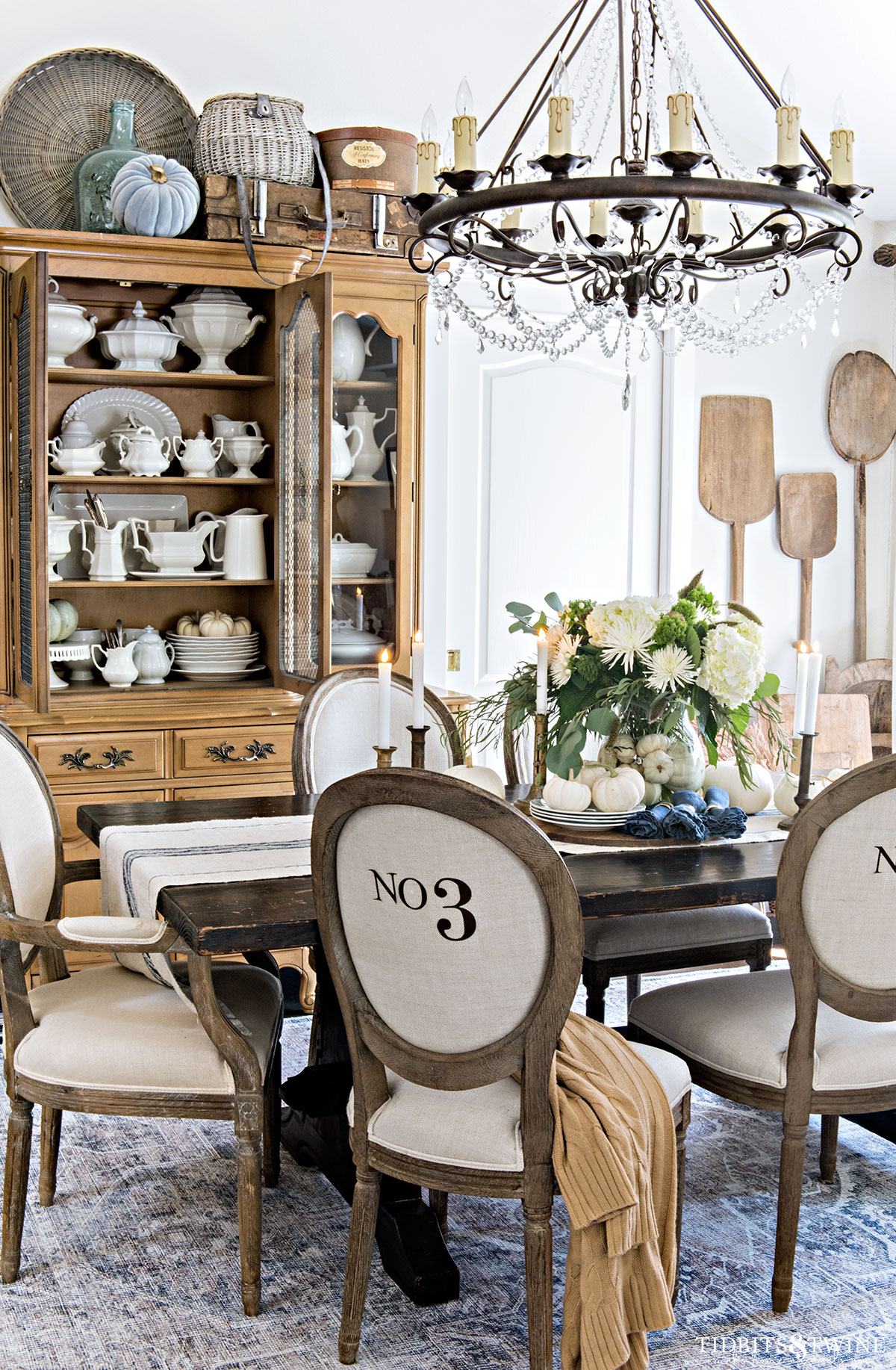
Every room needs balance, but that doesn’t always mean everything has to match. Balance is about how visual weight is spread around the space—the colors, shapes, and sizes that keep a room from feeling heavy on one side or empty on the other.
You might have a large piece of art on one wall and a tall plant or floor lamp on the opposite side to even things out. Or a dark cabinet on one side of the room balanced by darker throw pillows across the way. It’s not about making everything match — it’s about balancing visual weight from one side of the room to the other.
If one area feels “off,” try moving a few things around or adding height, color, or texture to the lighter side of the room. Sometimes all it takes is a floor lamp, a taller vase, or a few books stacked under a decor piece to even things out again.
3. Texture and Contrast
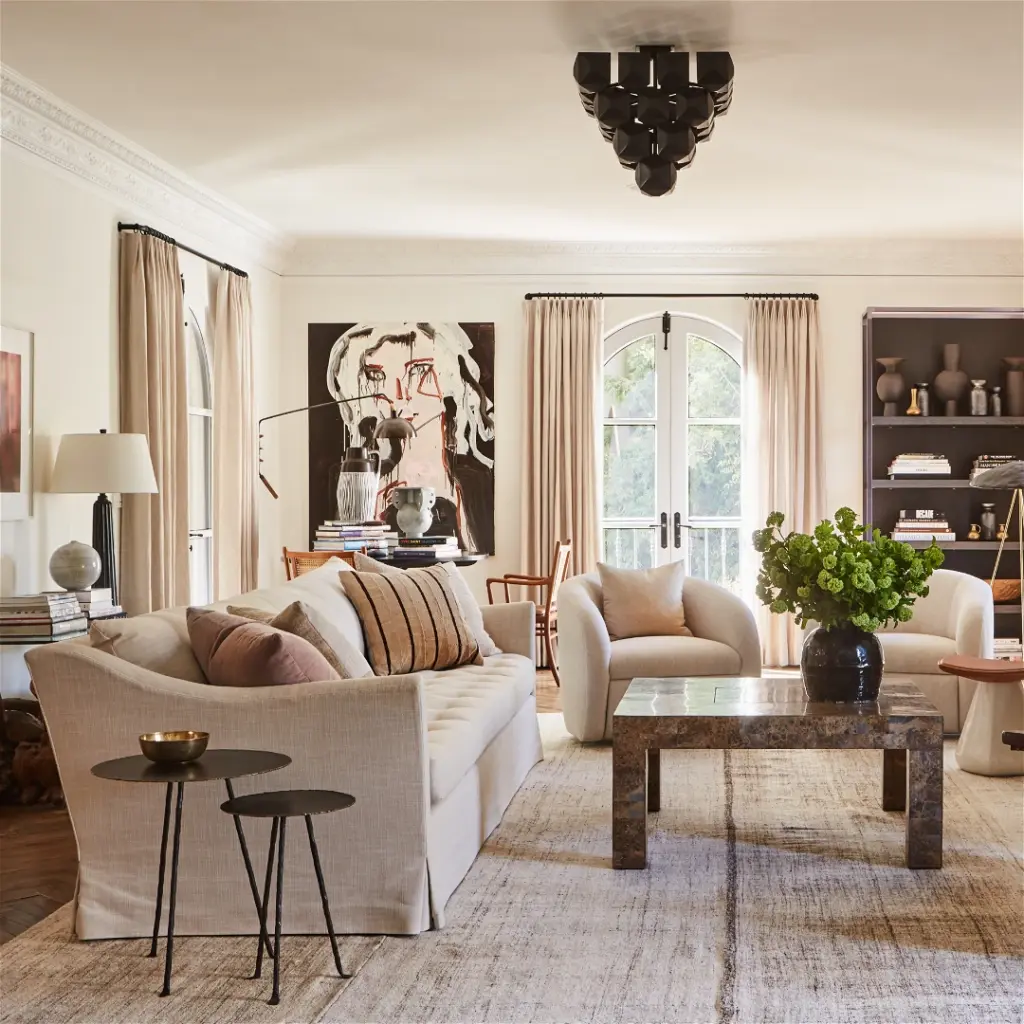
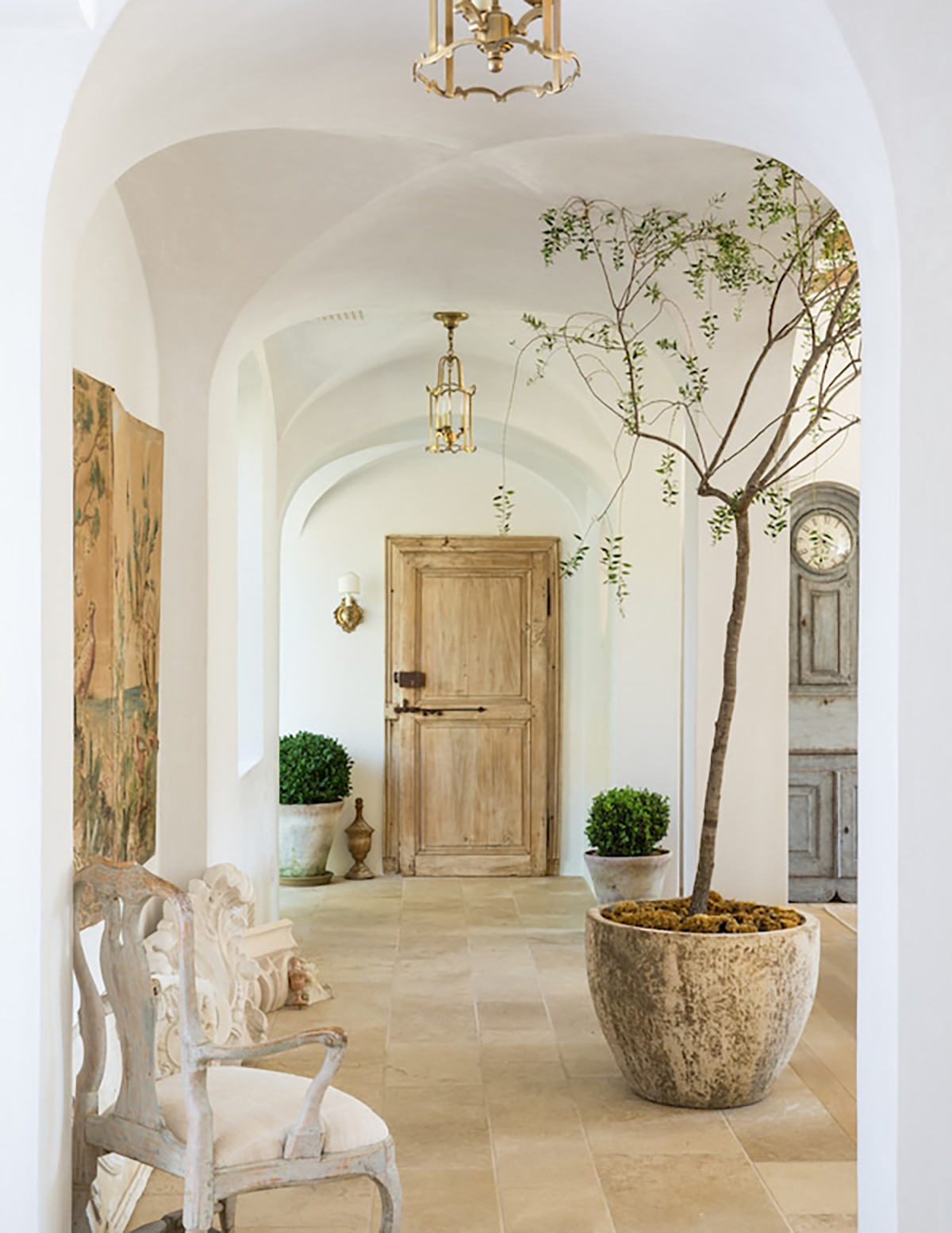
Even the most neutral room needs texture and contrast to keep it from feeling flat. Texture brings depth; contrast brings life. Together, they make a space feel layered and interesting instead of boring.
It could be something as simple as pairing a soft linen sofa with a weathered wood table, or a sleek metal lamp on a rough stone console. These small differences in materials and finishes give a room that collected, comfortable look.
If you want a really layered, luxurious look, try mixing at least three textures in every room—something soft, something smooth, and something with a little age.

Want More? Learn how different materials—like velvet, marble, and woven linen—instantly elevate a room in 7 Textures That Add Instant Luxury to Any Room.
4. Layering
Layering is what gives a room depth and character. It’s what makes a space feel gathered over time instead of decorated in a day. When things are layered well, the room looks more comfortable, inviting, and personal.
Think of layering as the mix of heights, materials, and shapes that keep a room feeling dynamic. A tall lamp next to a low bowl, a soft throw draped across a textured chair, a stack of books with something sculptural on top—it’s all about how things play off one another. Even your furniture heights add to the effect, from low seating to taller shelves or a pendant above.
And just like with accessories or texture, layering doesn’t have to be complicated. Start with what you already have and build from there. A few thoughtful combinations are all it takes to make a space feel cozy, lived-in, and uniquely yours.
5. Lighting Variety
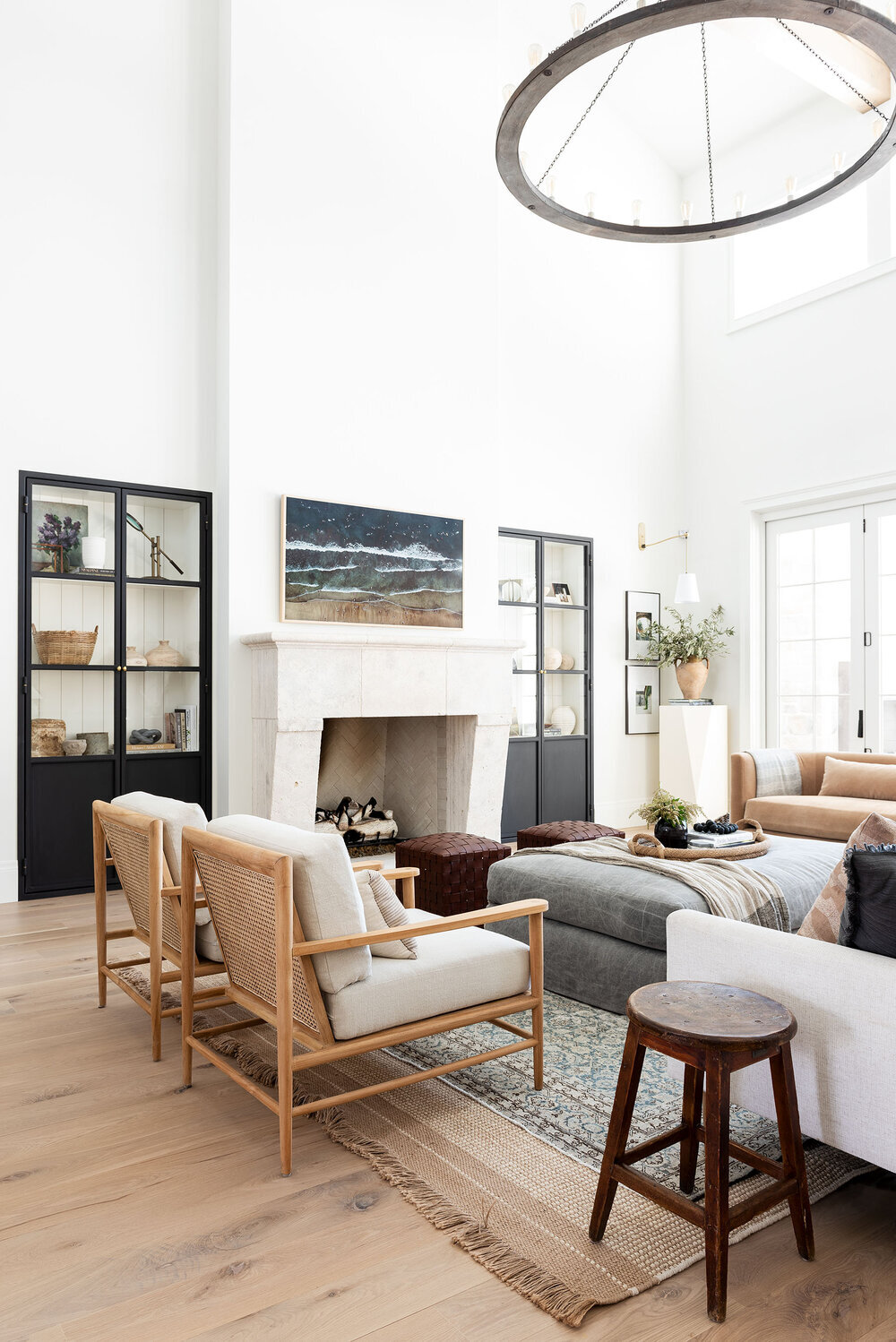
Lighting is one of those things designers always get right because it changes the whole feeling of a room. Good lighting makes a room feel warm and lived in, not flat or harsh. Designers never rely on just one light source. They mix a few different types so the room feels comfortable from morning to night.
There are three kinds of lighting that work together.
Ambient lighting fills the room. Task lighting helps with things like reading or cooking. Accent lighting adds a soft glow and brings attention to the pretty details. When you use all three, the room feels fuller and more welcoming because the light comes from different places instead of one bright spot overhead.
The easiest way to start is to add a couple of lamps in the room you use most. Then add one small accent light like a picture light or a candle. Once you spread light around the room instead of only above you, the whole space feels more relaxed and comfortable.
6. Repetition
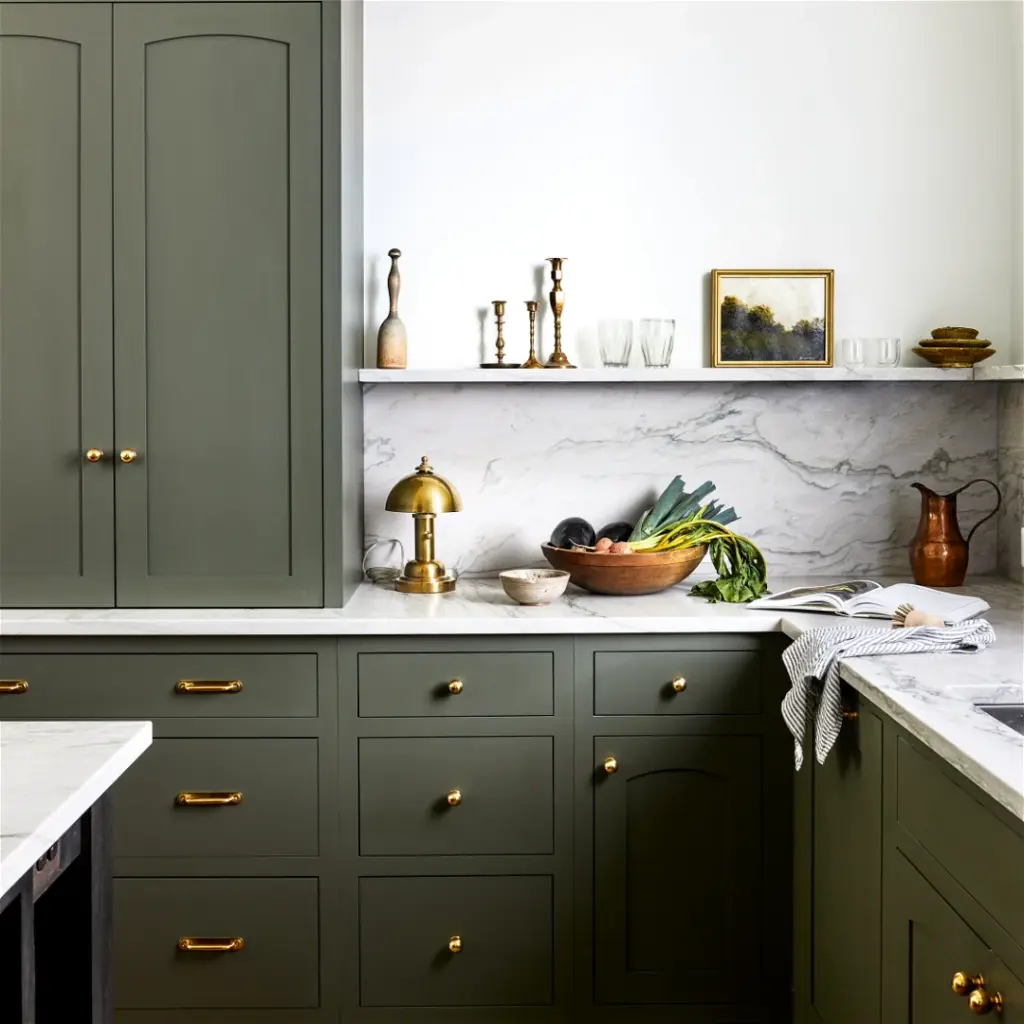
Repetition is one of those subtle tricks that makes a room feel cohesive without you even realizing why. When a color, shape, or material repeats itself, it ties everything together.
Maybe it’s a few black accents sprinkled through the space, like a lamp, picture frame, and cabinet hardware. Or a soft brass finish that shows up in both a mirror and a table lamp. Even repeating textures, like linen on pillows and drapery, can make a space feel connected.
Designers use repetition instinctively because it creates flow and makes the eye travel naturally around the room. But you can do it just as easily—just pick one or two elements you love and echo them in small ways throughout the space.
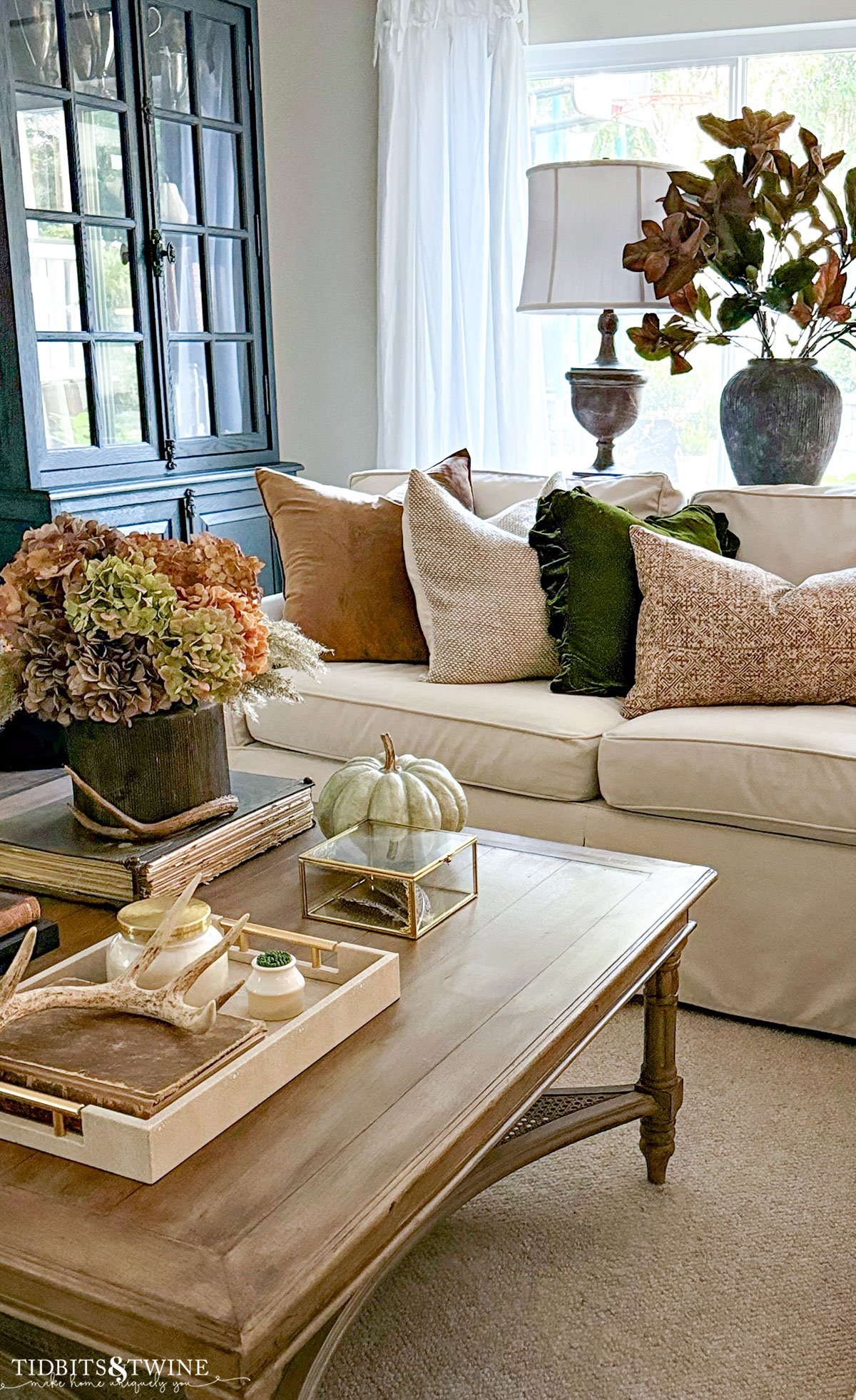
Style Tip: Repeat a detail at least three times in a room. It doesn’t need to match perfectly, it just needs to belong to the same “family” of color, finish, or texture.
7. Negative Space
It’s easy to focus on what to add to a room, but just as important is what you leave out. Negative space is the open areas between objects and it gives your eyes a place to rest and helps your favorite pieces stand out.
Crowding every surface makes it hard for anything to shine. Instead, leave a little breathing room between objects on a shelf or table, or a bit of wall space around art. That empty space is what creates balance and calm.
You don’t have to go minimalist, just thoughtful. Editing a few things out can make what’s left look even better. Sometimes, the most beautiful rooms are the ones that know when to stop.
Style Tip: If you’re not sure whether to add one more piece, try removing one instead. The space you leave empty is part of the design, too.
8. Focal Point
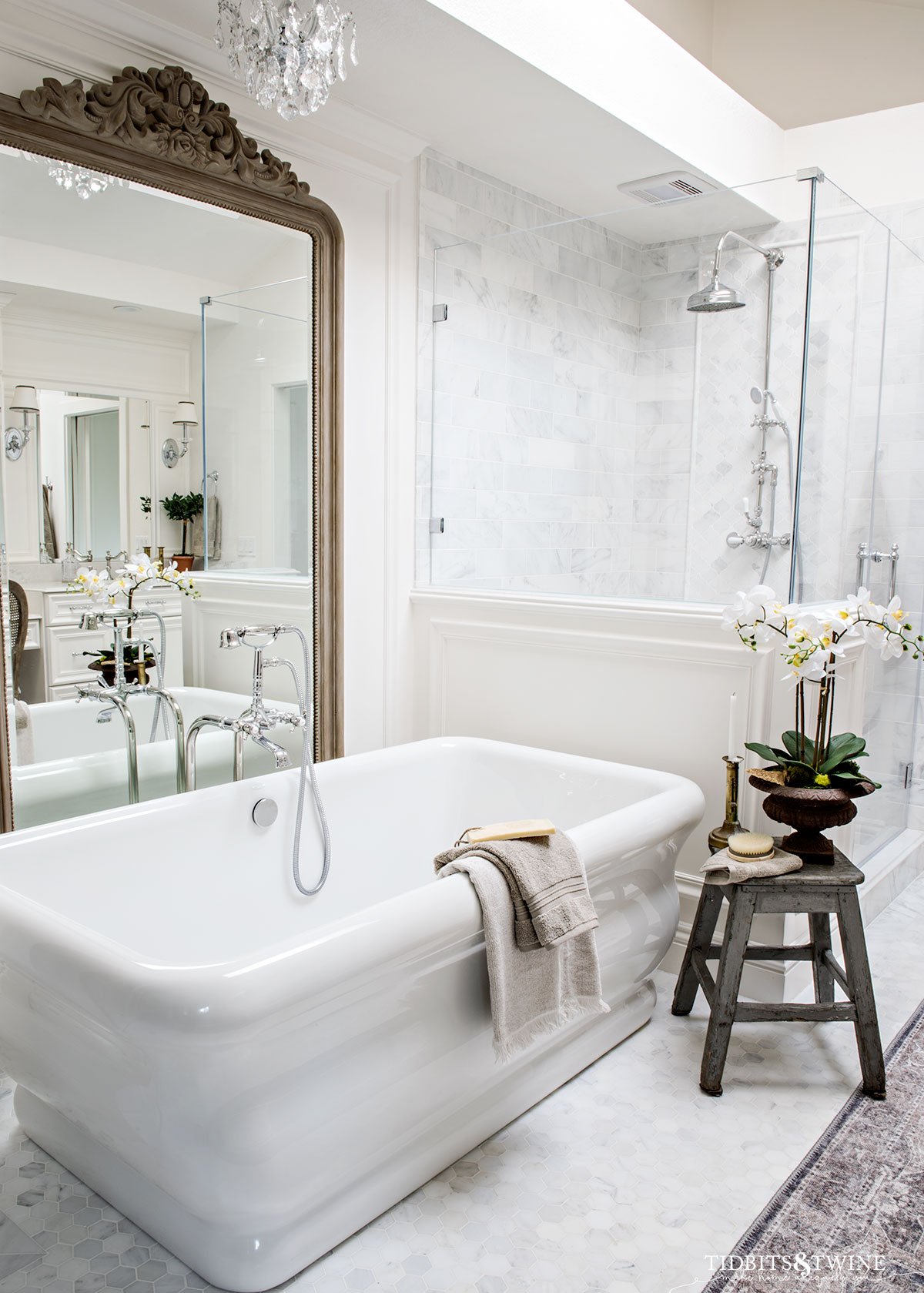
Every room needs one main feature that draws the eye—a focal point that gives the space direction. It’s the first thing you notice when you walk in, and everything else plays a supporting role.
In some rooms, it’s obvious: a fireplace, a large window, or a beautiful piece of art. In others, you might need to create one with a statement light fixture, bold mirror, or even a standout piece of furniture. Once you know what your focal point is, you can arrange furniture and decor to highlight it instead of competing with it.
And if you’re working with multiple features—say a fireplace and a TV—try treating one as the star and the other as part of the supporting cast. When everything’s competing for attention, nothing truly stands out.
9. Personality
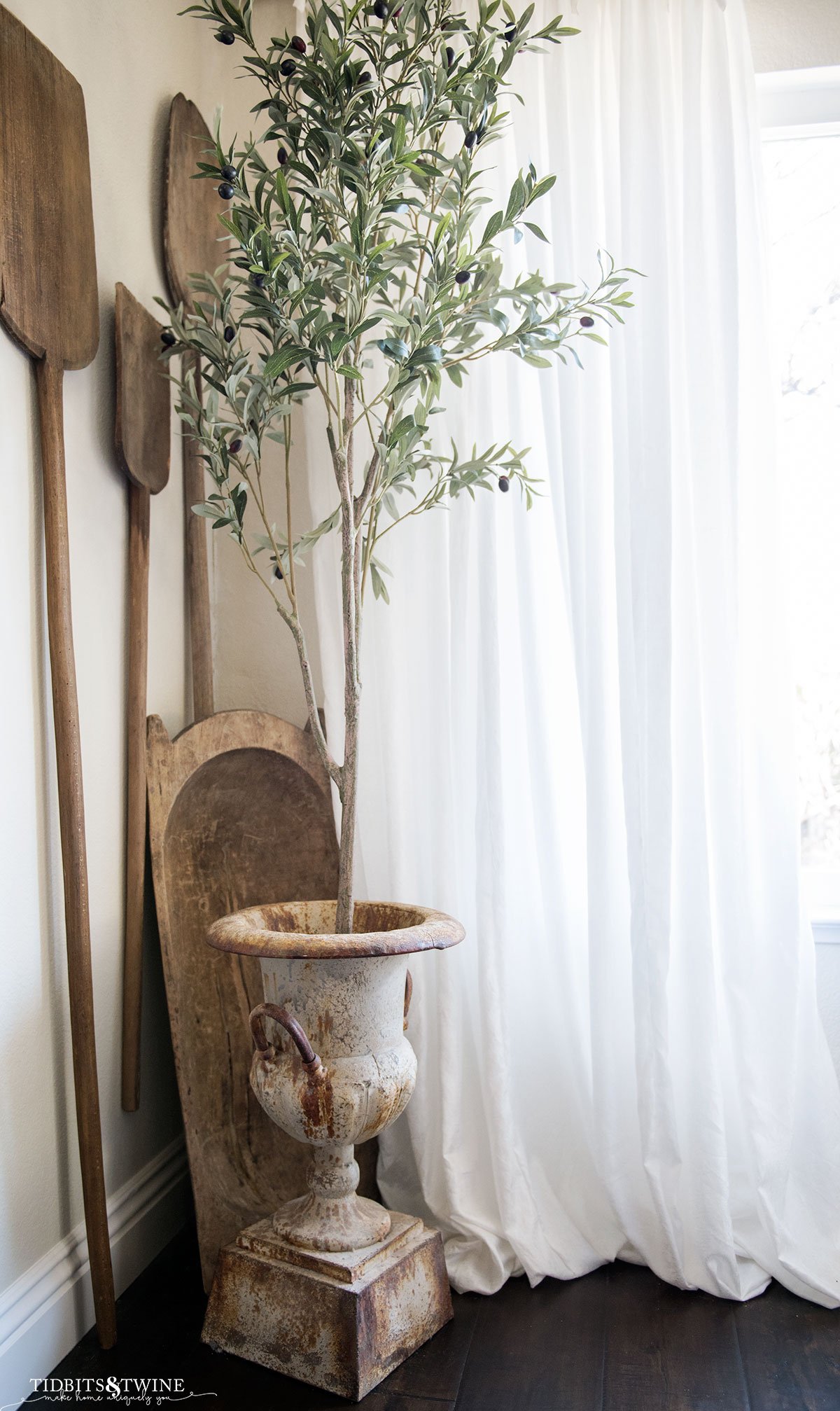
A home without personality might look nice, but it never really feels lived in. The pieces that make your space yours are what bring it to life, like the family photo, the antique find, the quirky art that makes you smile every time you see it.
Designers know that the best rooms tell a story. That doesn’t mean everything needs to have deep meaning or history, it just needs to reflect you. Maybe it’s a vintage portrait mixed in with new furniture, a collection of travel finds, or a stack of well-loved books on the coffee table.
When every choice comes from something you genuinely like, your home naturally feels cohesive and welcoming. Personality is what turns a pretty room into one that people want to linger in.
More Decorating Tips
- Curiosity Decor & Quirky Antiques: Style That Tells a Story
- How to Create a Collected Look without Clutter
- How to Decorate a Coffee Table (8 Tips That Actually Work)

DECORATING MADE EASY
Get my free 5-day decorating course and learn how to define your style, make better decisions, and create a home that feels like you.
After the course, you’ll receive my latest decorating tips, antique finds, and new posts.