



Sometimes a room can look perfectly pretty…and yet something about it still feels unfinished. Often, what’s missing isn’t more color or more accessories, but simply a touch of black. Just like a little black dress in fashion, black in decorating is classic, versatile, and instantly elevates everything around it.
Black isn’t about making your home dark or moody. Instead, it’s about giving the eye a place to rest, balancing lighter tones, and adding just enough definition to make a space feel polished. Even the brightest, airiest rooms benefit from that grounding note. Think of it as punctuation in a sentence—without it, things can feel a little flat.
Why Black Works So Well
Black has a way of transforming a room that few other colors can. It’s classic, grounding, and endlessly versatile—qualities that make it one of the most reliable tools in decorating. At its core, there are four reasons black works so beautifully in any home.
1. Classic and Sophisticated
Just like a little black dress, black has a timeless quality that never goes out of style. Even the smallest touch—a painted door, a sleek console, or a simple frame—instantly elevates a room and makes it feel more intentional.
2. Contrast
Without contrast, a room can feel pretty but flat. Black sharpens the edges, makes lighter tones look brighter, and creates a sense of depth that keeps a space from looking one-dimensional.
3. Grounding
Black gives the eye a place to rest. Even in the airiest, light-filled rooms, a dark anchor—like a coffee table, railing, or console—adds visual weight that keeps the space from “floating away.”
4. Neutral and Versatile
One of the best-kept secrets about decorating with black is that it functions as a neutral. It plays well with any palette—crisp whites, soft pastels, warm woods, bold jewel tones—and slips effortlessly into every style, from traditional to modern.
When Is Black Timeless?
Black feels timeless when it’s part of the bones of a home or when it emphasizes balance and proportion. A pair of black French doors that repeat throughout a space, a staircase with black iron railings, or a checkerboard floor in an entryway—these aren’t trendy statements, they’re enduring choices that have been loved for centuries.
It also feels timeless in its classic pairings. Black with white is crisp and iconic, black with gold is elegant and warm, and black with natural wood is earthy and grounding. And of course, substantial pieces like a console, coffee table, or armoire in black will always feel like anchors rather than afterthoughts.
Timeless Uses of Black
- Architectural elements: doors, railings, window trim, checkerboard floors
- Classic pairings: black + white, black + gold, black + wood
- Substantial furniture pieces that ground a room
- Repeated touches that create rhythm and balance
When Is Black Trendy?
Black starts to feel trendy when it’s applied everywhere at once, or used just because it’s “in style.” Remember the matte black hardware craze? For a while, every faucet, hinge, and knob was black—but without variation or balance, those spaces quickly felt flat and dated.
The same thing can happen with glossy all-black kitchens or light fixtures that lack warmth. When black is used as a fashion statement instead of a grounding detail, it risks aging fast.
Trendy Uses of Black
- Covering every surface in black all at once
- One-off accents with no repetition or balance
- Fashion-driven statements (like all-black kitchens or every faucet in matte black)
- Choosing black just because it’s “in,” rather than because it suits the space

How to Use Black the Right Way
Knowing where to use black is one thing, but how you use it makes all the difference. A single black element can feel random, while thoughtful placement can turn black into the detail that elevates the whole room.
Repetition
One black accessory isn’t enough to carry a room. Repeat black throughout the space so the eye can connect the dots — a mirror frame here, a stripe in a rug there, a dark table anchoring it all. Repetition makes black feel intentional instead of accidental.
Symmetry
Black feels most timeless when used in balanced, symmetrical ways. Think of a pair of black sconces flanking a doorway, or matching window frames across a wall. If only one window or door is painted black, it can lean more trendy than classic.
Balance
Black is powerful, so it needs to be balanced by lighter tones, warm woods, or texture. Without balance, a room risks feeling heavy or stark. With it, black becomes the punctuation mark that makes everything else pop.
Texture and Finish
Black doesn’t have to mean flat or one-note. Mixing different finishes adds dimension and keeps the look interesting. A matte black iron railing feels architectural, while a glossy black lacquered table adds drama and sheen. Pairing a soft velvet pillow with a sleek black frame layers texture and prevents the color from falling flat.
The key is variety — if every black element has the same finish, the room can feel uniform and heavy. By mixing matte, gloss, patina, and fabric, black feels richer and more intentional.
Ways to Use Black in Your Home
There are countless ways to bring black into a room, whether you want to make a bold statement or simply add a subtle accent. Here are some timeless ideas:
Black Flooring
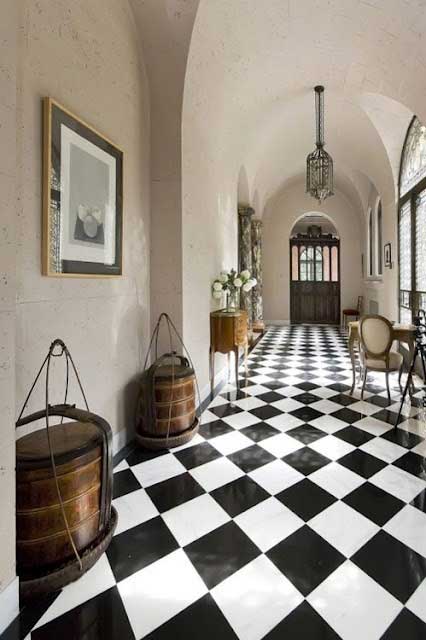
Classic black-and-white checkerboard tile or marble is iconic and works beautifully in entryways, kitchens, and baths.
Black Furniture
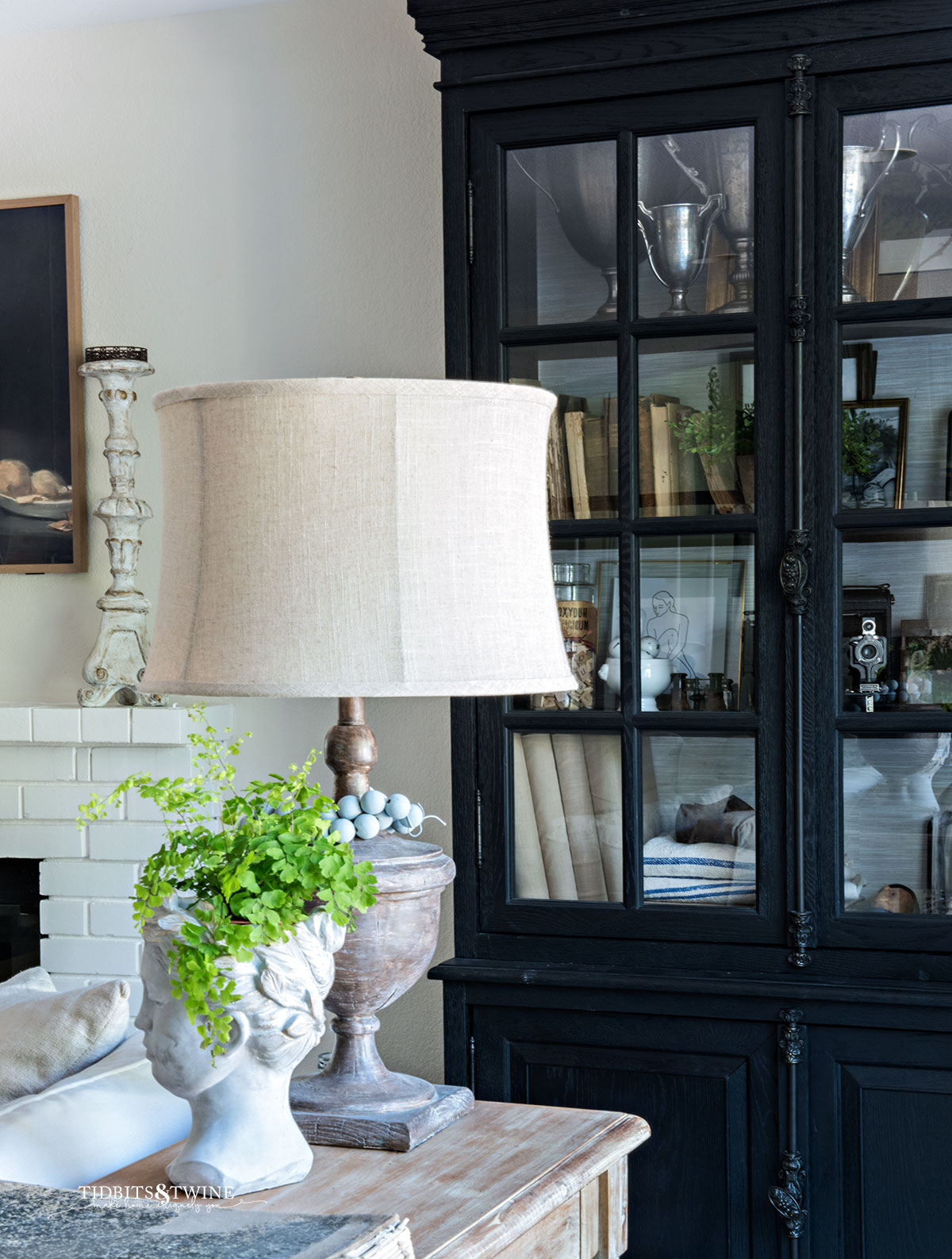
A black coffee table, console, or dining set provides a strong anchor that grounds the space.
Black Doors and Trim
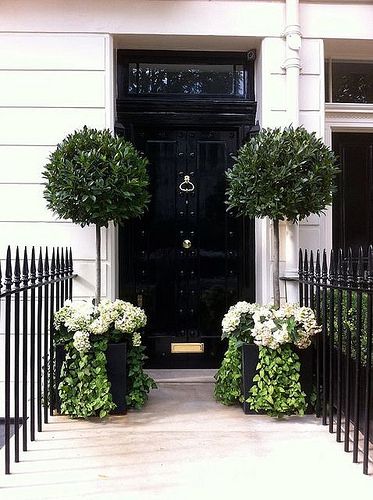
Painting interior doors black—or adding black trim—instantly adds depth and sophistication.
Railings and Architectural Details
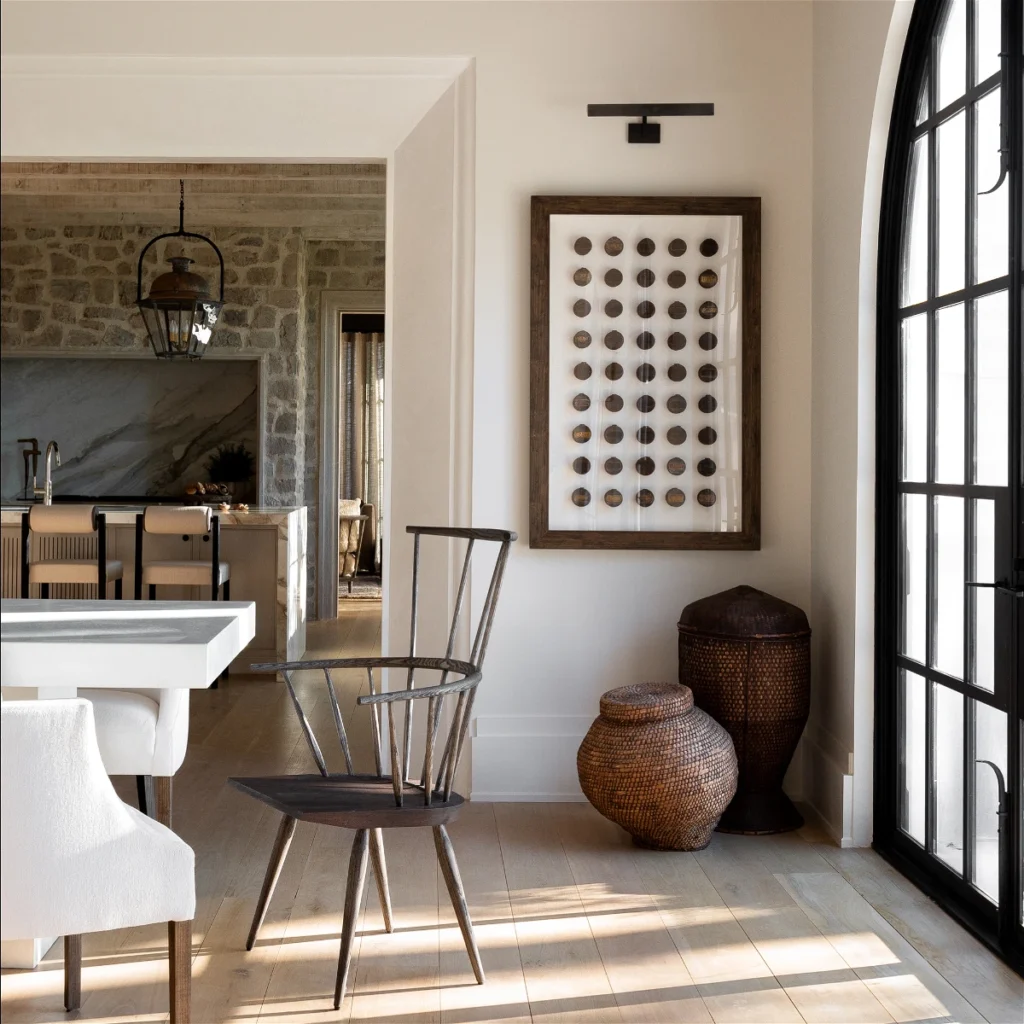
Black can be stunning when it’s part of the architecture. Stair railings, window mullions, and door frames in black all highlight the structure of a home and create crisp definition against lighter walls.
Black window frames, in particular, act like built-in picture frames, adding contrast and giving a room or façade a timeless sense of structure. The key, though, is balance—black windows look classic when they’re symmetrical across the space or exterior. Used inconsistently, they can lean more trendy than timeless.
Black Textiles
Pillows, throws, or patterned rugs with touches of black add subtle depth without overwhelming.
Black Accessories
Think bowls, trays, candlesticks, or picture frames—small accents that punctuate a room.
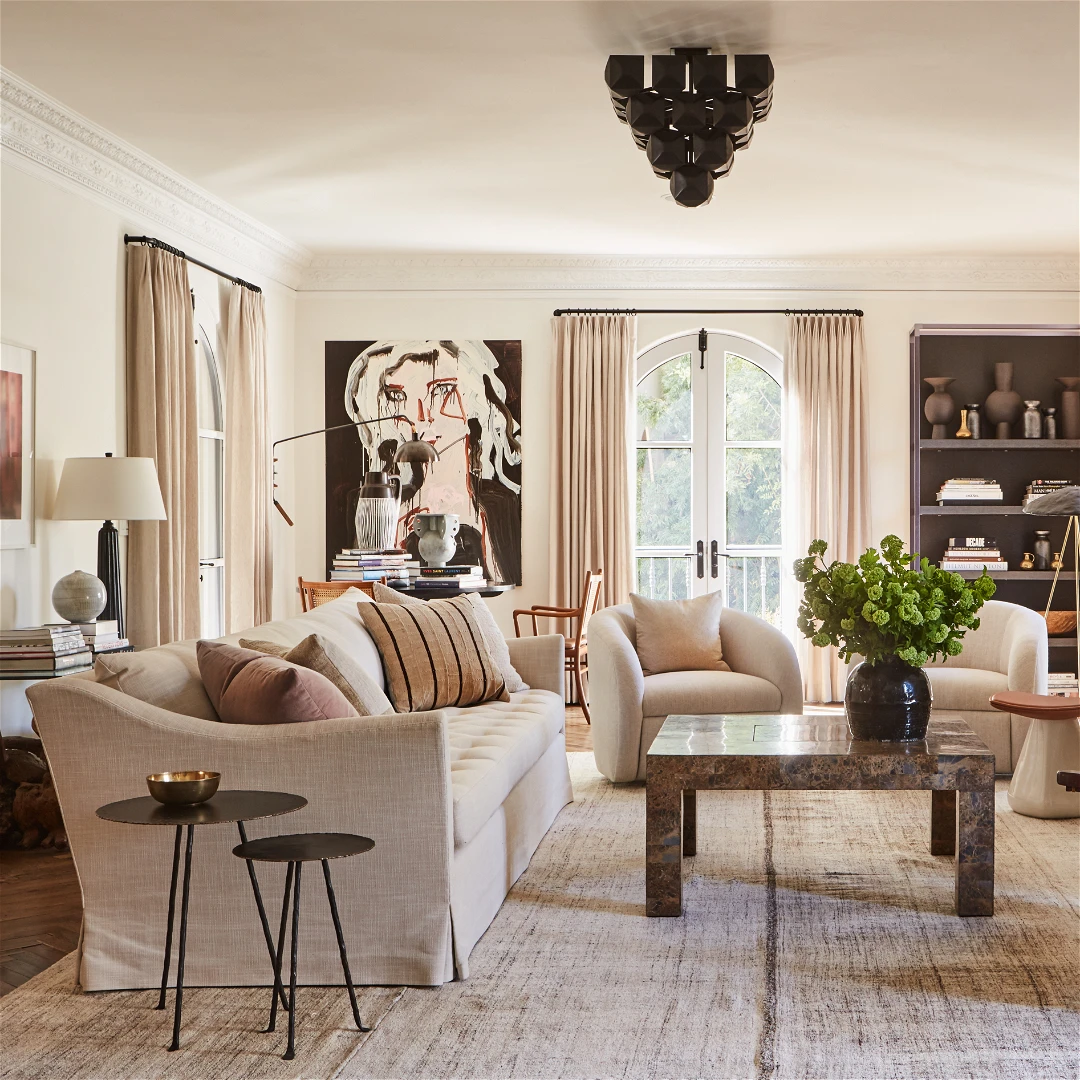
Artwork and Mirrors
Black frames create definition and give gallery walls or mirrors a finished look.
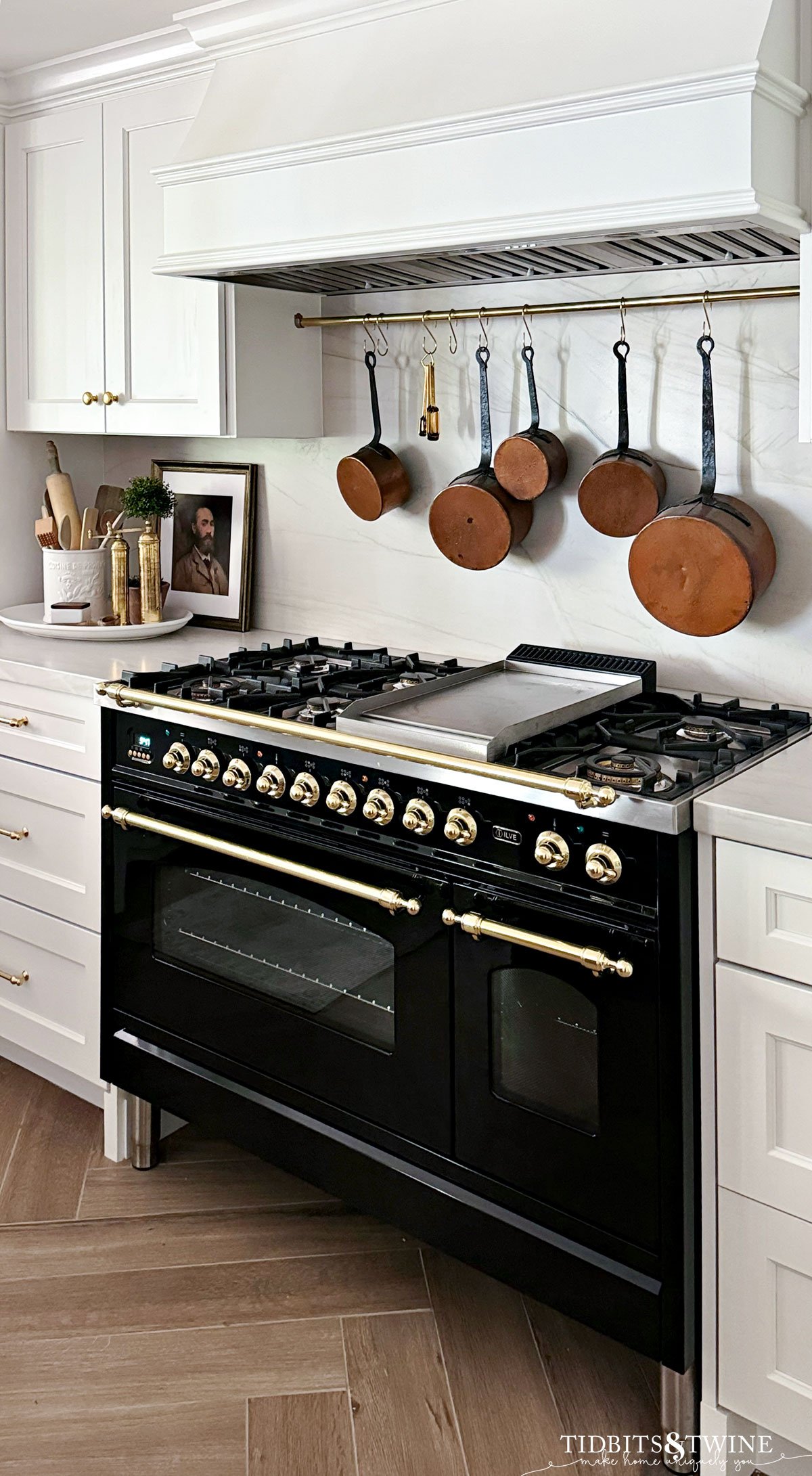
Black Appliances
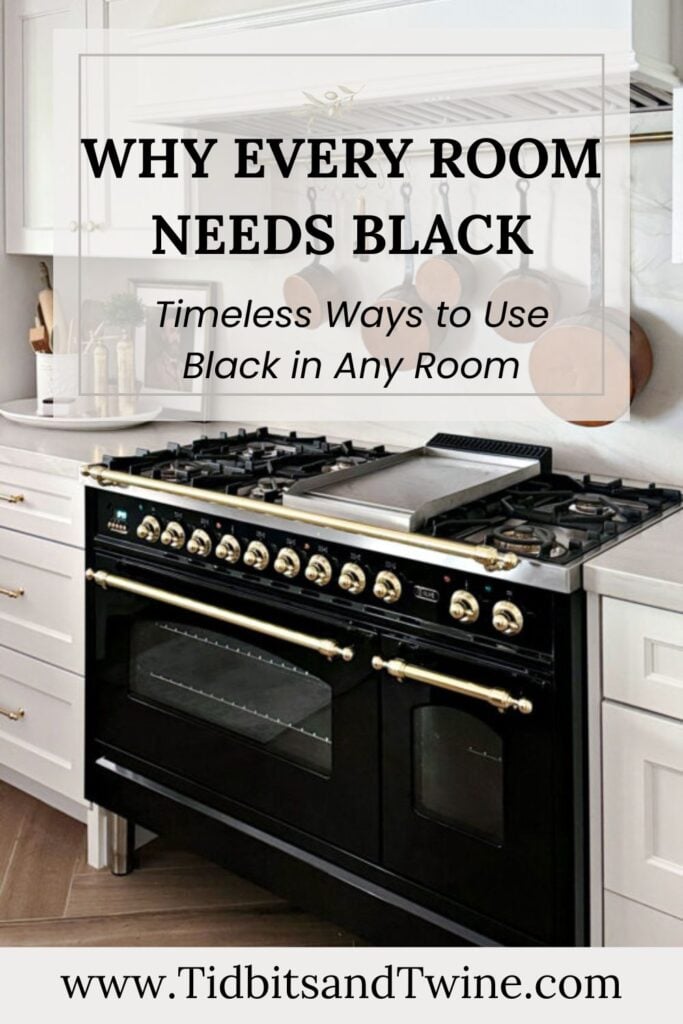
A simple black range or black enamel stove can serve as a timeless focal point in the kitchen.
Avoiding Common Pitfalls
Black is powerful, but like anything in decorating, it can be misused. Most of the time the problem isn’t with black itself, but with how it’s applied. Here are a few common mistakes I see—and the easy fixes that keep black looking timeless instead of trendy.
1. Using Too Little
One lonely black item can look accidental, like it snuck into the room by mistake.
Fix: Repeat black throughout the space—whether in frames, furniture, or textiles—so it feels intentional.
2. Using Too Much
An overload of black can weigh a space down and make it feel heavy or stark.
Fix: Balance it with lighter tones, warm woods, and layered textures to keep the look inviting.
3. Isolating Black in One Spot
A grouping of black pieces in a single vignette might balance itself, but if it’s the only dark area in the room, the space will still feel off.
Fix: Carry black across the room so the eye sees it in multiple places. Even small echoes—a stripe in a rug, a frame, or a bowl—help connect the dots.
4. Assuming Black Always Looks Modern
Many people skip black because they think it only suits sleek, contemporary spaces.
Fix: Remember that black has been used for centuries in traditional design—paneling, staircases, gilded frames, checkerboard floors. Pair it with classic forms, and it will always feel at home.
5. Worrying Black Will Feel Cold
When used incorrectly, black can look stark, but it doesn’t have to.
Fix: Warm it up with texture—think velvet pillows, woven baskets, brass details, or rich wood finishes.
FAQs About Decorating with Black
You can still get the same grounding effect with near-black colors like deep navy or forest green. These rich, dark shades behave almost like neutrals and bring depth to a room, but with a slightly softer touch than pure black. They’re a great option if you want the benefits of black without going fully bold.
Black often works as part of the 10% accent category. It’s that little punctuation mark in your palette—a coffee table here, a few frames there—that ties everything together without overpowering your main colors.
Not at all. Black has long been used in traditional homes—think paneled doors, iron stair railings, or antique frames. It’s all about the context. In classic applications, black feels elegant and enduring, not stark or trendy.
Yes! Black is one of the few colors that can slip into almost any palette like a neutral. Even if it isn’t part of your official 60-30-10 scheme, a few repeated touches—a tray, a candlestick, a pillow—can still bring balance. Just make sure it shows up more than once so it feels intentional.
Black works in every room of the house—it just takes on a different role depending on the space. In living rooms and bedrooms, it can ground lighter furniture and add contrast through textiles, frames, or a coffee table. In dining rooms, black furniture or a mirror can bring sophistication. For kitchens and baths, black often shows up in architectural details like flooring, ranges, or cabinetry accents.
The secret isn’t where you use black, but how. As long as it’s repeated and balanced, black feels right at home in any room.
Final Thoughts
Adding black doesn’t mean turning your home dark—it means giving it depth, balance, and definition. Whether it’s a pair of black French doors, a checkerboard entry floor, or a small set of accessories, a touch of black grounds a space and makes everything else shine a little brighter.
It’s not a trend. It’s a classic. And once you start noticing those small touches of black, you’ll see how they quietly make every room feel more balanced, more intentional, and more beautiful.

What a great read! So well written and informative! And inspirational! Thank you!
I remember when you did that gorgeous bedroom! I like high contrast so I always use some black, sometimes a lot of black in my rooms. I read that it’s like the mascara of the room and I look dreadful without mascara. ;-)
I have always used black as accents but when we moved into our home 7 years ago I painted our foyer semi gloss black with 12” horizontal flat black stripes. I still love it today.