


Sometimes the hardest part of decorating a room is simply figuring out where to begin. There are so many choices that it’s easy to feel overwhelmed, especially when you don’t yet have a clear picture of what you want.
It’s a little like taking a road trip without deciding where you’re going or how you’ll get there. Sure, you’ll end up somewhere, but it might not be where you had in mind.
Decorating works much the same way. It helps to know your destination before you start shopping, moving furniture, or choosing paint colors.
I’ve felt overwhelmed by the process too, so over time I developed four simple steps that help me create a design plan for any room:
The four steps are Inspiration, Function, Feel, and Find.
Each step helps narrow your choices and gives you something clear to work toward. Let’s take a closer look at each one.
Step 1: Find Your Inspiration
Before I start choosing furniture, paint colors, or accessories, I look for one thing that gives the room direction: an inspiration piece.
An inspiration piece can be almost anything. It might be a rug, a piece of art, a fabric, a pillow, a piece of furniture, or even a photo of an entire room.
The inspiration piece isn’t something you have to copy exactly. You might not even use that particular item in the finished room. Its job is to help you identify the colors, style, and overall direction you want for the space.
One caveat: I don’t recommend using a paint color as your inspiration piece. Paint tells you something about color, but it usually doesn’t tell you much about the style or feeling you want to create. A rug, fabric, piece of art, or room image gives you much more information to work with.
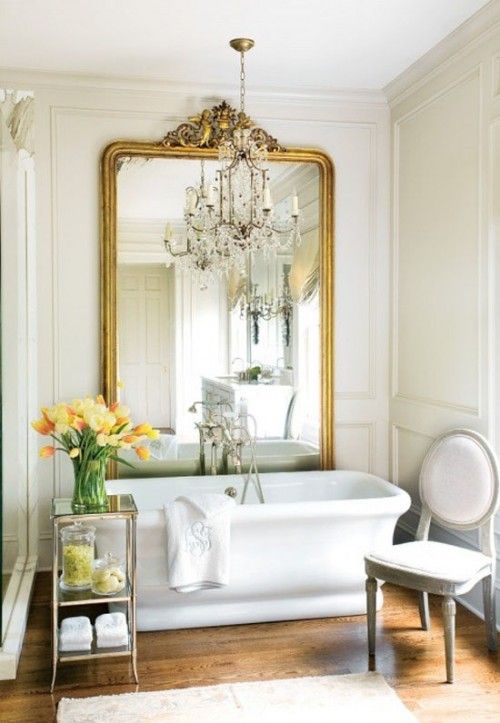
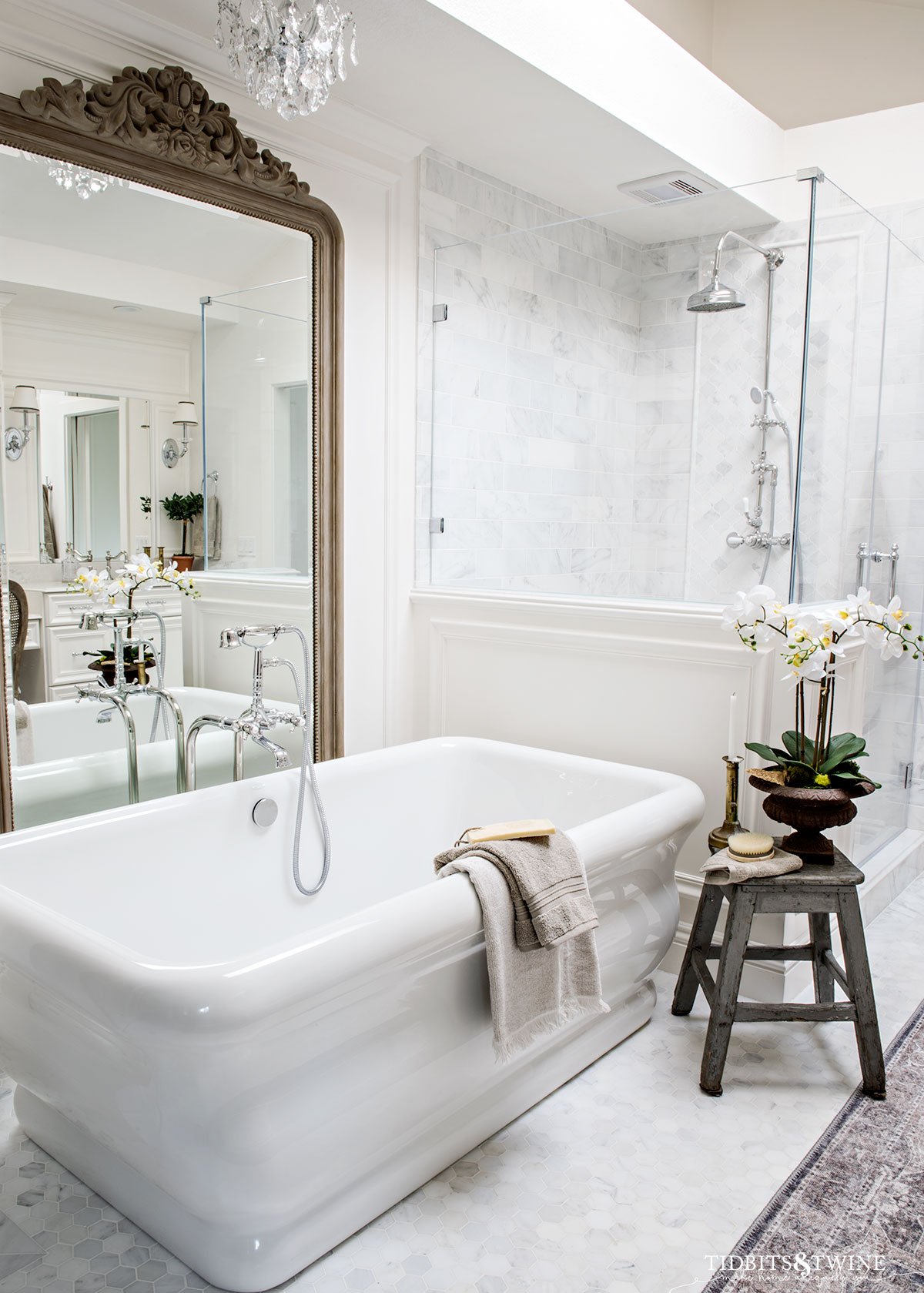
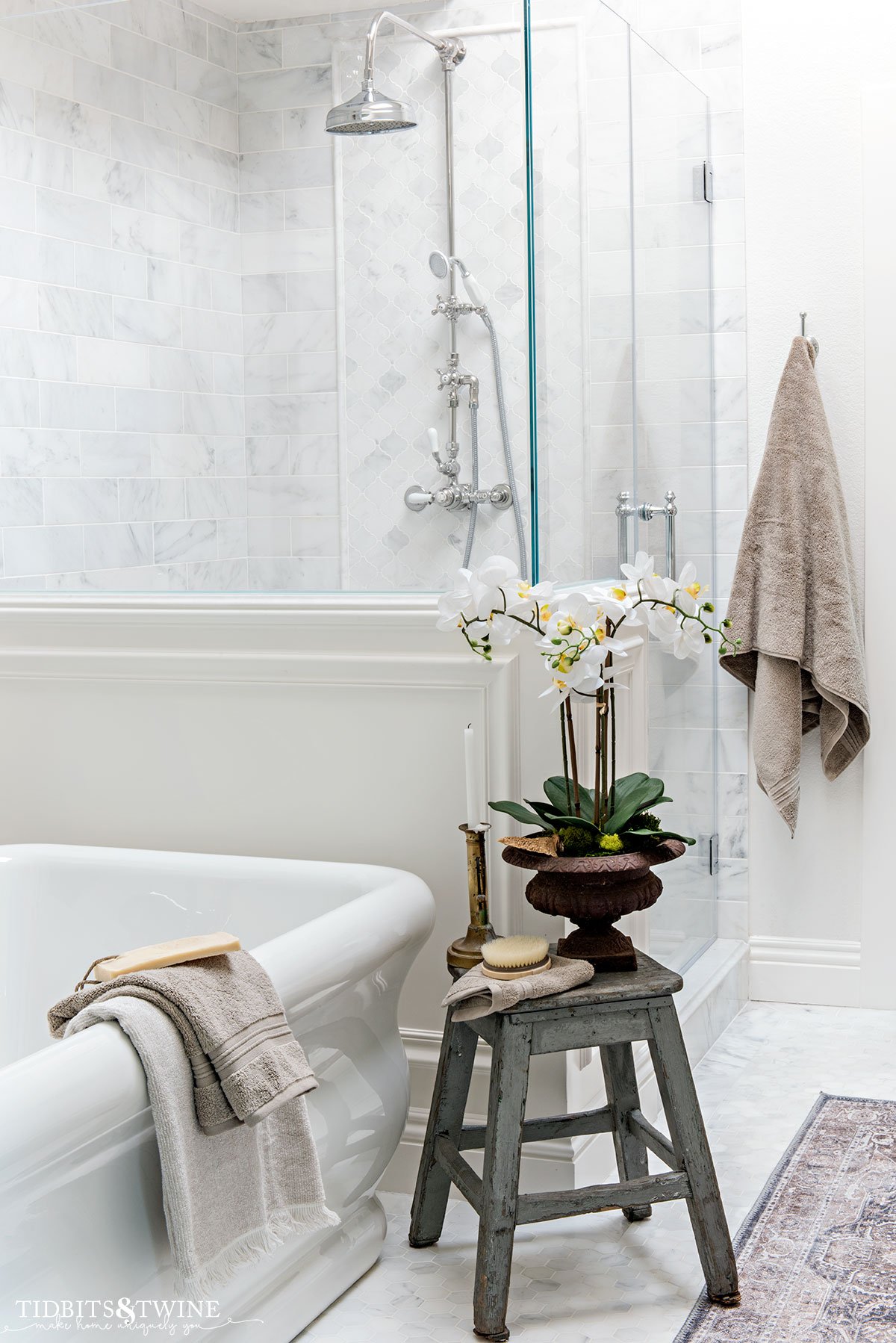
For example, this photo was the inspiration for my bathroom remodel. I wasn’t planning to copy every detail or buy an identical gold mirror. I chose it because it represented the direction I wanted: timeless, elegant, clean, and a little sophisticated.
Once I had that direction, it became much easier to narrow down the choices that followed.
Step 2: Determine the Function
Before you buy anything, think about how the room needs to function.
A bedroom might need reading lights near the bed, a place to set a glass of water, storage for clothing, and perhaps a desk for working. A living room might need enough seating for the whole family, a spot for the television, and tables within easy reach of every chair.
Determine what you need before you start buying what you want.
A few helpful questions to ask include:
- How many people need seating?
- Do you need task lighting, overhead lighting, or both?
- How much storage do you need?
- Do you need surfaces for working, eating, or setting down a drink?
- How will people move through the room?
- Will you need to include a television or other electronics?
- Are the outlets located where you’ll need them?
- Are there pets, children, or other practical considerations to keep in mind?
- Have you measured the room, doorways, and any furniture that will remain?
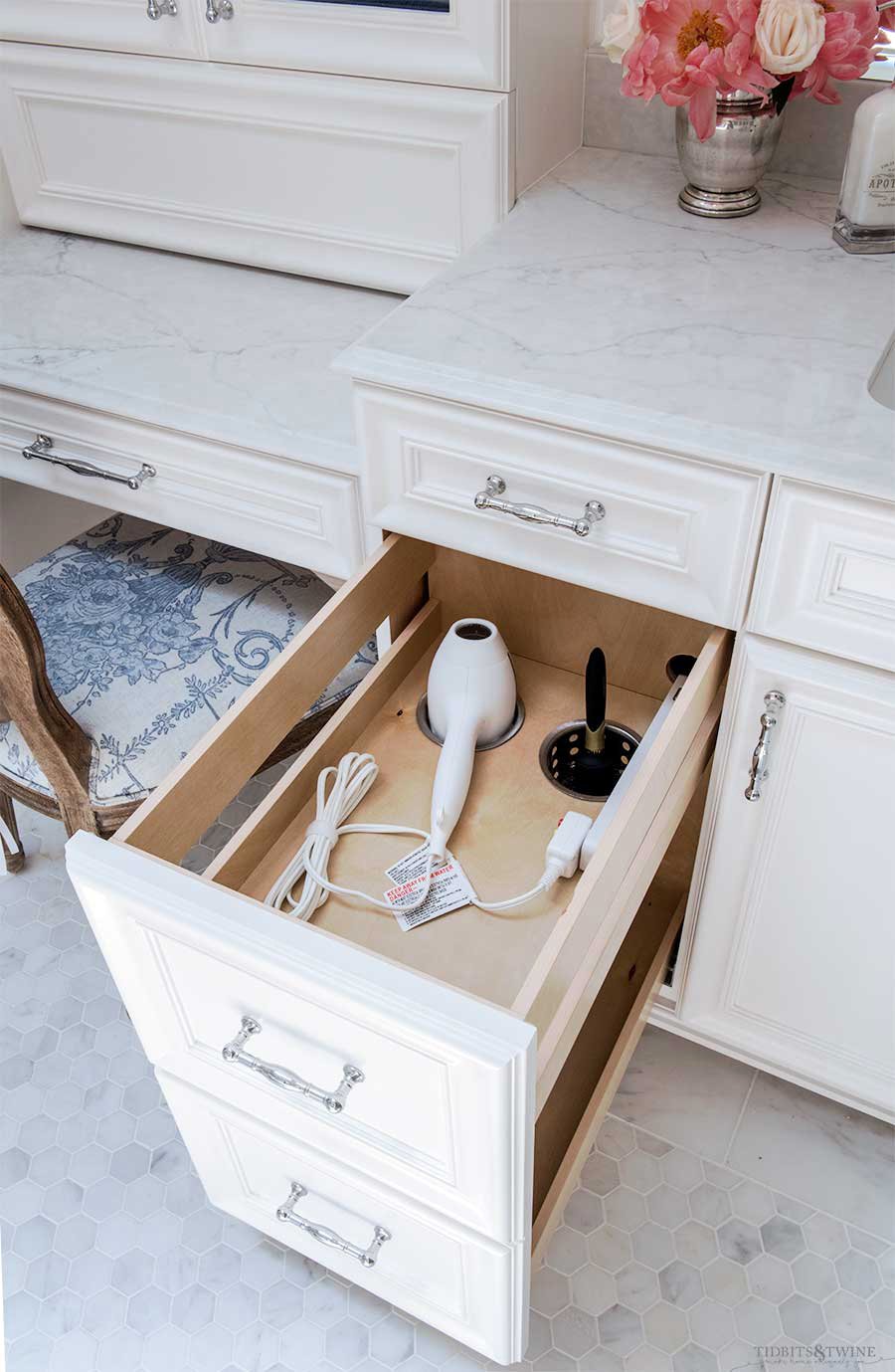
Before you start shopping, measure the room and note the locations of doors, windows, outlets, and walkways. Be sure to measure any furniture you plan to keep, too. A piece can look perfect online or in a showroom, but that doesn’t mean it will fit the space or leave enough room to move around comfortably.
Thinking through the room’s function helps you determine which pieces you actually need and where they should go. It also prevents you from buying something beautiful only to discover that it doesn’t meet the need you bought it for.
Step 3: Consider the Style and Feel
If you already know your decorating style, you’re off to a good start. But even if you don’t have a clearly defined style, you can still create a room you love.
Start by thinking about how you want the room to feel.
Do you want it to feel cozy, elegant, relaxed, cheerful, sophisticated, or maybe a mix of several? Choose a few words that describe the direction you want and keep them in mind as you make decisions.
Those words give you another way to evaluate potential purchases. A piece might be beautiful on its own, but does it fit the feeling you’re trying to create in the room?
Sometimes it’s easier to begin with what you don’t want. Maybe you don’t want the room to feel formal, trendy, cluttered, or too precious. Knowing what you want to avoid can help you get much clearer about what you do want.
Step 4: Find the Right Pieces
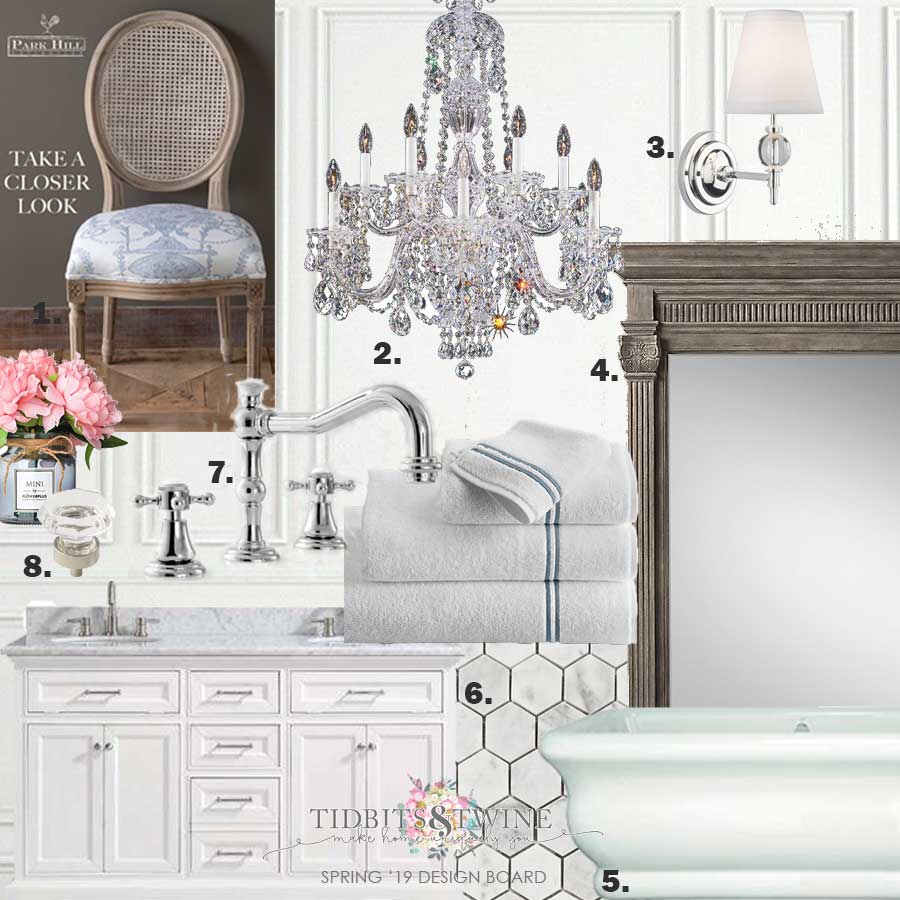
Now that you know how your space needs to function, you should have a good idea of what the room needs. You also know how you want it to feel and the direction you want to take, so you can begin looking for the pieces that will bring the plan together.
Before you start shopping, decide what you’re comfortable spending and which purchases matter most. A budget doesn’t have to be exact, but it helps you decide where to splurge, where to save, and which items may need to wait.
Shop with your plan in mind.
For example, if you want the room to feel calm and relaxed, you might look for softer colors, comfortable fabrics, simple patterns, and furniture with gentle lines. If you want it to feel more energetic, you might choose stronger color, bolder patterns, playful shapes, or something unexpected.
The shape, color, material, and finish of each piece all contribute to the feeling of the room. The combination matters too. Too many pieces with the same lines, finish, or style can make a room feel a little predictable. Mixing in something older, softer, more textured, or less expected can make the room much more interesting.
Not every item has to check every box on its own. The goal is for the room as a whole to support your inspiration, meet your practical needs, and create the feeling you had in mind.
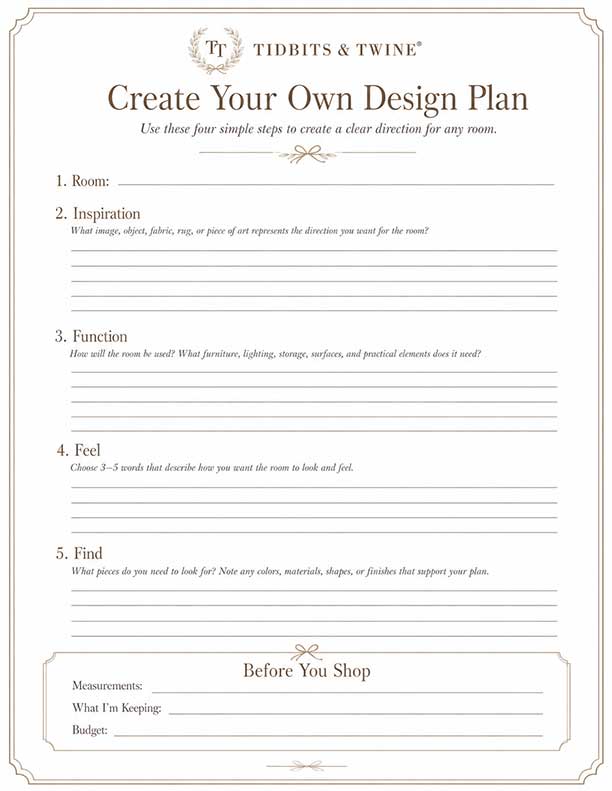
Your Turn: Create Your Own Design Plan
Choose one room and work through the four steps below. You don’t need to have every detail figured out. The goal is simply to give yourself a clear direction before you start shopping.
Use the questions below, or download and print the worksheet to create your plan on paper.
Inspiration
What image, object, fabric, rug, or piece of art represents the direction you want for the room?
Function
How will the room be used? Make a list of the furniture, lighting, storage, surfaces, and other practical items the room needs.
Feel
Choose three to five words that describe how you want the room to look and feel.
Find
Make a list of the pieces you need to look for. Include any colors, materials, shapes, or finishes that support your inspiration and the feeling you want to create.
Before you shop, add your room measurements, note what you’re keeping, and decide what you’re comfortable spending.
Additional Tips & Tidbits
Clear Away the Visual Clutter
If you’re redecorating an existing room and having trouble picturing it differently, remove as much as you can. You don’t necessarily need to move out all of the furniture, but put away the accessories and anything else that isn’t essential.
A room is often much easier to rethink once you aren’t distracted by everything that’s already there.
Don’t Worry About Choosing One Style
Decorating styles can be helpful for identifying what you like, but you don’t have to fit neatly into one category.
You might like the warmth of English Country, the simplicity of Belgian interiors, and a few more formal French pieces. That’s okay. Your home should reflect your own mix of preferences, not follow a strict decorating label.
Pay Attention to Texture
Color and shape aren’t the only things that affect how a room feels. Texture plays a big part too.
Linen, velvet, worn wood, polished stone, aged metal, and woven materials all add something different. A mix of textures keeps a room from feeling too flat or one-dimensional.
Skip the Matching Furniture Set
Matching furniture sets make shopping easier, but they can also make a room feel a bit predictable.
Look for pieces that complement one another without being identical. Similar colors, materials, shapes, or proportions can help them feel connected while still giving the room some variety.
Let the Plan Change
A design plan gives you direction, but it doesn’t have to lock you into every decision.
You might find a different inspiration piece, change your mind about a color, or come across something you love that takes the room in a slightly different direction. Adjust the plan and keep going.
A Room Is Rarely Completely Finished
Rooms change as you find new pieces, your needs change, or you simply get tired of looking at the same arrangement.
Move things around. Swap pieces between rooms. Add something new and take something else away. Just make sure everything supports either the way the room needs to function or the way you want it to feel.
There really isn’t one correct way to decorate your home. The best plan is the one that helps you create a room that works for your life and looks like you.
Starting a room from scratch or reworking one you already have can feel daunting, but decorating should be enjoyable, not stressful. For me, following these four steps, Inspiration, Function, Feel, and Find, creates a roadmap for a room that works well, reflects my taste, and still feels like me.
More Decorating Tips
- The Rule of Odds: Why Threes, Fives, and Sevens Look Best in Interior Design
- Decorating Basics: 9 Things Designers Always Get Right
- The 60-30-10 Rule in Decorating

Thank you for your clear advice. I have been drowning in overwhelm…so.much.to.do. and I am petrified I’ll spend so.much.money and it will look mediocre. But I am finding your advice to be calming. Thank you!
Great Tips. I came over from Pine and Prospect Home and glad Andrea introduced your blog
Thanks for the inspirations! I already found one idea that really appeals to me–having a lovely desk/book case by my bed and the neat light fixture with easy-to-reach switch. I so look forward to learning more!!
Thanks, this is a very good approach to starting to decorate a room i have been trying to critique.