




Styling shelves is actually one of my favorite things to do. I’m always moving things around on my bookshelves, kitchen cabinets, and even the shelves in our wet bar. Not because something looks wrong, but because I get bored seeing the same arrangement for too long and enjoy giving things a little refresh now and then.
My mom, on the other hand, is the exact opposite. Years ago I decorated the bookcase in her house and she hasn’t changed it since. Not one thing has moved.
That contrast always makes me laugh, but it also proves that learning how to decorate a bookcase doesn’t have to be complicated. Once you understand a few basic guidelines, it becomes much easier to arrange books and objects in a way that feels balanced and natural.
Whether your shelves hold mostly books or a mix of books and decorative pieces, the same principles apply. Below are the tips I use when decorating shelves in my own home so they look collected rather than cluttered.
Why Decorating a Bookcase Is Trickier Than It Looks
Decorating a bookcase seems like it should be simple. After all, it’s just a set of shelves. But anyone who has tried arranging books and objects on them knows it can quickly become frustrating.
Too many small items and the shelves feel cluttered. Line everything up neatly and the shelves start to feel stiff and overly arranged. Fill every inch of space and nothing stands out.
The bookcases that look beautiful and effortless usually aren’t random at all. They follow a few simple guidelines that create balance, variety, and breathing room.
Once you understand those basic ideas, decorating a bookcase becomes much easier. Instead of guessing where things should go, you start to see how different elements work together to create shelves that feel both styled and natural.
The tips below are the same guidelines I use when arranging shelves in my own home, whether it’s a traditional living room bookcase, kitchen cabinet shelves, or even the shelving in our wet bar.
What to Put on a Bookcase
When decorating a bookcase, the goal isn’t to fill every shelf with random objects. The shelves that look the most natural usually include a mix of a few basic pieces of shelf decor that repeat throughout the bookcase.
Most beautifully styled shelves include some combination of the following:
Books
Books give shelves structure and height. They can stand vertically, be stacked horizontally, or both. Even if you don’t have a large book collection, a few books help anchor the other objects around them.
Framed art or photos
Small framed artwork or photos help break up rows of objects and add personality. Frames can lean against the back of the shelf or sit on small stands.
Plants or greenery
Adding something organic softens the hard lines of books and decorative objects. A small plant, a trailing vine, or even a simple branch can bring life to a shelf.
Decorative boxes or baskets
Boxes and baskets are useful because they add texture while also providing hidden storage. They’re perfect for holding small items you don’t want sitting out in the open.
Bowls, sculptures, or decorative objects
These are the pretty things that add interest and personality to a shelf. A ceramic bowl, a small sculpture, or a meaningful object can help tell a story.
You don’t need all of these elements on every shelf. But using a mix of them throughout the bookcase creates variety and balance, which is what makes shelves look styled instead of cluttered.
How to Decorate a Bookcase: Designer Tips
Decorating a bookcase doesn’t require a complicated formula, but there are a few simple guidelines that make a big difference. When books, objects, and decorative pieces are arranged thoughtfully, the shelves start to feel balanced and visually interesting instead of cluttered or overly arranged.
The tips below are the same ideas designers often use when styling shelves. You don’t need to follow every one of them perfectly. But keeping these principles in mind will help you decorate a bookcase in a way that feels natural, layered, and easy on the eyes.
Start with a Foundation
When thinking about how to decorate a bookcase, it helps to start with the larger structural elements first. Books, baskets, or larger decorative pieces create the base that everything else builds on.
In a traditional bookcase, this is often a collection of books placed vertically or in small stacks. Books naturally create structure and give you a starting point for adding decorative objects.
On other types of shelves—such as kitchen cabinets or bar shelves—the foundation might be stacked dishes, folded linens, glassware, or larger containers. These pieces establish the visual base of the shelf and make it easier to layer smaller decorative elements around them.
Once the foundation is in place, you can begin layering in artwork, plants, or decorative objects to create interest and balance.
Mix Vertical and Horizontal Arrangements
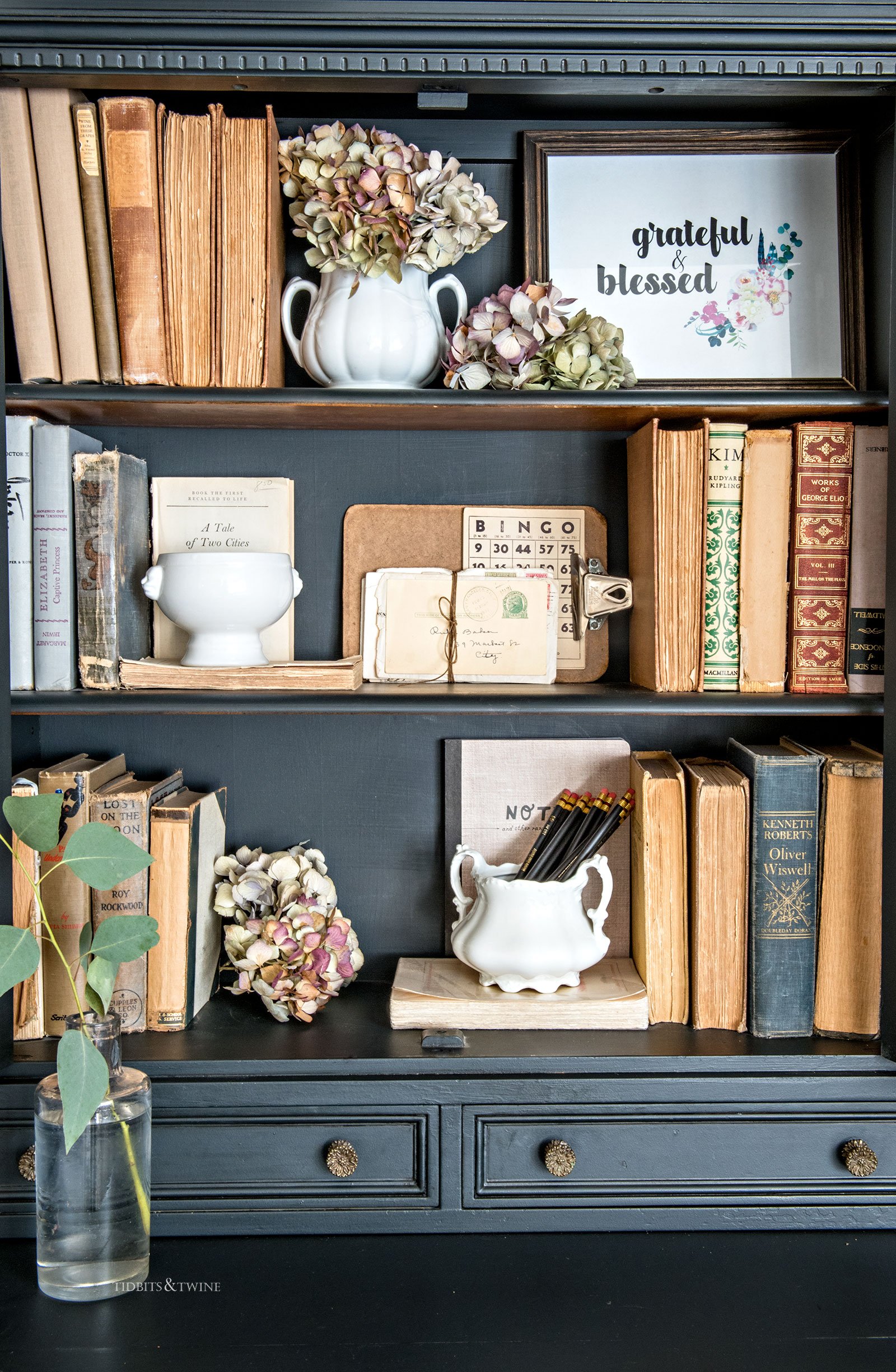
One of the easiest ways to make a bookcase look styled instead of stiff is to mix vertical and horizontal arrangements.
Most books naturally stand upright, which creates structure on the shelf. But if every book is displayed the same way, the arrangement can start to feel rigid and repetitive.
That’s where horizontal stacks come in. Stacking a few books flat breaks up the vertical lines and adds visual variety to the shelf. It also creates a small platform where you can place another object, such as a decorative box, bowl, or small sculpture.
Horizontal stacks can also serve a practical purpose. A stack of books can act as a bookend for books displayed vertically, helping hold them in place while adding height and interest.
If you enjoy the look of decorative book pages, you can even turn a few books so the deckled edges face outward, which adds subtle texture and variation to the shelf.
Layer Objects from Front to Back
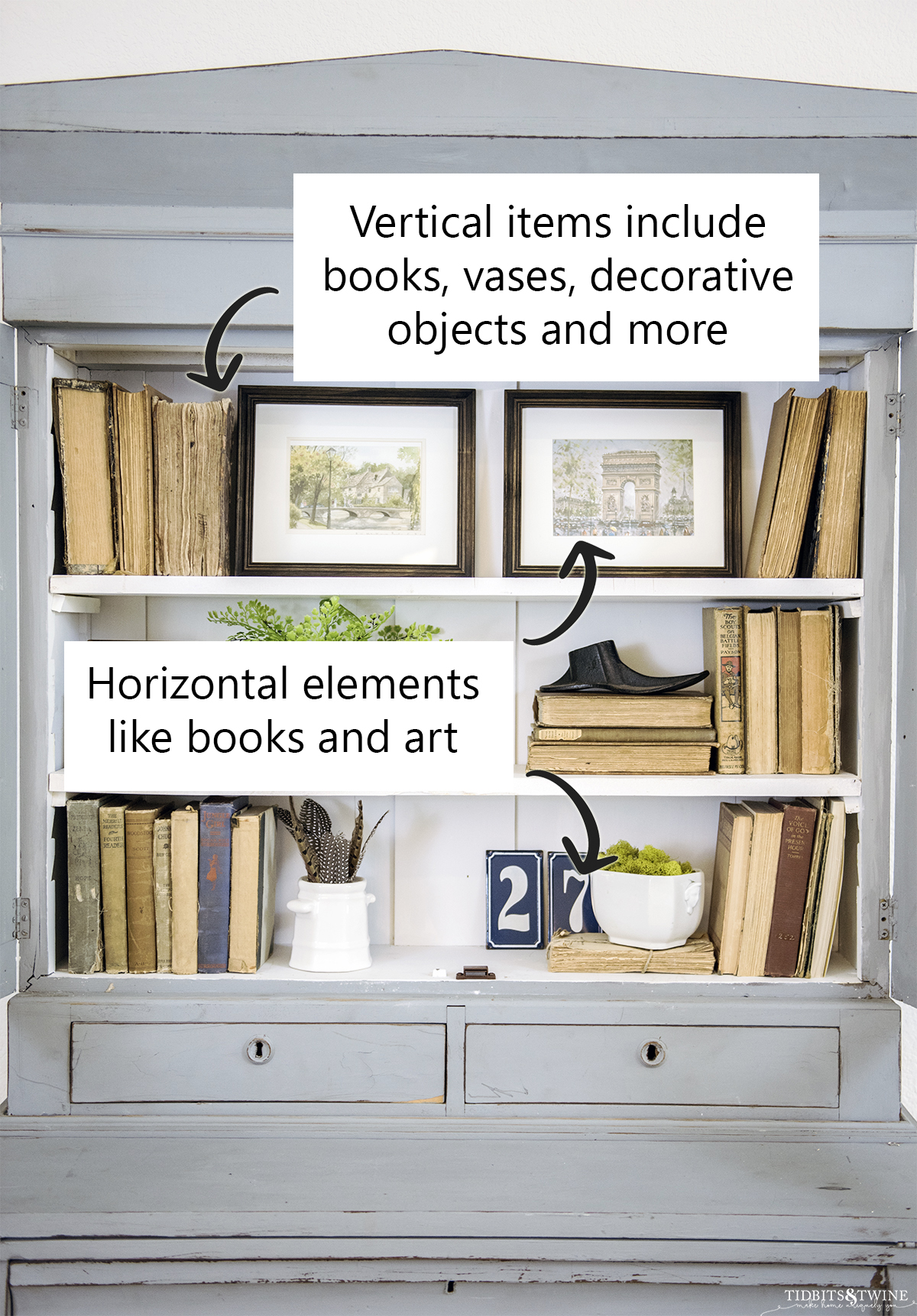
Another trick designers use when decorating a bookcase is layering objects from front to back so you use the full depth of the shelf.
If everything sits in a straight row along the front edge, the shelves can feel flat and one-dimensional. But when items overlap slightly, the display begins to feel more natural and visually interesting.
A simple way to create layers is to place larger pieces toward the back of the shelf, such as framed art, vases, or greenery. Then position smaller items slightly in front of them. Books stacked horizontally can also act as a base that allows another object to sit partially in front of the stack.
Using objects of varying heights also adds interest and dimension, helping the arrangement feel balanced rather than uniform.
You don’t need to layer every item on every shelf, but adding a few layered groupings throughout the bookcase creates depth and makes the shelves feel styled instead of flat.
Group Objects Together
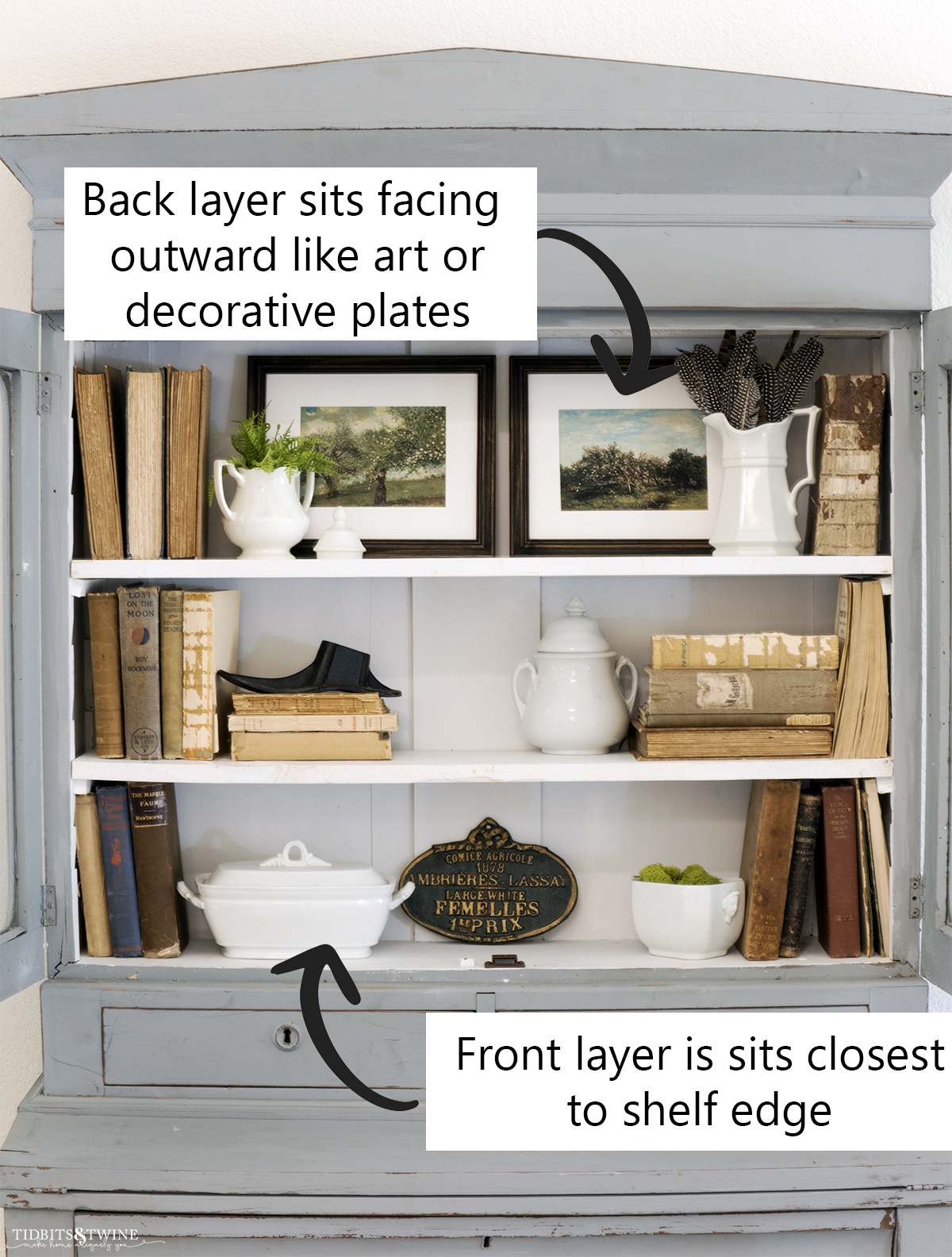
When decorating a bookcase, it’s tempting to organize items by type. You might place all the books on one shelf, all the picture frames on another, and decorative objects somewhere else.
But shelves usually look more interesting when different types of items are mixed together.
Instead of separating everything, try combining books and decorative pieces within the same area of the shelf. For example, a small grouping might include a stack of books, a framed photo leaning behind it, and a small decorative object placed nearby.
These small clusters help create balanced groupings that feel intentional rather than scattered.
Mixing books and decor also keeps the entire bookcase from feeling too predictable. The eye naturally moves from one grouping to another, which makes the display feel layered and visually engaging.
Add Something Organic
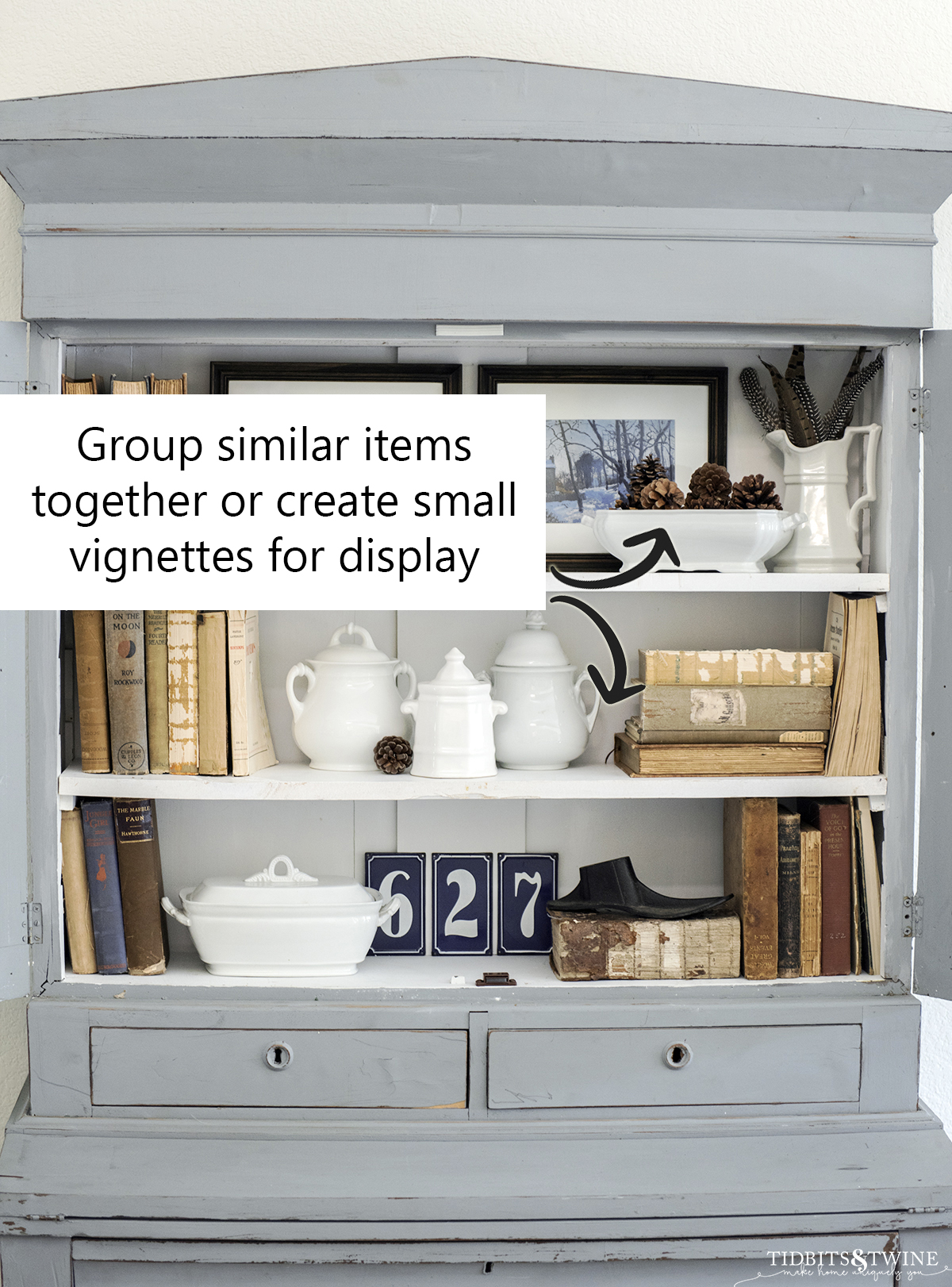
One of the easiest ways to soften a bookcase is to include something organic on the shelves.
Books, frames, and decorative objects tend to have strong lines and structured shapes. Adding something natural, such as a small plant, greenery, or dried arrangement, introduces organic shapes and texture that help break up the display.
These elements also work well layered among books and objects. A small plant beside a stack of books or a simple arrangement placed behind a decorative piece can bring life to the shelf without overwhelming it.
This is also a great opportunity to use an interesting vessel. A plant or arrangement displayed in a unique bowl or pot adds two layers of interest at once. For example, preserved moss in an antique ironstone bowl or a small plant in a vintage container.
If natural light is limited, faux greenery can work just as well, especially when used sparingly throughout the bookcase.
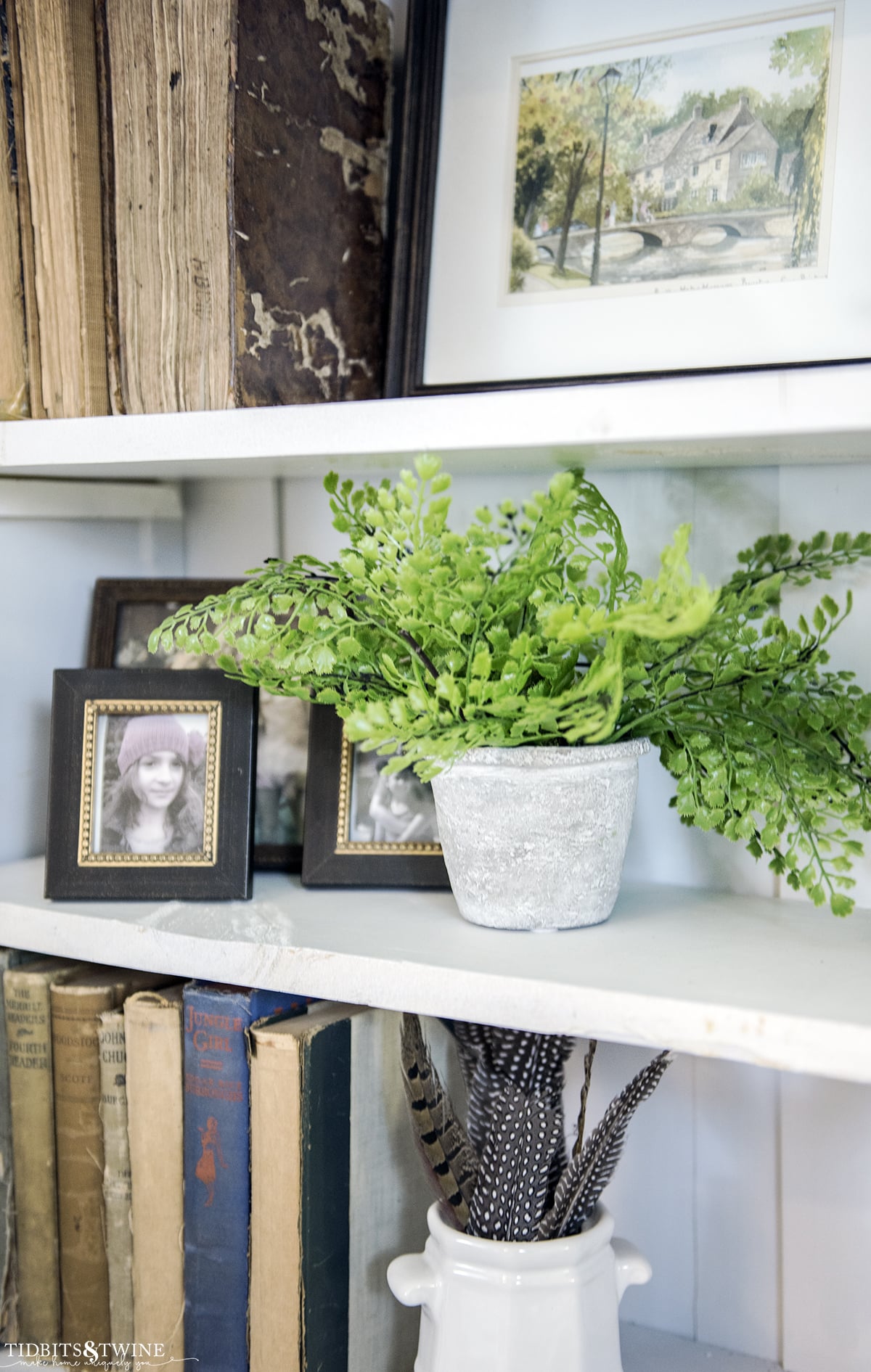
Balance Visual Weight
When decorating a bookcase, it helps to step back occasionally and look at the shelves as a whole. Instead of focusing on one shelf at a time, pay attention to how the entire bookcase feels from side to side and from top to bottom.
If several large objects end up on one side while smaller pieces are clustered on the other, the arrangement can feel slightly off. Spreading different sizes and shapes throughout the shelves helps create a display that feels balanced and comfortable to look at.
The placement of larger objects can also depend on the height of your bookcase and the ceiling in the room. In spaces with very tall bookcases or vaulted ceilings, placing larger pieces on the upper shelves helps them remain visible from across the room.
In rooms with standard ceiling heights, however, larger objects usually work better toward the lower shelves, while lighter or smaller pieces sit higher up. This prevents the top of the bookcase from feeling too heavy.
Sometimes the easiest way to judge balance is simply to step back and view the entire bookcase from across the room, then adjust a few pieces until the shelves feel visually even.

Tip: If your bookcase has glass doors with frames, keep those in mind when arranging objects. The vertical frames can block the center of each shelf when the doors are closed, so placing key items slightly toward the sides often helps the display remain visible.
Leave Breathing Room
When decorating a bookcase, it can be tempting to fill every inch of space with books or decorative objects. But shelves often look better when not every area is completely full.
Leaving a little open space allows the eye to rest and helps the individual objects stand out. When every shelf is packed tightly with items, it becomes harder to notice the pieces themselves and the entire bookcase can start to feel cluttered.
Instead, think of the empty space as part of the design. A few areas where the back of the shelf is visible can actually make the arrangement feel lighter and more intentional.
This doesn’t mean shelves should feel sparse or unfinished. The goal is simply to balance full areas with open areas so the bookcase feels comfortable and easy to look at.
If a shelf starts to feel crowded, try removing one or two pieces and stepping back again. Often editing just a few items can make the entire bookcase look better.
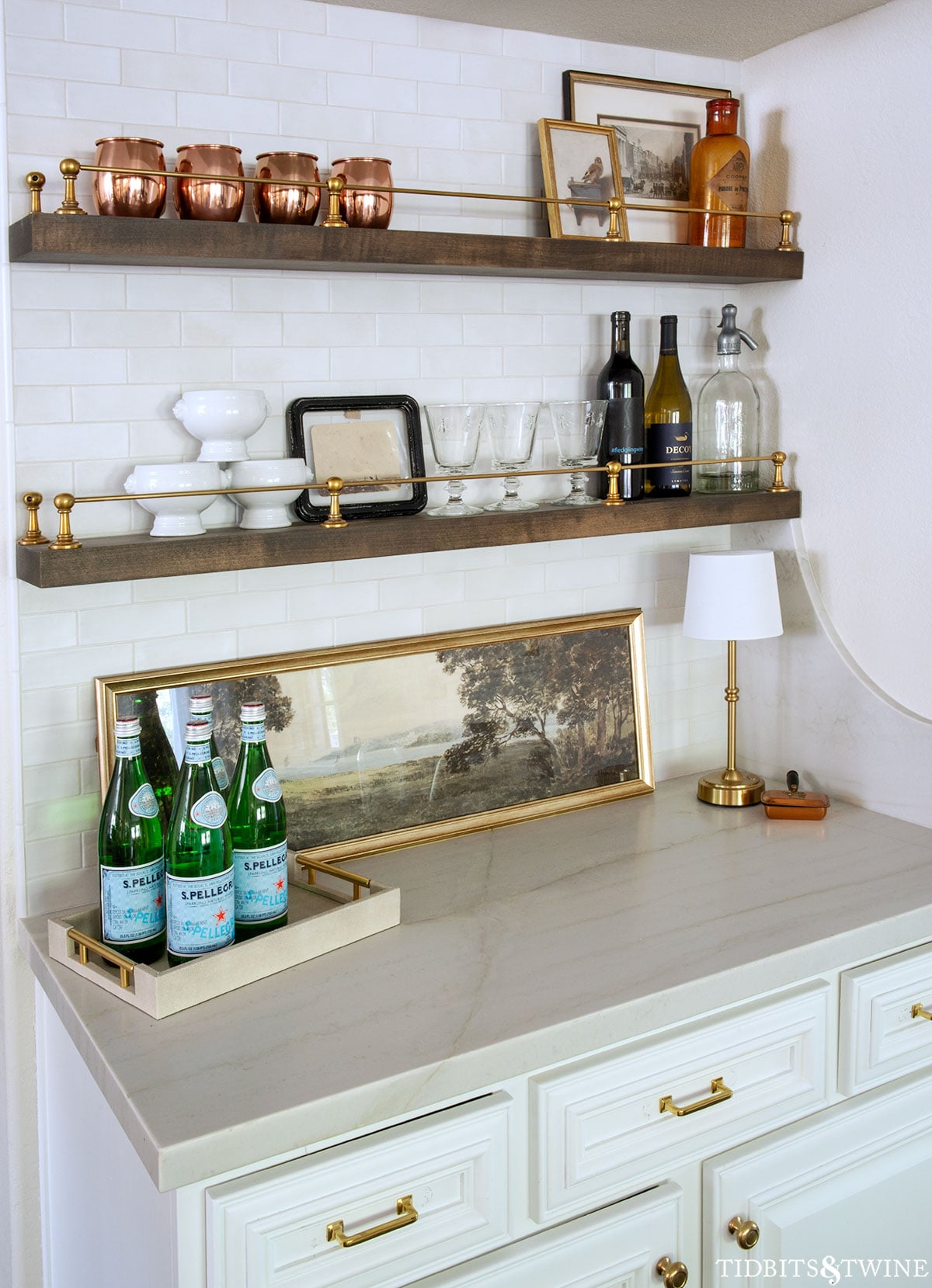
Use Decorative Storage
Decorative storage can be both practical and beautiful when decorating a bookcase.
Instead of leaving everyday items sitting out on the shelves, consider using baskets, decorative boxes, or small containers to keep things organized. These pieces add texture and interest while also hiding items that might otherwise make the shelves feel cluttered.
A woven basket, a lidded box, or a vintage container can provide a place to store small items while still contributing to the overall look of the bookcase.
Decorative storage also helps break up rows of books and objects by introducing different shapes and materials, which adds variety to the shelves.
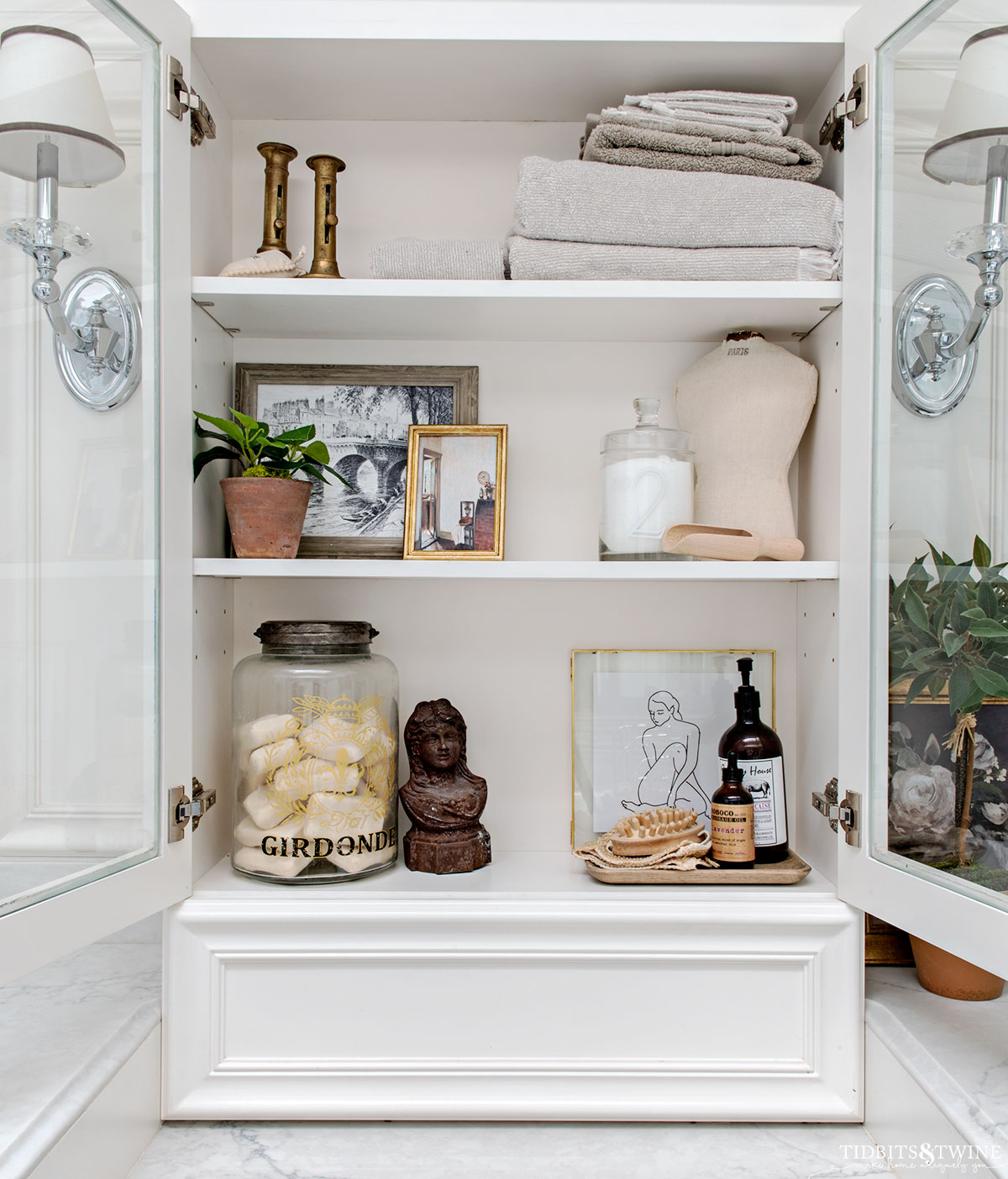
Repeat Colors from the Room
A bookcase usually looks best when it feels connected to the rest of the room rather than standing apart from it.
One simple way to achieve this is by repeating colors that already exist in the space. When objects on the shelves pick up colors used elsewhere in the room—such as in pillows, artwork, or furniture—the bookcase naturally feels like part of the overall design.
You don’t need to match everything exactly. Instead, think about small accents of color repeated throughout the shelves. A blue book, a green plant, or a brass object can subtly echo colors that appear elsewhere in the room.
These repeated touches help guide the eye across the bookcase and make the arrangement feel cohesive rather than random.
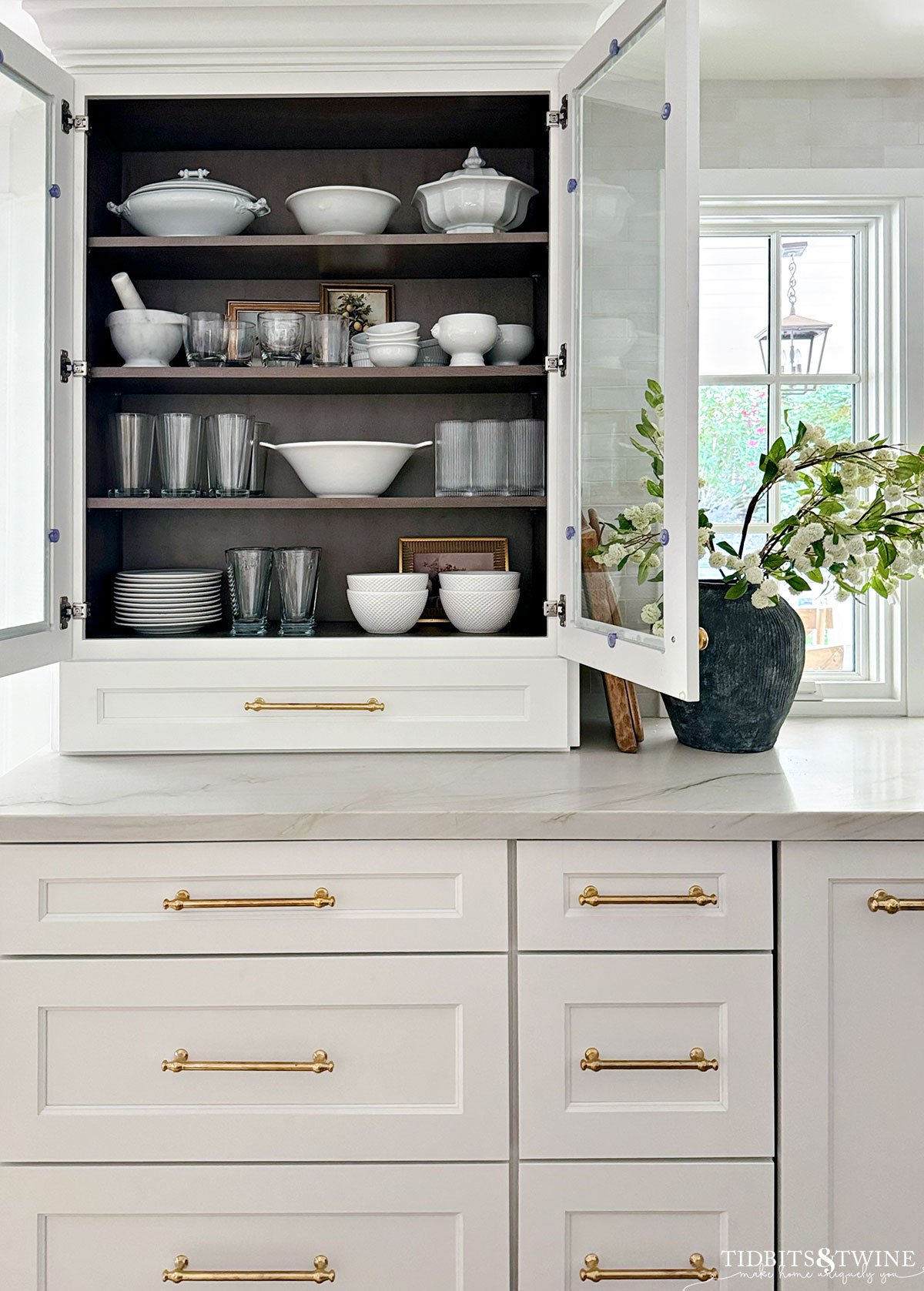
Edit Until It Feels Balanced
Decorating a bookcase rarely happens perfectly on the first try. Even when you follow good guidelines, shelves often need a little adjusting before they feel just right.
After arranging your books and objects, step back and look at the entire bookcase from across the room. This makes it easier to notice areas that feel too crowded, too heavy, or slightly out of balance.
Sometimes the best solution is simply removing one or two items. Taking away a small object or shifting a piece to another shelf can quickly improve the overall arrangement.
This is also where personal preference comes in. Styling shelves is partly about balance and proportion, but it’s also about creating a display that feels comfortable and natural in your home.
Don’t be afraid to experiment a little. Rearranging a few objects or swapping pieces from time to time can keep the shelves feeling fresh.
Common Bookcase Decorating Mistakes
Even with the best intentions, a few common habits can make a bookcase feel cluttered or awkward. If your shelves don’t look quite right, one of these issues might be the reason.
Filling Every Inch of Space
One of the most common mistakes when decorating a bookcase is trying to use every inch of shelf space. When shelves are completely full, it becomes difficult for individual objects to stand out.
Leaving a little open space allows the eye to rest and helps the pieces you’ve chosen become more noticeable. Not every part of the shelf needs something on it.
Using Too Many Small Objects
Small decorative pieces can add interest, but too many of them can quickly make a shelf feel busy.
Instead of scattering lots of tiny objects across the shelves, try using a few larger pieces mixed with smaller accents. This creates stronger visual structure and keeps the display from feeling cluttered.
Keeping Everything the Same Height
Shelves where every object is roughly the same height can feel flat and uninteresting.
Varying heights—using taller items like framed art or vases alongside shorter objects—adds dimension and helps create a more dynamic display.
Separating Books and Decor
Another common mistake is organizing items by category, such as putting all the books on one shelf and all decorative objects on another.
Shelves usually look more natural when books and decorative pieces are mixed together in small groupings.
Ignoring the Room’s Color Palette
If the objects on the shelves don’t relate to the colors used elsewhere in the room, the bookcase can feel disconnected from the space.
Repeating colors that already appear in the room—through books, artwork, plants, or decorative objects—helps the bookcase feel like part of the overall design.
Final Thoughts on How to Decorate a Bookcase
Decorating a bookcase doesn’t require a complicated formula, but it does help to keep a few simple principles in mind. Mixing books with decorative objects, layering items for depth, and leaving a little breathing room can quickly make shelves feel more balanced and visually interesting.
It also helps to remember that shelves don’t have to stay the same forever. One of the things I enjoy most about decorating shelves is that they’re easy to refresh from time to time. Moving a few pieces around or swapping in something new can give the entire bookcase a slightly different look.
Over time, those small changes help create shelves that feel personal, layered, and naturally collected rather than perfectly arranged all at once.
More Decorating Tips:
- 28 {Best} Ideas for Decorating Above the Bed
- 9 Decorating Ideas for the Foot of the Bed
- Small Moments – The Art of Creating Vignettes
- Make a Big Impact with Small Art {Plus FREE Artwork!}
- 28 Creative Decorating Ideas for Tall Walls
- Decorating with Baskets {18 Everyday Ideas}

Or, you fill it with books. :)
That’s an interesting breakdown and I learned a lot! Thanks for posting your tips and I’ve got this linked to my DIY bookshelves post too today, for inspiration!
Hi Heather – I’m so glad that you found this post useful and thank you for including it in your roundup!