



I previously shared a post about how opposites attract in the design world, but today I want to focus on one pairing that I really love—and one I use in my own home: rustic and refined.
A room that’s filled only with refined pieces can sometimes feel a little too formal. While beautiful, it’s hard to truly relax or settle in if you’re worried about messing things up or getting something dirty.
On the flip side, if everything is rustic, the space can start to feel a bit unfinished. And while that raw simplicity can be pretty in its own right, unless your style leans heavily farmhouse or country, an all-rustic look can come across as a little rough around the edges.
But when you bring the two together? That’s when a room really starts to feel cozy, beautiful, and layered.
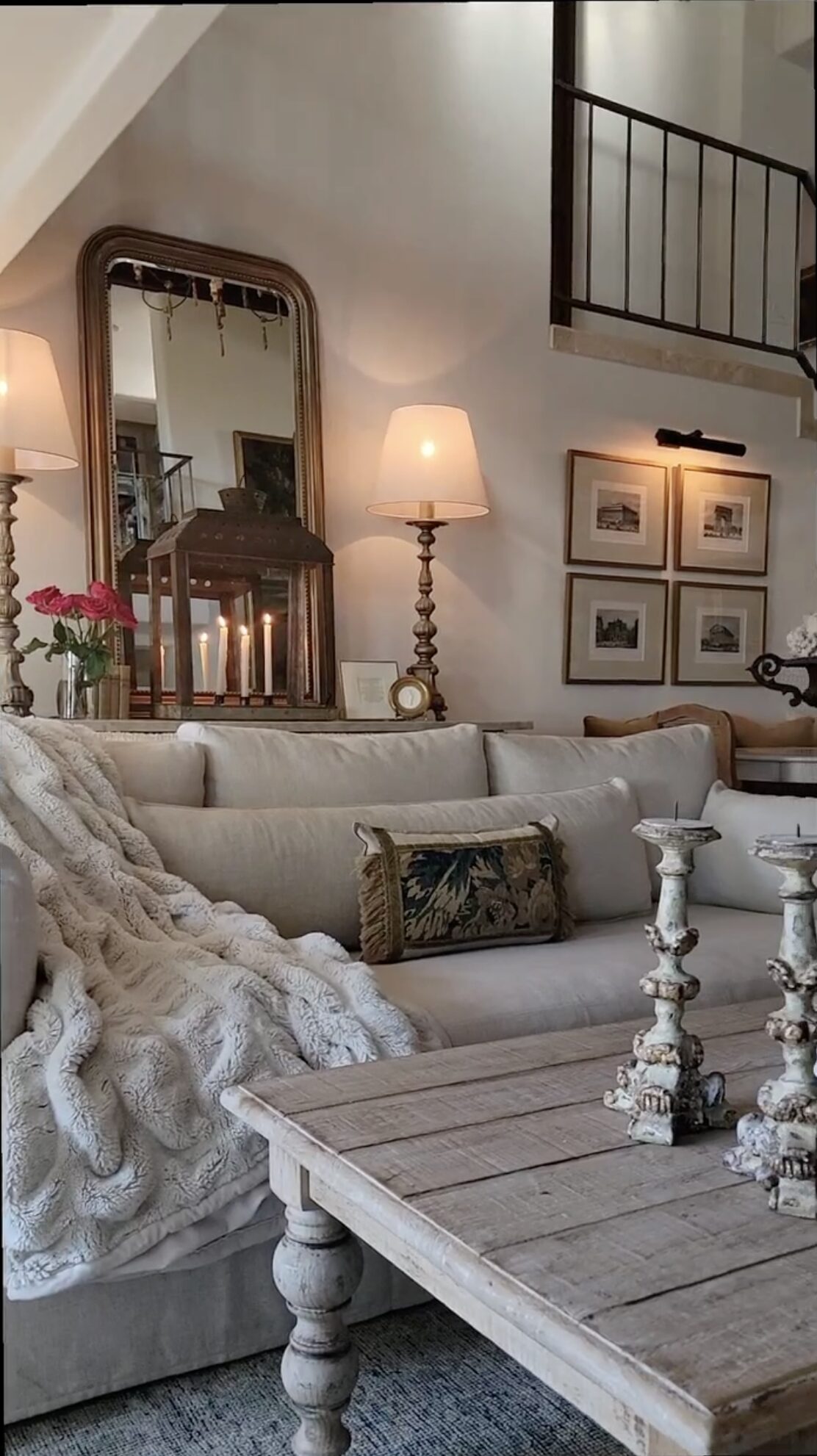
In truth, this is one of the reasons I love antiques so much! They almost always bring that rustic quality—worn finishes, chips, patina—that pairs so beautifully with more refined elements. For me, mixing the two isn’t just a style, it’s part of what makes decorating with antiques so rewarding.
In this post, I’ll share what makes rustic and refined such a perfect match, tips for combining them in your own home, real-life examples of how they work together, and a few common mistakes to avoid so you can confidently use this timeless mix.
What Is Rustic? What Is Refined?
When I say “rustic,” I’m talking about anything with age, texture, or a bit of imperfection: chippy paint, weathered wood, rusty metal, earthy finishes, or a crackled glaze. These are the pieces that bring character and soul to a room.
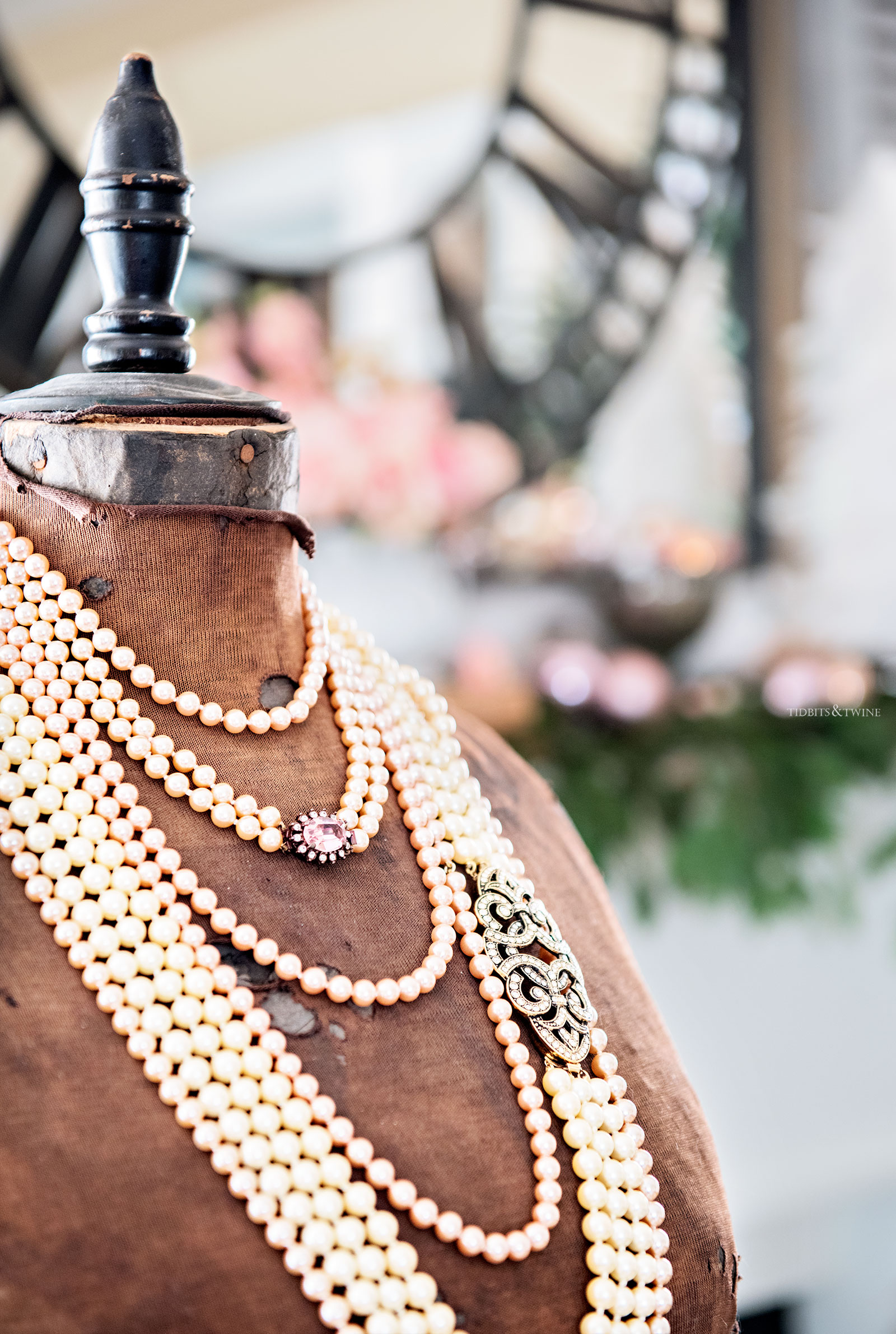
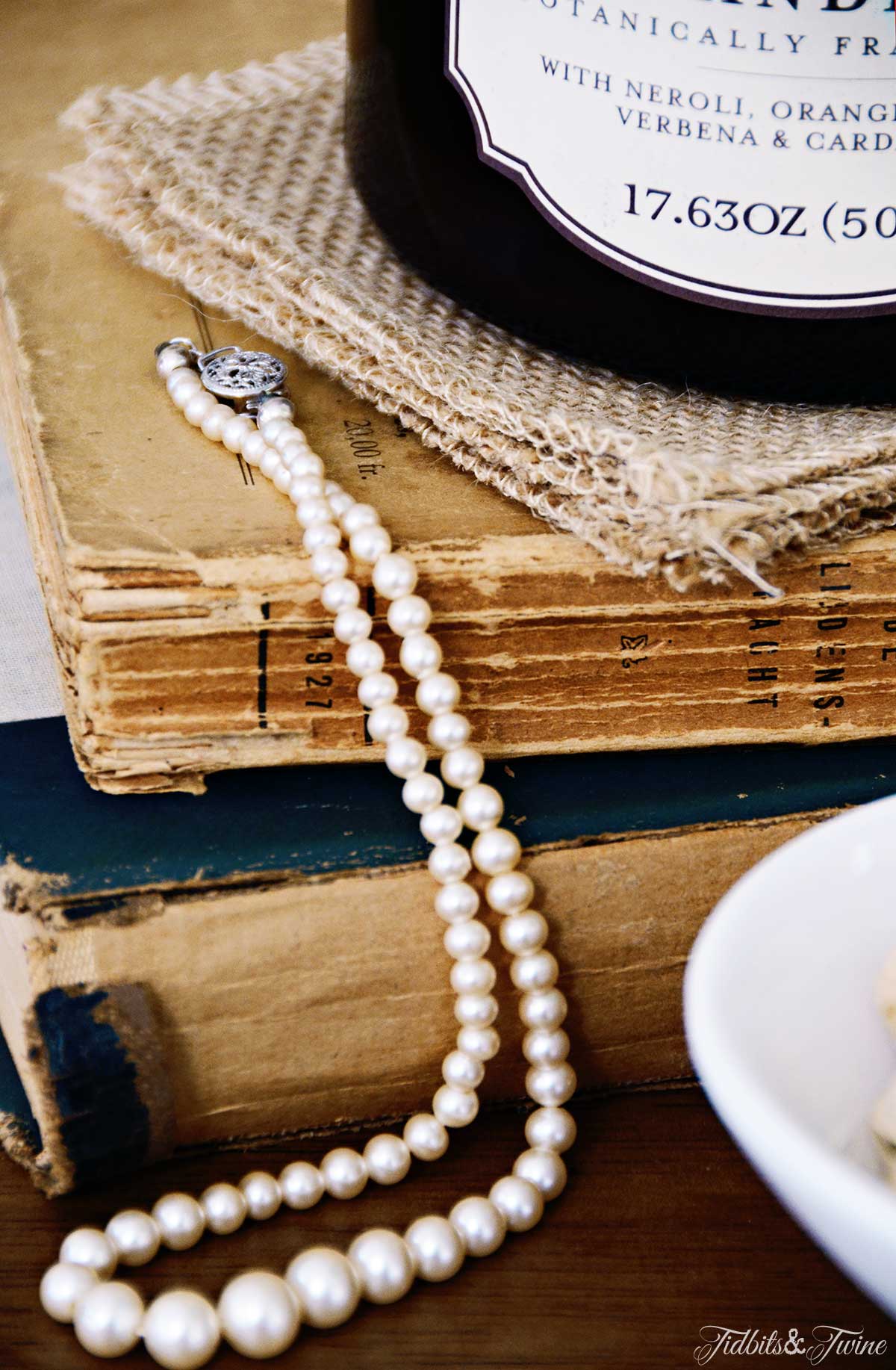
“Refined,” on the other hand, is all about polish and elegance—crystal, silver, china, pearls, marble, or anything with a sense of delicacy and grace. These are the details that add sophistication and beauty.
Put the two together and you get a timeless mix of layered beauty.
- A stack of deckled edge books next to a crystal vase
- A worn industrial dress form draped in delicate pearls
- A rustic wood bench beneath an ornate gilt mirror
It’s this kind of pairing—patina beside polish, grit beside grace—that creates a look that feels layered, unexpected, and timeless.
Why Rustic and Refined Work So Well Together
There are a few key reasons this mix works so beautifully—and why it’s one of my favorite design pairings.
Opposites Attract
When you mix things that are different from one another, they actually help each other shine. For example:
- A rough, weathered wood table looks even more charming when paired with a delicate crystal vase.
- A glamorous gold mirror feels less formal when it hangs above a rustic stone fireplace.
Instead of everything blending together and feeling flat, the differences play off one another so the room feels more dynamic and interesting.
Depth and Interest
It’s the balance of rough and polished that makes a room come alive. Together, they add the depth and dimension that neither style could achieve on its own.
Tell a Story
Each piece has its own background, whether it’s a sleek new find or a timeworn treasure.When you combine them, the room gains character and starts to feel collected rather than staged. This mix is what makes a home feel personal and inviting, not like something pulled straight from a catalog or showroom floor.
Tips for Mixing Rustic and Refined
When you’re ready to try this mix in your own home, these are my go-to tips that make it work every time.
Pick a Leading Role
Decide whether your room will lean more rustic or more refined. Let that style set the tone, and then bring in the opposite as an accent.
- A rustic dining room feels elevated with a crystal chandelier.
- An elegant living room feels more approachable with a reclaimed wood coffee table.
Pair Opposites Together
Don’t be afraid to put the extremes side by side! For example:
- Rustic farmhouse table + upholstered dining chairs
- Slipcovered linen sofa + ornate gilt mirror
- Weathered beams + sparkling chandelier
Stick to a Shared Color Story
Even when mixing different styles, a cohesive color palette makes the look feel intentional. Neutrals, soft whites, warm wood tones, or touches of black are easy ways to bridge rustic and refined.
If you’re unsure how to balance colors, the 60-30-10 color rule is a simple formula that always works.
Layer Textures
Texture is the glue that ties the look together. Try mixing:
- Velvet and linen
- Brass and stone
- Smooth finishes next to rough ones
Balance Scale
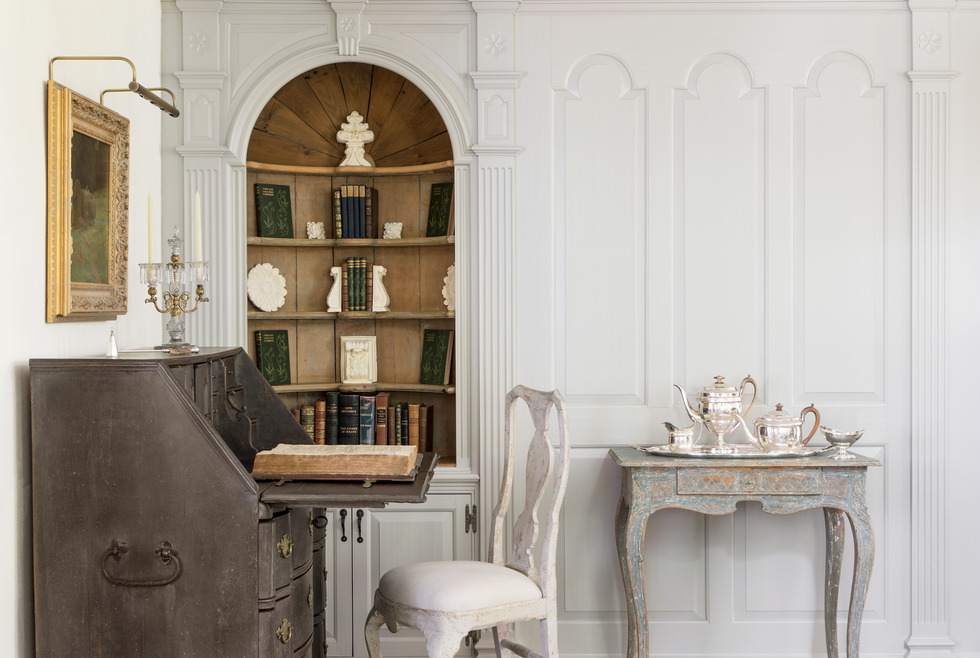
Chunky rustic furniture shines when paired with something lighter and more delicate. Likewise, a refined piece feels grounded when it’s next to something substantial.
Repeat Elements
Sprinkle touches of both rustic and refined throughout the room so nothing feels random. A little wood here, a little sparkle there—the repetition ties it all together.

Real-Life Pairings for Inspiration
Sometimes it helps to see exactly how rustic and refined can play together. Here are a few favorite combinations:
Rustic beams + sparkling chandelier
Exposed wood ceilings add weight and texture, while a crystal chandelier softens the look with refinement.
Weathered wood console + marble lamp
The rustic character of a timeworn console is elevated by the clean, polished lines of a marble lamp.
Iron urns + delicate florals
Aged metal containers feel instantly refined when filled with soft blooms.
Slipcovered linen sofa + ornate gilt mirror
The casual feel of a linen slipcover keeps the room approachable, while the mirror brings in elegance and history.
These kinds of pairings show that opposites don’t clash—they complement each other and create a layered, timeless look.
Mistakes to Avoid
Even though rustic and refined are a natural match, there are a few pitfalls that can throw off the balance if you’re not careful.
Going 50/50
Splitting the room evenly between rustic and refined can feel chaotic. Instead, let one style lead and use the other as support.
Forgetting Repetition
A single rustic piece in an otherwise refined room (or vice versa) can look out of place. Repeating elements—like a touch of wood in more than one spot or a hint of crystal in multiple areas—helps the mix feel intentional.
Ignoring Function
Rustic pieces are often sturdier and better for everyday use, while refined pieces shine as accents. Think about how you’ll use the space before deciding which style should take center stage.
FAQ
Yes! Whether it’s a living room, bedroom, kitchen, or even a bathroom, this mix works anywhere. The key is to adjust the balance depending on how formal or casual you want the space to feel.
Neutral palettes—whites, creams, beiges, soft grays—are the easiest foundation, with wood tones and black accents to tie things together. But really, as long as your colors are cohesive, you can make almost any palette work.
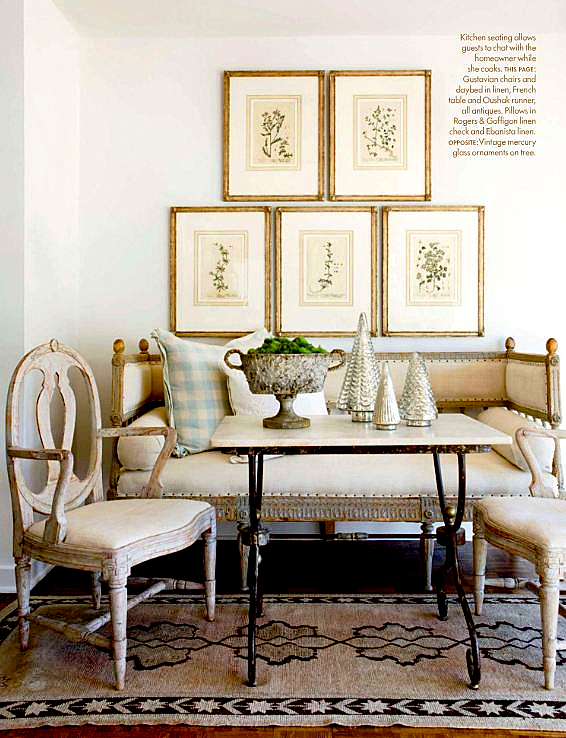
Absolutely. A French chair with graceful carved details feels refined, but if the paint is chipped or the finish worn, it also brings in rustic charm. Those “in-between” pieces are often the best finds because they tell two stories at once.
No—opposites in general often work beautifully in design. Light and dark, rough and smooth, masculine and feminine… all of these contrasts can create balance and interest. You can read more about these pairings in my post Decorating Details: When Opposites Attract.
Final Thoughts
Mixing rustic and refined isn’t about following strict rules—it’s about creating balance, depth, and a home that feels uniquely you. The polish of the refined and the soul of the rustic bring out the best in each other, and together, they create spaces that feel cozy, layered, and timeless.
Antiques are one of my favorite ways to achieve this look because they often carry both qualities at once—refined craftsmanship paired with the rustic charm of age and patina. Whether it’s a gilded mirror with a worn frame or a graceful chair with chipped paint, antiques naturally bridge the gap between polish and imperfection, making them the perfect partner in this design mix.

DECORATING MADE EASY
Get my free 5-day decorating course and learn how to define your style, make better decisions, and create a home that feels like you.
After the course, you’ll receive my latest decorating tips, antique finds, and new posts.