


Decorating a home is about so much more than picking out the basic furniture pieces and calling it a day. You can have all the right pieces in a room—the sofa, the rug, the coffee table—and still feel like something’s missing.
I see this all the time.
In fact, I have a friend whose home has everything it needs on paper. The furniture is there, the layout works, and nothing is technically wrong. But when you walk in, it feels more like a furniture store than a place someone actually lives.
There’s no personality. No layers. Nothing that tells you anything about the person who lives there.
Decorating a home is about telling a story that is unique to you and your family, and creating a space that works for the way you actually live.
And that story shows up in the details.
Accessories are the layer that most people skip, underestimate, or don’t know how to use. But they’re also the layer that changes everything.
And when it comes to using them well, it really comes down to two things: what you choose and how you style it.
In this post, I’ll walk you through both so you can start using accessories in a way that makes your home feel finished, personal, and like you actually live there.
Your home is more than the place you live, it’s your story.
-Kim, tidbits&twine
Why Accessories Go Wrong
If accessories feel frustrating, it’s usually not because you picked the wrong pieces.
It’s because of how they’re used.
Most people either stop at furniture and never add that final layer…or they start adding things without a clear plan and end up with a surface that feels scattered instead of styled.
Accessories tend to go wrong when there’s no focal point, too many small items, or everything is spread out instead of grouped together.
It can also happen when everything is too similar—same material, same height, same tone—so nothing stands out and your eye just moves past it.
And sometimes, it’s simply that nothing feels personal. The space looks nice, but it doesn’t say anything about the person who lives there.
The good news is, this is all fixable. Once you understand what to look for, small changes can make a big difference.
1. Create Depth with Layers
This is where accessories start to change everything.
If you place a few items on a surface and line them up side by side, it can feel a little stiff—like everything is just sitting there.
But when you start layering pieces together, the whole space feels more interesting and lived in.
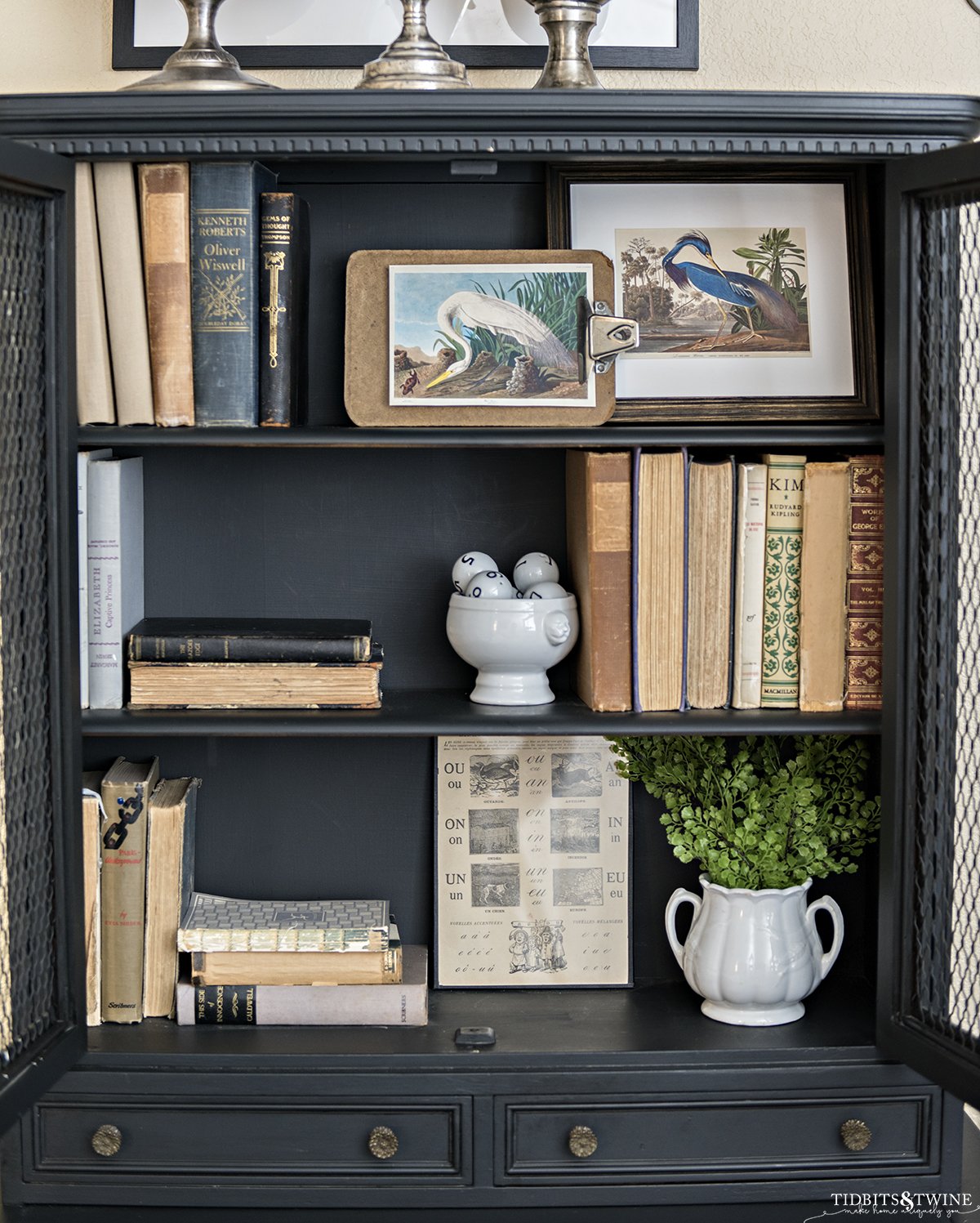
Instead of thinking about individual objects, think in terms of a small grouping (often called a vignette). Start with one larger piece to anchor the arrangement, then build around it with smaller items.
Place taller pieces toward the back and shorter ones in front, letting them overlap slightly so your eye moves through the arrangement instead of stopping at one point. Varying the height and depth is what gives it that collected look.
You can also skip the single focal point and group several smaller items together to create one moment.
The goal isn’t to fill space—it’s to create a sense of depth so everything doesn’t feel like it’s sitting at the same level.

If layering doesn’t come naturally yet, I walk through it step-by-step in more detail in my post on The Art of Layering—it’s one of those skills that completely changes how your home looks once it clicks.
2. Add Something Organic
One of the easiest ways to shift a space from feeling put together to actually feeling lived in is to bring in something organic.
When everything in a room is furniture and decor, it can start to feel a little too controlled. A little too perfect.
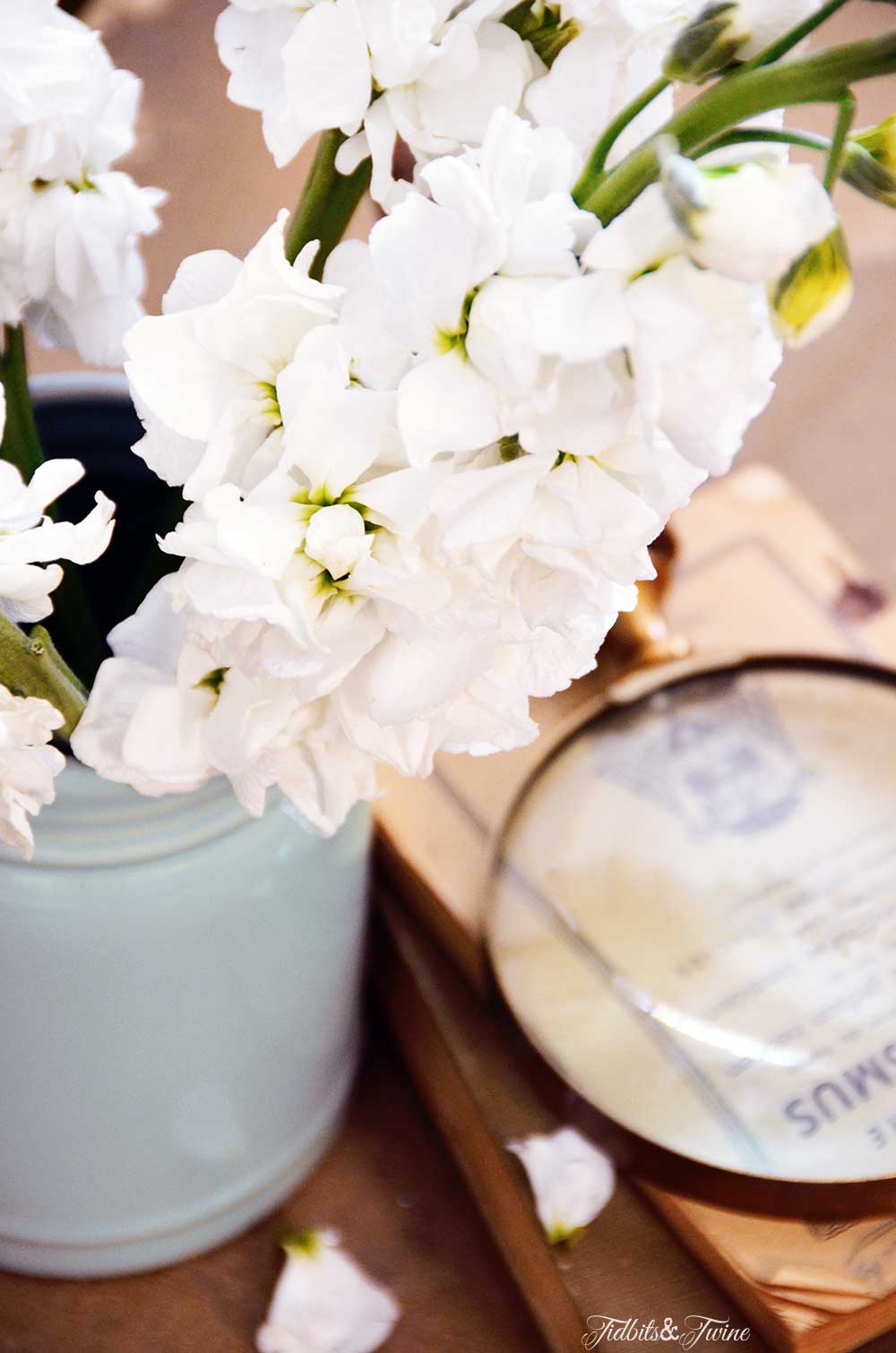
Adding something natural—flowers, greenery, branches, or even materials like wood, stone, or shells—breaks that up. It introduces variation that you just can’t get from manufactured pieces.
It also softens the overall look. Hard edges feel less rigid. Arrangements feel more relaxed. The space starts to feel like it’s been lived in, not just styled.
And that’s usually the difference people are noticing when they say a home feels warm and inviting.
3. Get the Proportion Right
This is one of those things people notice immediately—even if they can’t explain why.
When something is too small or too large for the space, it throws everything off.
A tiny object sitting alone on a large mantel feels lost. An oversized piece crammed into a small space feels overwhelming. Neither one works, even if the piece itself is beautiful.
Accessories should relate to the surface they’re on and the space around them. Not perfectly matched—but balanced enough that nothing feels out of place.
In general, it’s better to go slightly larger than too small. Smaller pieces tend to look scattered unless they’re grouped together, while a larger piece helps anchor the space and gives your eye somewhere to land.
Styling Tip: If a piece looks out of place, try swapping it for a different size or grouping it with others. Size is often the issue—not the item itself.
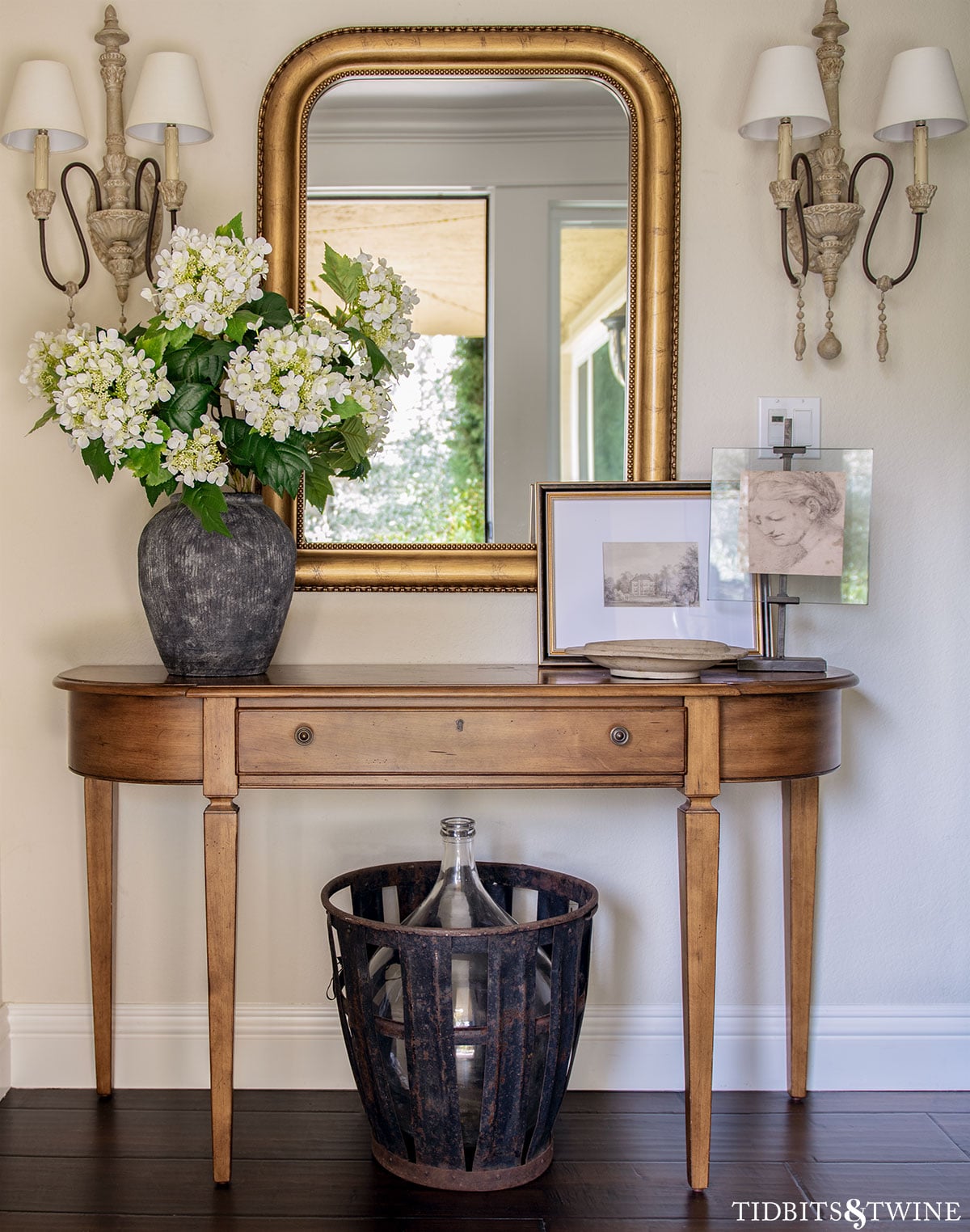
4. Mix Materials and Finishes
This is where a space starts to feel interesting instead of predictable.
If everything on a surface is the same material or finish—wood on wood, all glass, all metal—it can start to blend together. Nothing stands out, and your eye just moves past it.
But when you mix materials, everything feels more layered.
Try pairing something smooth with something textured, or something polished with something worn. A silver pitcher on a rough runner. A bouquet of flowers in a weathered vase. Those contrasts are what bring a vignette to life.
It also helps your eye move naturally through the arrangement instead of stopping in one place.
And don’t forget—artwork counts as part of the arrangement, too. The frame, the color, the scale…all of it plays into how the pieces below it feel.
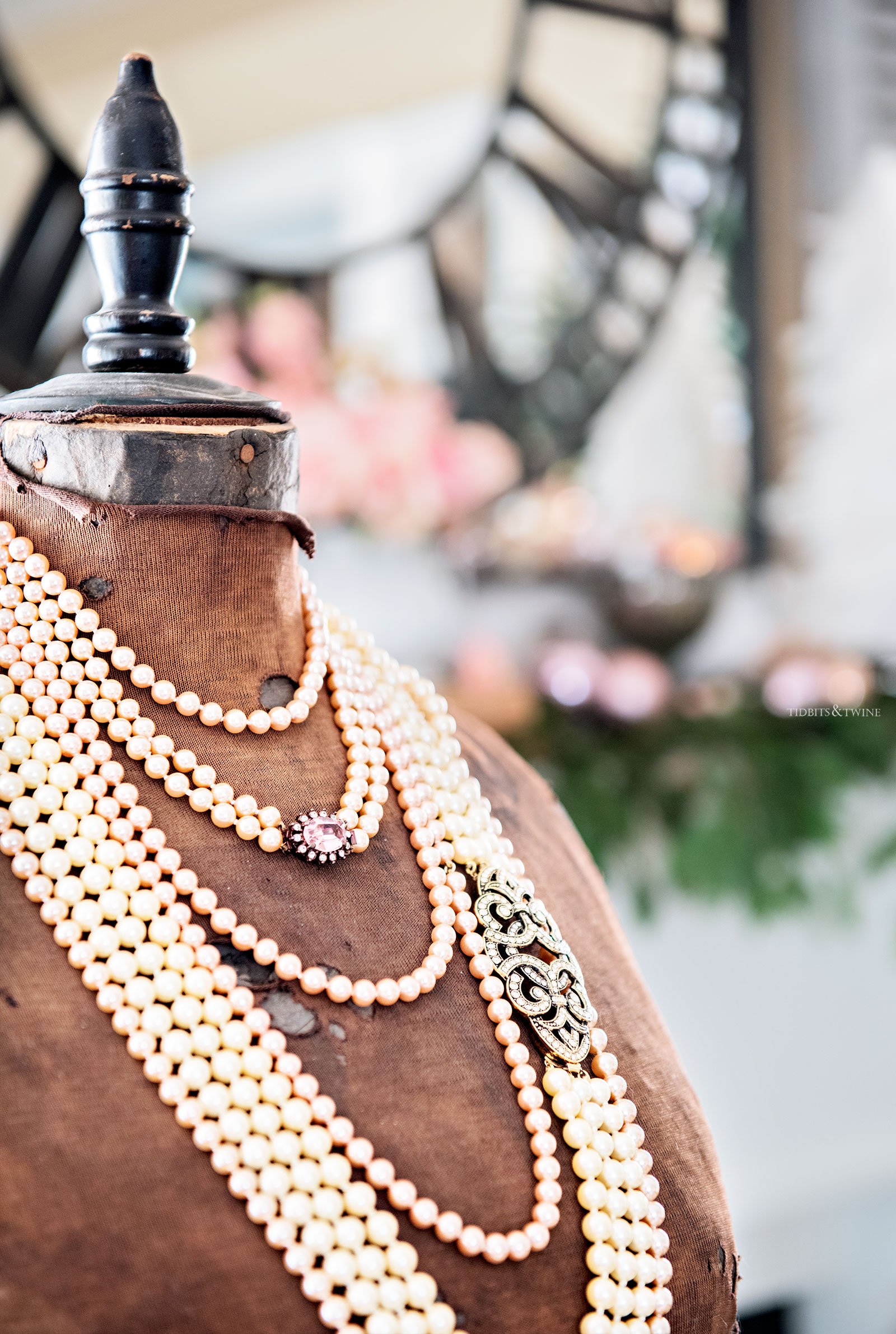
5. Use Symmetry or Asymmetry—Both Work
There’s no one “right” way to arrange accessories. Some people naturally lean toward symmetry, while others prefer a more relaxed, asymmetrical look.
A symmetrical arrangement feels more structured and traditional. You’ll often see a mirror or artwork centered, with matching pieces on either side—like candlesticks or topiaries. It’s simple, balanced, and easy to get right.
If you want it to feel a little less formal, you can soften the look by adding one smaller, slightly different piece to each side so it doesn’t feel too exact.
An asymmetrical arrangement feels more relaxed and collected. Instead of matching sides, you’re balancing visual weight. A larger piece on one side can be balanced by a grouping of smaller items on the other.
The key with both is balance. Whether the pieces match or not, the overall arrangement should feel steady—not like everything is pulling to one side.
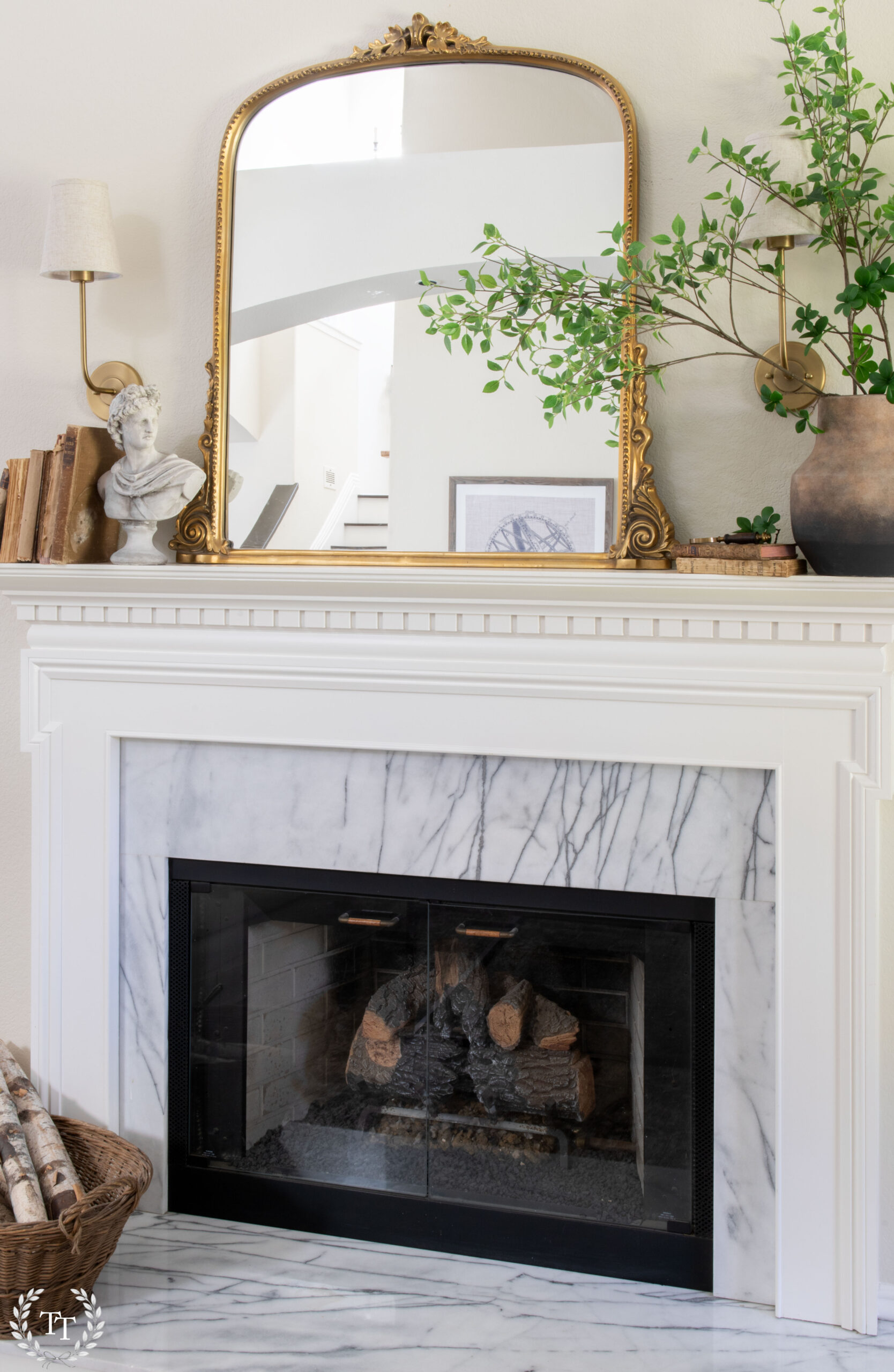
6. Choose Pieces That Feel Personal
This is the layer that makes a home feel like yours.
Accessories shouldn’t just be practical or pretty—they should reflect how you live and what matters to you. They’re what turn a space from something that looks good into something that feels meaningful.
That might be family heirlooms, a collection you’ve built over time, your kids’ creations, or pieces you’ve picked up on trips. Even small things can carry a lot of weight when they mean something to you.
These are the items that make someone pause and look a little closer. They’re what give a space personality and make it feel like it belongs to the people who live there.
And they don’t have to be perfect. In fact, they’re often better when they’re not.
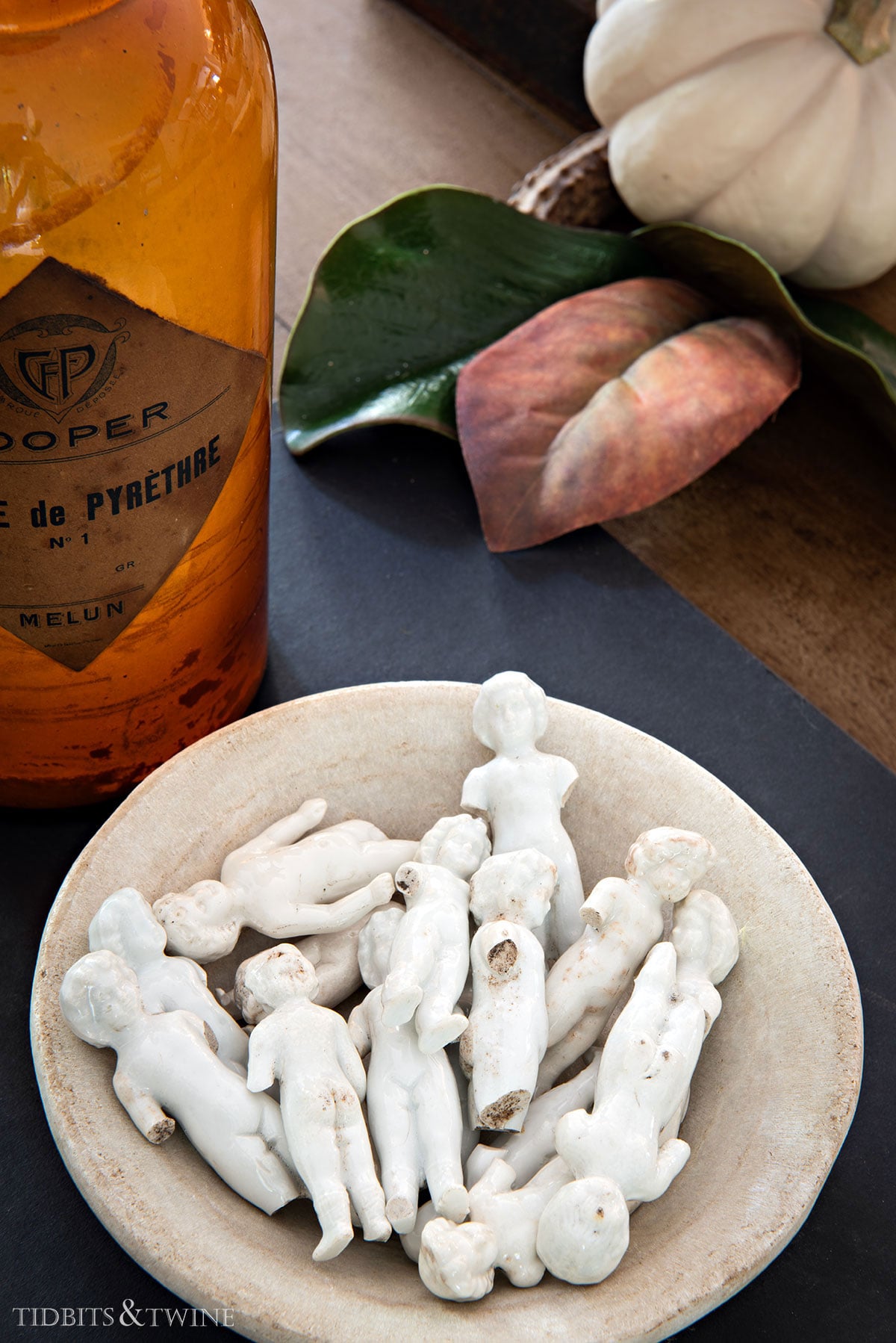
How to Keep It from Looking Cluttered
This is the part that trips people up the most.
Adding accessories makes a space feel more complete—but adding too many, or placing them without intention, can quickly go the other direction.
The easiest way to avoid that is to focus on a few well-placed groupings instead of filling every surface.
Give your accessories a little breathing room so each piece has space to be seen. When everything is packed together or spread out evenly, nothing stands out.
It also helps to mix sizes. Too many small items can feel busy, while a larger piece or two helps anchor the arrangement.
And when something doesn’t look quite right, try removing one item before adding anything new. Editing is just as important as styling.
A home doesn’t feel finished because it has more in it—it feels finished because what’s there is intentional.
Common Accessory Mistakes to Avoid
Even when you have great pieces, a few small choices can make a space feel off.
- Spreading everything out instead of grouping
Items look disconnected instead of intentional. - Using too many small pieces
This creates visual clutter instead of impact. - Skipping contrast
When everything is the same material or tone, nothing stands out. - Ignoring proportion
Pieces that are too small feel lost, while oversized items can overwhelm. - Stopping at furniture
The room technically works—but it doesn’t feel finished.
Final Thoughts – Home Décor Accessories
Decorating with accessories isn’t about adding more.
It’s about choosing pieces that matter and using them in a way that feels intentional.
Once you understand what to use and how to style it, everything starts to come together. Surfaces feel more layered, rooms feel more complete, and your home starts to reflect the people who live there.
In my own home, I’ll often use pieces that hint at how we actually live—like a small stack of books and a magnifying glass on a side table where I sit with my coffee in the mornings. It’s not there for function as much as it is to create a feeling.
That’s what accessories do.
They turn a house into a home.
More Decorating Tips

Kim,
You are vignette-styling royalty in my book. I’ve always enjoyed the accessorizing you do in your home and I always gain inspiration for my home. Thank you.
Karen
Accessories and vignettes are your forte! That’s my favorite part of decorating, and I always love to see what you put together!
Finally, an article explaining exactly why I decorate the way I do. I am saving this. Thanks so much.
So glad you liked the post!
Great ideas. :)
My husband reminds me that little scratches and things that happen to the furniture are part of our story. It makes it a little easier for this perfectionist to live with goofs when I think of it that way.
Great post and such a great reminder to use items in a unique way. Love all of your vignettes.