


Have you ever tried to describe your decorating style and realized you weren’t quite sure what to call it? Maybe you like traditional furniture but also gravitate toward rustic wood, antiques, or modern lighting. The truth is that most homes don’t fit neatly into just one decorating category.
That’s because decorating styles aren’t rigid formulas. Two rooms that are both described as “traditional” can look completely different depending on the materials, colors, and personal touches each homeowner brings to the space.
If you enjoy decorating quizzes, they can be a fun starting point. But another reliable way to identify your style is to look at the patterns in what you naturally choose for your home. The furniture you’re drawn to, the colors you repeat, and the materials you love often reveal your style more clearly than any quiz result.
Once you start recognizing those patterns, identifying your decorating style becomes much easier. In this guide, I’ll show you a simple way to analyze your own home so you can better understand the style that already exists there.
Why Identifying Your Decorating Style Matters
Some people worry that labeling their decorating style will limit their creativity. In reality, understanding your style usually makes decorating easier, not harder.
When you know the general style your home leans toward, it becomes much simpler to choose furniture, artwork, and accessories that work well together. Instead of guessing whether something will fit, you start to recognize which pieces naturally belong in your space.
It also helps explain why certain rooms appeal to you more than others. You may not always notice it at first, but the spaces you’re most drawn to usually share common elements like similar materials, color palettes, or furniture shapes.
Once you start paying attention to those patterns, your decorating style becomes much easier to identify. And from there, decorating decisions tend to feel a lot more intuitive.
Look for Patterns in the Rooms You Already Love
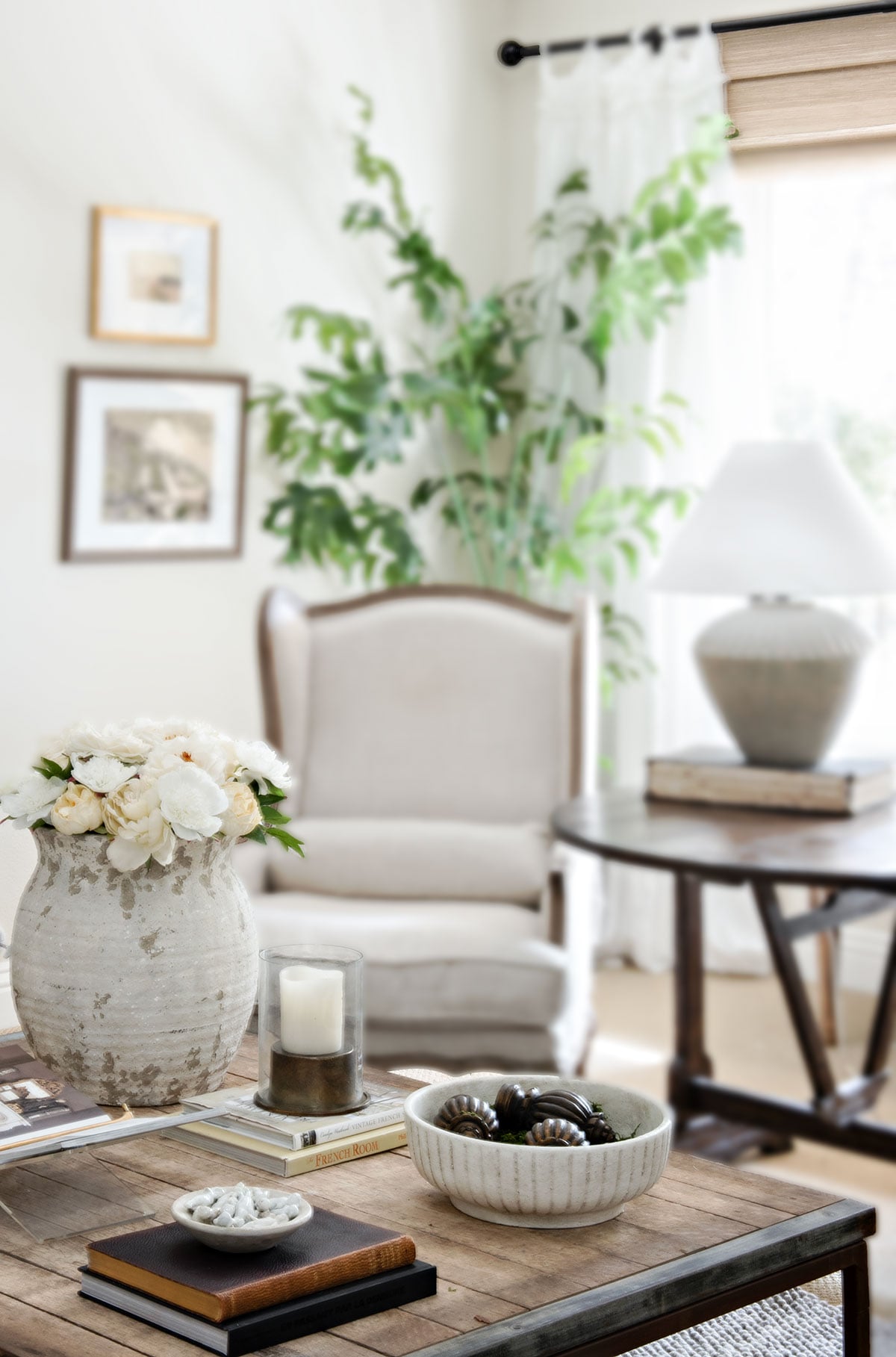
One of the easiest ways to identify your decorating style is to look closely at the rooms in your home that already feel the most right to you. These are usually the spaces where your natural preferences show up most clearly.
Instead of focusing on the overall look of the room, start paying attention to the individual elements that show up again and again. Most of us repeat certain choices without even realizing it.
For example, you might notice that you’re consistently drawn to wood furniture with visible grain, neutral fabrics, and vintage-inspired pieces. Or maybe your rooms tend to include clean lines, simple furniture shapes, and a more minimal color palette.
These repeated choices are often the clearest clues to your decorating style.
As you look around your home, pay attention to things like:
• Furniture shapes – curved, modern, rustic, traditional
• Materials and textures – wood, metal, marble, linen, leather
• Color palette – neutral, warm, cool, or high contrast
• Level of detail – simple and streamlined or more decorative
If you start seeing the same types of elements appear in multiple rooms, you’re probably looking at the foundation of your decorating style.
Pay Attention to What You’re Consistently Drawn To
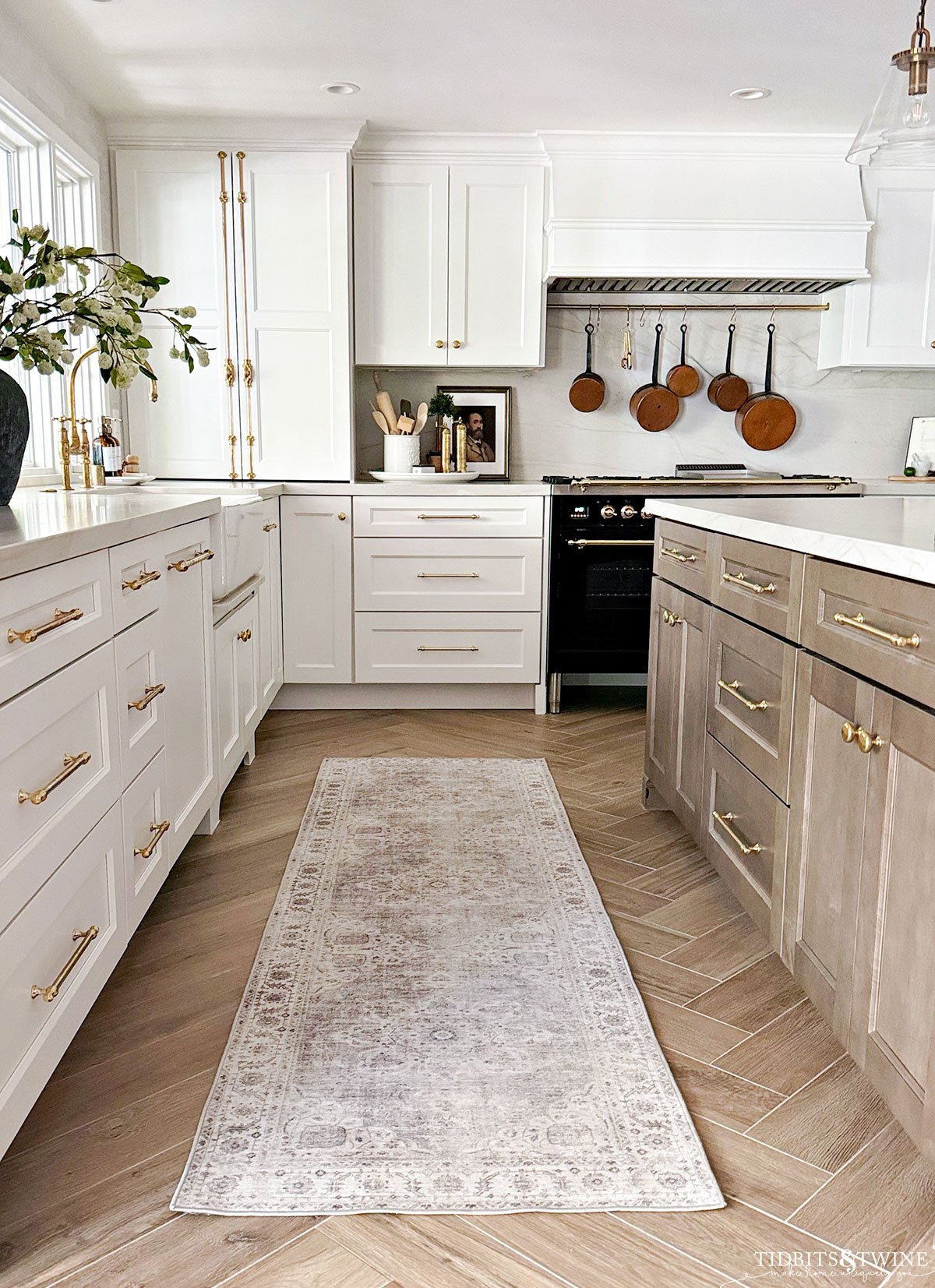
Another helpful way to identify your decorating style is to notice what you’re naturally drawn to when you’re shopping or saving inspiration. Over time, most of us develop very predictable preferences, even if we don’t realize it.
Think about the images you save on Pinterest, the stores you tend to browse, or the pieces that immediately catch your eye when you’re out shopping. Chances are, many of those choices have something in common.
For example, you might find yourself repeatedly drawn to antique furniture, aged wood, and pieces with visible patina. Or maybe you’re more attracted to sleek shapes, lighter finishes, and simple, modern pieces. Some people gravitate toward soft neutral palettes and layered textures, while others consistently prefer clean, uncluttered spaces.
These preferences are rarely random. In most cases, your decorating style shows up in the things you’re consistently attracted to, even before they make it into your home.
If you’re unsure what your style might be, try looking at:
• Pinterest boards or saved images
• Favorite home decor stores or brands
• Items you almost purchased but talked yourself out of
• Pieces you’ve owned for years and still love
Identify the Underlying Structure of Your Rooms
Another clue to your decorating style is the overall structure of the rooms in your home. This isn’t about accessories or styling details. It’s about the basic way a room is put together.
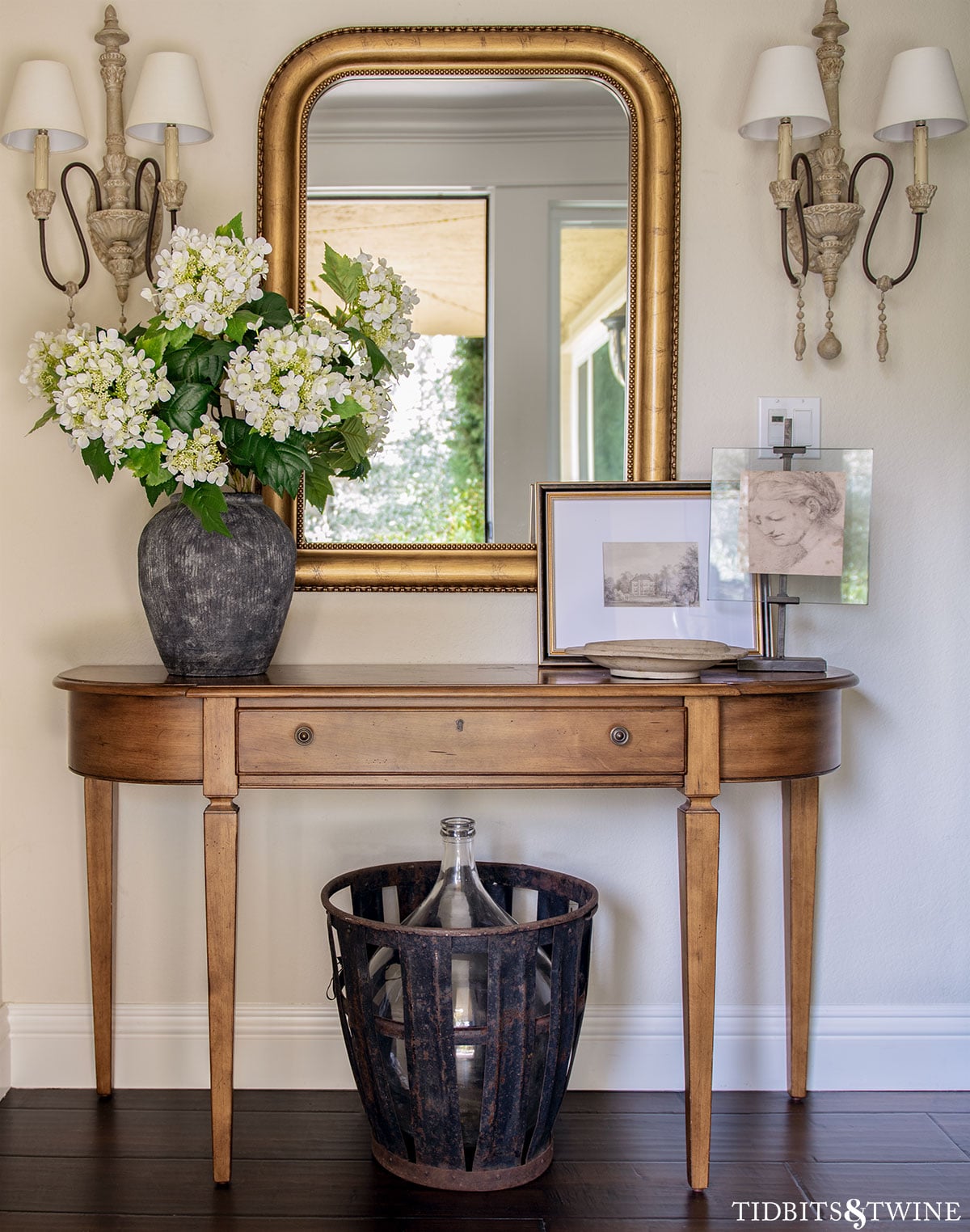
Different decorating styles tend to organize rooms in different ways. For example, traditional rooms often lean toward symmetry, with matching lamps, chairs, or tables placed on either side of a focal point. More modern spaces usually feel simpler and more streamlined, while rustic or European-inspired homes often include layered pieces and furniture with a sense of history.
You may not consciously plan this, but over time your rooms usually begin to follow a pattern.
As you look around your home, notice things like:
• How furniture is arranged – balanced and symmetrical or more relaxed and informal
• The types of furniture shapes you choose – classic silhouettes or simpler modern lines
• Whether antiques or vintage pieces show up frequently
• How much layering you tend to include – minimal and clean or layered and collected
When several of these characteristics repeat throughout your home, they usually point to the underlying structure of your decorating style.
Recognize That Most Homes Are a Blend of Styles
One thing that often confuses people when they try to identify their decorating style is the assumption that it has to fit neatly into a single category.
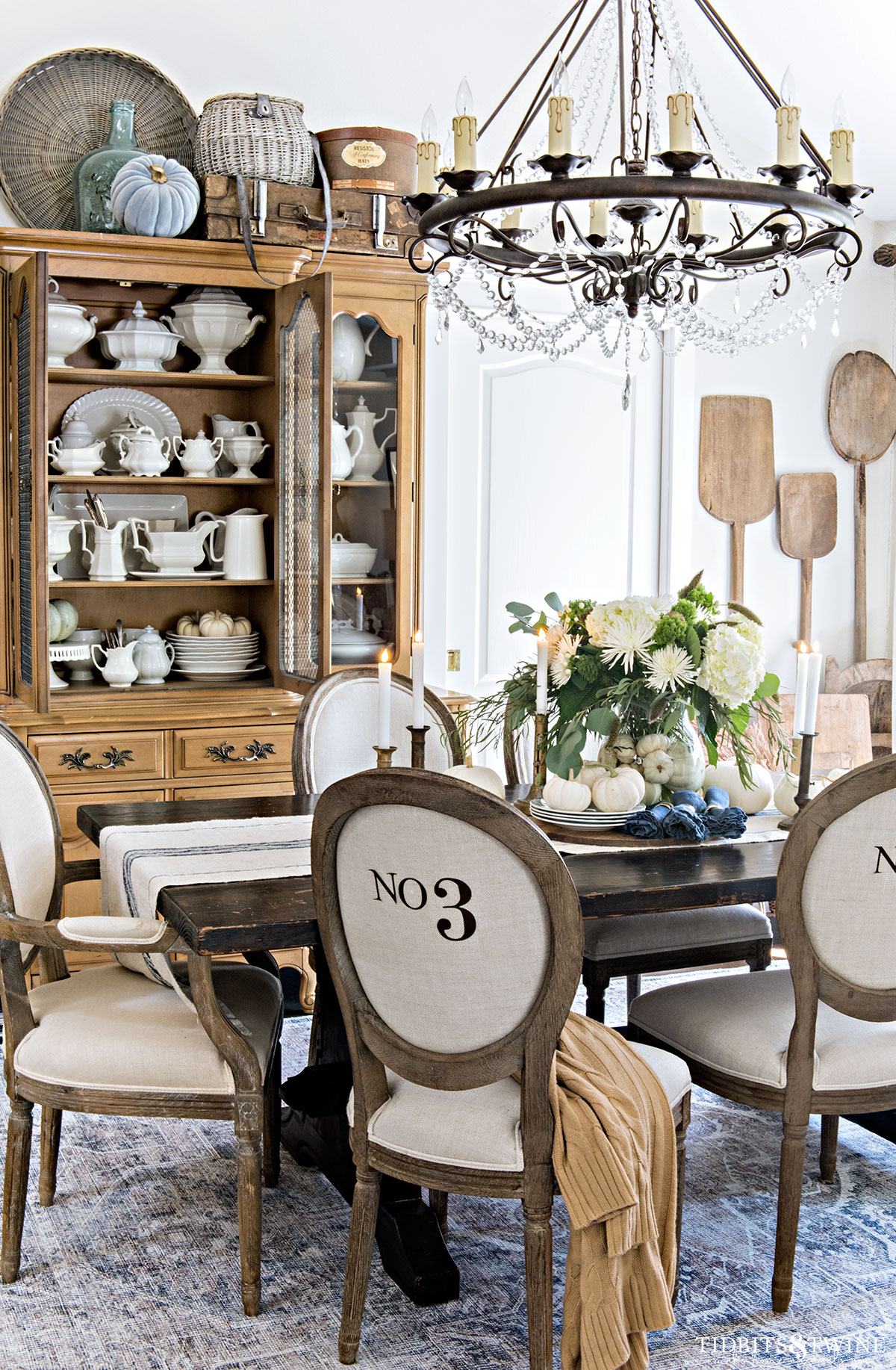
In reality, most homes are a blend of two or three styles, and that combination is what makes them feel personal.
For example, someone might describe their home as traditional, but the space also includes rustic wood, vintage pieces, and relaxed textiles that soften the look. Another home might lean modern but incorporate natural materials and organic textures that make the space feel warmer.
These combinations are extremely common. In fact, many decorating styles you hear today are really hybrids:
• Traditional + rustic
• Modern + organic
• Scandinavian + vintage
• European-inspired + traditional
Instead of trying to force your home into one label, it’s often more helpful to identify the two or three influences that appear most often. That combination is usually a more accurate description of your decorating style.
Explore Common Decorating Styles
If you’re still unsure how to describe your decorating style, it can also help to look at the characteristics of some of the most common design styles. Once you understand the elements that define each one, it often becomes easier to recognize which influences appear in your own home.
If you enjoy decorating quizzes, that can also be a fun starting point. I created a Decorating Style Quiz that helps readers explore several popular styles and see which ones they naturally gravitate toward.
You might find that one style clearly fits your space, or you may notice that your home blends elements from several different styles. Both are completely normal.
If you’d like to explore some of the most common decorating styles in more detail, you can read more about them here:
• Traditional Design
• Transitional Design
• Contemporary Design
• Mid-Century Modern Design
• Minimalist Design
• Coastal Chic Design
Each guide explains the key characteristics of the style and includes examples to help you see how the look comes together.
Add a “Feeling” to Describe Your Style
Once you start recognizing the patterns in your home, you may find that the traditional style labels still don’t feel quite right. That’s completely normal.
Most homes don’t fit neatly into one category, which is why it can be helpful to add a descriptive “feeling” to your style. This extra word often captures the personality of your home much better than a label alone.
For example, two homes might both fall under the traditional category, but one might feel formal and polished, while another feels relaxed and collected. The structure may be similar, but the mood is very different.
Adding a descriptive word helps reflect that difference.
You might end up with style descriptions like:
• Relaxed Traditional
• Rustic European
• Warm Modern
• Collected Cottage
• Casual Traditional
These kinds of descriptions often feel more natural because they reflect both the structure of your style and the overall atmosphere of your home.
For example, I often describe my own style as Collected European Traditional, because my home combines traditional structure with European influences, antiques, and layered textures that make the rooms feel relaxed and lived-in.
And remember, the goal isn’t to come up with the perfect label. It’s simply to understand the combination of elements that make your home feel like yours.
Common Mistakes When Trying to Identify Your Decorating Style
Trying to figure out your decorating style can sometimes feel harder than it should be. Often, the confusion comes from a few common assumptions that make the process more complicated than necessary.
Thinking Your Style Has to Fit One Category
One of the biggest mistakes is assuming your home has to fit neatly into a single style category. In reality, most homes are a blend of influences. Trying to force your rooms into one label can make you overlook the combinations that actually make your space feel personal.
Copying One Inspiration Photo
It’s easy to fall in love with a beautiful room online and assume that must represent your style. But one photo rarely tells the full story. Your real decorating style shows up in the pieces, materials, and colors you consistently choose over time.
Following Trends Instead of Preferences
Another common trap is assuming your home should reflect whatever is currently trending. Trends change quickly, and decorating around them can make it harder to recognize the elements you genuinely enjoy living with.
Expecting Your Style to Be Fully Formed
Your decorating style usually develops gradually. Most homes evolve over time as pieces are added, replaced, and rearranged. That process is often what creates the layered look that makes a home feel authentic.
Still Not Sure? Try a Quiz as a Starting Point
If you’ve gone through this and still aren’t quite sure what your style is, that’s okay. Sometimes it’s easier to start with a little guidance.
A decorating quiz can give you a helpful starting point by narrowing things down and putting words to what you’re naturally drawn to. It’s not meant to box you in—it’s just a way to get clarity and build confidence.
If you want a place to begin, you can take my decorating style quiz HERE.
Once you have that starting point, come back to your home and look for the pieces that already fit. That’s where things really start to come together.
Identifying your decorating style doesn’t require a quiz or a perfect label. Most of the time, it’s already showing up in the choices you’ve been making.
When you start paying attention, the patterns become clear—what you’re drawn to, what you repeat, and how you naturally put a room together. That’s your style.
It might not fit neatly into one category, and that’s a good thing. The mix is what makes your home feel personal.
Once you see it, decisions get easier. You stop second-guessing and start choosing what fits.
And from there, it’s simple—just keep building on what already feels like you.
More Decorating Ideas
- A Guide to Mixing Furniture Styles
- What Is Layering in Interior Design? (And How to Do It)
- How to Mix and Match Patterns

Love this post! I always have the hardest time with this and dread being asked to define my style. I will have to check out that “So your style is” feature on Houzz – haven’t seen that before!
How about this:
Relaxed Traditional with a huge, authentic mid-century Cado wall unit filled with vintage Provençal pottery, a touch of chinoiserie and a clutter of well-loved vintage – all ending up looking like a cozy English cottage.
This is great information because I always wonder what my style would be called by a designer. I am looking forward to reading the Houzz piece for some tips. I’d say I consider it English Country, with a bit of French for good measure!
:)
Karen
Hey Karen! English Country is one of my favs, especially when you add in a bit of French for good measure! :) The Houzz articles on style are fun to read and will give you a foundation from which to build your custom style. Enjoy!
I’m a new follower and blogger. I appreciate the simplicity of the definitions you provide and the examples you share are more than just inspirational! I describe my decorating style as Simply RED (Rustic-Elegant Décor)…with a French Country twist and I look forward to ‘staying in the know’ as I follow you!
Hi Vickie! Thank you so much for being a new follower! I absolutely love that you have an acronym for your decorating style and Rustic Elegant Decor (RED) sounds gorgeous. :) Have a wonderful week!
I define our home style as French Farmhouse. We are rustic (we live in a stacked log home-not rustic round logs) but refined in our remodeling with nicer finishes. I use black accents, oil rubbed bronze hardware and am adding reds to the mix with fabric and one wall. I’m almost at the stage of decorating by way of unpacking boxes from our year ago move. It’s gonna be like Christmas! :) Love your blog, by the way!
Hi Amber – Your home sounds beautiful! Unpacking boxes when you’ve forgotten what’s in them really is like Christmas, isn’t it?! Have fun unpacking and arranging everything and thank you so much for your kind comments! :) Kim
I’ve actually been working on a design style post. Our “Irishman Acres” style is called Nature-y Tribal Farmhouse. Weird , huh? But if you took my House Tour on my blog, I bet you would agree that this style name fits us perfectly! :) ~ Kim
Hi Kim – I took your home tour and Nature-y Tribal Farmhouse is a great description for your style! You have so many wonderful finds in your home – beautiful! And congrats on your Liebster Award Nomination!!!
Very thought provoking post. I’ve often wondered how my style is defined. Thanks for including the link to Houzz, it was nice to have the styles defined with examples. I would say I’m currently, Transitional with a dash of Modern. I refer to your blog often, you provide both inspiration and encouragement. :)
Great post, and very informative.
I’m so glad you liked it, Marty! You have such a beautiful taste, I’m curious to know what you call your decorating style?