




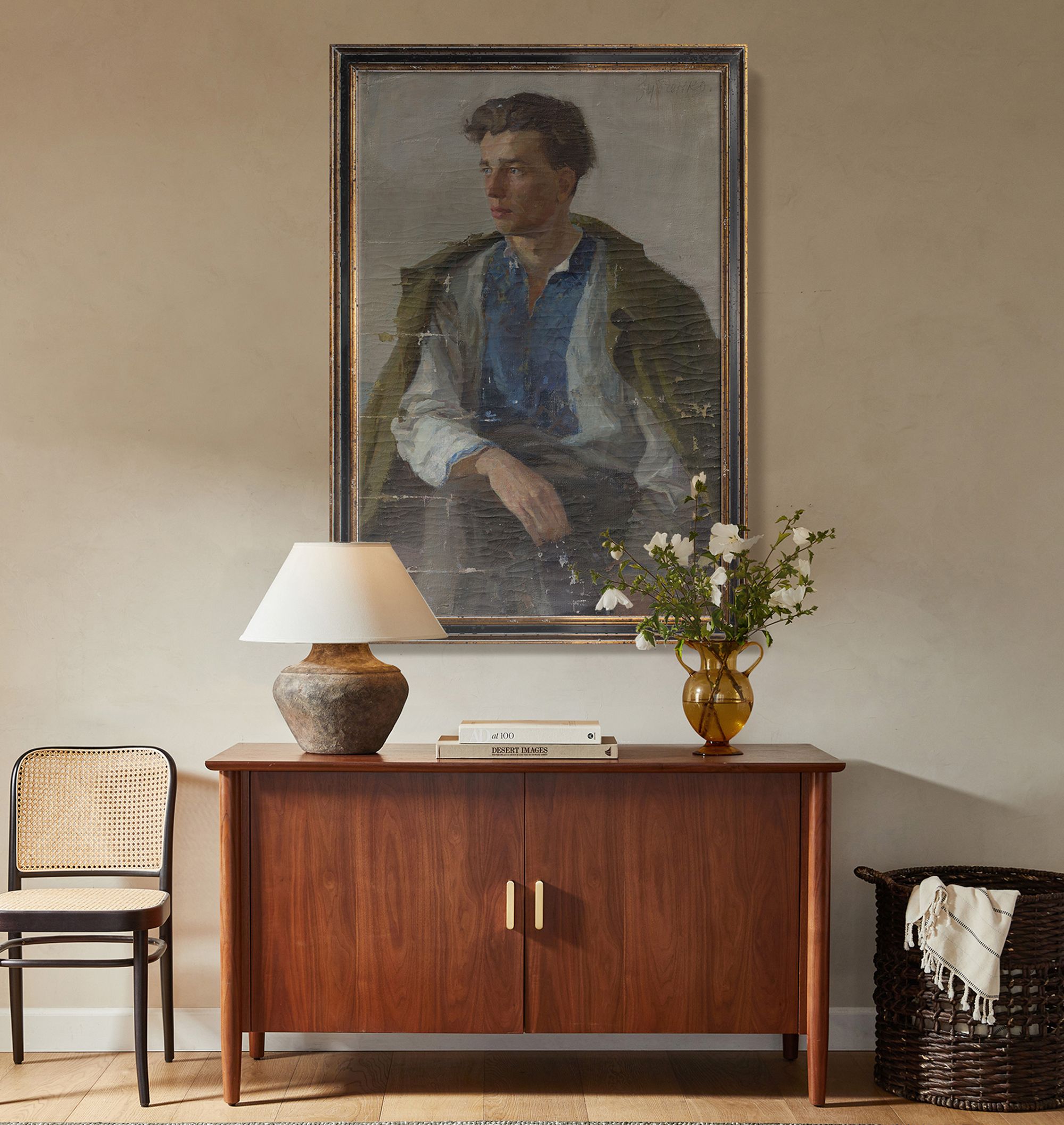
Antique portraits are having a moment in decorating right now—and for good reason. They instantly bring that curated, layered feel to a room, adding a touch of elegance and a whole lot of personality. Not to mention, a dash of whimsy.
After all, who is that old gentleman hanging in your foyer, anyway?
Still, I know many people hesitate when it comes to portraits. Why would you want a stranger staring out from your walls? And what exactly do you do with one once you bring it home?
Luckily, that’s what this article is all about —how to decorate with antique portraits in a way that feels timeless, intriguing, and anything but haunted. And just to clarify: when I say “antique portraits,” I’m also including reproductions and digital downloads, as long as they have that antique look.
My Love Affair with Antique Portraits
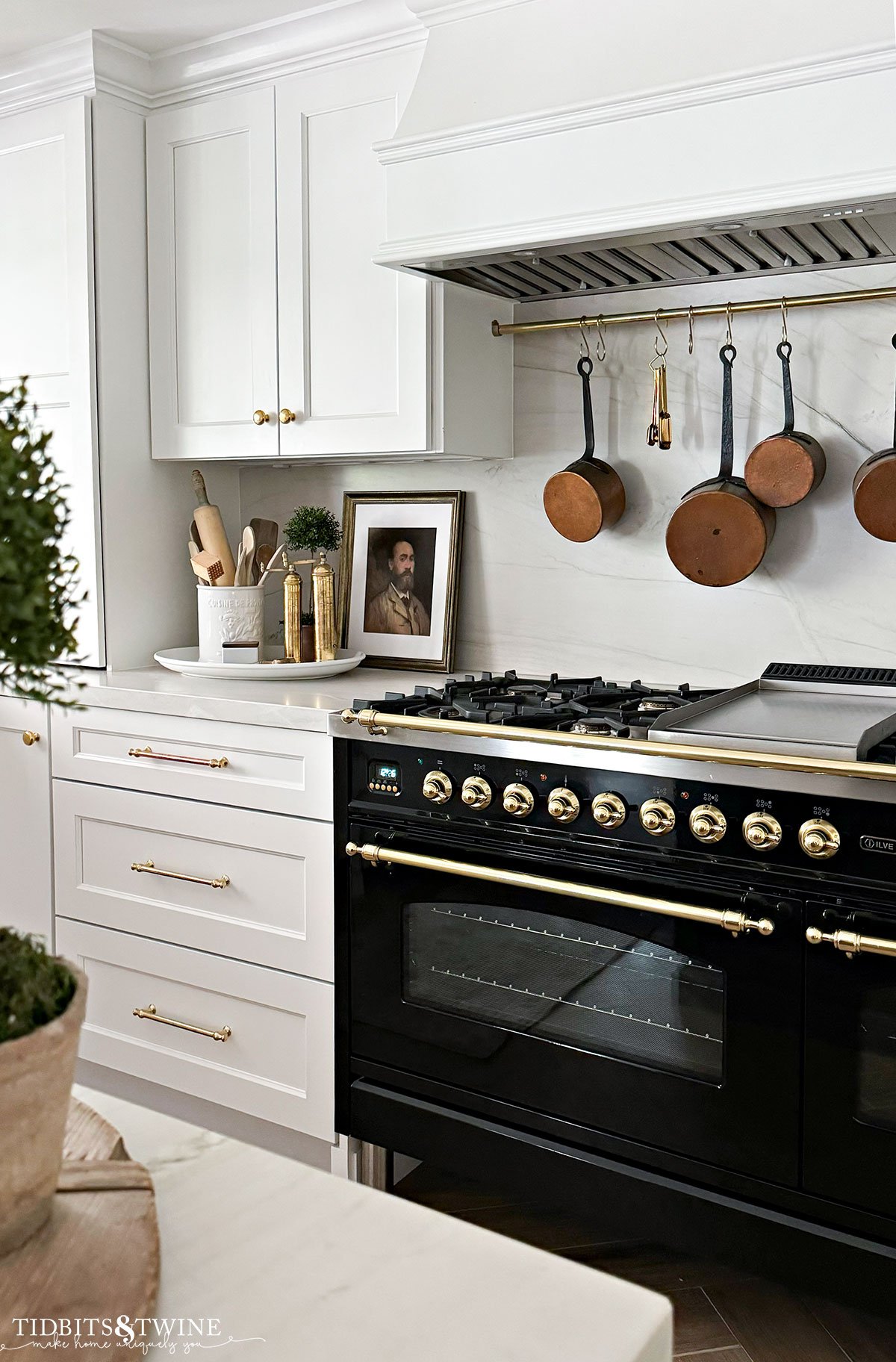
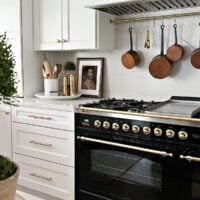
For me, the love affair started almost by accident. During our kitchen remodel, I wanted a framed piece to anchor one side of the range, but it couldn’t compete with the pot rail and copper pans. That’s when I stumbled upon my first portrait—a reproduction with a moody black background and neutral clothing. Instead of feeling spooky, it felt elegant and grounding.
One led to another. Before long, I added a pair to the bar, and then another to the dining room. None of mine are originals just yet—most are digital downloads or reproductions—but they’ve sparked a passion that has me on the hunt for the “perfect” antique piece someday. And in the meantime, I’ve learned a lot about how to style them so they feel collected and whimsical, not creepy.

Why Antique Portraits Feel Intimidating
Let’s be honest—portraits can feel a little spooky. They’re dark, moody, and the people never smile. On top of that, I agree that it is a little odd to hang a picture of someone you’ve never met in your home.
The truth is, that’s exactly what makes them fascinating. These portraits add a layer of mystery and whimsy to your home—like adopting an “instant ancestor” whose story you get to imagine. Styled thoughtfully, they’re less about the sitter’s identity and more about the mood, palette, and history they bring to a room.
Suddenly, that mysterious lady in a ruffled collar isn’t creepy—she’s part of the layered story your home is telling.
How to Decorate with Antique Portraits
Once you stop worrying about who is in the frame and start focusing on how to use portraits in your home, the fun really begins. Antique portraits aren’t just wall art—they’re conversation pieces that can add depth and personality to any room.
Here are some of my favorite ways to style them so they feel intriguing and collected, not intimidating:
Pair Them with Everyday Decor
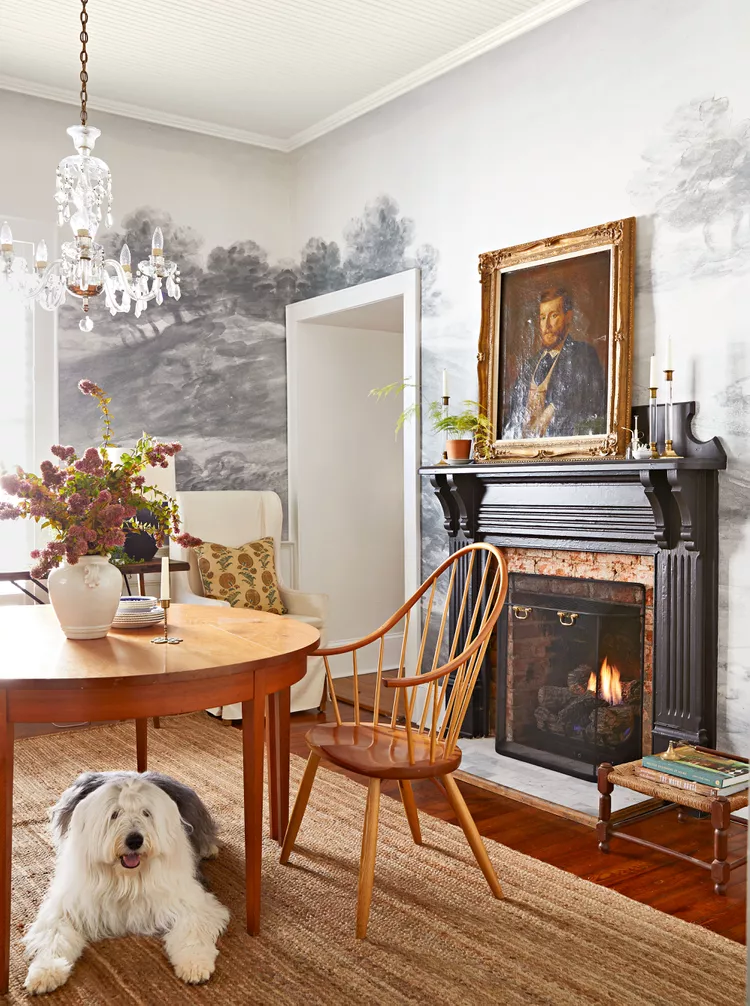
Balance the formality of a portrait with the casual things you already live with. A moody painting above a stack of cookbooks in the kitchen, or layered near flowers and candlesticks on a mantel, feels more approachable than one hanging all by itself.
Mix Them into a Gallery Wall
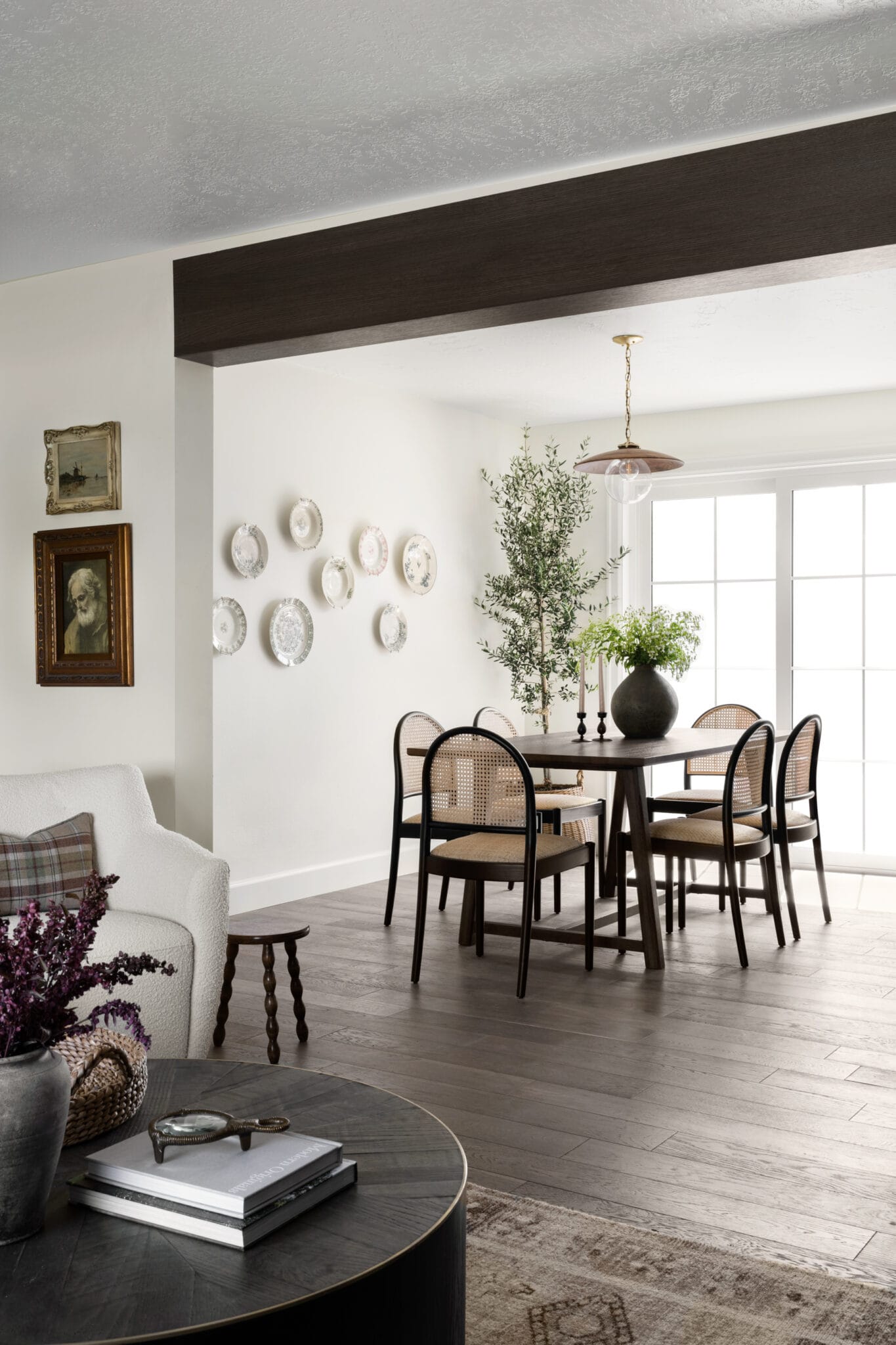
A lone portrait can feel imposing, but when it’s surrounded by a mix of art—landscapes, sketches, botanicals—it becomes part of a curated story. Gallery walls are the easiest way to make portraits feel intentional instead of random.
Try an Unexpected Spot
Don’t limit yourself to dining rooms or libraries. Hang one in the kitchen, a hallway, or even a powder room. A portrait in an everyday spot feels playful and adds instant character.
Layer, Don’t Just Hang
Leaning a portrait on a console, mantel, or bookshelf—tucked behind other pieces—softens its look and makes it part of a collected vignette. It’s a simple trick that makes a big difference.
Choose a Common Thread
If you’re adding more than one, unify them with something consistent: similar frame tones, color palettes, or subject matter. Personally, I’m drawn to black backgrounds with neutral clothing (or the reverse). They’re moody, but not overwhelming.
Balance with Warmth
Because portraits can feel serious, surround them with pieces that bring life and warmth—greenery, candles, or even a bowl of fruit. These touches keep the overall look inviting.
Download 10 Free Antique Portraits
Want to try this look without hunting through dusty archives or spending a dime? I’ve rounded up 10 of my favorite public domain antique portraits—including the one hanging in my kitchen—that you can download, print, and frame at home.
These are all high-resolution files, easy to use, and completely free for subscribers. Whether you’re dipping your toe into the portrait trend or looking to expand your collection, this bundle is a simple way to get started.
Already a Subscriber?
If you’re already a subscriber, you can access all of the art in my EXCLUSIVE CONTENT section. The password is at the bottom of every email I send.

Where to Find Antique Portraits
So you’re convinced you want one—now what? True antiques can be tricky to find, but there are lots of options depending on your budget and patience.
- Antique shops & flea markets: The thrill of the hunt! These are hit-or-miss, but that’s part of the fun.
- Estate sales & auctions: Great if you’re looking for originals with history attached.
- Etsy, eBay, 1stDibs & Chairish: A wide range of real antiques and reproductions. Read listings carefully, but you can find gems at every price point.
- Reproductions & prints: Many retailers (even Target and Amazon) now sell vintage-style portraits. Perfect if you want the look without the antique price tag.
- Public domain archives: Museums and libraries offer free, high-resolution downloads of artwork you can print yourself. I’ve rounded up some of the best sources in this post.
Bottom line: whether you want an authentic heirloom or just the look, there’s a source out there.
Styling Mistakes to Avoid
Like any strong design element, antique portraits can go wrong if they’re not given the right context. Here are a few common pitfalls to avoid:
- Don’t leave a portrait floating on a blank wall. Portraits need grounding. Without furniture beneath or other pieces around them, they can look disconnected and a little intimidating. A chest, console, or even a small vignette of decor underneath instantly makes them feel intentional.
- Avoid too many mismatched frames. Eclectic is wonderful, but chaos isn’t. Stick to a few repeating tones or styles so your collection feels cohesive.
- Don’t overdo it. A handful of portraits layered into your home feels curated; too many all at once can tip into clutter.
- Skip harsh spotlighting. Dramatic overhead lighting can make portraits feel theatrical (and yes, haunted). Softer, natural light is always more flattering.
How to Tell if a Portrait is Antique (or a Reproduction)
If you’re browsing in person, it can be hard to know whether you’re looking at a genuine antique or a reproduction. Here are a few quick clues I use:
- Check the surface. Old oil paintings often show fine cracks in the paint (called craquelure). Reproductions, especially prints, usually look perfectly smooth. Sometimes reproductions include the cracks but if you touch them they are flat so you can tell they’re printed.
- Look at the frame. Antique frames tend to show their age with nicks, worn edges, or a beautiful patina. Reproductions often look too perfect.
- Peek at the back. Originals might have wooden stretchers, old nails, or browned paper backing. A fresh, clean backing usually signals something newer.
- Notice the details. Clothing styles, hairstyles, and even the sitter’s posture can give you clues about the era.
That said, don’t stress too much about whether it’s “real.” If you love it and it works in your home, that’s what matters most. Sometimes the best choice is an antique, and sometimes it’s a reproduction that gives you the same timeless look at a fraction of the price.
FAQ: Decorating with Antique Portraits
Not when they’re styled well. Think of them as moody conversation starters. Pair them with everyday decor, layer them into vignettes, or group them with other art, and the “haunted” vibe disappears.
Because it’s not really about who the person is—it’s about the art itself. The colors, the brushstrokes, the patina on the frame…all of those details add history and character to your home.
Museums and libraries have released thousands of high-resolution images into the public domain. I’ve rounded up my favorite free art sources here, and subscribers can also grab my curated bundle of 10 ready-to-print portraits.
Absolutely. In fact, they often look even better in modern settings because the contrast makes them pop. A clean-lined space with a moody portrait instantly feels more layered and curated.
Final Thoughts: Personality Over Spookiness
Looking for a specific antique?
Browse the Antique Object Guide
Explore 20+ antique objects with identification tips, decorating ideas, and links to detailed posts about each piece.
Antique portraits aren’t everyone’s cup of tea, but that’s exactly why I love them. They’re a little moody, a little mysterious, and full of character. Styled thoughtfully, they bring history, elegance, and whimsy into a home in a way no other artwork can.
So the next time you come across a portrait—whether at a flea market, on Etsy, or even at Target—don’t shy away just because you don’t know the sitter. That “random stranger” might just be the perfect finishing touch your room needs.
In the end, decorating with antique portraits isn’t about adopting someone else’s ancestor—it’s about telling your own story, one layer at a time.

DECORATING MADE EASY
Get my free 5-day decorating course and learn how to define your style, make better decisions, and create a home that feels like you.
After the course, you’ll receive my latest decorating tips, antique finds, and new posts.