


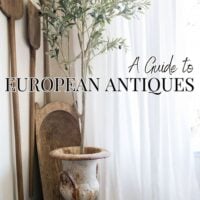
It’s no secret that I love European antiques. Not the fancy, over-the-top ones, but the well-worn, well-loved pieces with a little age and a lot of character. The ones that have clearly lived a life before ours.
A look around my home will tell you that my European antiques appear as accessories, sprinkled in almost every…make that every…room of the house! I love the idea of owning a piece of history and knowing the story behind it. To me, antiques help create a curated look rather than a showroom.
Over the years, I’ve written about so many of my favorite finds—deckled-edge books, Frozen Charlotte dolls, ironstone, intaglios, Santos dolls—and I realized it might be time to corral them all into one place.
So think of this as a home base for antique lovers: a guide to understanding what makes European pieces so special, where to find them, and how to style them so they feel right at home with your everyday decor.
Who knows? You might even discover a few new favorites along the way. And if there’s an antique you want me to cover next, send me a note!

What Makes an Antique “European”?
Europe has such a rich design history that the term European antique can mean a lot of different things. Every country has its own look, shaped by its materials, craftsmanship, and way of life. French pieces tend to be refined and romantic, often painted or gilded. English antiques are more classic and understated, with lots of rich wood and quiet elegance. Italian finds are usually more sculptural and ornate, while Swedish Gustavian pieces are light, airy, and beautifully simple.
Technically speaking, a European antique is something made in Europe—France, England, Italy, Sweden, Hungary, and beyond. But for me, it’s also about a look: pieces that reflect centuries of artistry and carry a certain ease and imperfection.
So when I say European antique, I’m talking about both origin and essence—objects that blend art and history, refinement and wear, beauty and imperfection.
A Guide to My Favorite European Antiques
I’ve collected and written about so many European antiques over the years—some fancy, some simple, all with stories to tell. Each one has its own personality, and I love how even the most ordinary piece can completely change the feeling of a room.
You can click on any of the antiques below to learn more about each one, along with ideas for how to decorate with them. These are the pieces I come back to again and again when styling my own home.

Santos Dolls
Quietly beautiful and full of character, Santos dolls bring a sculptural, soulful touch to any vignette.
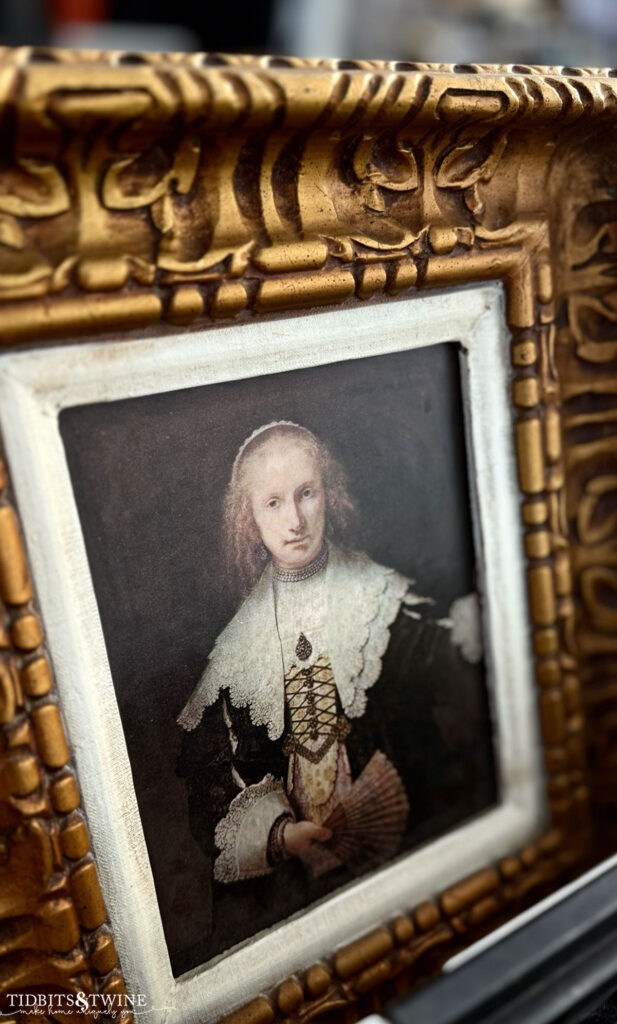
Antique Portraits
Painted depictions of people, often on canvas or board, prized for their patina and sense of history.
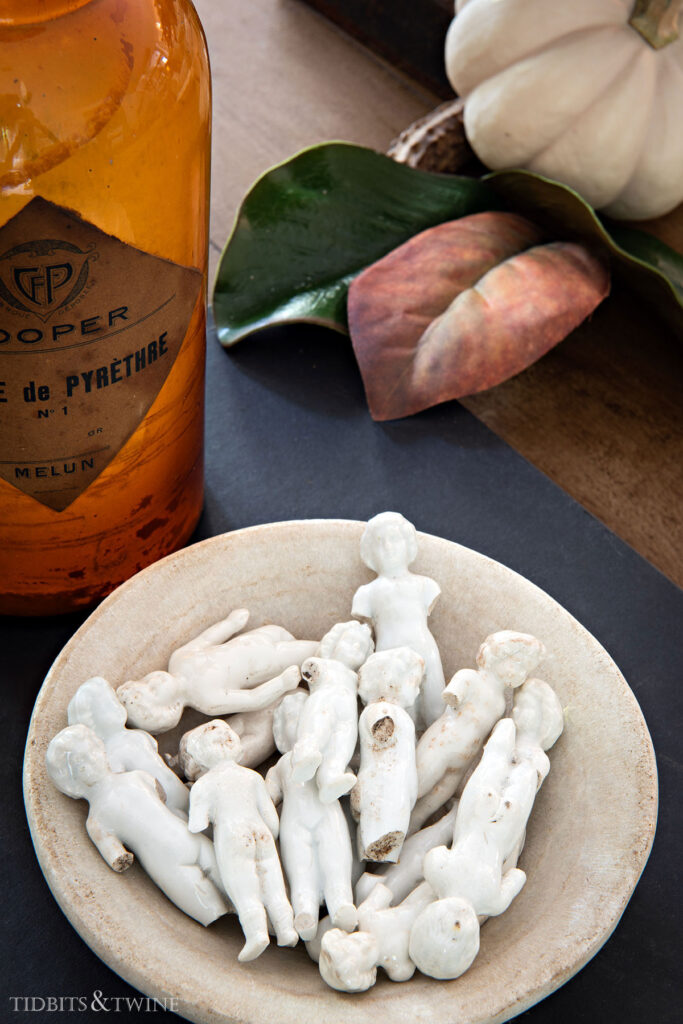
Frozen Charlotte Dolls
These tiny porcelain dolls are equal parts eerie and enchanting. Perfect for adding a touch of whimsy and curiosity to your vignettes or glass displays.
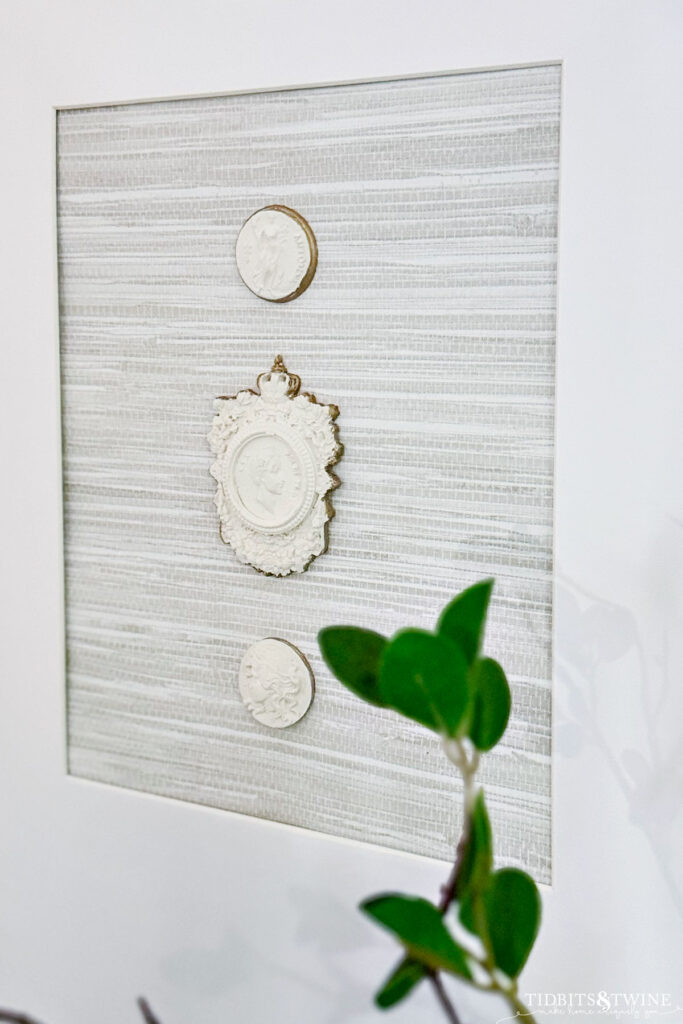
INTAGLIOS
Small but captivating, these plaster medallions once celebrated classical art and history. Their delicate reliefs and soft, chalky texture bring a refined yet understated elegance to walls, shelves, and vignettes.
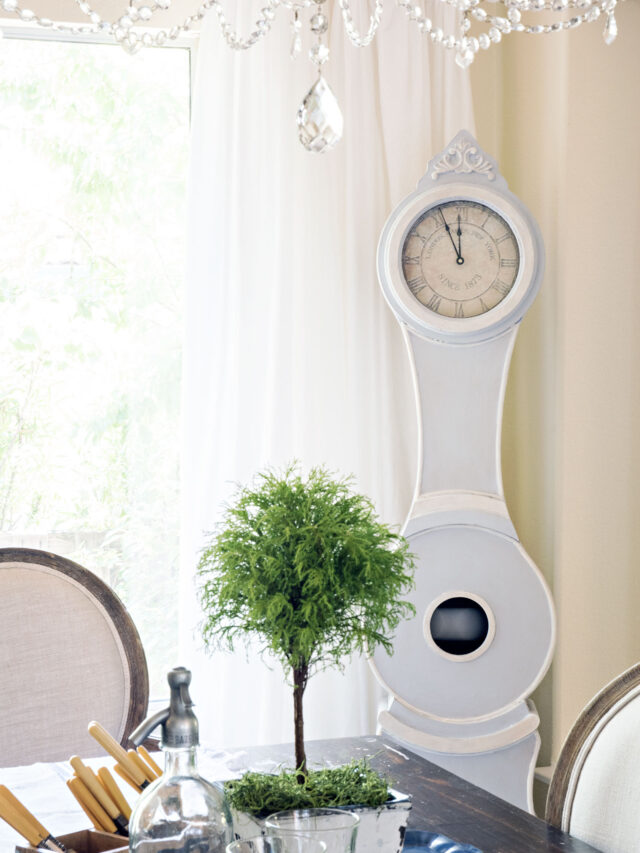
Mora Clocks
With their curvy silhouettes and faded finishes, Swedish Mora clocks are both architectural and romantic. I love how each one shows its age differently—mine even got a fresh coat of paint to better suit my home.
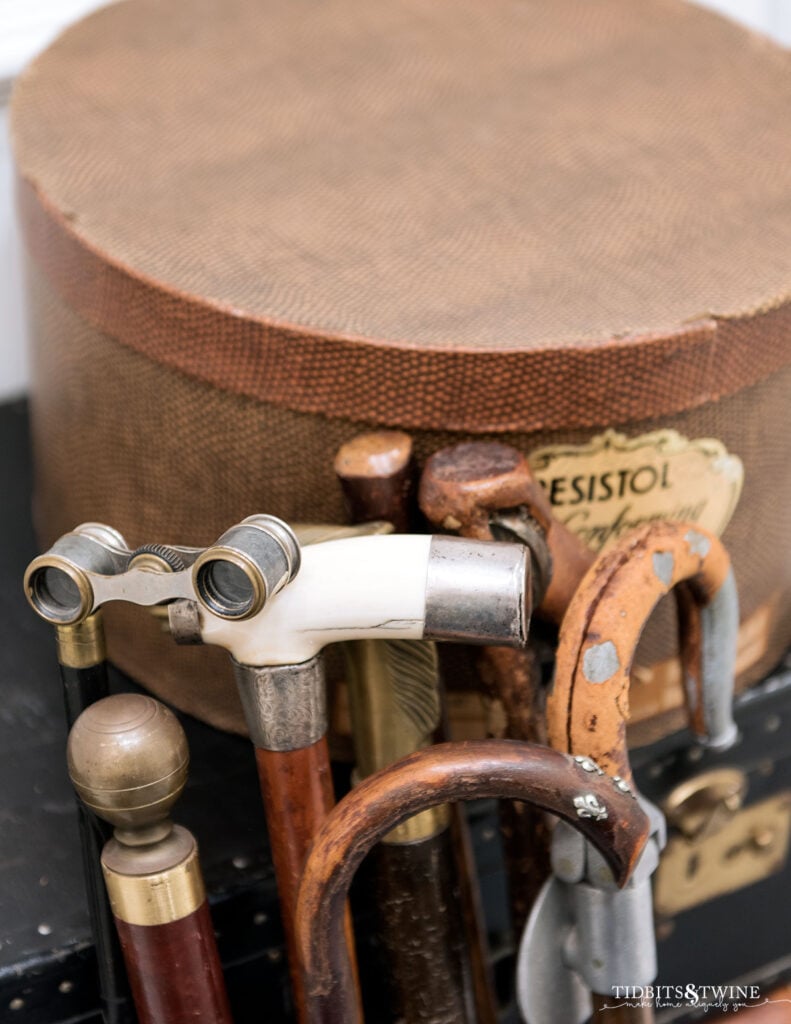
Gadget Canes
Part tool, part curiosity—these ingenious canes hide secret functions and stories within. They’re conversation pieces in every sense.
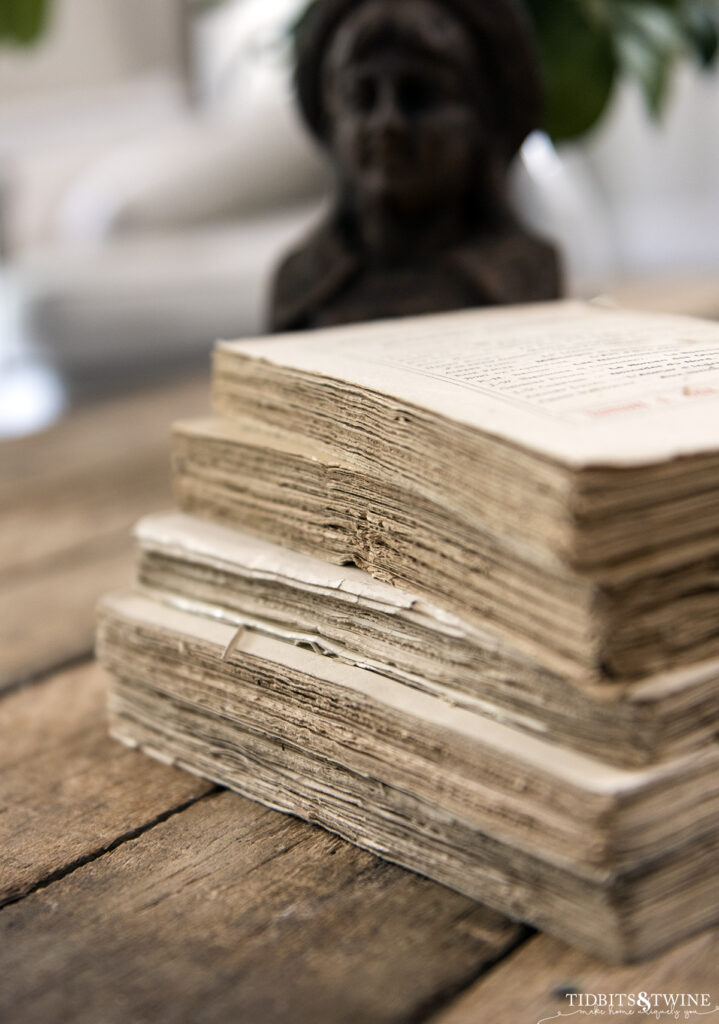
Deckled Edge Books
Worn, uneven pages and faded covers make these books a decorator’s favorite. Stack them for texture or layer them into vignettes for a soft, collected look.

Grain Sacks
Handwoven and full of character, vintage grain sacks bring texture and history to upholstery, pillows, and table styling.
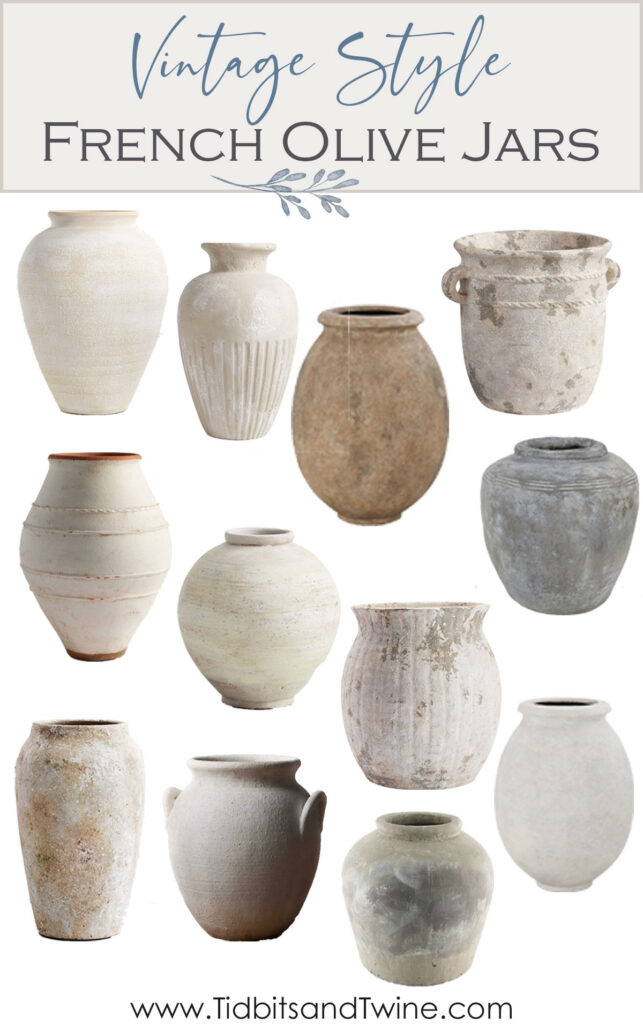
French Olive Jars
Rustic, curvy, and full of patina—French olive jars bring a touch of Provence to any space. They’re beautiful on their own or filled with greenery.

DEMIJOHNS
Once used to store wine and oil, these large glass vessels now add light and sparkle to any room. Their soft curves and subtle color feel timelessly European.

WHITE IRONSTONE
Timeless, versatile, and endlessly collectible, white ironstone adds brightness and texture to shelves and tables alike.
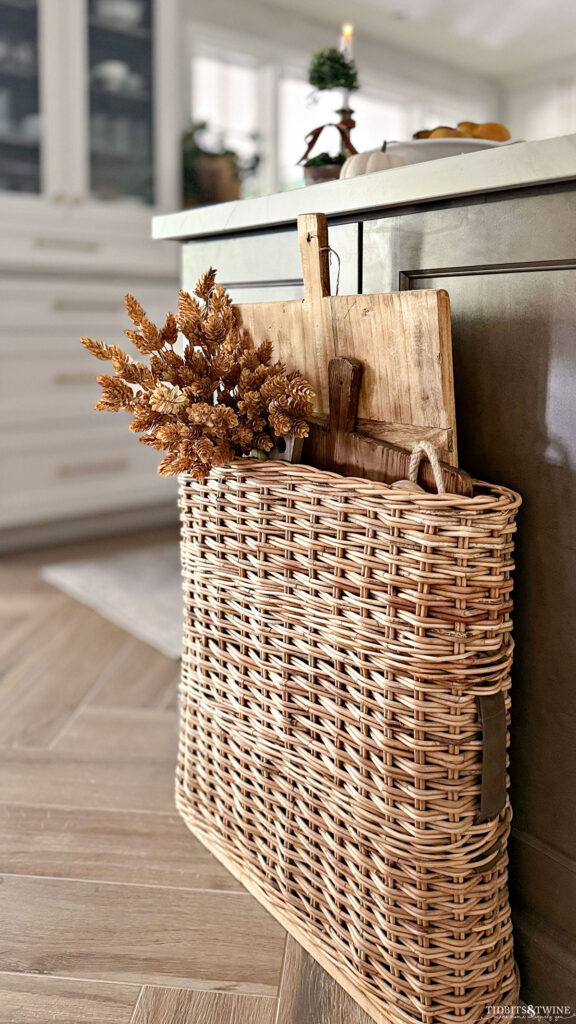
ANTIQUE BREAD BOARDS
Each board tells its own story, with knife marks and age-worn patina that make every piece unique. Perfect layered on a backsplash or as a serving base.
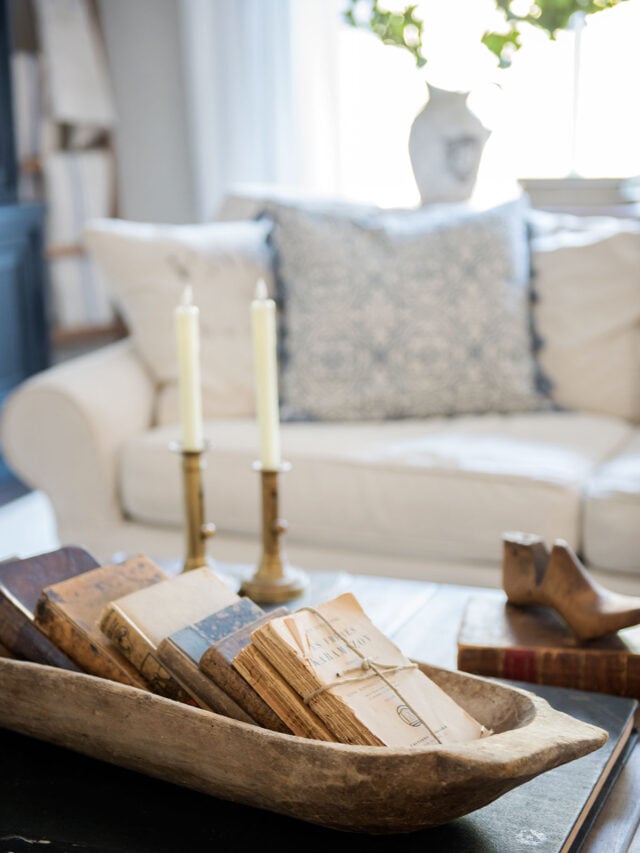
DOUGH BOWLS
Worn smooth from years of use, antique dough bowls are the perfect blend of beauty and function. Style them with seasonal greenery or leave them empty as sculpture.
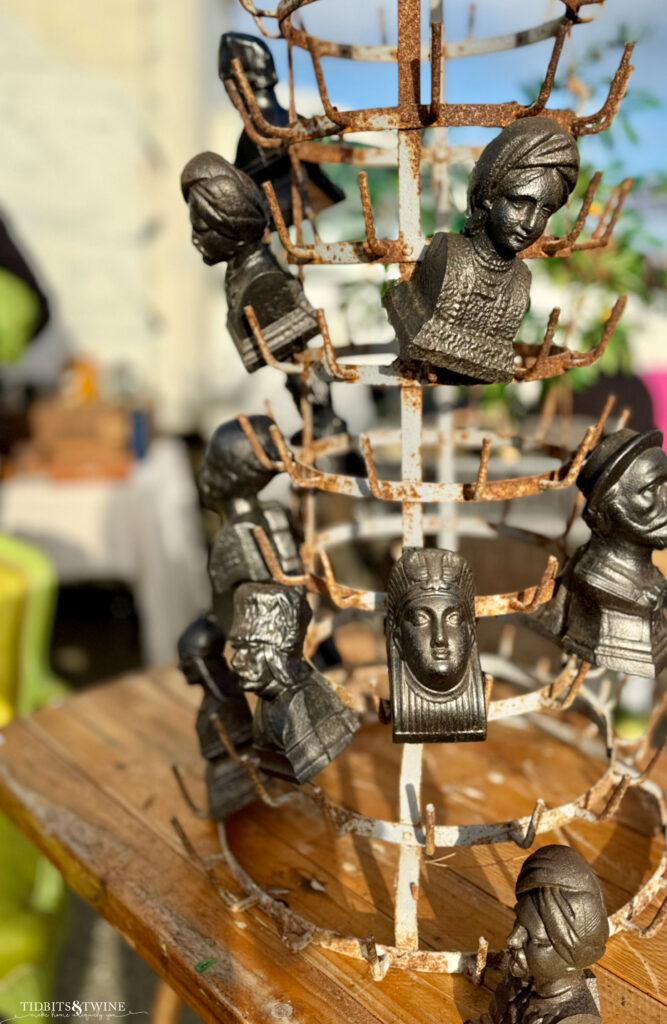
BOTTLE DRYING RACKS
Utilitarian and full of charm, these racks make striking displays for mugs, linens, or garlands—proof that function and beauty can coexist.
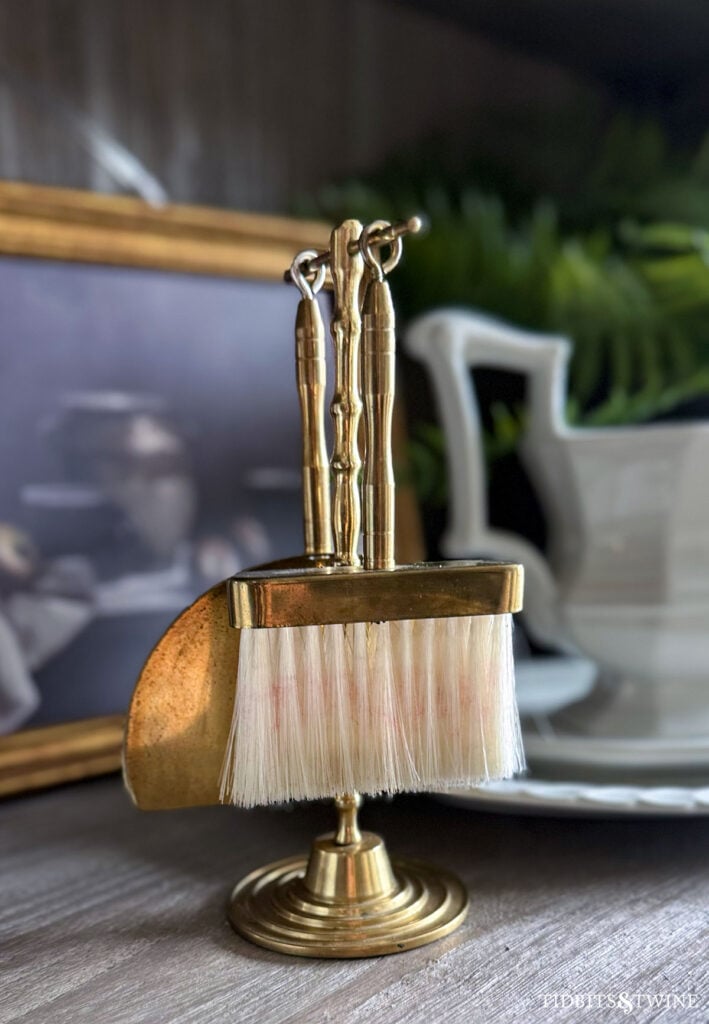
Silent Butlers
The silent butler was originally used to clean up crumbs after a meal. Today, it’s a small antique with history, character, and decorative appeal.
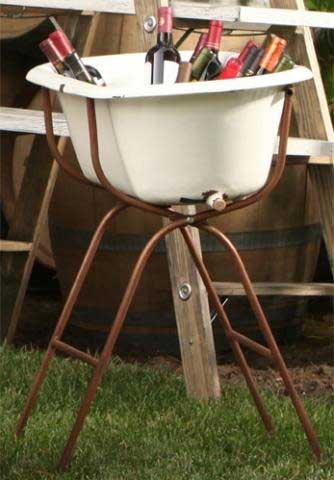
BABY BATHTUBS
Repurposed as planters or storage, these charming tubs are perfect examples of turning everyday vintage finds into statement pieces.
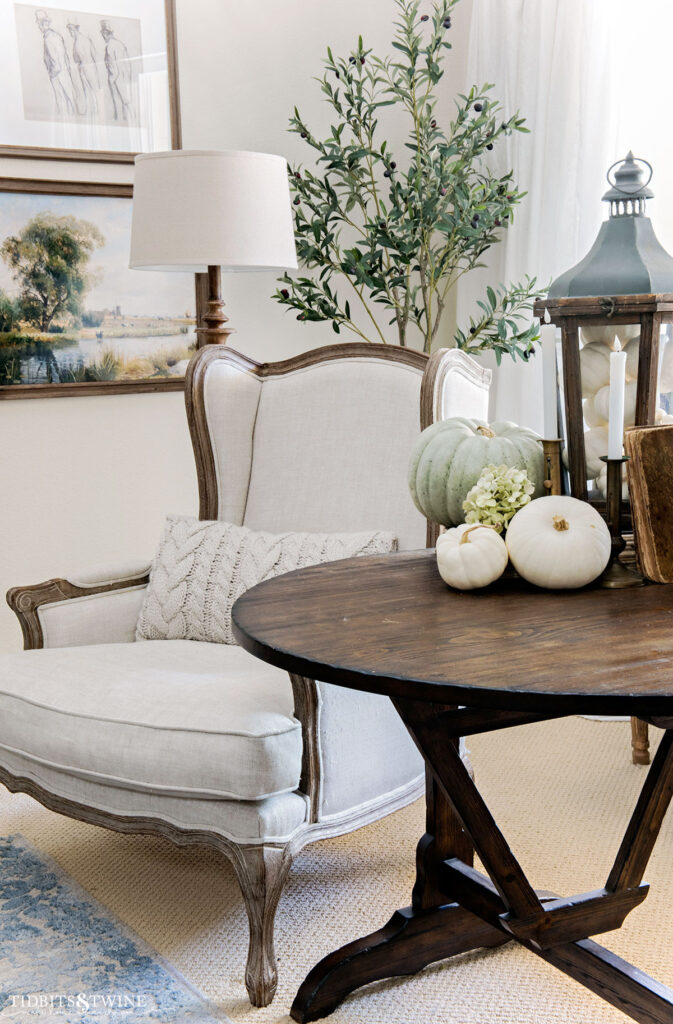
BERGERE CHAIRS
Elegant yet comfortable, the French bergère is a classic that never goes out of style. Its graceful lines and cozy cushions fit beautifully in both modern and traditional rooms.
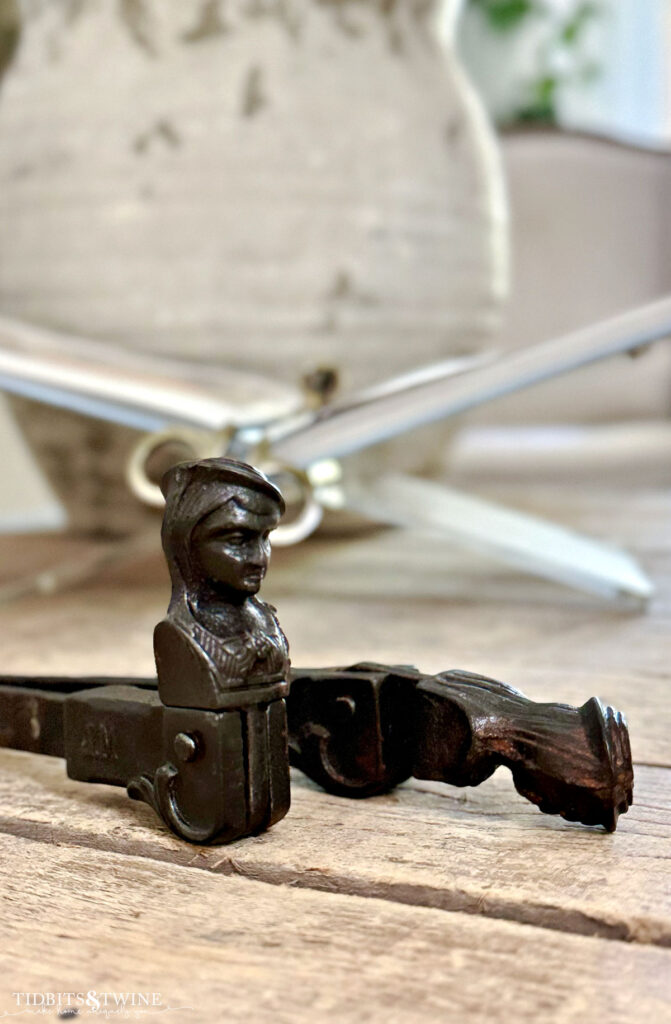
SHUTTER DOGS
Small but full of charm, these hand-forged hardware pieces bring a subtle touch of European craftsmanship to walls or shelves.

Wine Tasting Table
Discover its history and clever design, plus shop curated finds.
Each of these antiques brings something different to the table—texture, warmth, nostalgia, and above all, character. Together, they tell the story of European design: graceful yet grounded, worn yet beautiful, timeless yet full of life.
Popular European Antiques by Country
I think what makes European antiques so special is that every country has its own look and personality. French pieces tend to feel elegant and refined, while Hungarian ones are a little more rustic and earthy—but they’re all beautiful in their own way.
France
Known for its effortless balance of elegance and age, French antiques bring sophistication with just the right amount of patina.
Examples: Bergère chairs, Trumeau mirrors, olive jars, confit pots, demijohns, gilt candlesticks, faience pottery, Louis XV and Louis XVI furniture, French gilt mirrors, crystal chandeliers, Aubusson tapestries
England
English pieces bring refinement and quiet strength to a room, grounding lighter, more romantic styles. Their craftsmanship and warmth make them timeless.
Examples: Chippendale chairs, Windsor chairs, mahogany sideboards, secretary desks, tortoiseshell boxes, silver tea services, brass candlesticks, copper cookware, Staffordshire figurines, transferware
Italy
Italian antiques are dramatic and artistic, often blending sculptural form with rich materials like marble and gilt.
Examples: Florentine trays, carved consoles, baroque mirrors, intaglios, Madonna figures, majolica ceramics, Venetian glass, classical busts, painted religious panels
Sweden
Swedish Gustavian antiques are airy and graceful, known for their pale finishes, subtle carvings, and understated beauty that pairs effortlessly with modern interiors.
Examples: Painted buffets, lyre-back chairs, Mora clocks, pale candlesticks, painted folk furniture, Swedish crystal, silver candleholders
Hungary
Practical and full of charm, Hungarian antiques celebrate craftsmanship and everyday life. Their rustic textures and humble materials bring warmth to any home.
Examples: Dough bowls, grain sacks, linen cupboards, ceramic pitchers, farm tables, painted benches, woven hemp textiles, rustic pottery
Spain
Spanish antiques are bold, textural, and full of character. Rich woods, ironwork, and handcrafted details create warmth and old-world drama.
Examples: Carved wooden chests, wrought-iron chandeliers, ceramic tiles, religious art, leather-studded chairs, gilt frames, painted retablos, Spanish Colonial furniture, leather trunks
Belgium
Understated and timeless, Belgian antiques favor natural materials and quiet luxury. They blend rustic simplicity with subtle elegance.
Examples: Limed oak furniture, linen armchairs, stone troughs, architectural fragments, oak farmhouse tables, antique linen presses, industrial lighting and metalwork
Portugal
Colorful and soulful, Portuguese antiques showcase craftsmanship and artistry with a touch of whimsy.
Examples: Azulejo tiles, painted furniture, blue or green ceramic vessels, carved wooden santos figures, tile-topped tables, hand-embroidered linens
Pan-European Classics
Some antiques are found all across Europe, transcending borders and styles. These timeless staples add character and charm no matter where they originated.
Examples: Oil paintings, gilt mirrors, marble busts, crystal chandeliers, antique books, silver flatware, clocks, painted furniture, tapestries, copper cookware
Part of the magic of antiques is their imperfection — but those same signs of age are also clues that help you tell the real thing from a reproduction. Here’s what to look for when you’re hunting for authentic European pieces.
How to Identify Authentic European Antiques
1. Look for craftsmanship, not perfection
Handmade pieces often have subtle irregularities — slightly uneven carvings, asymmetrical edges, or tool marks. Machine-made reproductions look too uniform.
2. Check the joinery
In wooden furniture, authentic European joinery often features dovetail joints or wooden pegs rather than modern nails or screws. The joints may be a bit loose, showing age.
3. Study the finish
True patina takes decades to develop. Look for layers of wear — rubbed edges, darker tones where oils accumulated, lighter areas where hands touched often. Avoid “distressed” paint that looks evenly sanded.
4. Examine the hardware
Authentic hardware will usually have flat-head screws, hand-forged nails, and a warm oxidation. Modern Phillips screws or shiny brass are giveaways of replacements.
5. Consider the materials
European antiques were crafted from regional materials — oak, walnut, pine, brass, copper, linen, or ironstone. Reproductions often use lighter woods or composites.
6. Look for maker’s marks and signatures
Many authentic European pieces, especially ceramics, silver, and furniture, include marks showing their origin. French faience may feature town names like “Nevers” or “Rouen,” while English ironstone often carries backstamps such as “Johnson Bros” or “Wedgwood.”
7. Trust the details
Hand-painted ceramics will show small brush marks or glaze variations. Old glass may have bubbles or waviness. Age should feel natural, not “staged.”
8. Don’t fear repairs
Small chips, new wiring, or gentle restorations don’t disqualify a piece — they tell the story of use and survival.
Of course, part of learning to decorate with European antiques is also learning what’s normal age and patina versus actual damage. Old wood, worn finishes, and imperfections are often part of the charm, but there are also a few things I always check for before bringing an antique home. I shared more about that in my post on what to avoid when buying antiques.

Want more ideas for styling and displaying your finds?
See 14 creative ways to decorate with antiques →
Read about breathing new life into vintage objects →
Avoid these common antique styling mistakes →
Tips for Buying European Antiques
Buying antiques is part art, part instinct—and a little bit of luck. Whether you’re strolling through a French flea market or scrolling an online shop, the best pieces are often the ones that speak to you right away. Still, a few tried-and-true tips can help make the hunt a little easier (and a lot more rewarding).
First, shop with an open mind. You might go looking for a mirror and come home with a dough bowl—but that’s half the fun. Some of my favorite finds were complete surprises that I never would have discovered if I’d been too focused on one thing.
Next, look for quality and authenticity. Check for signs of craftsmanship: dovetail joints, hand-forged nails, uneven glazing, or wear in all the right places. True patina is never perfect, and that’s exactly what makes it beautiful.
Ask questions whenever you can—about age, provenance, or materials. Most dealers love sharing the stories behind their pieces, and understanding that history makes your purchase even more special.
Finally, trust your gut. Don’t overthink it. If a piece makes your heart skip a beat, there’s probably a reason. You can always find a place for something you love.
Want more? You can get more tips for buying antiques HERE.
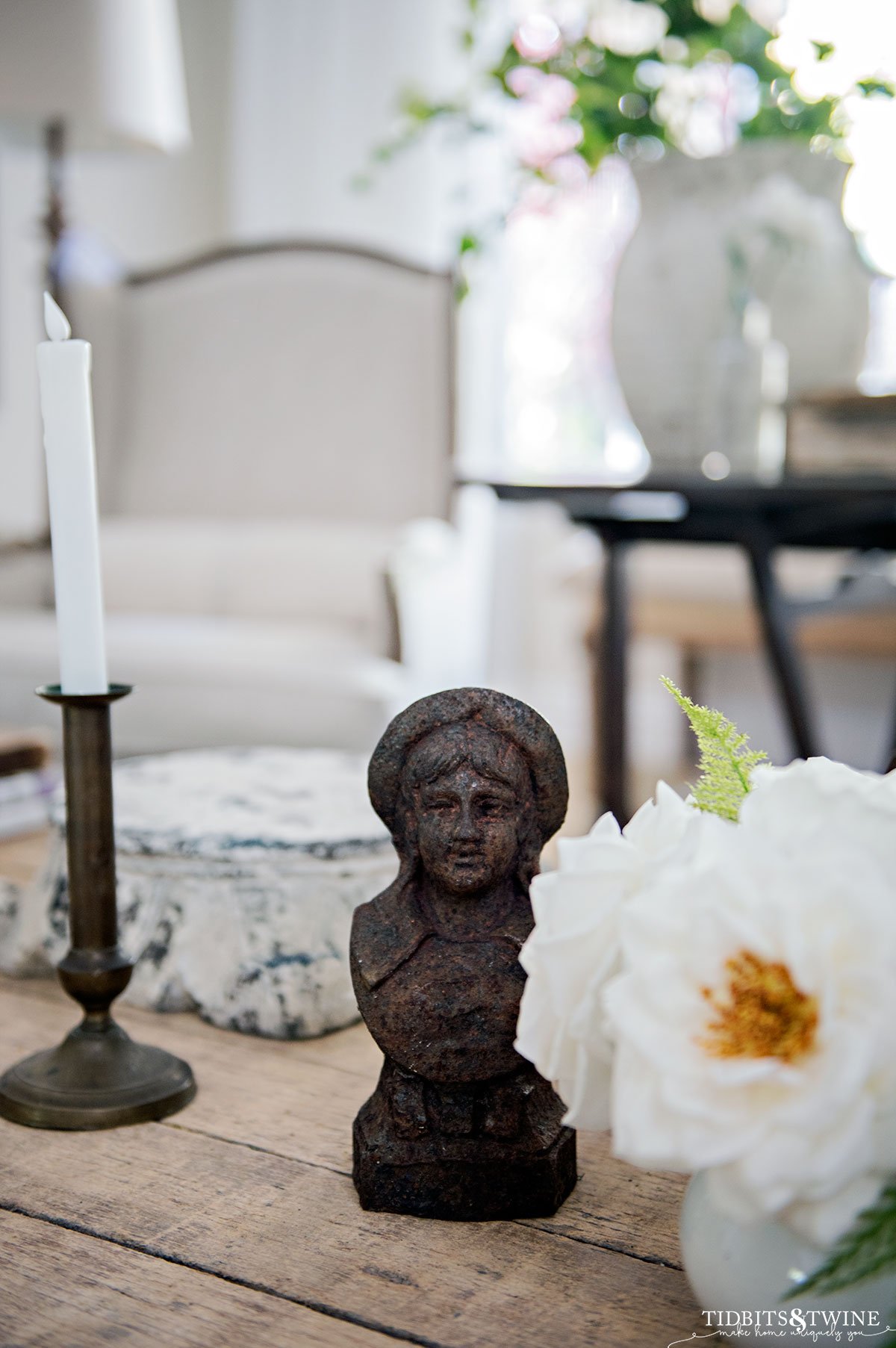
Preserving and Caring for European Antiques
Once you’ve brought your antique home, a little care goes a long way. These pieces have already stood the test of time, but a few smart habits will help them last even longer.
Avoid direct sunlight.
Too much light can fade paint, fabric, and wood. Keep antiques in soft, indirect light whenever possible.
Keep them away from heat.
Vents and fireplaces can dry out wood and cause warping or cracks. Try to maintain steady humidity.
Watch for bugs or woodworm.
Tiny holes or powdery residue can mean trouble. If you spot either, isolate the piece and call a restorer.
Dust gently.
For painted or gilded finishes, use a soft brush—never a damp cloth or polish. Moisture can lift delicate surfaces.
Skip the metal polish.
Hardware and hinges develop patina that adds character and value.
Clean ceramics and glass carefully.
Use mild soap and water—no abrasives or dishwashers.
Handle old paint with care.
If a piece might contain lead paint (pre-1978), avoid sanding or refinishing.
Not everyone collects antiques for value. Some of us bring them home to use and enjoy every day. My own Swedish Mora clock is a perfect example. I loved its shape but not its orange finish, so I painted it—knowing it might lower the appraisal but raise the joy it brings me.
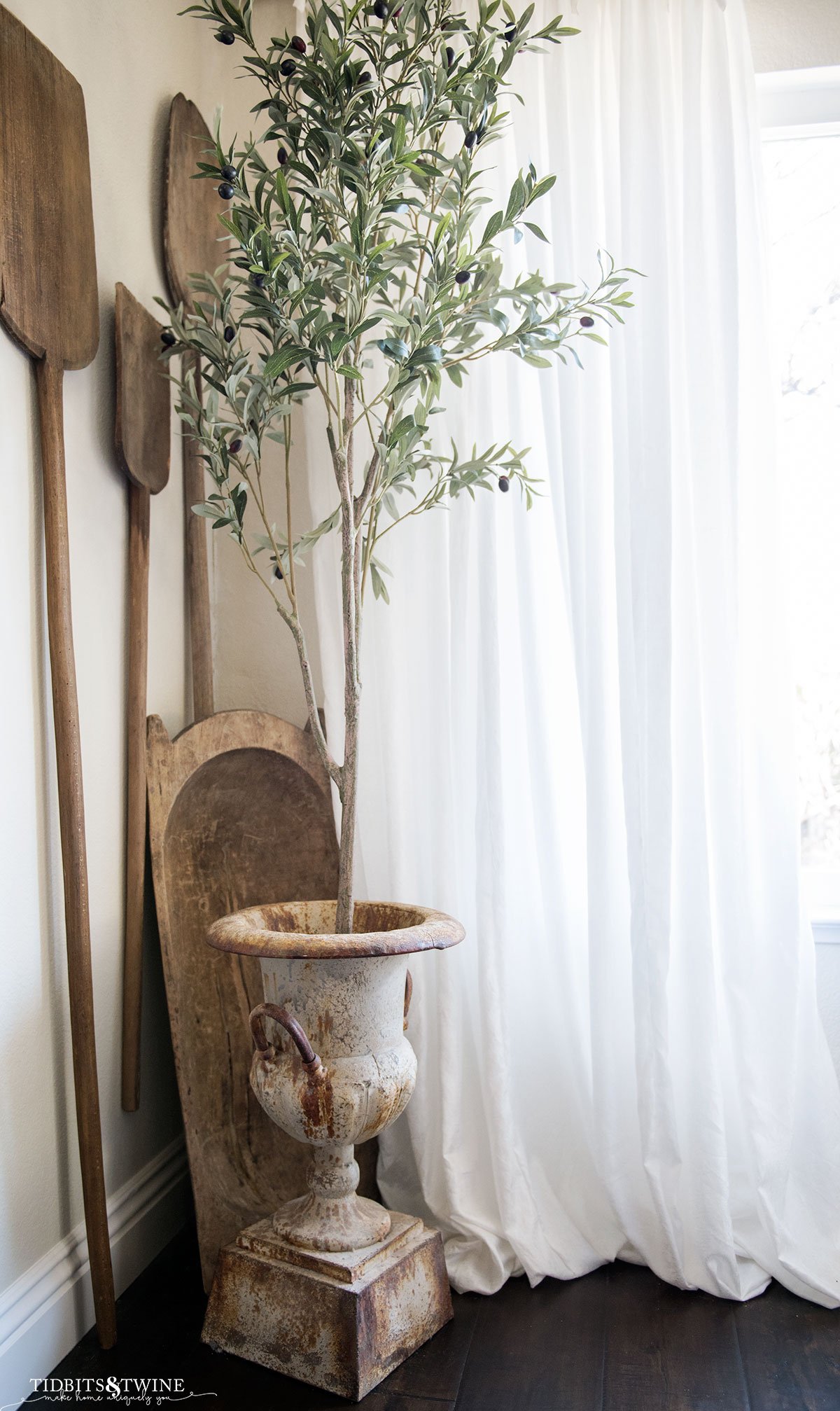
European Antique Reference Glossary
If you’ve ever wondered what all those names mean — from demijohns to dough bowls — here’s a quick alphabetical guide to the antiques mentioned throughout this post.
Architectural Fragments
Salvaged carvings, moldings, or columns that add old-world texture and interest to modern spaces.
Aubusson Tapestries
French woven wall hangings known for their intricate floral or pastoral designs.
Azulejo Tiles
Portuguese glazed ceramic tiles featuring blue-and-white patterns and ornate borders.
Baroque Mirrors
Italian mirrors with gilded, sculptural frames and dramatic carved detail.
Bergère Chairs
French upholstered armchairs with exposed wood frames and loose cushions.
Brass Candlesticks
Traditional English lighting made from solid brass, often with simple turned or baluster forms.
Bread Boards
Thick wooden boards once used for kneading dough or serving bread, now decorative staples in kitchens.
Carved Consoles
Italian or French wall tables with ornate carving and gilt or painted finishes.
Carved Wooden Chests
Spanish or Italian storage chests featuring intricate carving and iron hardware.
Ceramic Pitchers
Handcrafted pottery vessels used across Europe for water or wine; often regionally glazed or painted.
Chippendale Chairs
English chairs known for their refined lines, carved backs, and mahogany construction.
Classical Busts
Sculptural heads or torsos inspired by ancient Greece and Rome, popular in Italian and French decor.
Clock, Mora
A Swedish longcase clock with a curvy silhouette, often painted in soft gray or blue tones.
Confit Pots
French glazed terracotta pots once used to preserve meats; often yellow, green, or ochre.
Copper Cookware
English or French pots and pans crafted from solid copper, valued for both function and patina.
Deckled Edge Books
Books with rough, untrimmed page edges, beloved for their texture and timeworn charm.
Demijohns
Bulbous glass bottles once used for storing wine or oil, often encased in wicker or wire for protection.
Dough Bowls
Carved wooden bowls from Hungary or France used for mixing dough; each has unique wear and shape.
Faience
French or Belgian earthenware with a glossy, opaque glaze, often decorated with pastoral motifs.
Florentine Trays
Italian hand-painted and gilded wooden trays featuring ornate scrolling and gold leaf detail.
French Bottle Drying Racks
Metal racks originally used for drying wine bottles, now repurposed for mugs or décor.
French Olive Jars
Large terracotta jars used in Provence for storing olives and oil, recognized by their rounded shape.
Frozen Charlotte Dolls
Tiny 19th-century porcelain dolls, originally bath toys, now collected for their curious charm.
Furniture, Louis XV / Louis XVI
French furniture styles characterized by graceful curves (Louis XV) or straight neoclassical lines (Louis XVI).
Gadget Canes
19th-century walking sticks with hidden compartments or tools, collected for their ingenuity.
Gilded Candlesticks
Ornate candleholders, often French or Italian, with carved gilt finishes.
Grain Sacks
Heavy woven linen or hemp fabric once used for grain transport, often monogrammed or striped.
Industrial Lighting
Belgian or French metal fixtures salvaged from factories; prized for patina and simplicity.
Intaglios
Small plaster medallions featuring classical reliefs, framed or displayed in grids.
Leather-Studded Chairs
Spanish or English chairs with decorative nailhead trim or embossed leather seats.
Linen Armchairs
Belgian or French upholstered chairs with relaxed linen covers and simple silhouettes.
Linen Cupboards / Presses
Tall storage cabinets used across Europe for linens; often oak or pine with paneled doors.
Limed Oak Furniture
Belgian furniture with a pale, washed finish highlighting the grain.
Majolica
Italian tin-glazed pottery known for its colorful, hand-painted floral or figural motifs.
Marble Busts
Classical sculptures made from carved marble, often displayed on pedestals.
Metal Troughs / Stone Troughs
Utilitarian farm pieces repurposed for planters or decorative displays.
Mora Clock
See Clock, Mora.
Painted Buffets
Swedish or French sideboards with soft chalky finishes and minimal ornamentation.
Painted Folk Furniture
Scandinavian or Hungarian hand-painted furniture featuring floral or geometric motifs.
Painted Religious Panels (Retablos)
Spanish or Italian devotional paintings on wood or metal, often featuring saints.
Painted Santos Figures
Portuguese or Spanish carved wooden religious figures, distinct from French Santos dolls.
Portraits
Painted depictions of people, often on canvas or board, prized for their patina, brushwork, and sense of history.
Portuguese Ceramics
Colorful pottery featuring bright glazes in blue, green, or yellow tones.
Religious Art
Spanish or Italian devotional paintings, sculptures, or relics used for personal altars.
Rustic Pottery
Hand-thrown clay vessels from Hungary or southern Europe with simple, utilitarian shapes.
Santos Dolls
Hand-carved religious figures from Southern Europe, collected for their soulful, sculptural quality.
Secretary Desks / Bureaus
English writing desks with a fold-down surface and small compartments.
Staffordshire Figurines
English ceramic figurines depicting animals, people, or pastoral scenes.
Swedish Crystal
Clear, high-quality glassware from Sweden, known for simplicity and fine craftsmanship.
Transferware
English pottery decorated using transfer printing, featuring scenic or floral motifs.
Trumeau Mirrors
French mirrors with a carved or painted panel above the glass.
Venetian Glass
Italian glass from Murano, often featuring vibrant color, gilding, or delicate filigree.
Vintage Baby Bathtubs
Small zinc or enamel tubs used for bathing infants; now repurposed as planters or storage.
White Ironstone
Durable glazed pottery developed in England, valued for its creamy finish.
Windsor Chairs
Classic English chairs with spindle backs and turned legs, known for their sturdy, timeless style.
Wrought-Iron Chandeliers
Spanish or French iron light fixtures with scrolling detail and rustic patina.
Final Thoughts
European antiques will always be a favorite of mine. They’re not perfect—and that’s what I love about them. The wear, the craftsmanship, the history… it all adds up to something that feels real and full of life.
From a grand Mora clock to a well-used breadboard, these pieces make a home feel warm and lived in. They bring a bit of the past into the present in the best possible way.
If I had to give one piece of advice, it would be this: collect what you love. Forget the rules, the trends, and what’s considered valuable. The pieces that speak to you will always fit — and together, they’ll tell your story better than anything else.

DECORATING MADE EASY
Get my free 5-day decorating course and learn how to define your style, make better decisions, and create a home that feels like you.
After the course, you’ll receive my latest decorating tips, antique finds, and new posts.