




I live in a tract home in the suburbs of California. For those who might not be familiar, a tract home means there are only about three floor plans in the entire neighborhood—so basically, every third house is exactly the same as mine. So much for being unique, huh?
And not only that, but my house was built in 1989, back when features like cultured marble and shiny brass were considered luxurious. These days, those finishes have yellowed, cracked, and definitely lost their luster. They don’t look luxurious, they look dated.
As a stay-at-home mom of two, I can’t always give my home the full remodels I dream of. But over the years, I’ve learned how to make my home look expensive on a budget—proof that style doesn’t have to come with a hefty price tag.
Recently, I started looking around at some of the simple updates we’ve done over the years—and realized how many of them make a big impact without a big price tag.
So I’ve pulled together a list of ideas to help you do the same. Because the truth is, you can make your home look expensive without a remodel or a hefty budget. It’s all about knowing which details matter most.
What Makes a Home Feel Luxe
Luxury isn’t just about spending more — it’s about creating balance, cohesion, and attention to detail. High-end homes tend to have a sense of calm and flow because every choice feels intentional, from the color palette to the lighting to the texture of the fabrics.
It’s not about perfection — it’s about intention. When your choices feel connected, your home feels thoughtful and inviting, no matter your budget. That’s the real secret behind spaces that look effortlessly expensive.
Each of the ideas below is designed to help your home feel more polished, cohesive, and high-end—no major remodel required.
Refresh Your Color Palette
So where do you start? I always begin with color. It’s one of the easiest—and least expensive—ways to completely change how a space feels. The right palette can make even an older home (like mine) feel cohesive and intentional, and that’s half the battle when you’re creating a high-end look on a real-world budget.
1. Pick a Coordinating Color Scheme
One of the simplest ways to make your home look more expensive is to make sure your colors flow from room to room. Pick two or three colors that work well together and repeat them in connecting spaces—on walls, furniture, and even small accents. When everything feels like it belongs in the same family, the whole house instantly feels more polished.
When your palette feels unified, your entire home looks more curated and intentional.
2. Follow the 60-30-10 Rule
This is one of those decorating tricks that always works. Think of it as a guide to help your room feel balanced. Use one color for about 60% of your space (usually your walls), a secondary color for 30% (furniture, curtains, or rugs), and an accent color for the final 10%. It keeps everything looking pulled together without feeling overdone.
You can find more information about this Rule, plus real-world examples, in THIS POST.

3. Keep Large Elements Neutral
Walls, sofas, and other big pieces anchor a room, so keep them neutral or softly toned. Think warm white, greige, mushroom, or taupe. These calm backdrops make even affordable decor feel elevated and allow smaller accents—art, pillows, and flowers—to shine.
Big pieces—like walls, sofas, and rugs—are the things you’ll probably keep the longest, so it’s smart to choose colors that stand the test of time. Neutrals like warm white, greige, and mushroom never go out of style and make it easy to change up your look later with new pillows or art. Since high-end homes rarely look dated, keeping your main pieces timeless gives that same feeling of quiet sophistication.

Styling Tip: Muted, desaturated colors almost always read as more sophisticated than bright ones. Try swapping crisp white for creamy ivory or warm beige to give your home a softer, more refined feel.
Give Your Walls an Upgrade
Once your color palette feels right, the next place to focus is your walls. They take up the most visual space in a room, so any change—big or small—can completely shift the mood. You don’t need expensive materials or custom millwork to make an impact. A few simple updates like molding, wallpaper, or even a well-placed mirror can add character and depth that instantly make your home feel more elevated.
4. Add Molding or Trim
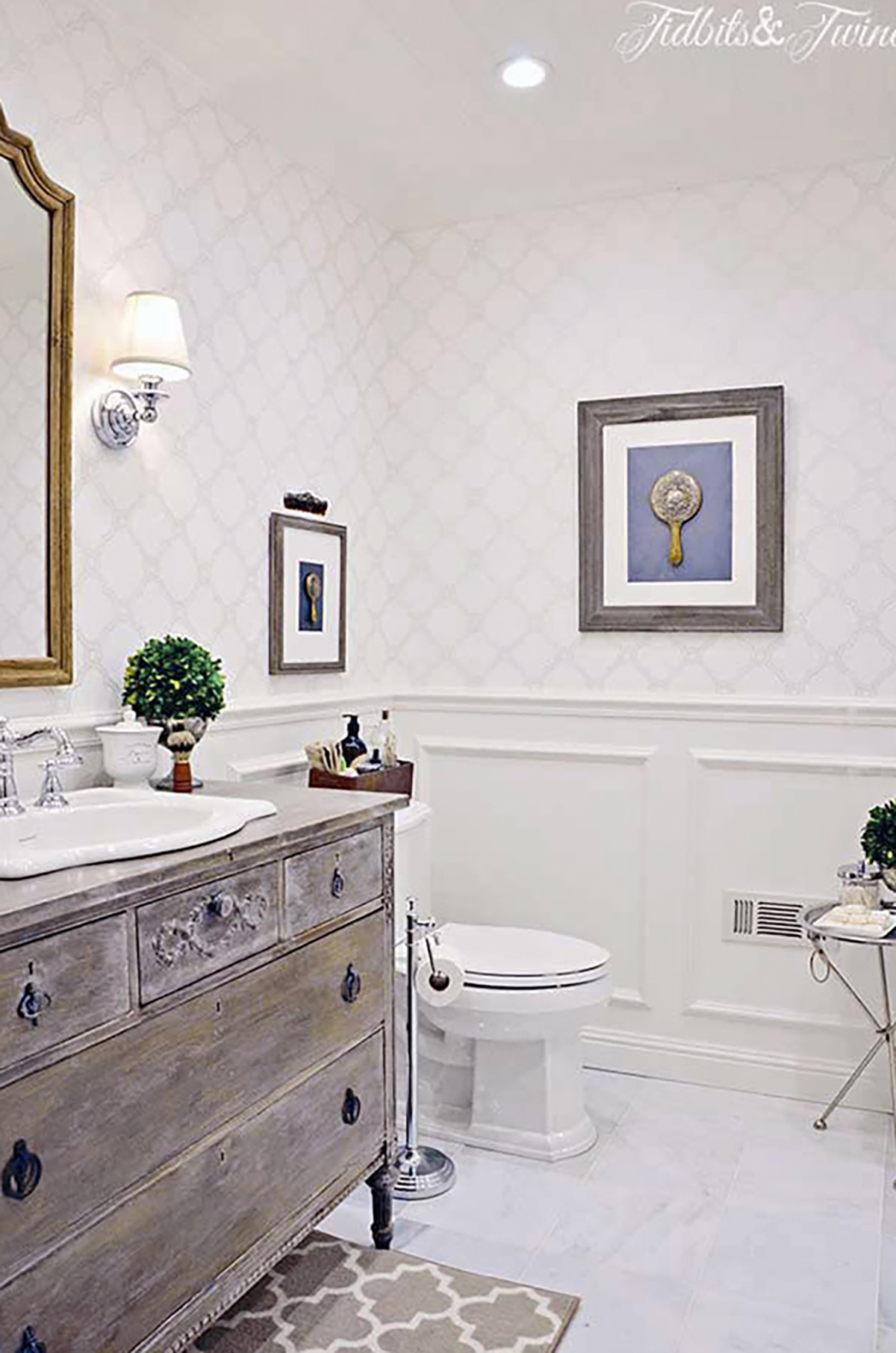
Nothing adds instant character quite like trim work. Even simple box molding or narrow picture frame molding can make flat walls feel more architectural. You don’t have to go full wainscoting—just a few well-placed pieces can create that custom-home feel.
Styling Tip: Paint the trim the same color as your walls for a subtle, high-end look, or use a slightly deeper shade to bring out the detail.
5. Try Wallpaper or Add Texture
Wallpaper has made a huge comeback, and it’s one of the easiest ways to give a room personality. Even peel-and-stick options can make a big difference without the commitment. I actually added a peel-and-stick grasscloth wallpaper to the back of one of my cabinets, and it completely changed the look—suddenly it felt intentional and high-end instead of just functional.
If you’re hesitant to commit to a full wall, start small like that or try a powder room, bookshelf, or nook. Textured styles, like grasscloth or linen, add warmth and depth, while bold patterns can create a dramatic focal point. If wallpaper isn’t your thing, try beadboard, shiplap, or even a painted treatment—anything that gives your walls texture will instantly feel more custom.
6. Hang Art or Mirrors
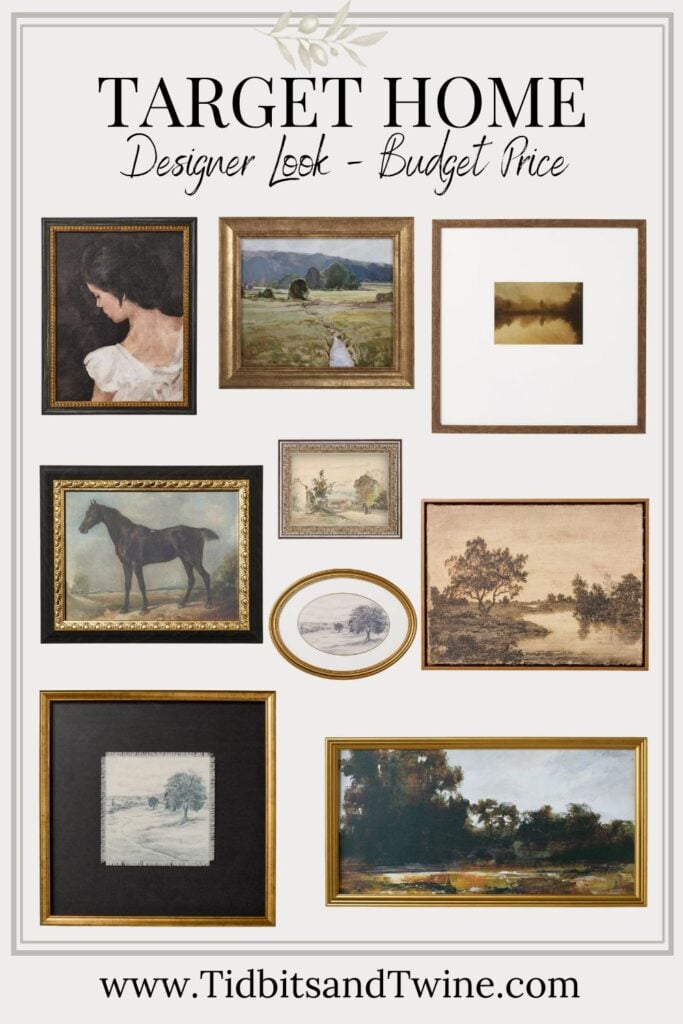
Bare walls make even beautiful rooms feel unfinished. Hanging art or mirrors adds personality and gives your space that layered, intentional look designers love.
There was a time when the collected gallery wall was the thing to do—and I even shared a post about how to create one—but that look has started to fade along with the farmhouse style it was often paired with. These days, cleaner arrangements feel more elevated. Try one large statement piece or a tightly organized grouping with simple frames and plenty of breathing room.
Mirrors are another easy way to add polish. They reflect light, make small spaces feel larger, and can double as statement art. Hang one across from a window or near a light source to brighten the room and add that high-end touch.

Upgrade Your Lighting to Make Your Home Look Expensive
Lighting has one of the biggest visual impacts in a room—it can change how colors appear, set the mood, and even make furniture and finishes look more high-end. Outdated builder-grade fixtures can instantly age a space, but a few simple upgrades can make your home look expensive on a budget.
7. Upgrade Your Light Fixtures
Lighting sets the tone for an entire room, but builder-grade fixtures can make even beautiful spaces feel generic. Swapping them for something with shape, texture, or personality is one of the easiest ways to elevate your home — no remodeling required.
Choose pieces that complement your home’s style but add a hint of drama, like a simple brass chandelier, sculptural pendant, or linen-shade flush mount. Even budget-friendly fixtures can look designer when they have the right proportions and finish.
You can find some of my favorite French chandeliers HERE.
8. Layer Your Lighting
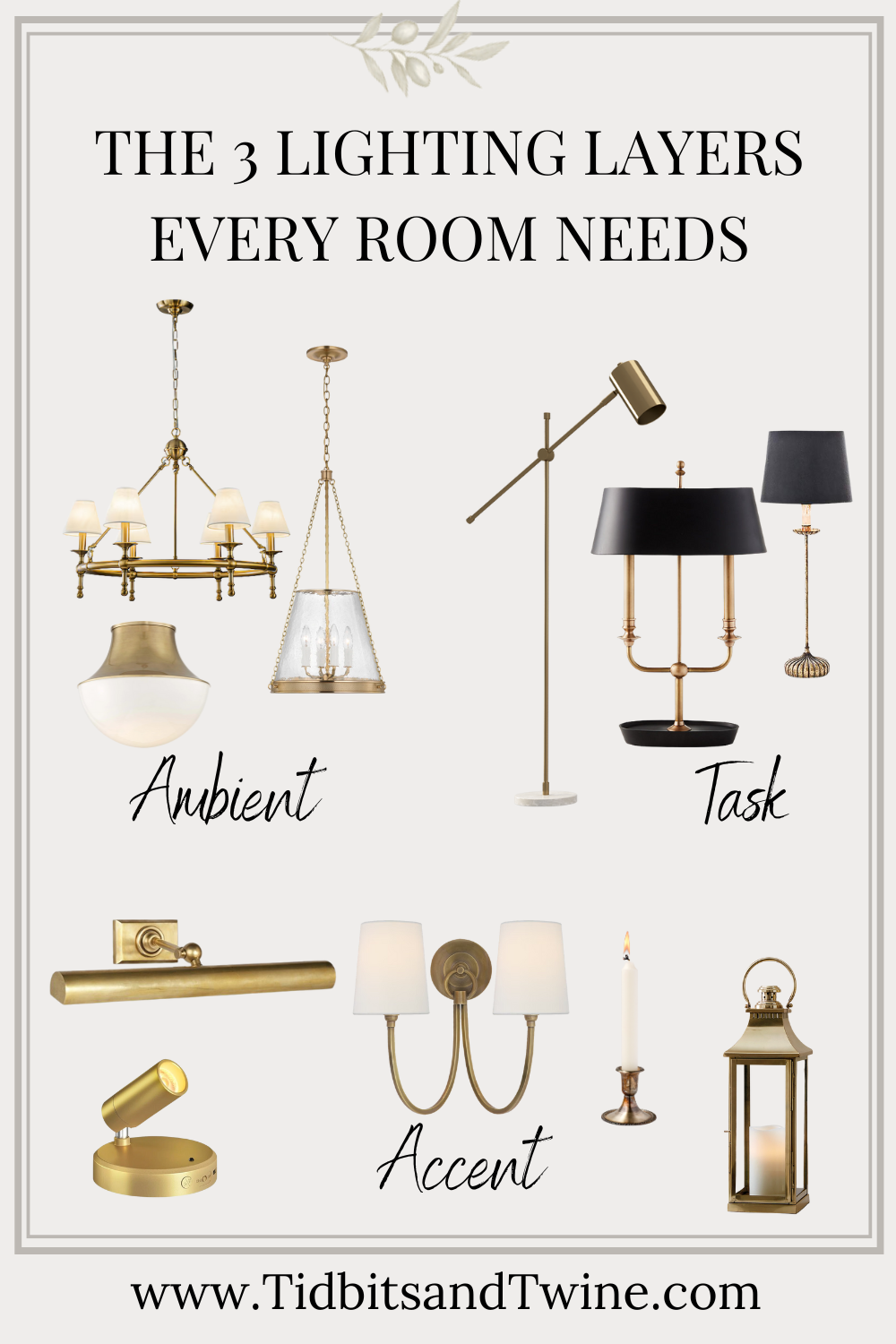
One light source is never enough if you want your home to feel warm and inviting. Designers use a mix of lighting types—ceiling, table, and floor lamps—to create depth and mood. Each layer serves a different purpose: overhead lights provide general illumination, while lamps add softness and highlight areas you want to draw attention to.
If your space feels a little flat or harsh, try adding a lamp to a dark corner or a pair of sconces beside a mirror or piece of art. The change is subtle but makes a big difference—it’s what gives a room that cozy, high-end glow.
9. Add Dimmer Switches
If you only make one change to your lighting, make it this one. Dimmer switches let you control the light so your room feels right no matter the time of day—bright when you need it, soft and cozy when you don’t. It’s a small upgrade that completely changes the mood of a space.
They’re inexpensive and easy to install, but the difference they make is huge. Most high-end homes rely on dimmers because they help every room feel a little warmer and more inviting, especially at night.
10. Change Bulbs and Color Temperature
There was a time when every light bulb gave off that really yellow glow, so when bright white “daylight” bulbs came along, they felt like a big improvement. But in most homes, that bright light can feel a little harsh—more like an office than a living room.
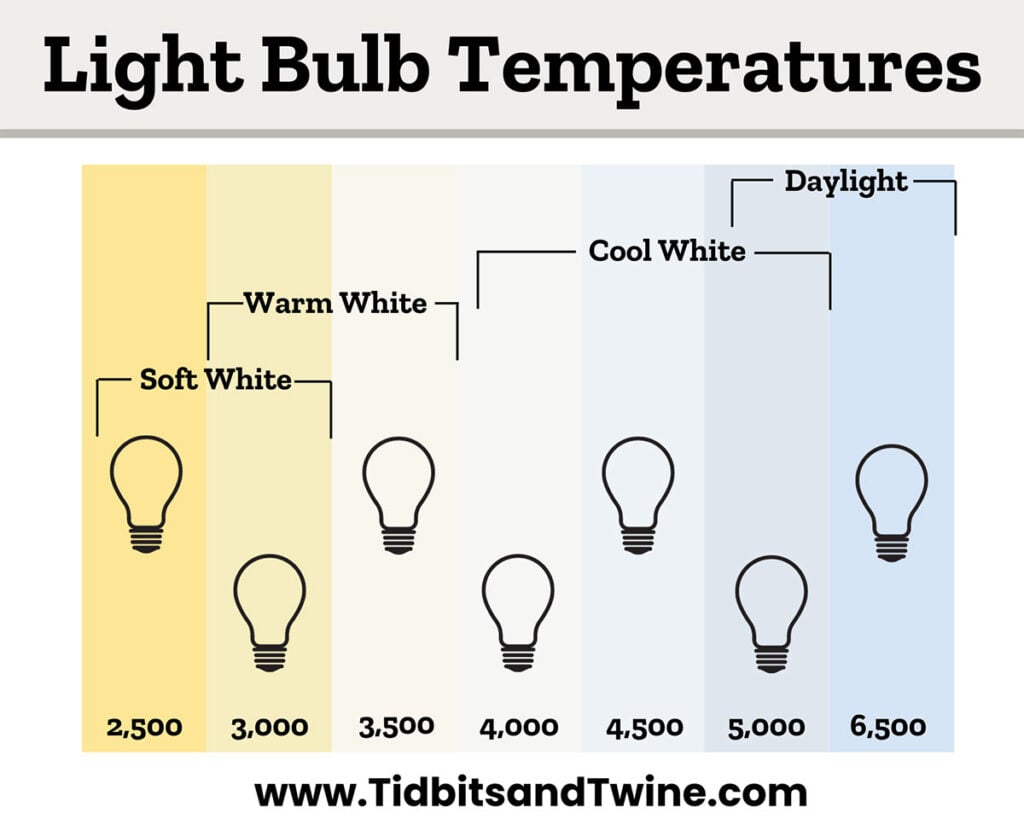
These days, high-end homes tend to use soft white bulbs (around 2700K) because they strike the perfect balance. They still feel bright and clear, but they add a warm, flattering glow that makes everything—from your furniture to your wall color—look richer. It’s the kind of lighting that feels cozy and collected, not cold or clinical.
You can read more about this in my post Soft White vs Daylight: Which Light Bulb is Best for Your Home?
11. Update Light Switches and Outlets
This is one of those small updates that makes a big difference once you notice it. Over time, switches and outlets can yellow, crack, or just start to look tired—especially in older homes. Swapping them for clean, white versions or modern screwless plates instantly gives your walls a fresh, updated look.
If you want to go a step further, install dimmer switches while you’re at it (which we talked about above). Together, these small details make your lighting feel intentional and refined, which is exactly what gives high-end homes that polished, cohesive look.
Elevate Your Windows for a Luxe Look
Windows are more than just things you look through — they’re architectural opportunities. The right treatment can make them feel taller, wider, and more intentional, which is exactly what you want in a home that looks elevated.
12. Hang Curtains High and Wide
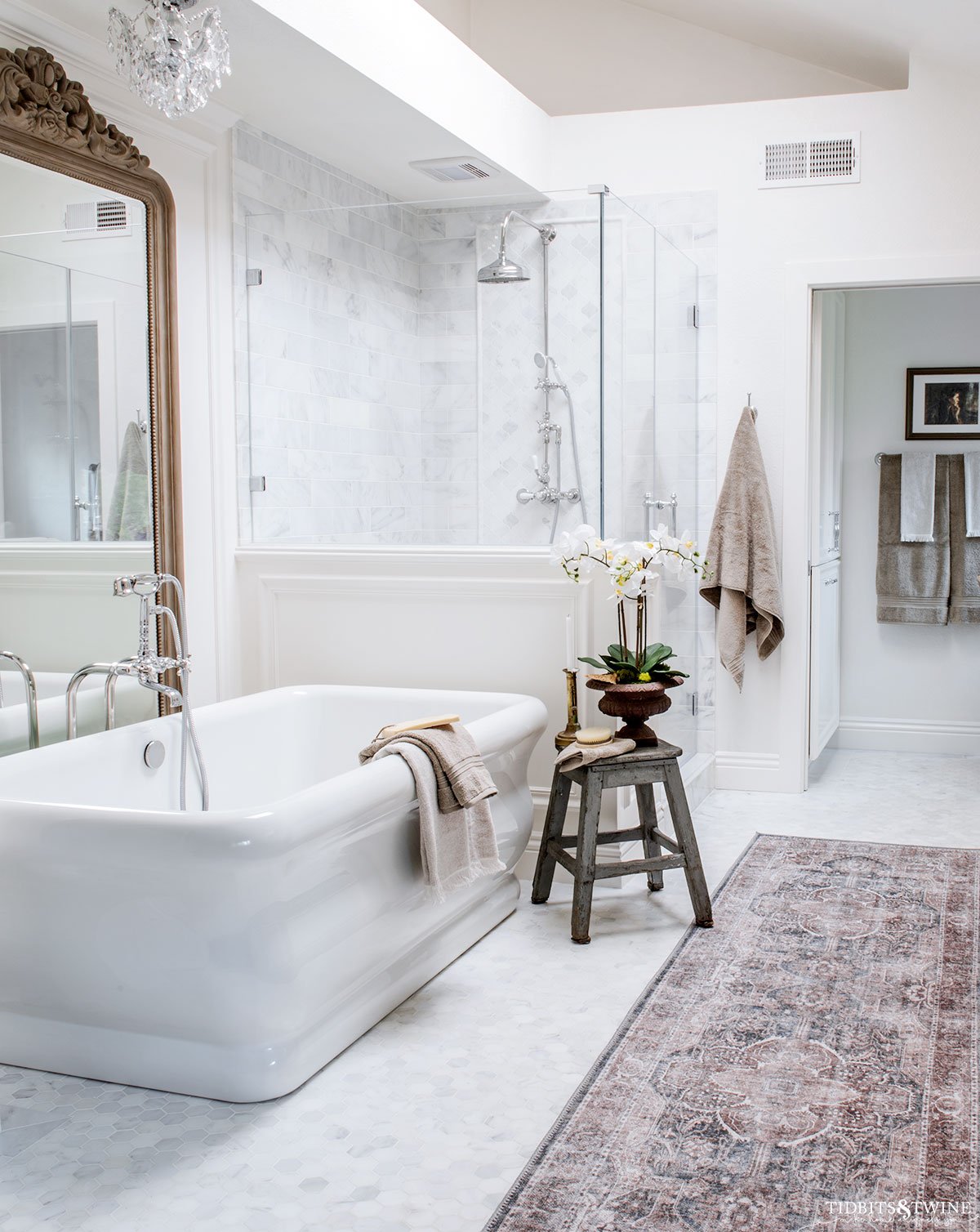
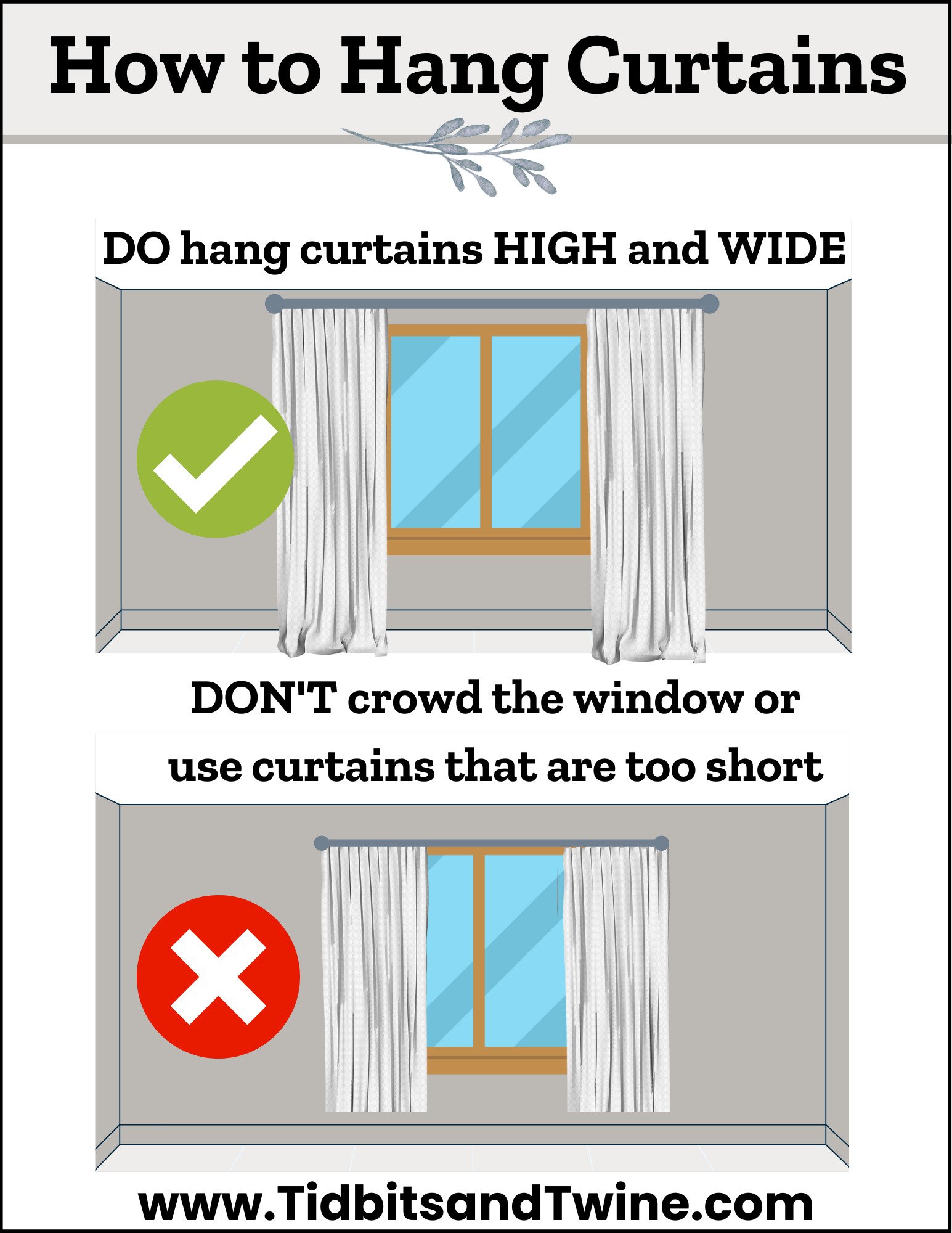
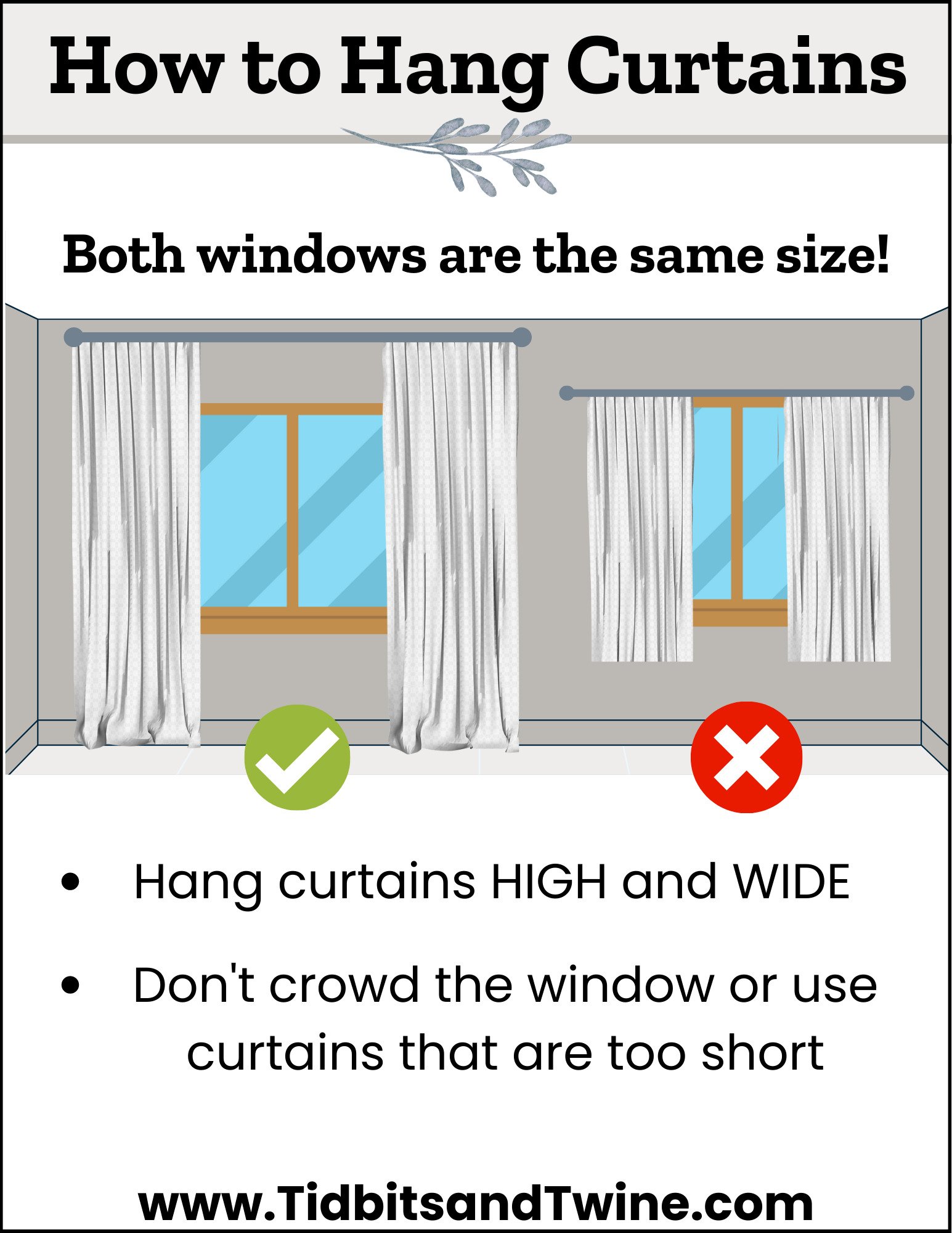
One of the best tricks I’ve used: mount your curtain rod near the ceiling or just below crown molding, not right above the window frame. Also, extend the rod beyond the window trim—8 inches or more—so your curtains stack neatly and don’t cover glass when open. These simple moves make windows feel larger and more elegant.
13. Ditch Basic Blinds
Blinds are functional, but they rarely feel luxe. Swap them out for floor-length drapery or crisp plantation shutters. Your windows (and your design eye) will instantly look cleaner and more cohesive.
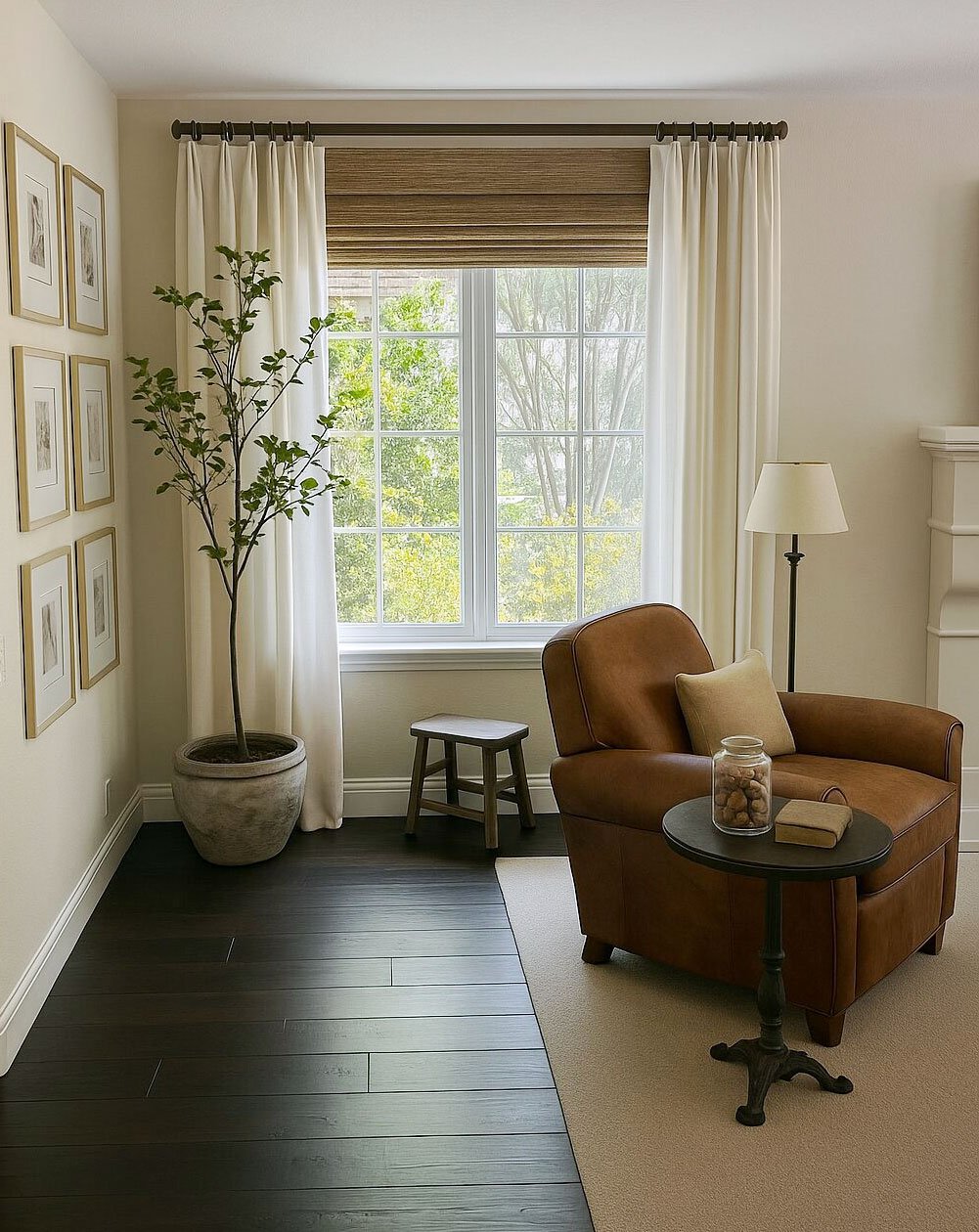
I recently purchased these woven shades for privacy and used my existing drapery panels for softness.
14. Choose the Right Curtain Length
For most homes, aim for floor-skimming curtains—just a half-inch off the floor is ideal. Want a more dramatic look? Let them puddle nicely with 2 to 8 inches of extra length. Either way, avoid curtains that look short or awkward—they cheapen the whole look.
Refine Your Furniture & Layout
Even the most beautiful pieces can look off if they’re not the right size or placed well. Getting the proportions right and creating comfortable flow through a room are two of the biggest differences between a space that feels “thrown together” and one that feels designer.
15. Choose Properly Scaled Furniture and Rugs
One of the easiest ways to spot an expensive-looking room is by how well everything fits together. Furniture that’s too small or rugs that “float” in the middle of the room can make a space feel disjointed, no matter how nice the pieces are.
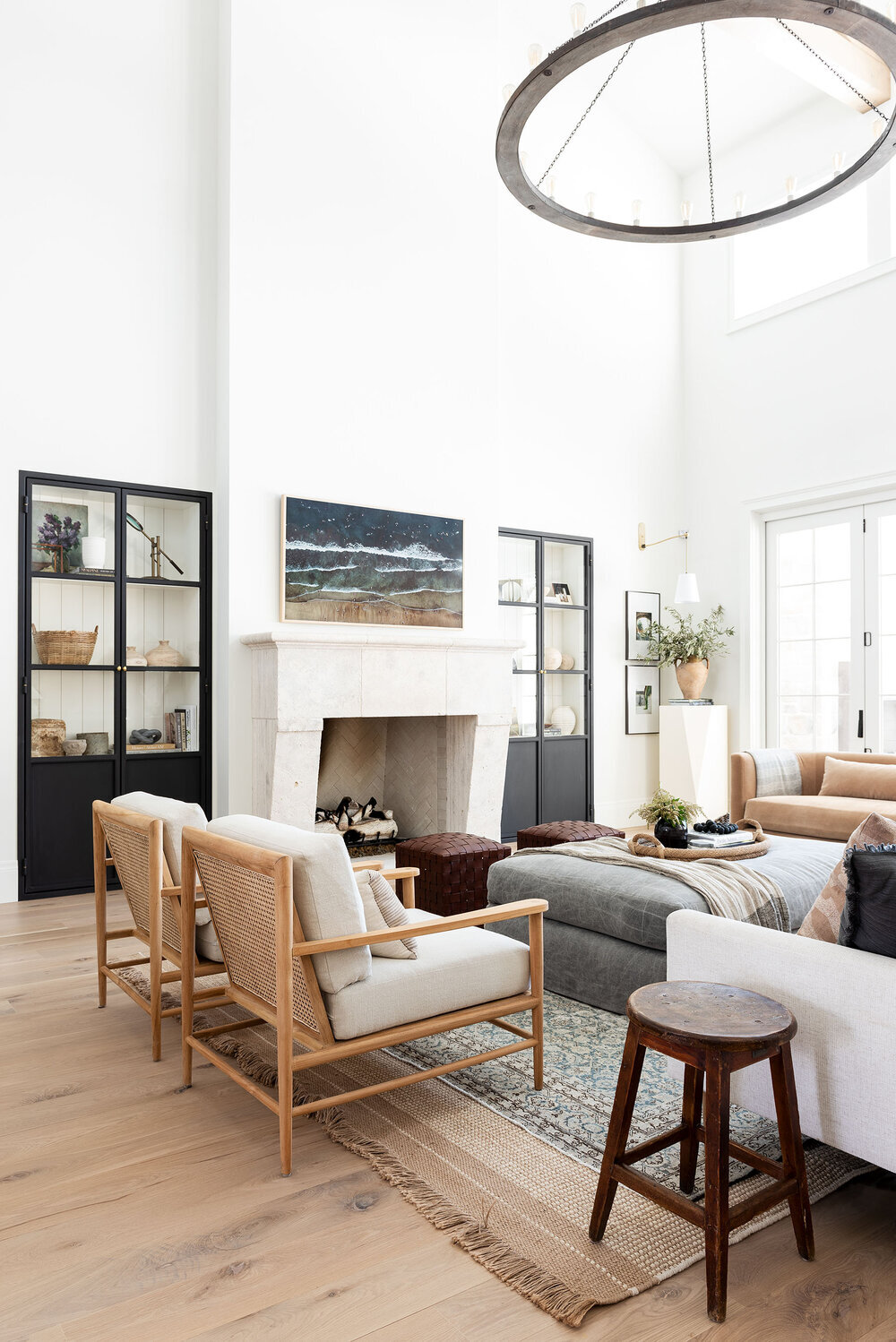
When you’re buying furniture, think about size and proportion as much as style. A sofa that fits the room’s scale or a rug that anchors the layout instantly makes everything feel more polished. Rugs, especially, should connect your pieces rather than separate them—at least the front legs of your furniture should sit on the rug so it feels grounded and cohesive.
16. Create Flow Around Furniture
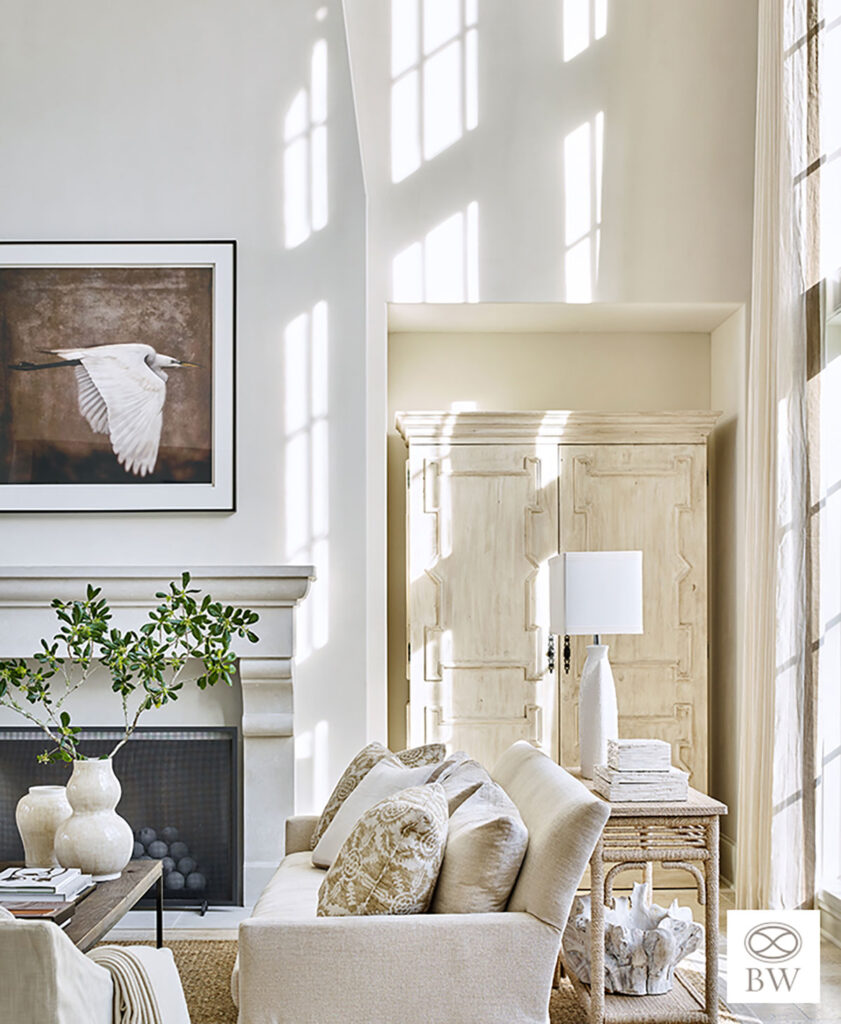
Another secret to a high-end look is how furniture is arranged. Instead of pushing everything up against the walls, pull your pieces in to create a conversation area. Think of your furniture as if it’s “talking” to each other—close enough to connect, with just enough space for people to walk comfortably around.
This small shift changes everything. Rooms instantly feel warmer, more welcoming, and more intentional. Even if you’re working with the same pieces you already own, rethinking how they’re placed can make your home feel like it’s had a mini makeover.
Add Layers of Texture
Texture is one of those quiet details that instantly makes a room feel more expensive. It’s what keeps a neutral space from feeling flat and gives your home that layered, lived-in look designers love. You don’t need fancy materials to get the effect—just a mix of finishes that play nicely together.
17. Mix Materials
Every material brings something different to a space—linen feels relaxed, velvet adds a little luxury, and wood keeps things grounded. Try combining soft fabrics with hard surfaces or matte finishes with a hint of shine. That mix of contrasts creates depth and gives your room a collected, high-end feel without spending a lot.
18. Choose Down or Down-Alternative Pillows
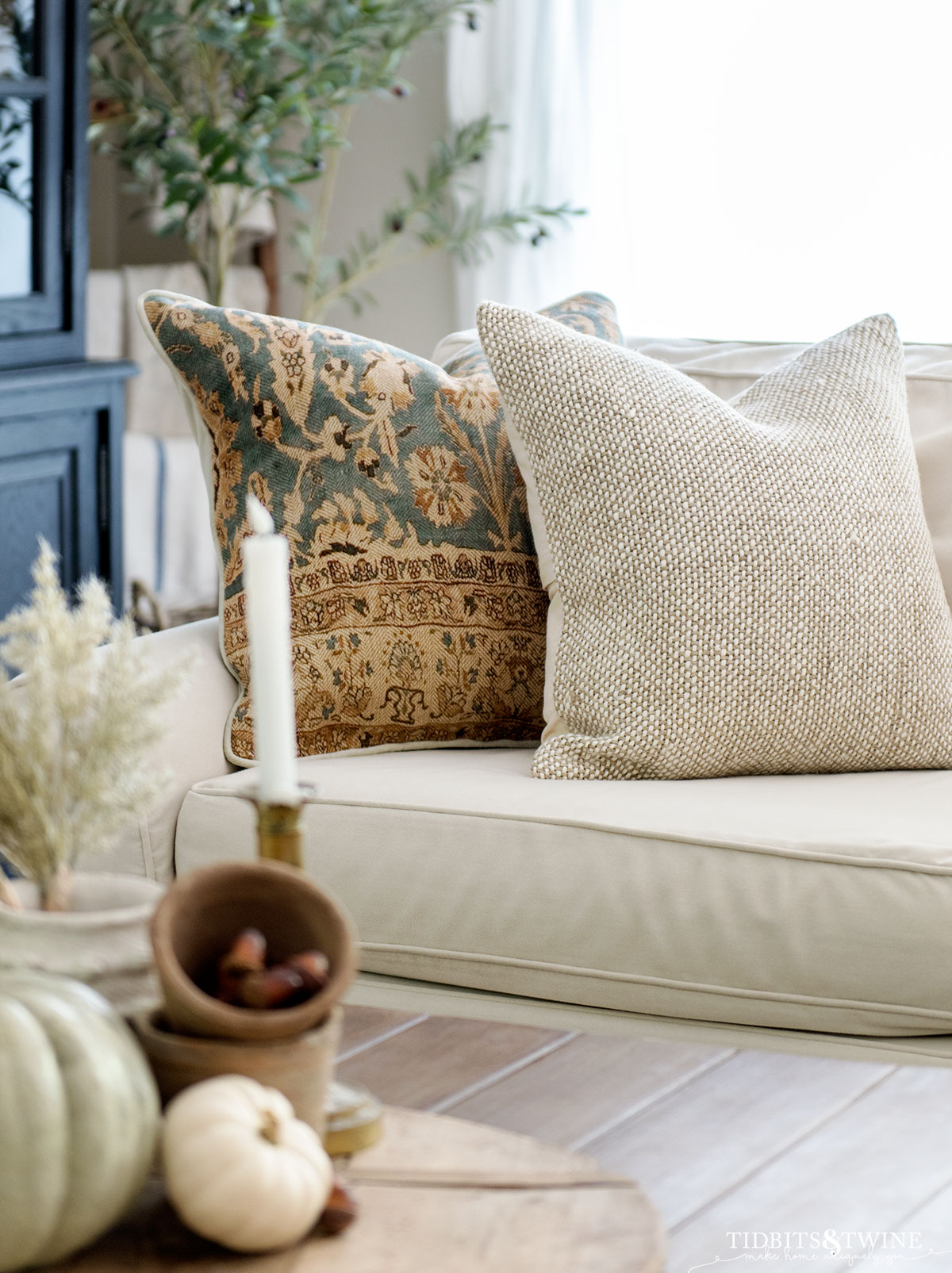
If you’ve ever wondered why designer sofas look so plush, this is part of the secret. Swap out flat, stiff pillow inserts for down or down-alternative versions that you can fluff and shape. They instantly make even inexpensive pillow covers feel more substantial and inviting.
19. Layer Rugs for Depth
Layering rugs is an easy way to add texture and warmth, especially in larger rooms. Try a natural jute or sisal rug as your base and place a smaller patterned rug on top. It’s a trick designers use to add interest and make a room feel cozy and collected—and it works beautifully on a budget.
Style Like a Designer
Once the big pieces are in place, the magic happens in the details. How you style a room—what you choose to display, how much you show, and even what you leave out—has a huge impact on whether your home feels elevated or cluttered. A little restraint goes a long way here.
20. Layer Your Decor
The real difference between a house and a home is in the layers — mixing textures, shapes, colors, and objects so things feel intertwined, not random. In my post “The Art of Layering: Adding Depth to Your Space”, I talk about how layering is more than adding things — it’s making them work together so your design feels both thoughtful and alive. Tidbits&Twine
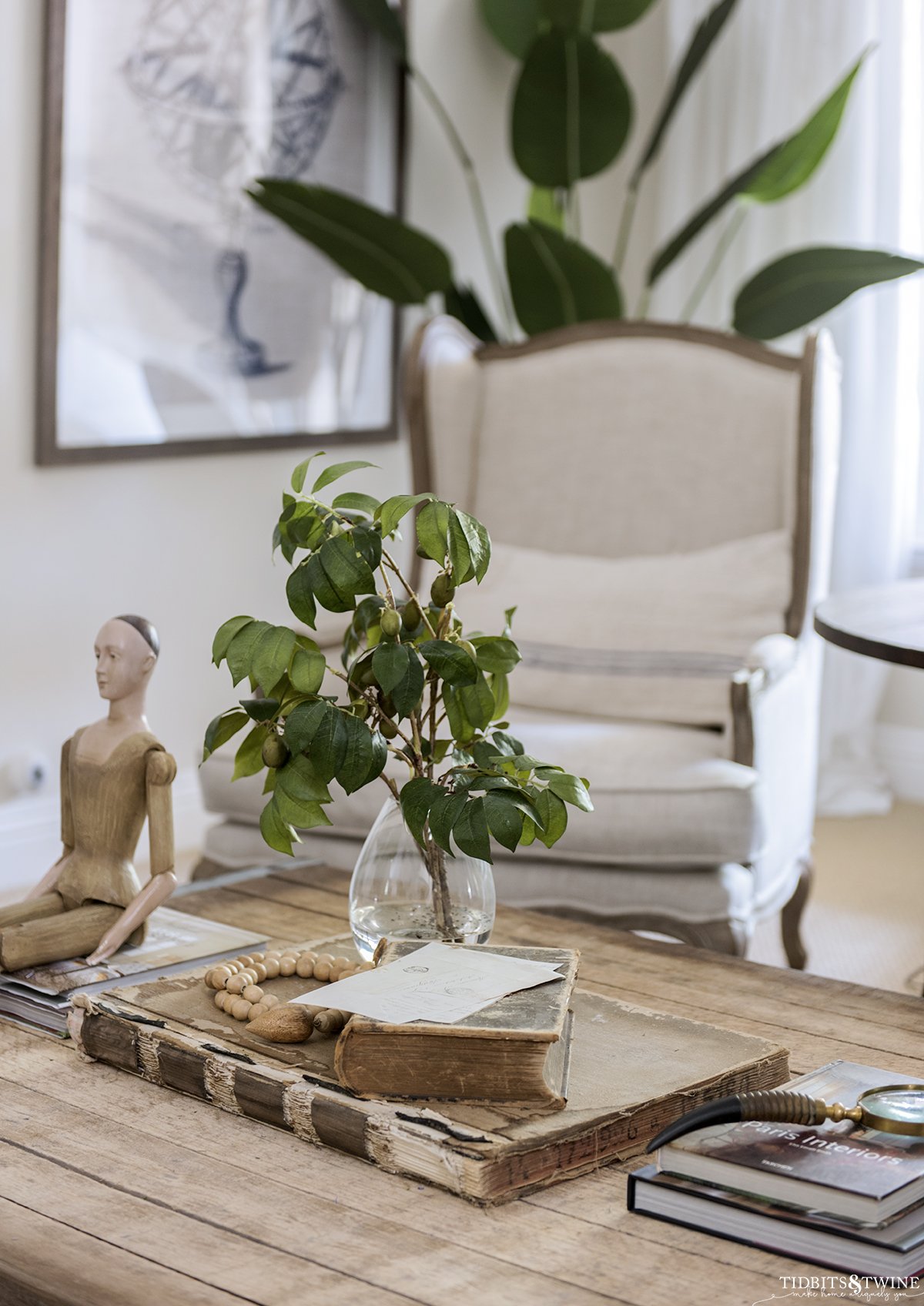
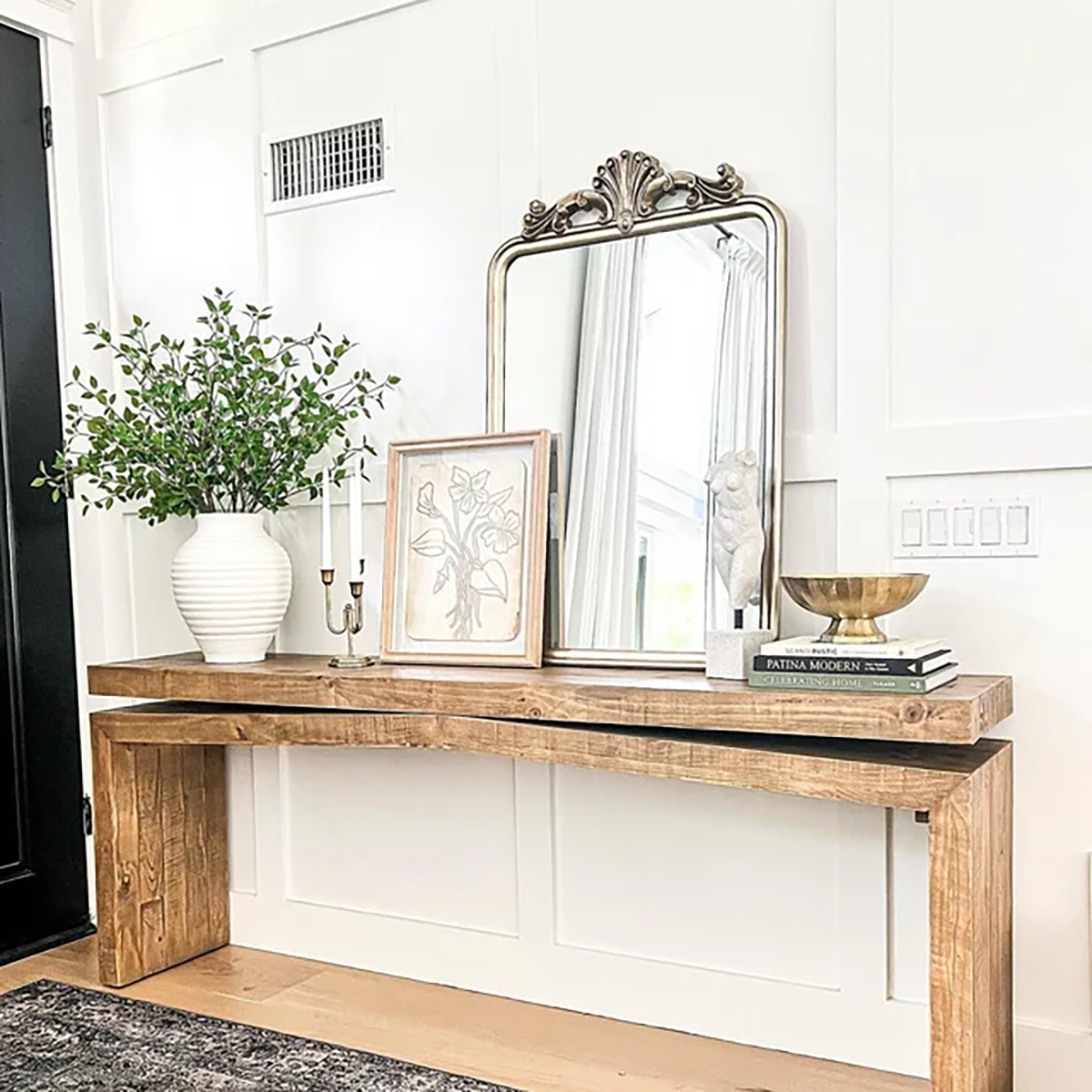
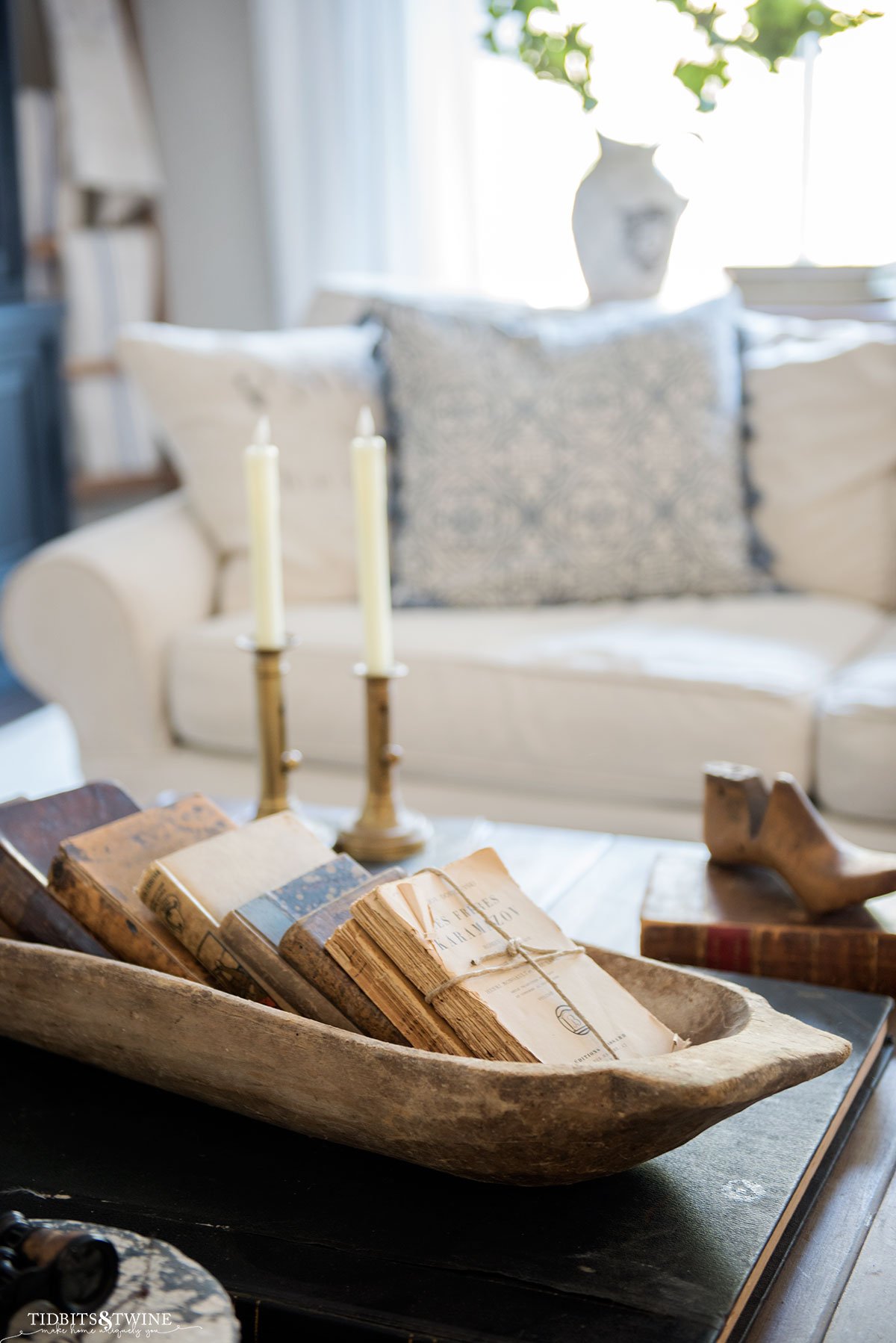
When you’re layering décor, start by combining pieces that vary in height and scale. Think: a tall vase, a stack of books, a small sculpture — all grouped together, not spread across surfaces. Use textures and finishes that contrast rather than match exactly. Let one piece whisper and another speak—it’s that push and pull that creates visual interest without chaos.
Styling Tip: Grouping objects in odd numbers, aligning them to the same baseline, and leaving negative space around them makes your décor feel curated instead of cluttered.
21. Style, Then Edit
Once you’ve finished decorating a surface, take a step back and remove one thing. It’s a trick stylists use all the time—it gives your decor room to breathe. Fewer pieces with a little space around them will always look more polished than a crowded tabletop, no matter the budget.

22. Add Plants, Flowers, and Scent
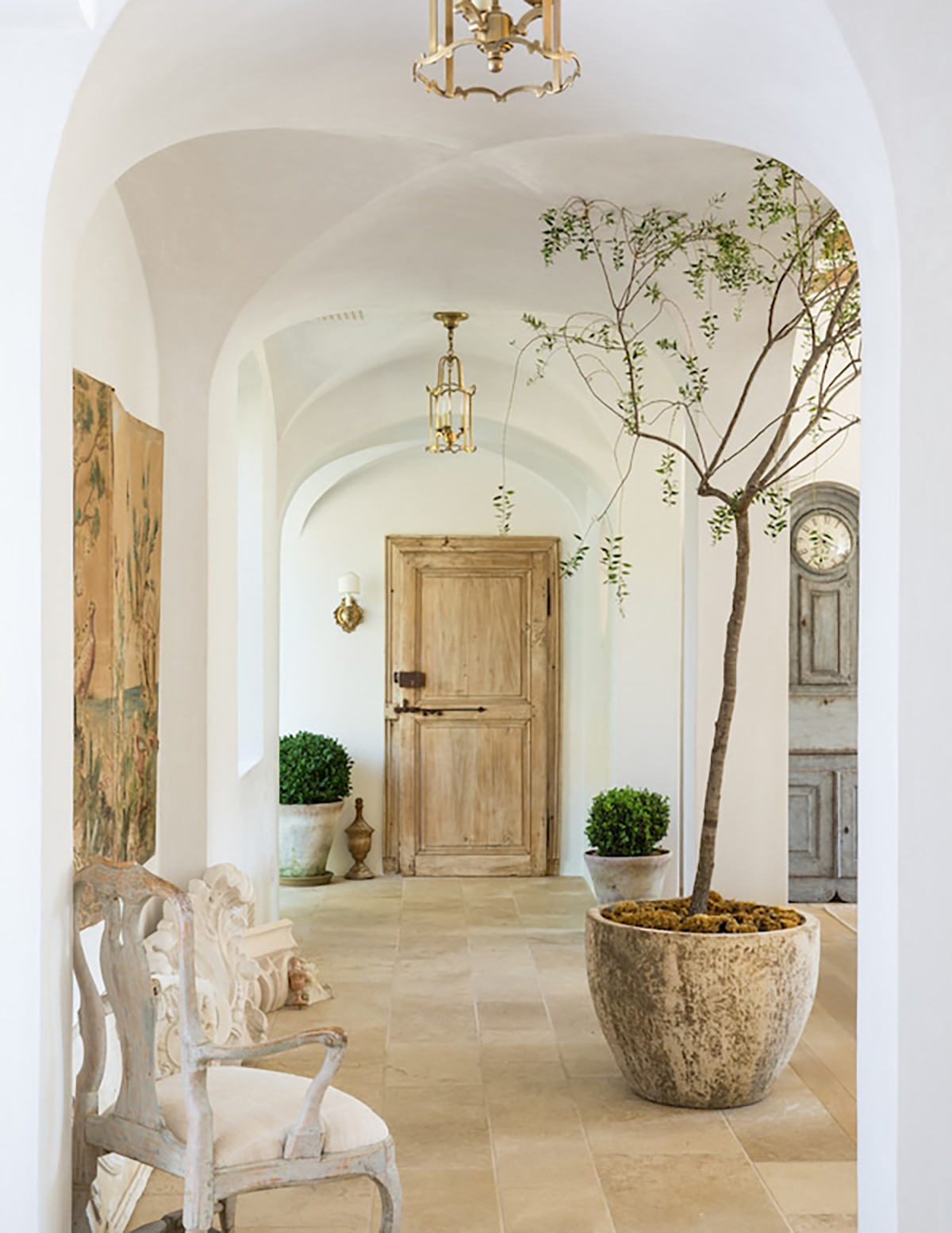
Nothing brings a space to life faster than greenery or fresh flowers. Even faux stems can add texture and softness if you choose realistic ones. And don’t forget scent—candles or diffusers make your home feel as good as it looks. These little sensory touches make a space feel layered and lived-in, the same way designer homes do.
Maintain the Magic
Creating a high-end look is one thing—keeping it that way is another. Even the most beautifully designed home can lose its charm if it starts to feel cluttered or neglected. The good news is, maintaining that polished, pulled-together look doesn’t require constant effort—just a few easy habits.
23. Declutter Regularly
Expensive homes always feel calm, not chaotic. That’s partly because there’s space for the eye to rest. Make it a habit to tidy up surfaces every so often, especially coffee tables and countertops. You don’t need to go minimalist—just intentional. Keep what you love, and let the rest go.
Want more? You can get step-by-step tips for decluttering in THIS POST
24. Rotate Decor Seasonally
You don’t need to overhaul your home with every season, but swapping out a few items keeps things feeling fresh. Change out pillow covers, greenery, or artwork depending on the time of year. It’s a simple way to make your home feel updated and thoughtfully styled, without spending a dime on renovations.
25. Keep Up with Small Details
One thing high-end homes have in common is maintenance. Scuffed baseboards, burnt-out bulbs, or dusty shelves might seem small, but they quietly chip away at the overall look. Consistent upkeep is what keeps a space feeling polished and well cared for—and those small details can make your home look expensive without any major changes.
Bonus Tip: Shop Smart for Designer Dupes
A polished, expensive-looking home doesn’t require designer price tags. These days, so many affordable retailers offer pieces inspired by high-end designs—same shape, same finish, just without the markup. I love finding look-for-less versions of my favorite items, especially for lighting, mirrors, and accessories.
Over the years, I’ve done the research to track down those designer-worthy dupes, and I’ve rounded up my favorites for you. You can find them all in my Decor Steals section—each one carefully curated to help you get the luxe look for less.
Final Thoughts
Creating a high-end look doesn’t have to mean high-end spending. With the right mix of thoughtful choices—like layered lighting, cohesive color, quality textures, and attention to proportion—you can make your home look expensive without a single renovation.
Remember, luxury isn’t about price—it’s about intention. Take your time, layer slowly, and choose pieces that make your space feel curated, comfortable, and uniquely yours.
And if you’re looking for more ideas to help polish your space, you might enjoy:
- Gorgeous Serena and Lily Dupes That Will Make You Do a Doubletake!
- DIY “Restoration Hardware” Look Using Paint
- 5 Inexpensive Ways to Boost Curb Appeal

DECORATING MADE EASY
Get my free 5-day decorating course and learn how to define your style, make better decisions, and create a home that feels like you.
After the course, you’ll receive my latest decorating tips, antique finds, and new posts.