


Some things are worth spending more on. Others aren’t.
The tricky part is that there isn’t a universal list that works for everyone.
For example, you’ll often hear that furniture is always worth the splurge. But if you’re buying a chair simply to fill an empty corner and nobody is ever going to sit in it, does it really need to be top quality? Maybe not.
Some things are worth spending more on because you’ll use them every day, keep them for years, or notice the difference in quality. Other things can be purchased for much less and you’ll probably be just as happy with them. The challenge is knowing which is which.
The reality is that sometimes it makes sense to spend more. If that means saving up for what you really want, do it. If it means hunting for a less expensive version that gives you the same look, that’s fine too.
But you don’t want to spend extra on something only to realize later that a less expensive option would have worked just as well. And the opposite is true, too.
If you buy the cheapest option and it falls apart a year later, did you really save money? Probably not.
Instead of giving you a list of what to splurge on and what to save on, I’m going to share the factors I consider before making a purchase. They’re the same questions I use when deciding whether something is worth the extra money, and they’ll help you decide what’s right for your home and your budget.
Save or Splurge? How to Get the Most for Your Money
Let’s be honest, finding a bargain is fun. It’s one of the reasons stores like HomeGoods are so popular. Sure, you might have to dig through a lot of shelves to find something good, but when you discover that perfect piece at a great price, it’s a thrill.
Most homes aren’t furnished entirely with splurges or entirely with budget finds. They’re usually a mix of both. Some purchases are worth spending more on because you’ll use them for years or notice the difference in quality. Others can be purchased for much less without sacrificing anything important.
The goal isn’t to spend the most money or the least money. It’s to spend wisely. Here are the questions I use to decide when something is worth the splurge and when it makes sense to save.
Inexpensive Doesn’t Mean Cheap
Before we go any further, let’s clear something up. There’s a big difference between inexpensive and cheap.
Inexpensive is a price point. Cheap is a look.
An inexpensive item can be well made, attractive, and fit your home perfectly. A cheap-looking item often looks exactly that way, regardless of what it cost.
What one person considers inexpensive may feel expensive to someone else, and our opinions often change depending on what we’re shopping for. But regardless of your budget, the same basic factors can help you decide whether something is worth the splurge or whether you can confidently save your money.
When to Splurge
1. Quality
Before purchasing a less expensive item, take a close look at the quality. Sometimes you won’t be able to tell the difference, but other times there’s a reason one item costs significantly less than another.
This is especially important for pieces that get a lot of daily use. Better materials and construction often mean they’ll look better, function better, and last longer.
Example: A sofa is a great example of when quality matters. If it’s where your family gathers every evening, where the dog naps all afternoon, and where guests sit when they visit, it’s going to get a lot of wear and tear. A well-made sofa will typically hold up longer than a less expensive one made with lower-quality materials.
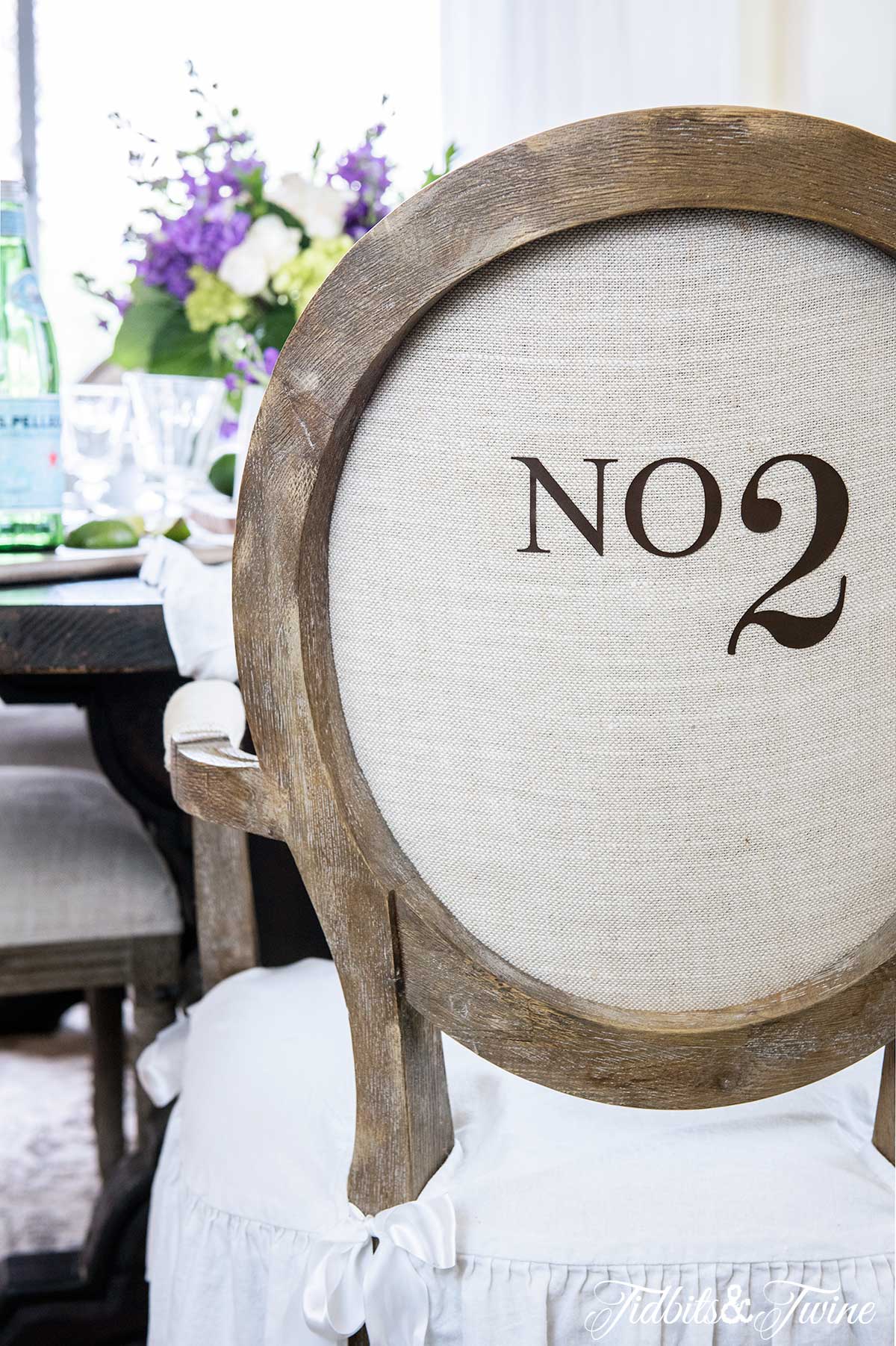
The same is true for dining chairs, mattresses, and other hardworking pieces in your home. When something gets used every day, paying more for better quality can save money and frustration in the long run.
If quality is important to you, this may be an area worth splurging on.
If you decide to Splurge, you can still do it on a budget! Here are 12 Ways to Save When Decorating.
2. Details
Sometimes the difference between a budget item and a more expensive one has nothing to do with quality and everything to do with the details.
Both items may serve the same purpose and be equally functional, but the more expensive piece may include extra design elements that give it a more custom, refined, or high-end look.
Examples of details that often increase the price include:
- Beveled edges on mirrors
- Carved furniture feet or legs
- Nailhead trim on upholstery
- Decorative molding or trim
- Custom drapery details
- Solid brass hardware
These extras aren’t always necessary, but they can have a big impact on the overall look of a piece.
If those details are important to you and fit the style you’re trying to achieve, they may be worth the splurge.
3. Uniqueness
Sometimes you’ll come across a piece that’s truly unique, and those items often come with a higher price tag. Whether it’s an antique, a vintage find, or a one-of-a-kind piece, you may have to pay more if you really want it.
Unlike mass-produced items that can easily be purchased later, unique pieces can be much harder to replace. If you walk away, there’s a good chance you won’t find that exact item again.
Example
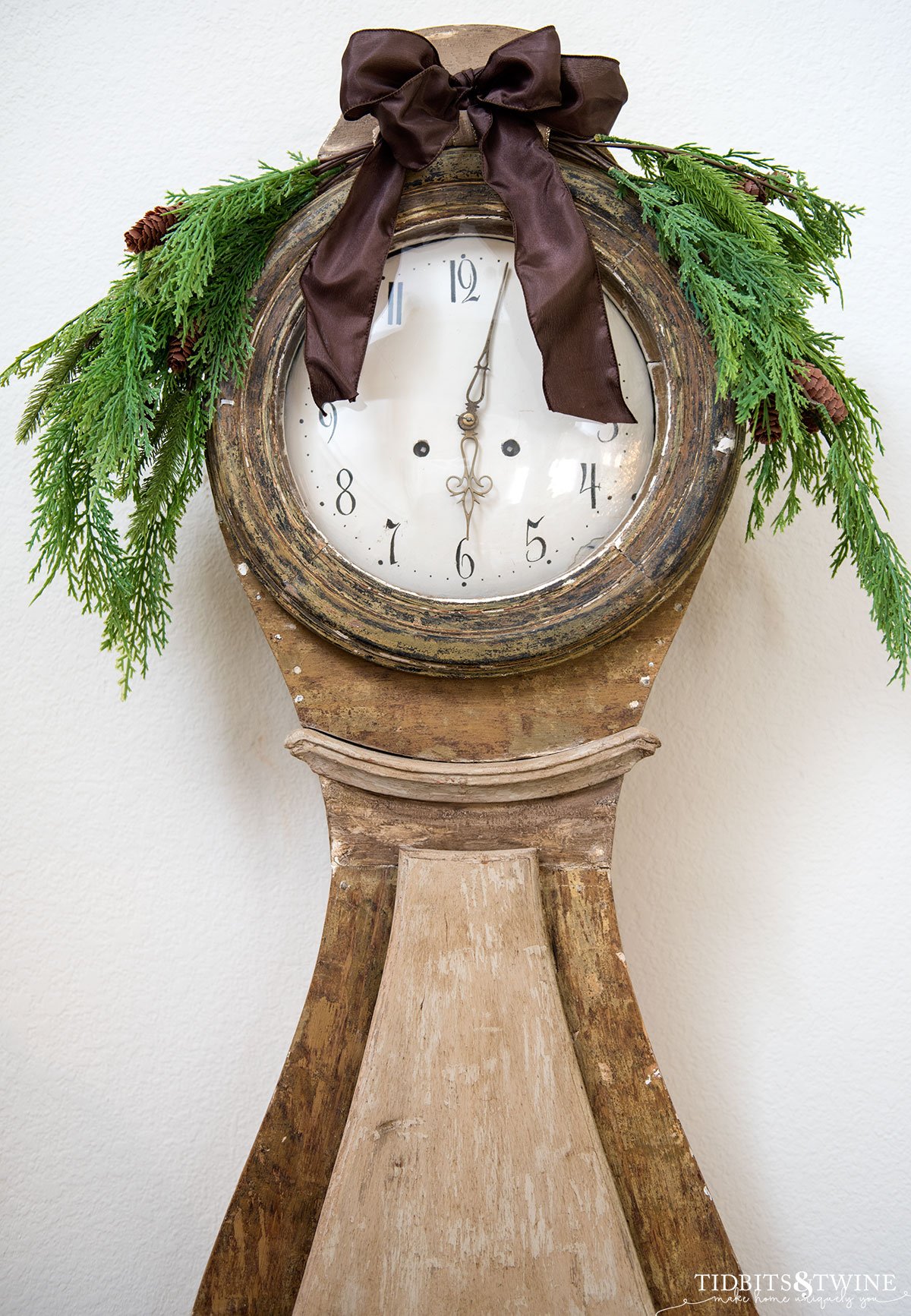
My antique Mora clock is a perfect example. I fell in love with its shape, but what made it truly special was that it still had all of its original working parts. Finding an antique clock is one thing. Finding one with the look you love and its original components intact is something else entirely.
Because unique pieces are difficult to replace, they can be worth spending more on when you find the right one.
The same could be said for original artwork, antique furniture, vintage rugs, or other one-of-a-kind pieces that bring something special to your home.
4. Longevity
Sometimes a purchase doesn’t make perfect financial sense on paper, but you know it’s exactly what you want. Before spending more, ask yourself whether it’s something you’ll still love years from now.
Trends come and go, but some pieces have lasting appeal. If you can picture yourself enjoying something long after the excitement of the purchase has worn off, it may be worth spending a little more to get exactly what you want.
Example
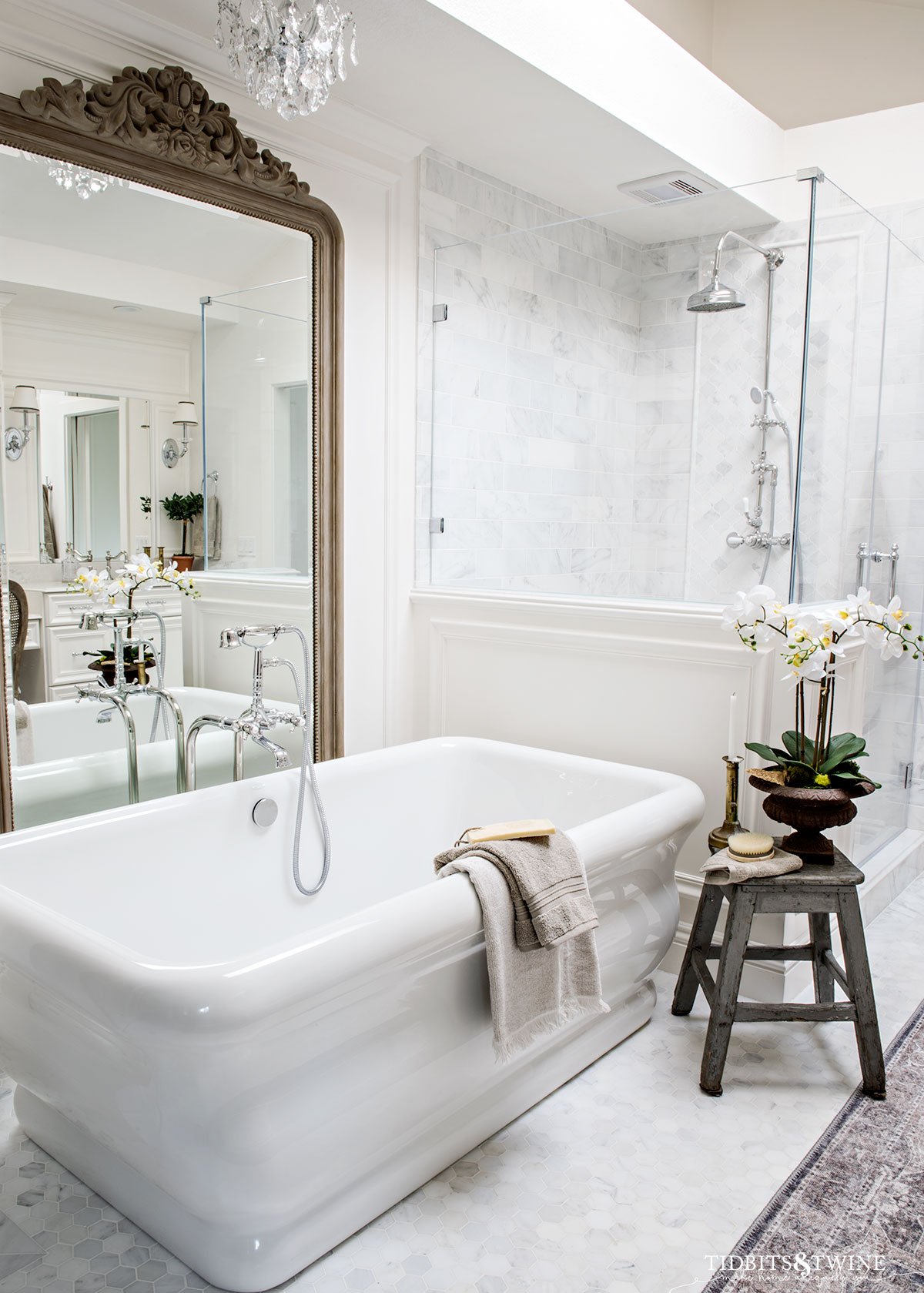
I fell in love with the bathtub in my primary bathroom, and for me, nothing else could compare. Could I have found a less expensive option? Probably. But years later, I still love it every bit as much as I did when I first chose it.
When a purchase continues to bring you joy long after you’ve forgotten what it cost, it may have been worth the splurge.
When to Save
1. Minimal Difference in Quality
Sometimes a less expensive item is every bit as good as its more expensive counterpart. Other times there may be a difference in quality, but not enough to justify the higher price.
In those cases, saving your money often makes the most sense.
Finding those look-for-less opportunities may require a little patience and research, but the savings can be substantial. Many discount retailers, online stores, consignment shops, and even Facebook Marketplace offer pieces that look remarkably similar to higher-end versions for a fraction of the price.
Example
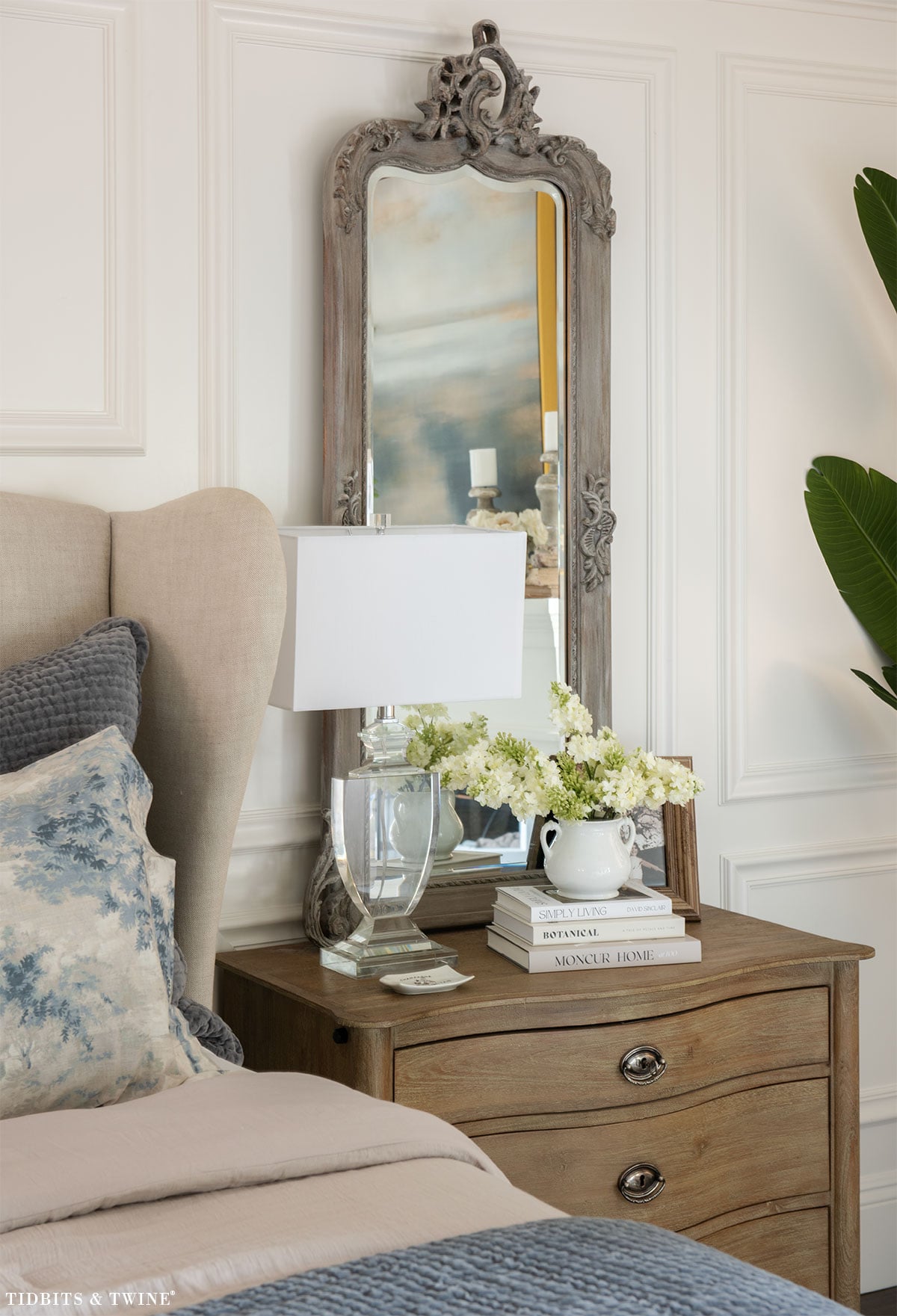
This French-wired lamp from HomeGoods was a fraction of the price of a similar lamp from Restoration Hardware, yet the quality difference was negligible. It gave me the same look for much less money, making it an easy place to save.
2. Frequency of Use
If an item isn’t going to get much use or you don’t plan to keep it for long, quality is often less important. In those cases, there’s usually no reason to spend more than necessary.
Think about how often you’ll actually use the item. Something you interact with every day may justify a higher price tag, but something used only occasionally probably doesn’t.
Examples
Items that are often good candidates for saving include:
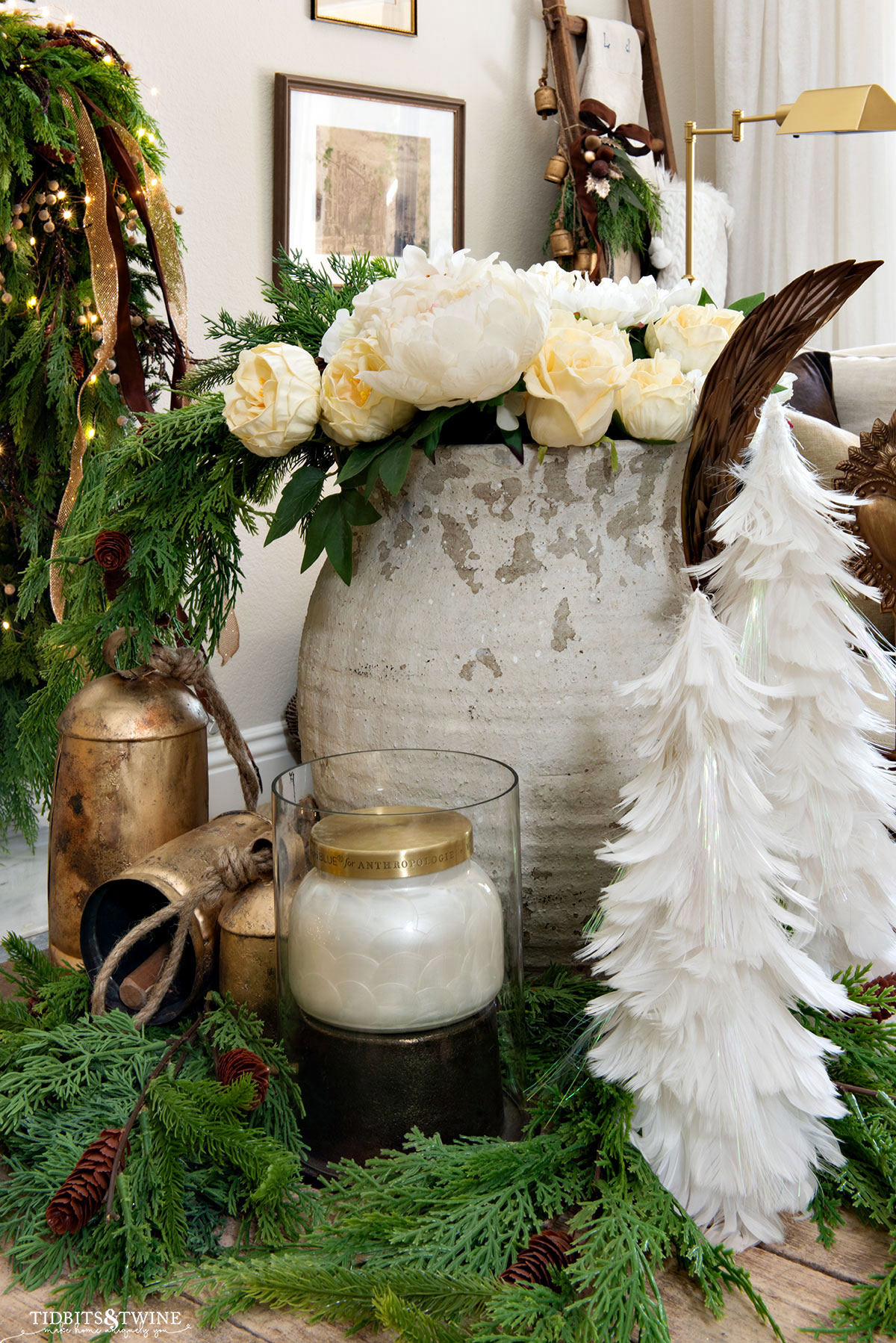
- Seasonal decor
- Trend-driven accessories
- Decorative pillows
- Guest room accessories
- Accent furniture that’s rarely used
As long as you love the less expensive option, this can be a great place to save money.
3. Budget
No matter how much we’d like to buy everything we love, most of us have a budget. That’s simply a reality of decorating.
When working within a budget, prioritize the items that matter most to you and look for opportunities to save elsewhere. Splurging in one area often means saving in another, and that’s perfectly okay.
Remember, creating a beautiful home isn’t about buying the most expensive version of everything. It’s about spending your money where it will have the biggest impact on your enjoyment of the space.
Additional Tips & Tidbits
Keeping in mind that our perceptions of quality, value, and price vary from person to person, you’re usually safe if you:
- Invest in quality foundation pieces you’ll use for years.
- Spend more on items you truly love and can’t easily replace.
- Save on accent pieces, filler items, and trend-driven decor.
- Look for less expensive alternatives when the quality difference is minimal.
- Focus on spending wisely rather than spending more.
Remember, creating a beautiful home isn’t about filling it with expensive things. It’s about knowing where your money will make the biggest difference and where it won’t.
More Shopping Tips
- My Favorite Arhaus Dupes
- 30+ Gorgeous Restoration Hardware Dupes That Don’t Cost a Fortune
- Gorgeous Anthropologie Mirror Dupes You’ll Love

Hi,
Great post. Where did the rose come from? It’s amazing!!
Hi Nicole – Thank you! I bought it at HomeGoods and unfortunately, there wasn’t a tag on it that mentioned a brand…. :( Too bad because I want another for sure!!
Kim…I love that your posts are always right on target with the issues we all face in decorating. I absolutely agree with your example of your dining room chairs…with pieces that you plan to have a long time, including sofas and tables, it’s best to get quality and pay for it. With accessories, if it’s something I truly love and know I will prize…I will pay full price. But I love knock offs and Homegoods is a great place to get something you would most likely pay more for elsewhere.
I’d like to tell you something interesting…maybe it’s happened to you before. My daughter has her degree in Interior Design and currently divides her time working in a high end furniture store here in Chicago and designing rooms for clients. We were in Marshall’s recently and I spotted a Louis XVI chair (like your dining chairs) for $99.00. I thought it couldn’t be true. My daughter looked it over, it was a great sturdy chair and the upholstered seat and back was done super professionally. I asked her how? Why? $99.00???? She said that when a certain style, like this chair, is in hot demand, the manufacturers start a price competition. Selling 6 chairs at $99.00 is better than selling 1 for $350.00. And the quality and craftsmanship is equal. That really amazed me. So lesson learned…check out the cheap furniture! Ha! Oh yes, I bought it as a desk chair!
Thanks for a great post, as usual!
XO,
Jane
Hi Jane – So interesting! Thanks for sharing this info!
Kim. What a great post! You are so right about quality chairs! I have learned from experience! I love a great bargain too… so for me, perfection is great quality at a great price!
The best of both worlds is ideal, isn’t it?!
I enjoyed this post!
Agreed!!! This is a wonderful post :)
Happy Friday.
Hugs, Gee
Great post. I agree, there are times when you can go for the inexpensive and not really tell the difference.
:) Thanks, Marty!