


I love antiques…but let’s be honest: sometimes they come with a little extra “history.”
And by history, I mean things like mystery smells, tiny woodworm holes, suspicious stains underneath cushions, or a drawer that smells like it spent the last 40 years in someone’s damp basement.
Most antique issues are completely manageable once you know what you’re looking at. But there are a few things worth checking before you load that gorgeous French cabinet into your car and accidentally bring home mold, bugs, or crumbling lead paint along with it.
If you’re newer to antique shopping, I’ve also shared my general tips for buying antiques along with my favorite antique fair shopping tips and flea market strategies. But today I want to focus specifically on the hidden problems that are easier to miss until the piece is already sitting in your house.
So here are the biggest red flags I look for when antique shopping, how to spot them, and which problems are fixable versus the ones that should probably stay at the flea market.
Woodworm (and Other Tiny Creatures You Don’t Want Living in Your Furniture)
One of the first things I check when I’m shopping for antiques is whether the piece has tiny little holes in the wood. Sometimes they’re old and harmless. Sometimes they’re a sign that something was literally eating the furniture. Not ideal.
Woodworm is caused by beetles that burrow into wood and leave behind small holes and a powdery dust called frass. The good news is that a lot of antique pieces with woodworm are completely fine because the infestation happened decades ago. Old holes don’t automatically mean active damage.
Here’s what I look for:
- fresh-looking holes with sharp, clean edges
- fine powdery dust underneath the piece
- soft or crumbly wood
- weak joints or wobbling
- clusters of holes in one concentrated area
I especially check the underside of tables, backs of cabinets, inside drawers, and furniture legs. Dealers usually clean the visible surfaces really well, but the hidden areas tell the real story.
One thing that surprises a lot of people is that imported antiques aren’t automatically sanitized just because they came through customs. Dealers importing containers into the U.S. may treat pieces beforehand, especially if there’s concern about wood-boring insects, but inspections are mostly focused on preventing invasive pests from entering the country. It doesn’t necessarily mean every piece was deeply cleaned or fumigated before arriving in someone’s antique booth.
That’s why I never assume an imported piece is automatically problem-free. I still inspect it carefully myself.
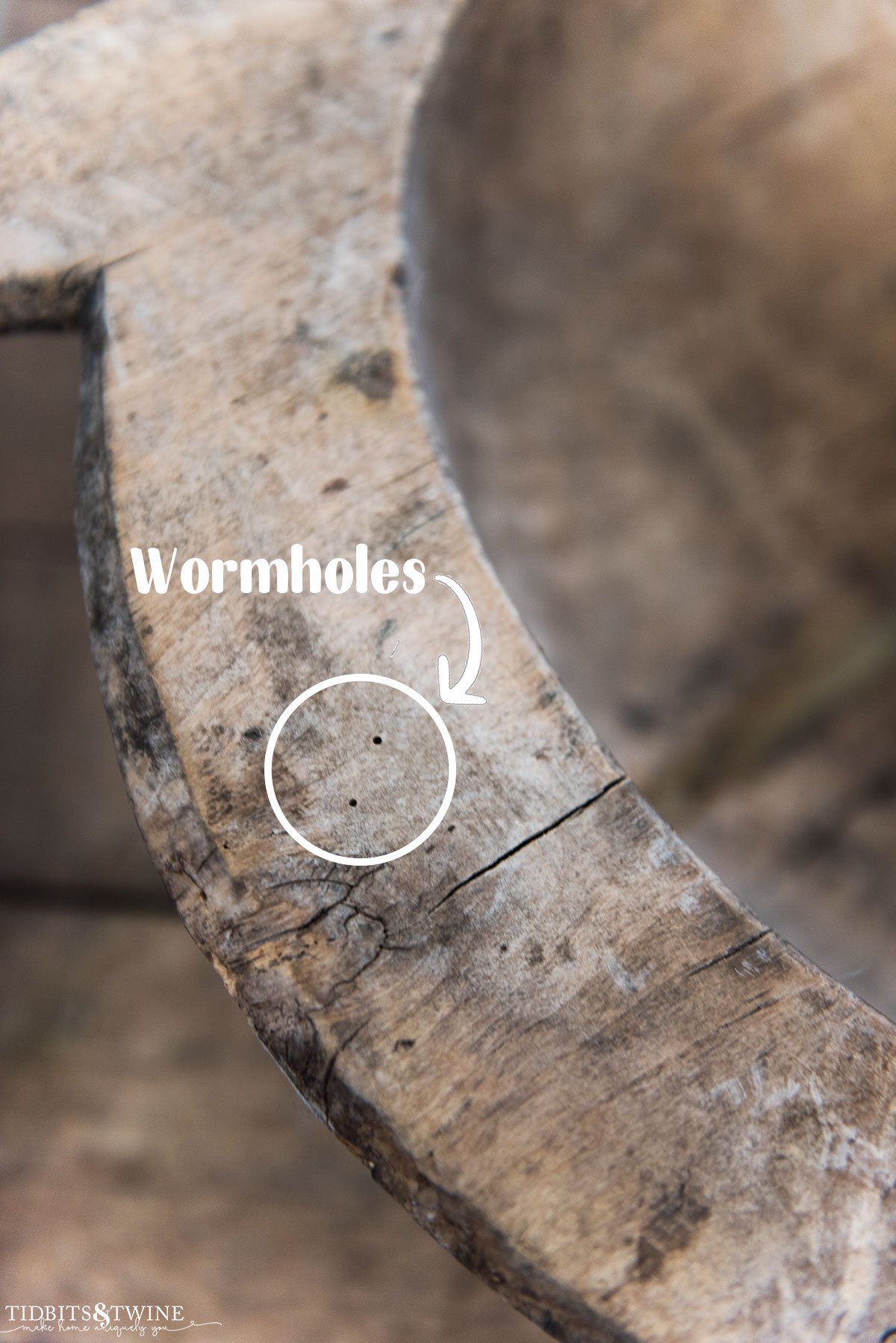
If the damage looks old and inactive (like in my photo below), I usually don’t worry too much about it. A lot of European antiques have some evidence of past woodworm simply because they’re old. Fresh dust and active deterioration are the real red flags.
So if the piece feels fragile, flaky, or like it’s turning into sawdust, walk away no matter how pretty it is. There will always be another antique.
Mold, Mildew, and That Musty Antique Smell
You know the smell.
You open an old drawer or cabinet and immediately get hit with that damp, musty basement scent that says, “This piece spent the last 40 years in someone’s garage.”
Sometimes it’s harmless old-wood smell. Sometimes it’s actual mold or mildew. And yes, there’s a difference.
Mildew is usually surface-level and easier to clean. Mold is deeper, more stubborn, and potentially a health issue.
Here’s what I look for when checking antique furniture:
- a strong musty or damp smell
- fuzzy white, green, or black spots
- staining inside drawers or cabinets
- warped veneer or bubbling finishes
- water rings or signs of repeated moisture exposure
I pay especially close attention to the backs of furniture, undersides of drawers, and anything that sat directly on the floor like trunks or cabinets. Those hidden areas usually tell you way more than the polished front.
The tricky thing about mold is that sometimes the visible spotting is minor, but the smell tells a completely different story. If I can smell a piece from several feet away, I assume the issue goes deeper than what I’m seeing.
Personally, I avoid anything with a strong musty smell because it’s just not worth the risk to me. Antique shopping is supposed to be fun, and I don’t want to spend weeks wondering whether I accidentally brought mold into my house.
Light surface mildew on hard materials may be cleanable, but heavily contaminated upholstery, damp furniture, or pieces with deep lingering odors are usually a pass for me. There’s a difference between patina and moisture damage.
Upholstery Can Hide Some Really Gross Things
This is where I personally become very picky with antiques.
I generally don’t buy old upholstered pieces because I have no intention of reupholstering them. The one exception was a set of antique chairs from my in-laws, and in that case, I knew the history of the pieces, where they’d been, and how they’d been stored. That feels very different than bringing home an unknown chair from an antique mall or estate sale.
Now, if someone plans to fully reupholster an antique chair or sofa, that’s another story. Beautiful antique frames can absolutely be worth saving. But if you’re planning to use the existing fabric and padding, there are a few things I’d pay very close attention to.
Old upholstery can potentially harbor:
- dust mites
- mold and mildew
- fleas
- bed bugs
- mouse droppings
- decades of trapped dust, odors, and allergens
And unfortunately, a piece can look perfectly clean on the surface while hiding all kinds of things underneath the fabric and padding.
If you’re considering an upholstered antique, check:
- seams and piping
- underneath cushions
- the underside fabric
- corners and crevices
- signs of insect casings or tiny black specks
- strong lingering odors
One thing that always makes me suspicious is when a piece smells heavily perfumed or overly sprayed with fragrance. Sometimes sellers are trying to cover up mustiness instead of actually addressing it.
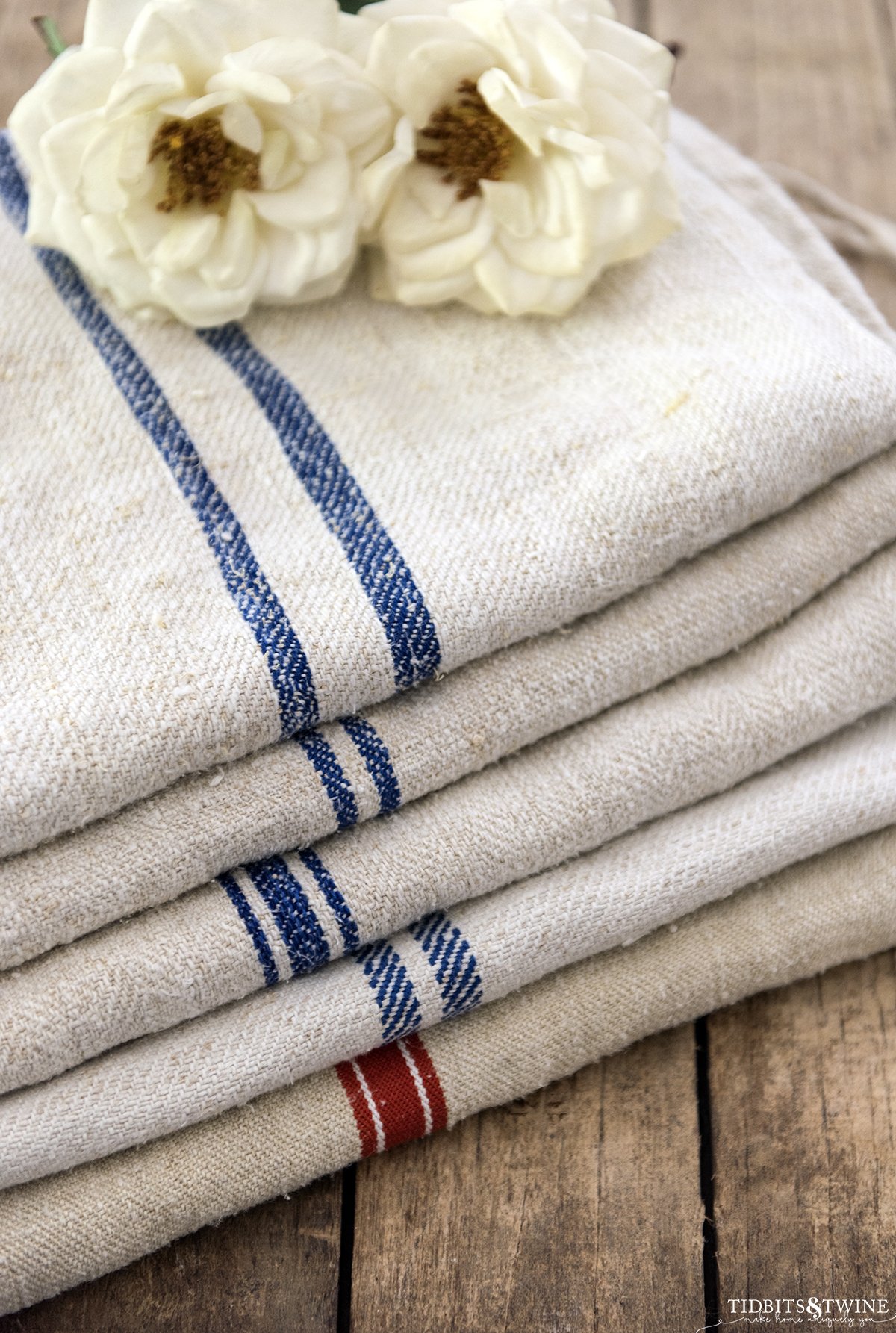
Personally, I stick mostly to hard surfaces like wood, iron, pottery, stone, and glass when antique shopping. The only antique fabric I really buy are things like vintage grain sacks or washable textiles. Even then, I soak them overnight in a bathtub with OxiClean and wash them multiple times before using them in my house.
Maybe that sounds extreme, but I’d rather be overly cautious than accidentally bring home bed bugs with my “charming European antique find.”
Lead Paint Is More Common Than People Realize
If you buy enough antiques, especially painted furniture, there’s a very good chance you’ll eventually run into lead paint.
Lead-based paint was commonly used for decades, especially before the late 1970s, and it can still show up on antique furniture, frames, mirrors, architectural pieces, children’s furniture, and old painted decor.
Now before everyone panics, old lead paint isn’t automatically dangerous just sitting there untouched. The bigger issue is when it starts chipping, flaking, sanding, or creating dust.
That’s why I’m especially cautious with pieces that have heavily distressed or deteriorating paint finishes.
Here’s what I look for:
- chipping or flaking paint
- thick layers of old paint buildup
- crackled or “alligator” finishes
- powdery paint residue inside drawers or underneath pieces
- painted surfaces on items that will be handled constantly
Now, to simplify this a bit: lead paint becomes more concerning when it turns into dust or loose particles. In other words, a painted antique quietly sitting in the corner is very different than a piece shedding flakes every time you touch it.
That’s why I pay much closer attention to:
- drawers that scrape when opened
- chairs or tables used daily
- visible paint dust or loose flakes
- surfaces that constantly chip when handled
A decorative piece with an old painted finish that mostly sits untouched is generally less concerning than furniture actively creating dust or loose paint flakes. The main thing is to avoid disturbing old paint unnecessarily, especially by sanding it.
One thing I would never do is aggressively sand an old painted piece without knowing what’s in the finish first. Sanding can release lead dust into the air, which is where things become a real health concern.
If I truly love a painted antique, I either leave the existing finish alone or have it professionally handled if restoration is needed. Personally, I’m much more relaxed about old paint on decorative pieces that mostly sit untouched than I am about something like a dining table, children’s furniture, or heavily used surfaces.
And honestly, this is another reason I love old wood tones, stone, iron, and natural finishes so much. Those materials tend to come with far fewer concerns than heavily deteriorating painted finishes.
Structural Damage, Rot, and “Why Is This Table Leaning?”
Some antique problems are cosmetic. Structural problems are a whole different category.
A little surface wear? Fine. Scratches? Expected. A slightly uneven old drawer? Part of the charm.
But if a piece feels like it might collapse when you touch it, that’s not “character.” That’s damage.
One thing I’ve learned with antiques is that old wood can hide a lot. A table may look beautiful from the front while the underside tells a completely different story.
Here’s what I check before buying larger furniture pieces:
- wobbling or rocking
- weak or separating joints
- soft wood near the base or feet
- dark staining from water damage
- sagging shelves or tabletops
- cracked legs or supports
- warped wood that prevents drawers or doors from functioning properly
I also pay attention to whether the piece feels solid when moved. If something sways dramatically or sounds like it’s about to snap apart during a simple furniture shuffle, I immediately start questioning how much repair work it really needs.
Moisture damage is another big one. Repeated exposure to water can lead to wood rot, warped veneer, swelling, and structural weakness over time. Sometimes the damage is obvious, but other times you’ll notice subtle clues like musty smells, bubbling veneer, or drawers that no longer fit correctly.
And speaking of veneer, don’t panic if you see a small area lifting slightly. Minor veneer issues are often repairable. But large sections missing, crumbling edges, or bubbling throughout the entire piece can become expensive restoration projects very quickly.
Personally, I’m willing to overlook cosmetic imperfections all day long because that’s part of what gives antiques personality. But when the actual structure of the piece is failing, I usually walk away. I want antiques that feel lived-in, not antiques that feel one strong breeze away from collapse.
The Smell Test Matters More Than People Think
Honestly, one of the most useful antique-shopping tools is your nose.
I know that sounds ridiculous, but smell can tell you a lot about where a piece has been and what it’s been exposed to over the years.
A quick sniff test has saved me from bringing home more than one questionable antique.
Here are the smells that immediately make me pause:
- musty or damp odors
- cigarette smoke
- strong mildew smells
- sharp chemical smells
- heavy perfume or air freshener trying a little too hard to cover something up
- animal odors
I especially check inside drawers, cabinets, trunks, and anything enclosed. Sometimes the outside looks perfectly fine while the inside smells like a wet basement from 1974.
And here’s the thing about smells in antiques: they can be incredibly stubborn. Old wood, fabric, and paper absorb odors over decades, and some smells are very difficult to remove completely.
That doesn’t mean every old piece should smell “new.” Antiques naturally have an old-wood scent sometimes. But there’s a difference between “this smells old” and “something definitely happened here.”
Personally, if a piece smells strongly musty or unpleasant, I usually pass. There are too many beautiful antiques out there to spend weeks trying to deodorize one that already feels questionable in the store.
And Finally…Trust Your Gut
Sometimes you can’t immediately explain why a piece feels wrong.
Maybe the damage seems worse the longer you look at it. Maybe the smell is subtle but lingering. Or maybe the seller is weirdly vague when you ask questions. Or maybe the piece just gives you that tiny little “absolutely not” feeling the second you open the drawer.
I’ve learned not to ignore that instinct.
One of the easiest mistakes to make while antique shopping is getting so focused on how beautiful or unique something is that you start talking yourself out of obvious red flags. Suddenly you’re standing there convincing yourself that the wobbling, mildew-smelling cabinet with mystery stains is “probably fixable” because the hardware is pretty.
Ask me how I know. Lol!
And honestly, there’s also a tendency in the antique world to romanticize every flaw as “character.” But not every issue is charming patina. Sometimes damage is just…damage.
That doesn’t mean antiques need to be perfect. Far from it. Scratches, worn finishes, small repairs, uneven wood, and signs of age are part of what make old pieces beautiful. I actually prefer antiques that look like they’ve been lived with and loved.
But I still want them to feel structurally sound, clean enough to comfortably bring into my home, and free from problems that turn a fun antique find into a stressful restoration project.
And as for ghosts?
Well…I’m still buying the antique. I just might not put it next to my bed.
Antique Problems That Don’t Usually Scare Me
At this point, this article may sound like antiques are just one giant health hazard wrapped in old wood and dusty fabric. I promise they’re not.
Part of loving antiques is learning the difference between normal age-related wear and actual problems. Not every crack, scratch, or imperfection is a reason to panic. In fact, some of those imperfections are exactly what give old pieces their charm.
Here are a few things that generally don’t bother me when antique shopping:
- old inactive wormholes
- scratches and worn finishes
- uneven wood color or fading
- small veneer repairs
- tarnished metal
- old repairs done decades ago
- age cracks in solid wood
- drawers that stick slightly during humid weather
- signs that a piece has genuinely been used and loved
One thing newer antique buyers sometimes struggle with is expecting antiques to behave like brand-new furniture. But old wood moves. Drawers stick sometimes. Finishes wear down. Handmade furniture from 150 years ago is rarely perfectly symmetrical.
That’s part of the beauty.
Personally, I’d much rather have an antique with scratches, patina, and history than something that looks overly refinished and stripped of all character.
What I care about most is whether the piece feels stable, usable, and clean enough to comfortably live with. Cosmetic imperfections usually don’t bother me nearly as much as active mold, crumbling wood, major structural issues, or upholstery that feels like a science experiment.
If you wait for a 150-year-old antique to look factory perfect, you’ll probably never buy antiques at all.
Final Thoughts
Even with all of these things to watch for, I still love decorating with antiques more than anything else. They bring warmth, history, texture, and personality to a home in a way brand-new furniture just can’t replicate.
The goal isn’t to be afraid of antiques or avoid every imperfect piece. It’s simply learning how to spot the difference between normal age and actual problems before something comes home with you.
Because honestly, a little wear, patina, and unevenness is part of what makes antiques beautiful. I’m far more interested in pieces that feel collected and lived with than pieces that look factory perfect.
So keep shopping flea markets. Keep digging through antique malls. Keep opening random little drawers and checking underneath tables like the rest of us antique people.
Just maybe don’t bring home the mystery mildew chair.
More Antique Decorating Posts
- 10 Expert Antique Fair Shopping Tips
- 7 Decorating Mistakes That Ruin French Style
- European Antiques: A Guide to Timeless Finds and How to Decorate with Them

DECORATING MADE EASY
Get my free 5-day decorating course and learn how to define your style, make better decisions, and create a home that feels like you.
After the course, you’ll receive my latest decorating tips, antique finds, and new posts.