


Lately, I’ve been looking around my living room and thinking it feels a little too safe. By safe I mean predictable, typical…expected.
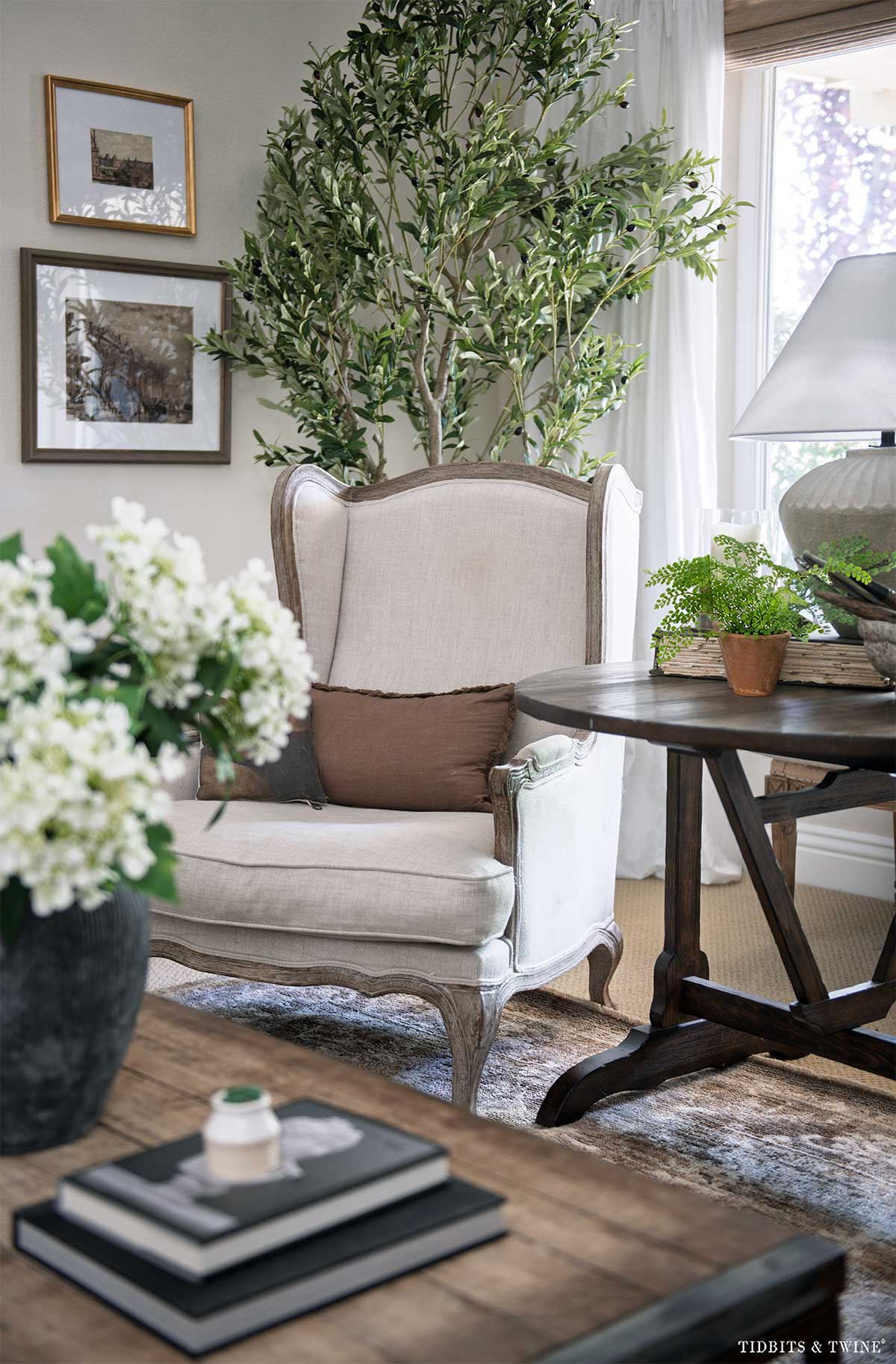
Now, in all fairness, it isn’t completely predictable. I have an old wine-tasting table as a side table, and my coffee table was made from a bricklayer’s pallet. So there are already a few pieces in the room that are a little unexpected.
But even with those, I started to feel like the room needed a few tweaks. Nothing major. I didn’t want to replace everything or take it in a completely different direction. I just wanted to make it feel a little more interesting.
That unexpected element might be an unusual piece of art, a darker finish, an antique used in a new way, or something that doesn’t quite match but somehow makes the whole room better.
So today, I’m sharing seven unexpected ways to make a room more interesting without making it feel overdone.
1. Use Something in an Unexpected Way
Sometimes it isn’t the piece itself that’s unusual. It’s how you use it.
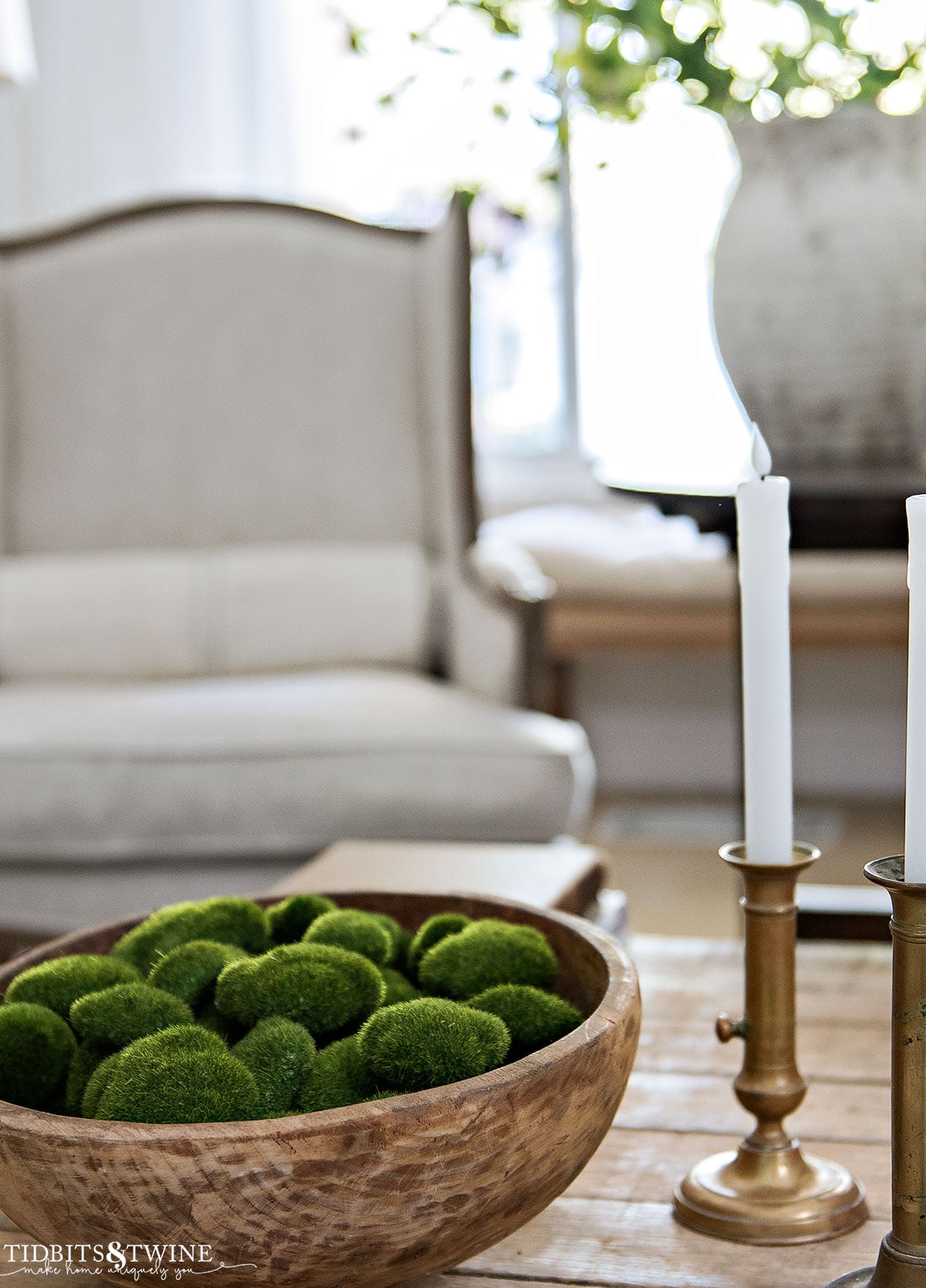
A small table can be used as a nightstand. An old tureen can hold flowers or moss. Antique books can be stacked under a lamp or turned around to show their deckled edges. Even an old dough bowl can turn into a decorative accent piece on a coffee table!
Using familiar pieces in a different way can make a room feel less standard without requiring you to buy anything new. Just make sure the new use still makes sense for the piece. Creative is good. Forced is where things start to get weird.
YOU MIGHT ALSO LIKE: More Creative Ways to Repurpose Vintage and Antique Pieces
2. Choose Art That’s a Little Unexpected
Art is an easy place to take a small risk because it doesn’t have to match the room perfectly.
Instead of choosing something simply because the colors work, look for a piece with an unusual subject, a bit of humor, or a story behind it. That could be an old portrait, a lover’s eye, a quirky sketch, or something made by someone you know.
My daughter is drawing her eye for me to hang in the dining room. Technically, it’s more of a side-eye because she still misses the hutch I removed, which honestly makes me love it even more.
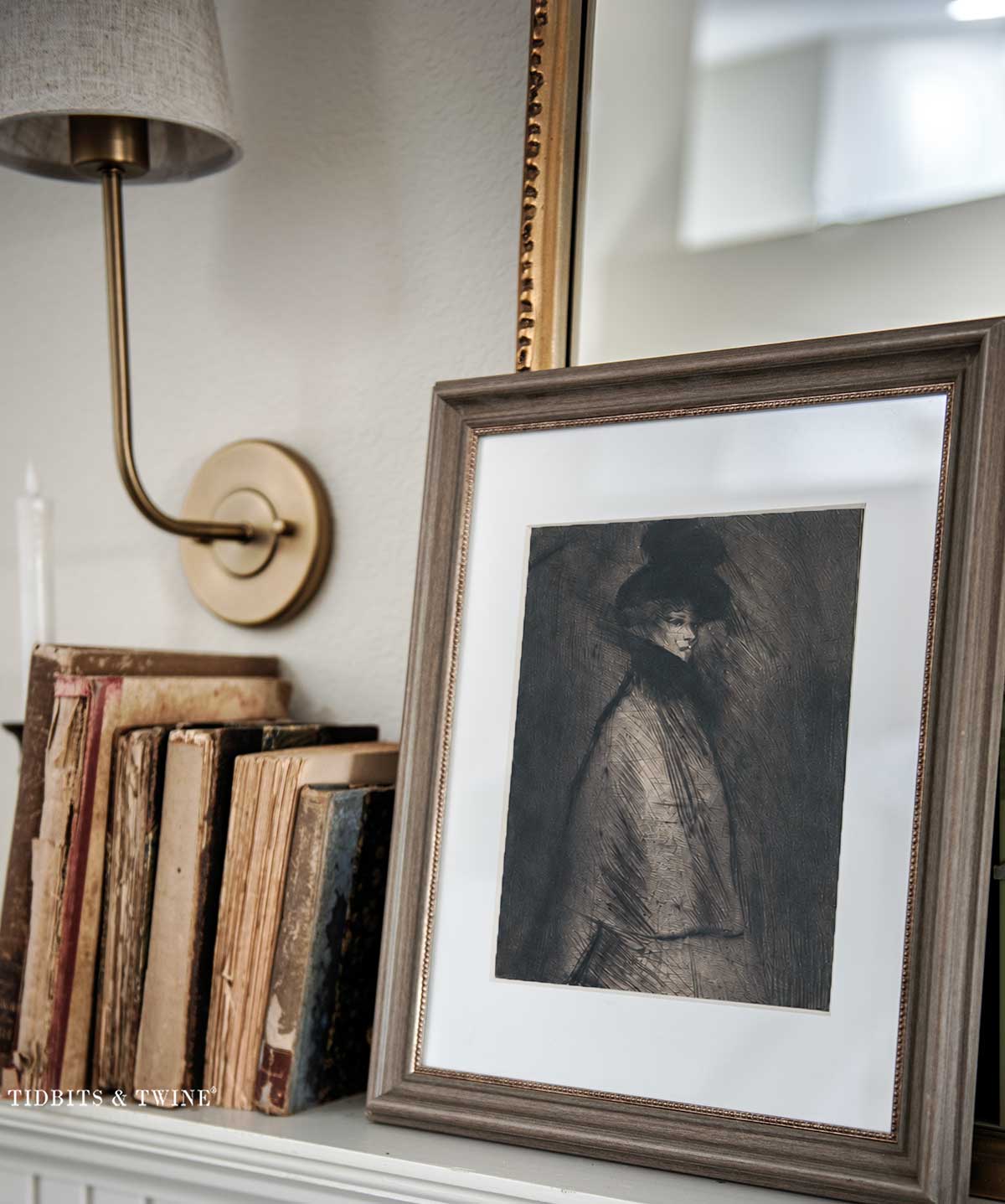
The art still needs to feel like it belongs in the room, but it doesn’t have to be the typical choice. I have no idea who this woman is that sits on my mantel, but her colors were perfect and I love the style, so to me, she fits right in.
3. Add One Piece That Doesn’t Quite Belong
One of the easiest ways to make a room more interesting is to add something that doesn’t perfectly match everything else.
For example, maybe a modern lamp on an antique table, a rustic piece in a more refined room, or a dark wood chair in a space filled with lighter finishes.
But be careful not to go too random. The piece should still relate in some way through color, shape, material, or scale. It just shouldn’t look like it came from the same collection as everything around it.
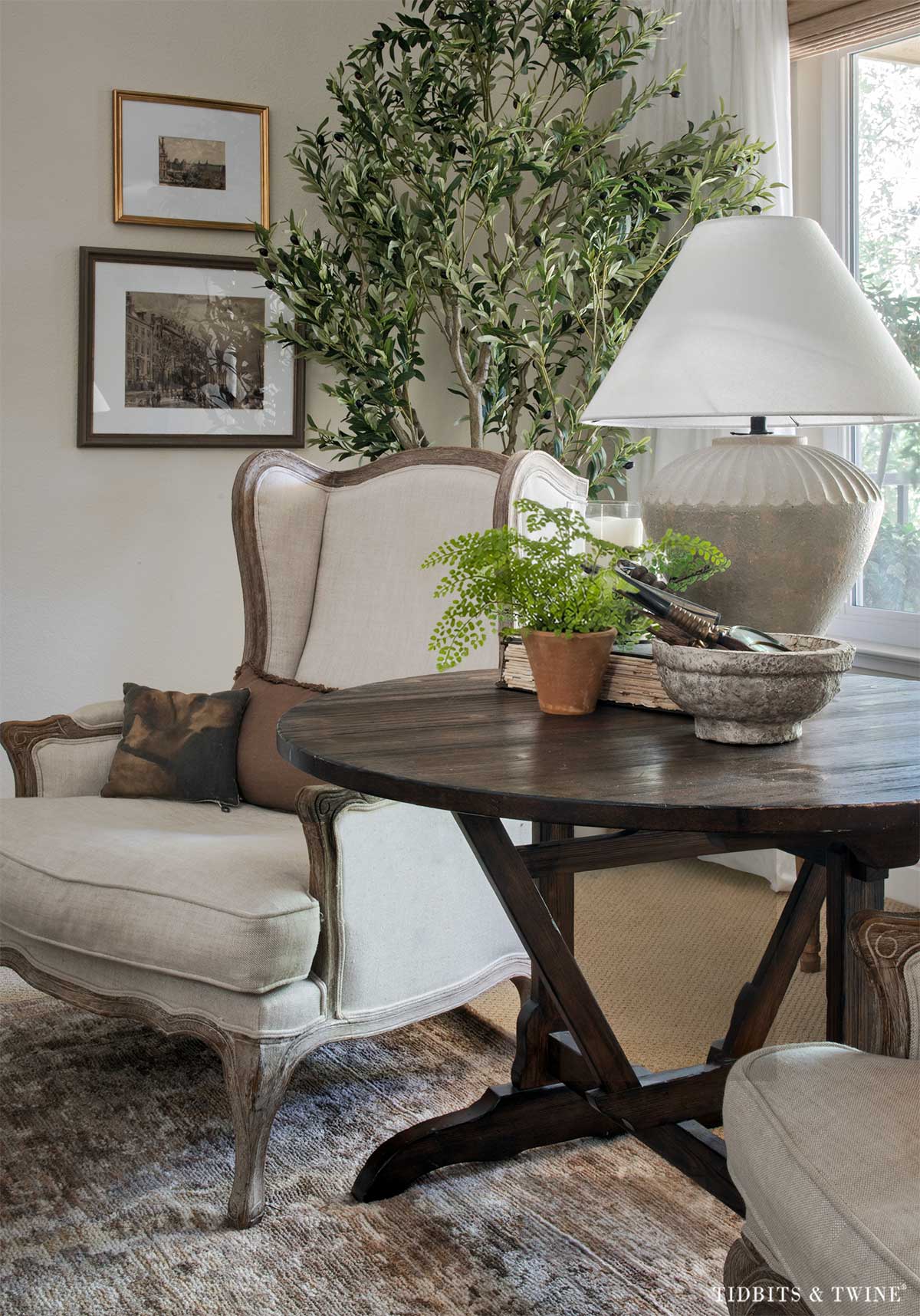
In my living room, the wine tasting table and old bricklayer’s pallet already do this. They don’t match the rest of the furniture in the traditional sense, but that’s exactly why I chose them.
Sometimes the piece that seems like it shouldn’t work is the one that makes the whole room more interesting.
4. Mix in a Different Style
A room can start to feel predictable when every piece comes from the same style or period.
Try adding one piece that changes the mix a little. A modern lamp can work with antique furniture. A rustic table can loosen up a more formal room. A clean-lined chair can keep a traditional space from feeling too expected.
But don’t add something different just for the sake of being different. Look for one detail that helps it connect to the room, whether that’s the color, finish, shape, or material.
In my own home, I like mixing French, Belgian, Gustavian, and Italian pieces rather than sticking to one exact look.
YOU MIGHT ALSO LIKE: A Guide to Mixing Furniture Styles
5. Add Something Slightly Odd
Every room can benefit from one piece that makes people stop and take a closer look.
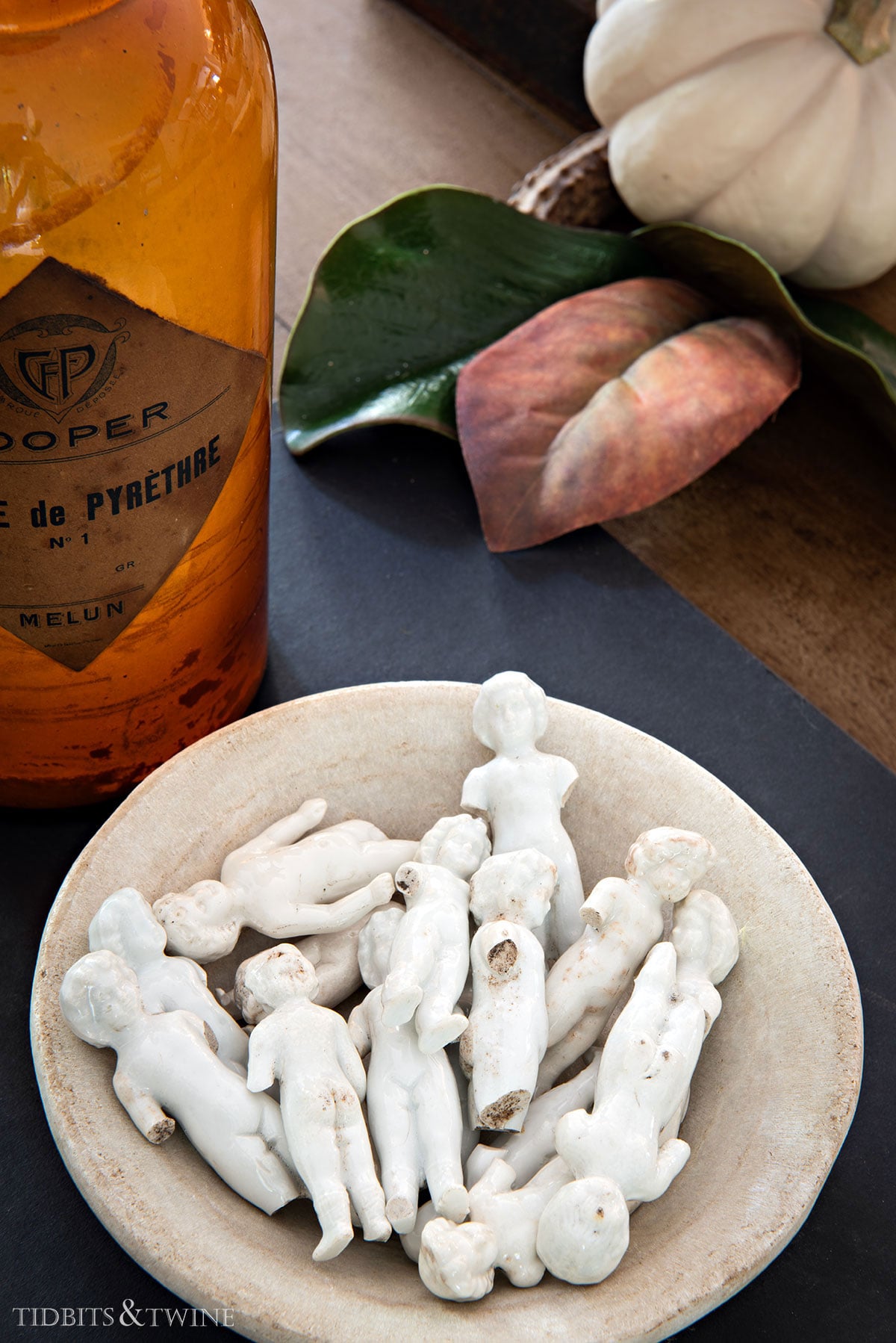
It might be an unusual portrait, a small bust, an old architectural fragment, or an object that no longer has an obvious purpose. The piece doesn’t need to be valuable or even particularly beautiful. It just needs to be interesting.
Be careful not to overdo it, though. One odd piece can add character. A room full of them can start to look like a curiosity shop.
6. Break Up Too Much Symmetry
Symmetry can make a room feel balanced, but too much of it can also make everything feel a little stiff.
You don’t need to abandon matching pairs altogether. Two sconces, two chairs, or two lamps might be exactly what the room needs. Just avoid repeating the same perfectly matched arrangement everywhere.
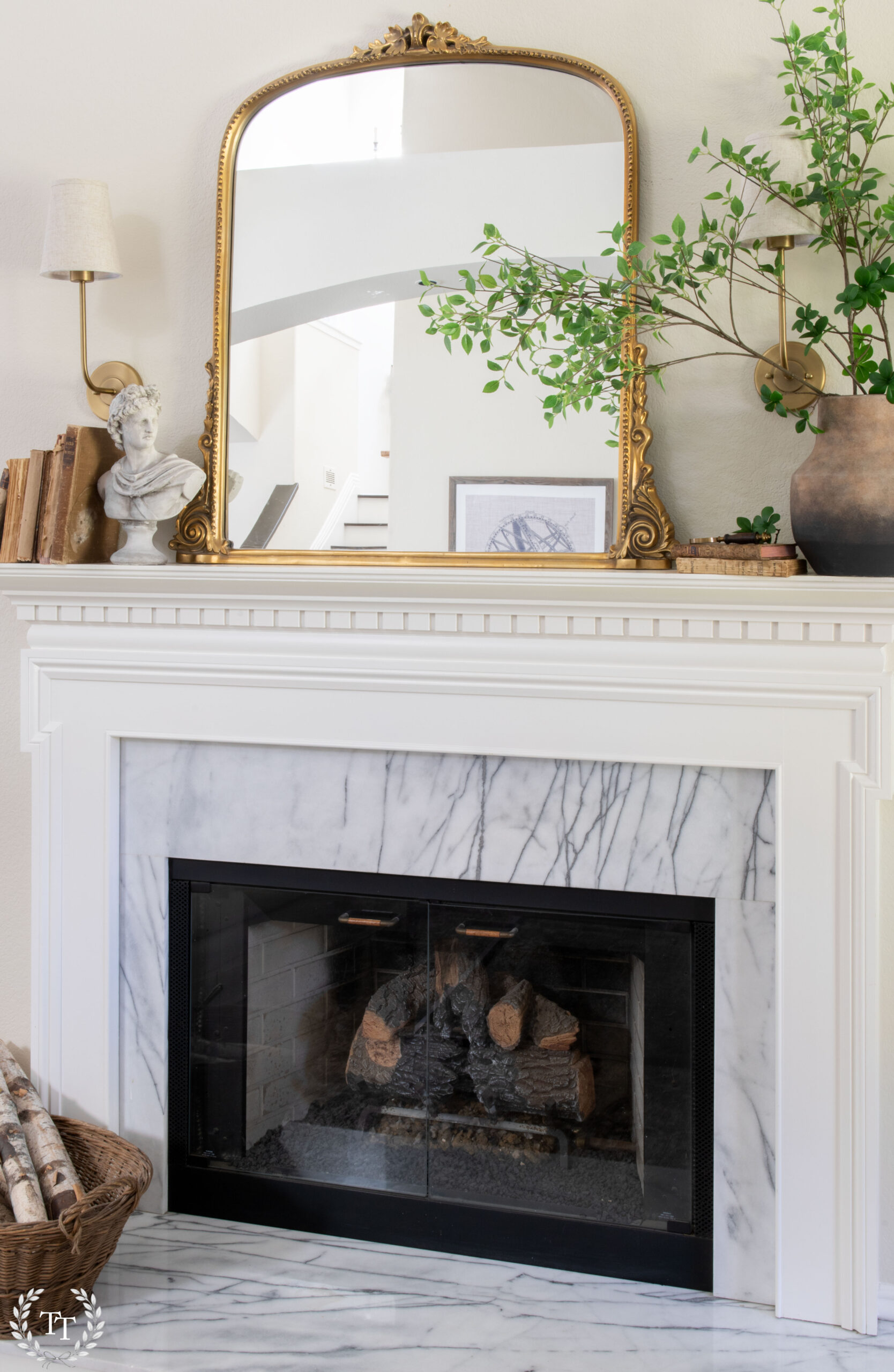
Try offsetting a lamp with a stack of books, using different objects on either side of a mantel, or hanging one larger piece of art instead of a matching pair.
A little imbalance can make a room feel more relaxed and less predictable.
7. Go Bigger Than Expected
Sometimes the most unexpected choice is simply choosing a larger size than you normally would.
Try an oversized piece of art instead of several smaller pieces, a tall lamp where you might normally use a short one, or a large mirror that nearly fills the wall above a console.
Scale can be tricky, so measure first. Bigger can make a room more interesting, but it still needs to fit the wall and the furniture around it.
Making a room more interesting doesn’t mean filling it with unusual things or changing everything at once.
Usually, one unexpected choice is enough. It might be a piece of art you wouldn’t normally choose, an antique used in a different way, or a piece that breaks up an otherwise coordinated room.
That’s what I’m working on in my own living room now. Nothing is wrong with the room, but a few less predictable choices are giving it more depth and making it feel a little less expected.
More Decorating Tips
- Rustic & Refined: The Perfect Pairing
- A Guide to Mixing and Matching Furniture Styles: 5 Expert Tips
- 7 Decorating Mistakes That Ruin French Style

The olive tree behind the wing chair is too much. I think it feels crowded. I think removing it and put more focus on the side table next to the wing chair would be better. Adding colorful flowers, a large tabletop plant, a contrasting lamp, a stack of antique books or boxes would draw focus to the chair and away from the blank corner behind it. Just a suggestion. I encourage you to keep playing with this element. You will find the inspiration that excites you.
XOXO
I agree! I’ve been sitting with this tree for a few days now going back and forth whether I like it, but whenever I hesitate, that typically means I don’t like it. Thank goodness for a 30 day return policy!
A little imbalance……my favorite hint of all and just makes me feel a titch better about some of my decorating.
Right?! I think a little imbalance is usually what makes a room feel more relaxed.