




The first time I spotted an antique dough bowl at Alameda Point, I had no idea what it was. I just knew I loved its rustic shape and beautifully worn patina! These days, I own five antique dough bowls in various sizes and shapes, and they’re among my favorite pieces to decorate with.
If you’re unfamiliar with them, dough bowls are wooden bowls traditionally used for mixing and kneading bread dough. Today, they’re home decor items treasured for their natural beauty, character, and versatility in decorating.
I love the idea of giving an old, utilitarian piece a new purpose. After all, if dough bowls were only for making bread, mine would never get used. I don’t bake! Instead, I use them throughout my home, from coffee tables to seasonal centerpieces.
The beauty of decorating with dough bowls is how easily you can change their look. Fill one with greenery, fruit, or a collection of favorite treasures. Swap the contents with the seasons, or let the beauty of the antique wood speak for itself.
So here are some of my favorite ways to style a dough bowl, with ideas you can use throughout your home and all year long!
25+ Ideas for Decorating with Dough Bowls
From simple centerpieces to seasonal displays, there are so many ways to decorate with dough bowls! Whether you have a small round bowl or a large antique one, the possibilities go well beyond the dining table.
Centerpiece Ideas
Large dough bowls make beautiful centerpieces for a dining room table, kitchen table, or even a kitchen island! Their shallow shape provides plenty of room for creating a lush arrangement without needing a tall vase.
For dining tables, keep your centerpiece low enough that guests can comfortably see across the table. On a kitchen island, you can create a taller, more dramatic display with branches or greenery.
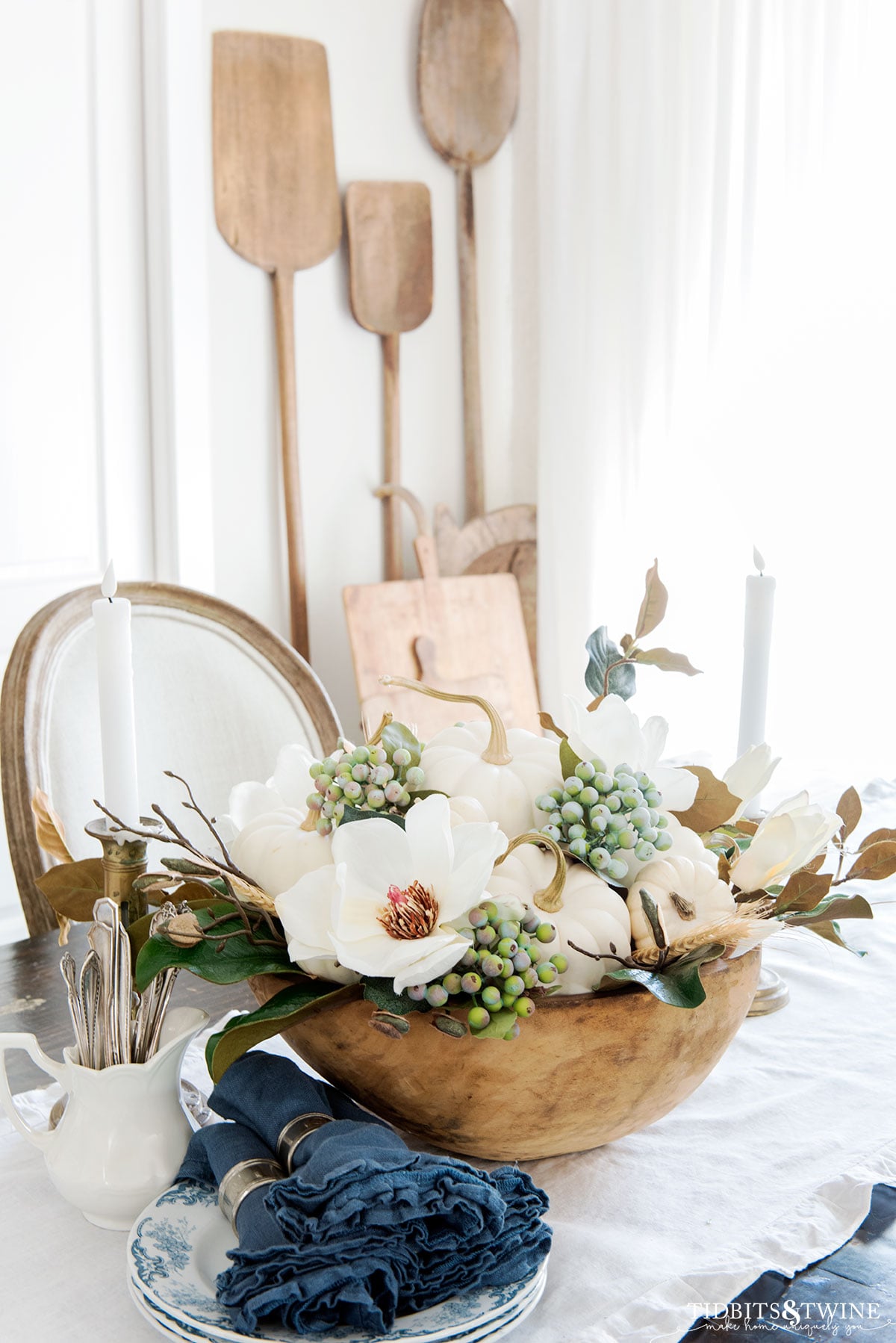
For my fall dining table, I filled one of my antique dough bowls with white pumpkins, magnolia blooms, and berries to create a beautiful centerpiece. The entire arrangement took just five minutes to make! I love how the white flowers and pumpkins contrast with the aged wood of the bowl.


Tip: Letting some greenery extend beyond the bowl creates a softer, more natural-looking arrangement.
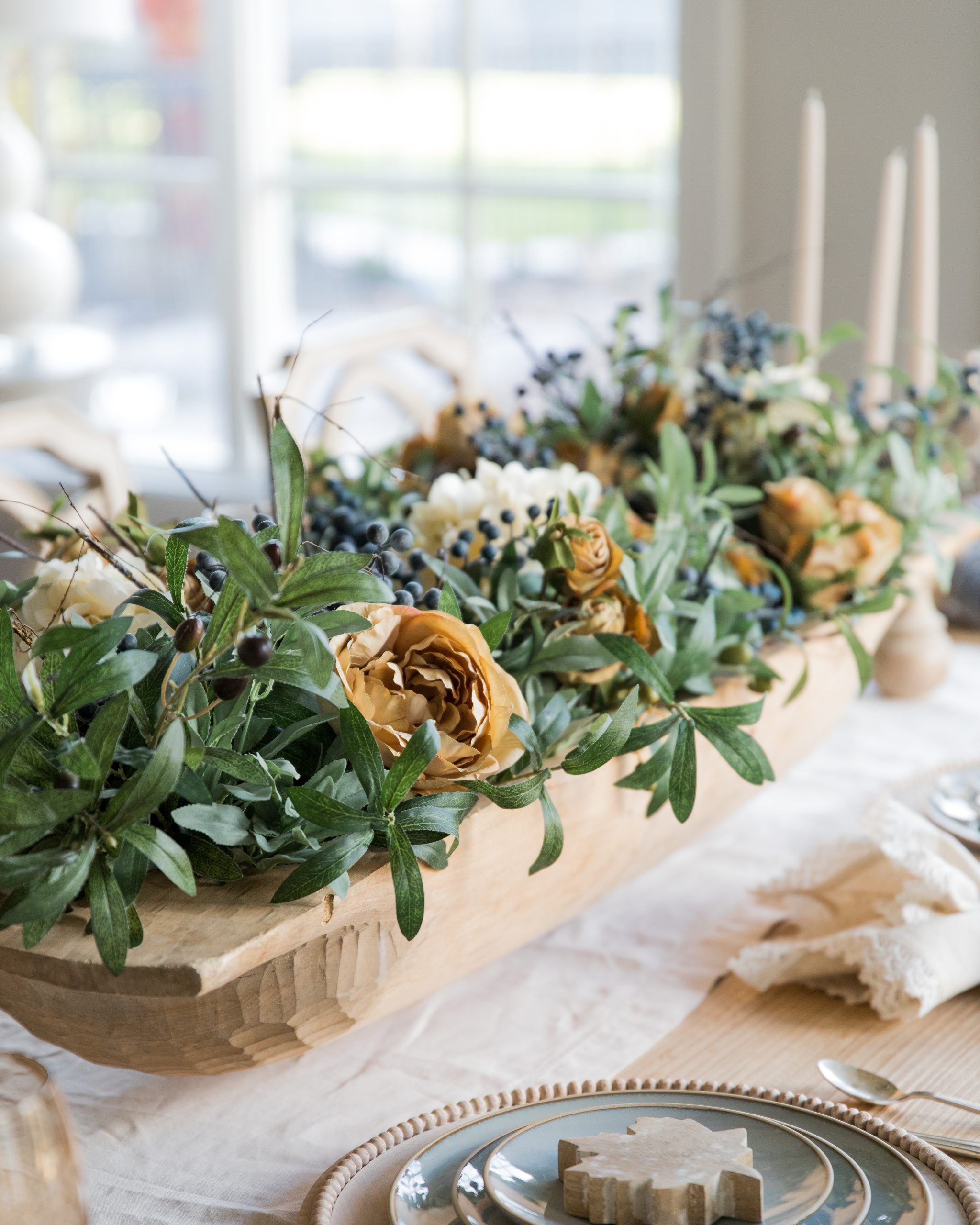
Another beautiful option is to fill a dough bowl with faux flower stems, olive branches, and berries, as shown below. You can find the tutorial at Home with Holly J.
As a Sculptural Accent
Who says a dough bowl has to sit on a table? An oversized antique dough bowl can be a beautiful decorative piece all on its own, especially when displayed upright to show off its shape and aged wood.
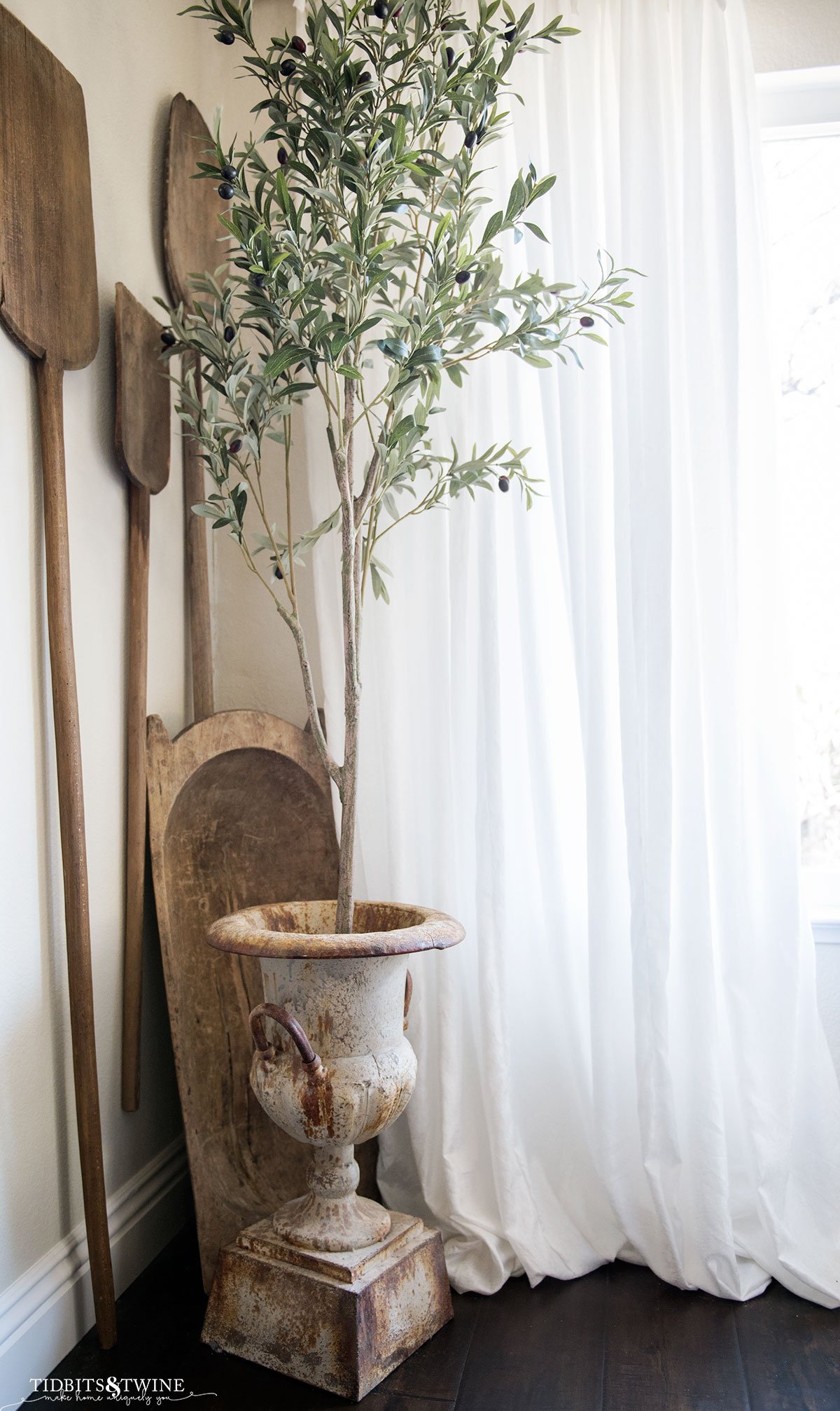
I sometimes use mine to fill an empty corner, whether in my kitchen or dining room. Here, I’ve paired it with an olive tree and antique bread paddles to create a collected vignette. The different heights, shapes, and textures add visual interest without making the corner feel cluttered.
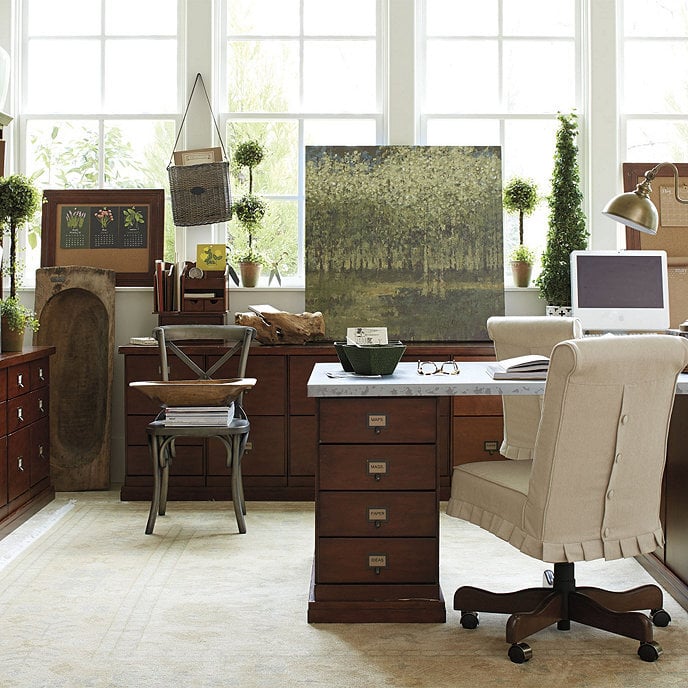
An oversized dough bowl can also soften the look of an empty space beside furniture. In the home office below, the rustic wood provides a beautiful contrast to the more tailored lines of the desk.
As a Tray
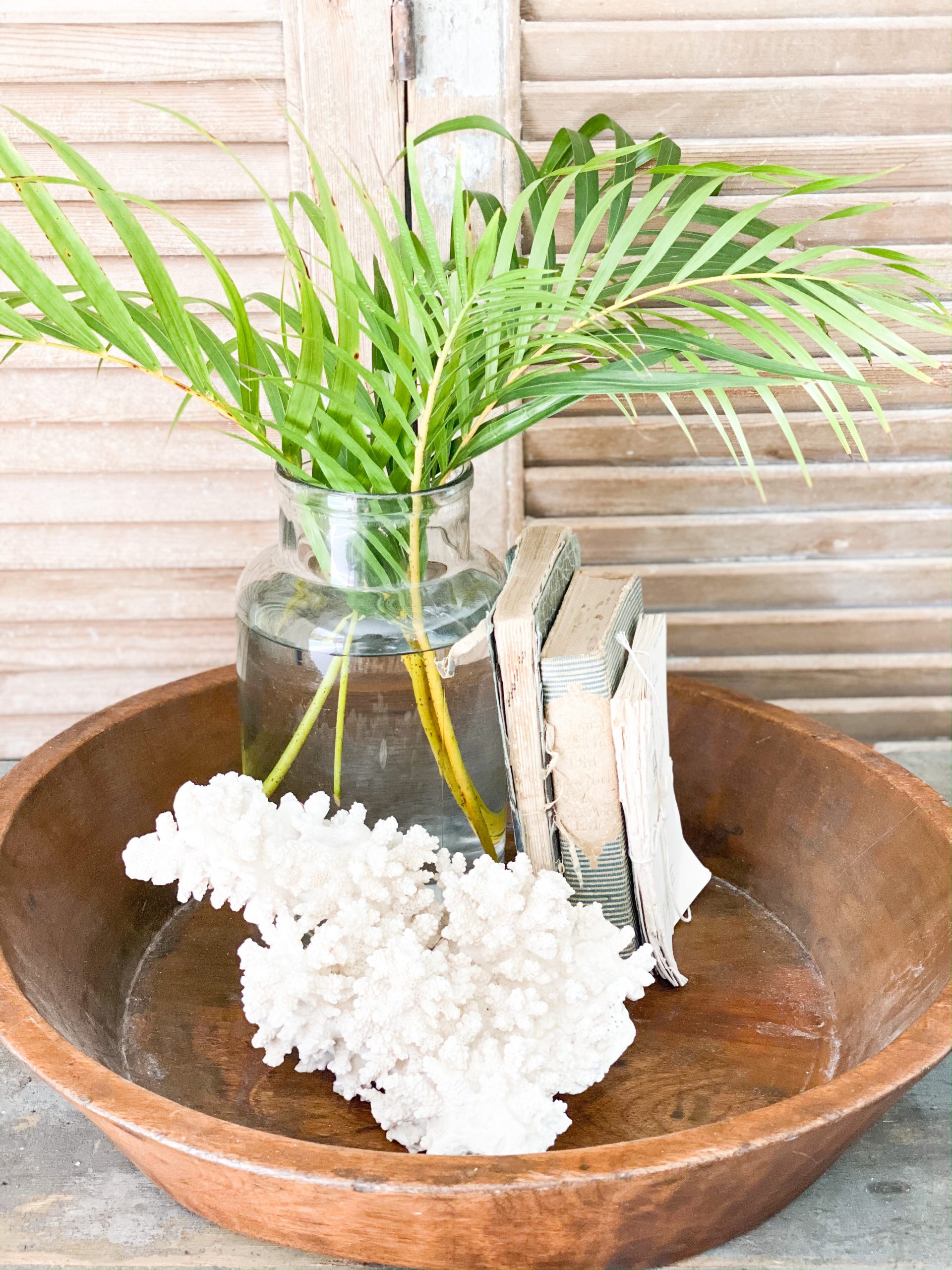
A round dough bowl with shallow sides can work beautifully in place of a traditional decorative tray! It’s a wonderful way to group small decorative items into a collected vignette while adding warmth and texture.
The key is varying the height and shape of the objects while leaving enough of the bowl visible to appreciate its character. Try combining a small vase, a candle, and a favorite decorative piece.
I love how Robyn of Robyn’s French Nest created this pretty summer arrangement using her dough bowl!
As a Planter
Dough bowls make beautiful, one-of-a-kind vessels for displaying fresh flowers, dried stems, and small plants! The key is protecting the wood from moisture, especially when using an antique bowl.
For live plants, keep them in their original pots and place them on a waterproof tray or inside a leakproof plastic liner to protect the wood. I recommend removing the plants when watering so moisture doesn’t damage the wood.
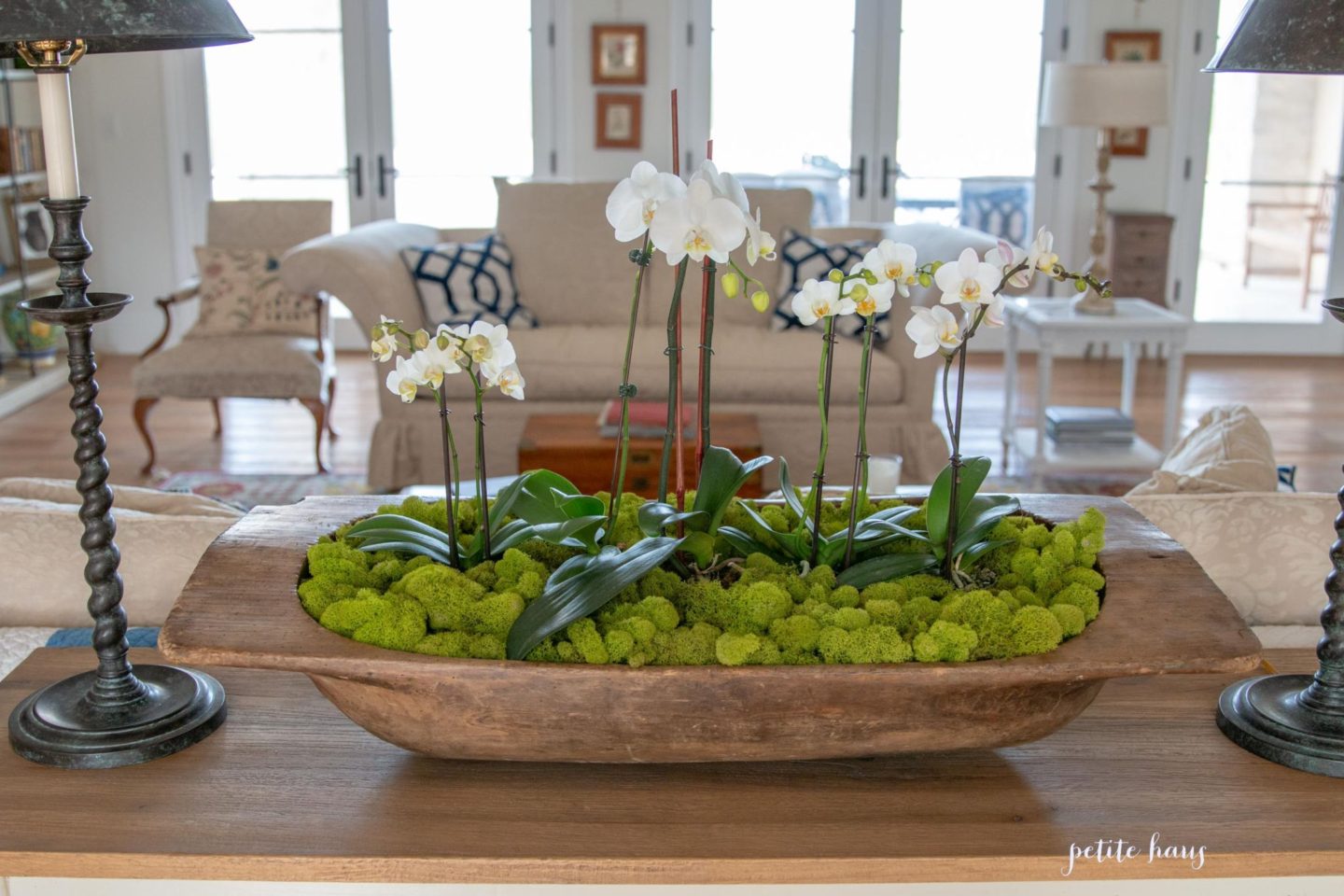
In the example below, four white orchids are arranged in a long dough bowl, creating an elegant display. Reindeer moss conceals the individual pots for a beautiful, polished look.
Air plants are another great option because they don’t require soil! Their interesting shapes look beautiful nestled into a shallow dough bowl alongside other decorative accessories. Just be sure they’re completely dry after watering before returning them to the bowl.
As a Candle Display
There’s something beautiful about combining the rustic texture of an antique dough bowl with the elegance of candles! A dough bowl can make a lovely centerpiece or decorative display, especially when paired with greenery and vintage-inspired candleholders.
The rounded interior of a dough bowl can make it tricky to keep taller accessories upright, so choose pieces that sit securely and won’t tip over.
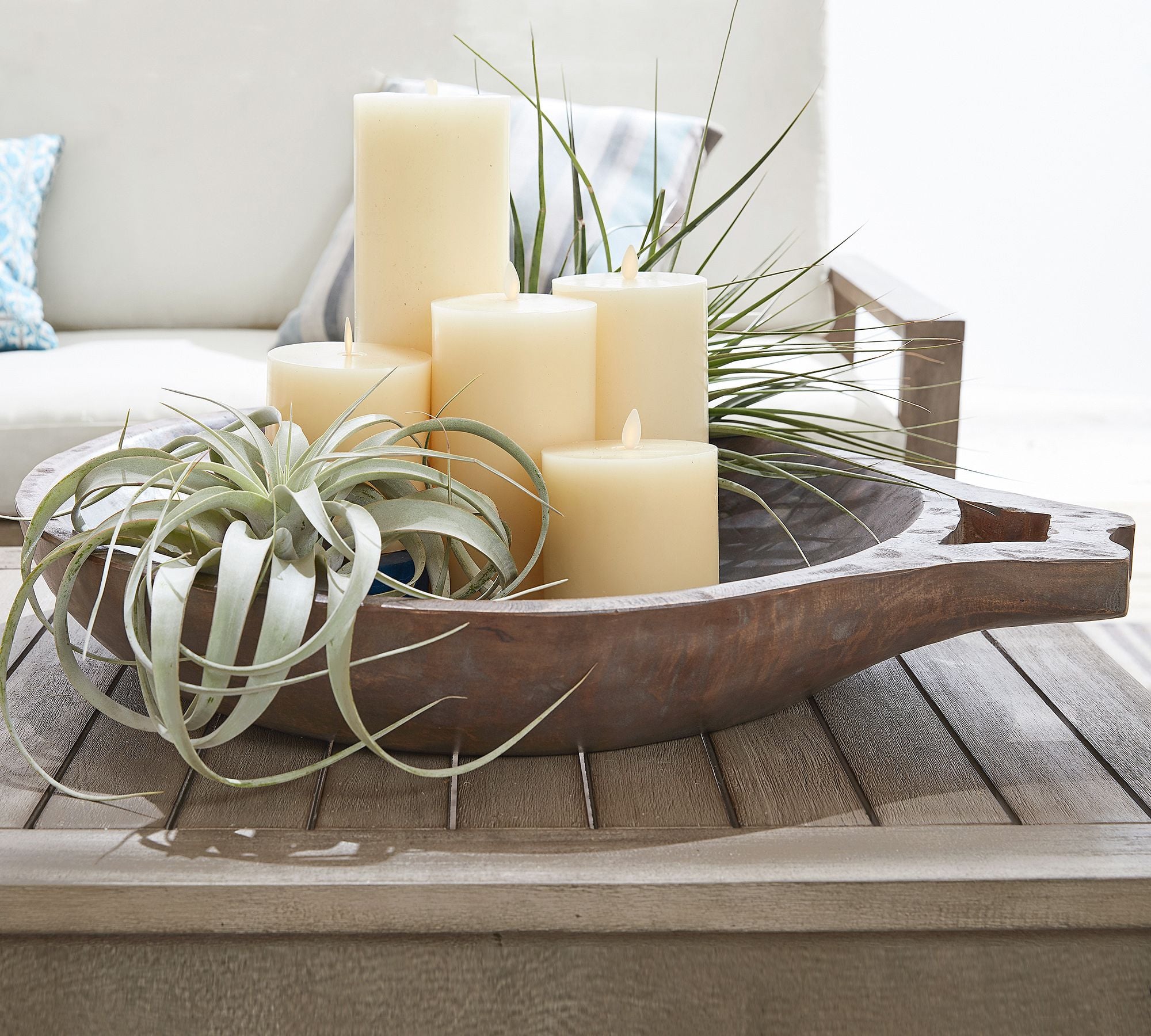
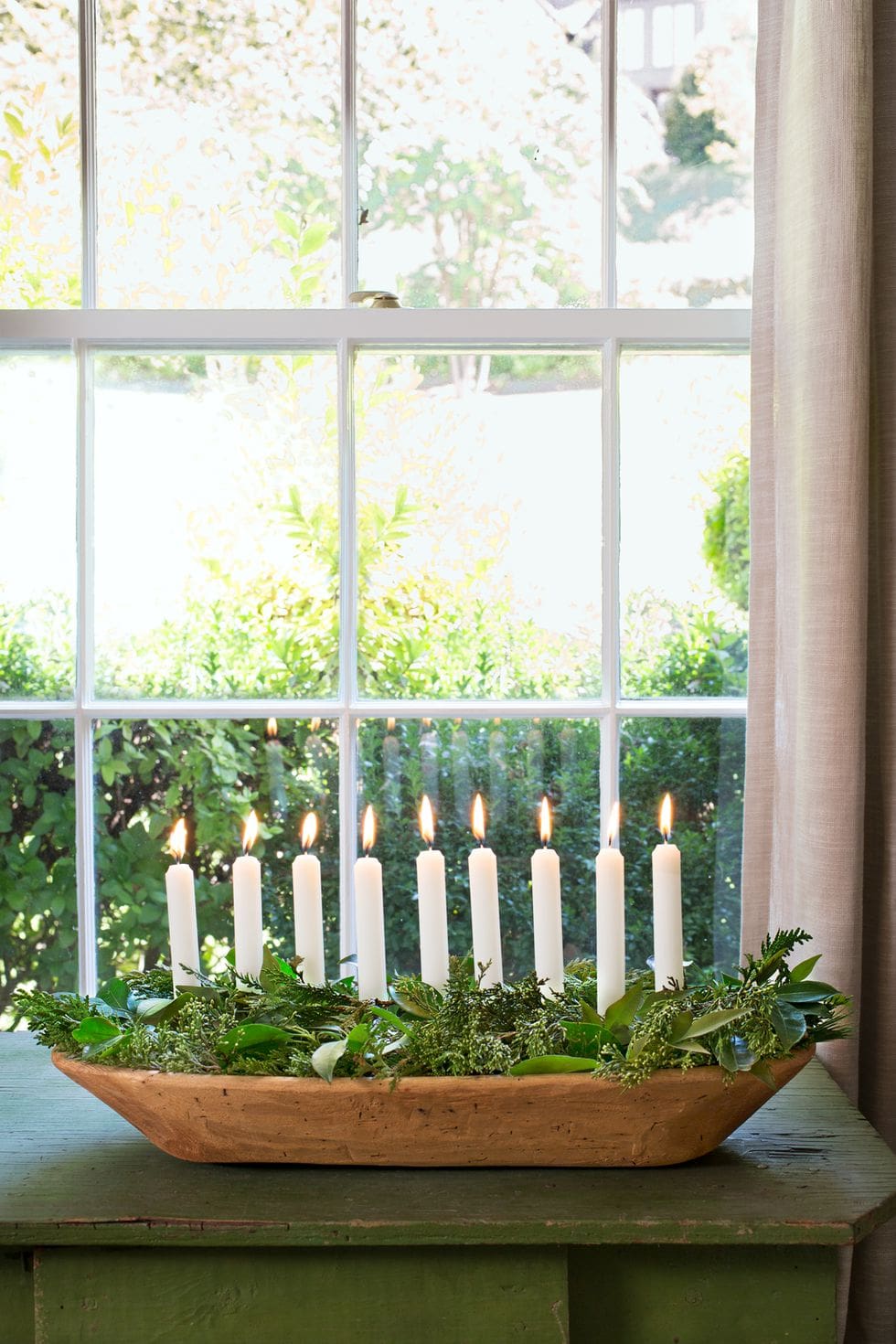
For a more dramatic arrangement, try grouping flameless taper candles in secure holders and surrounding them with greenery, as shown in the inspiration below. You’ll get the same beautiful candlelit look without the risk of open flames near the wood or foliage.
As a Greenery Display
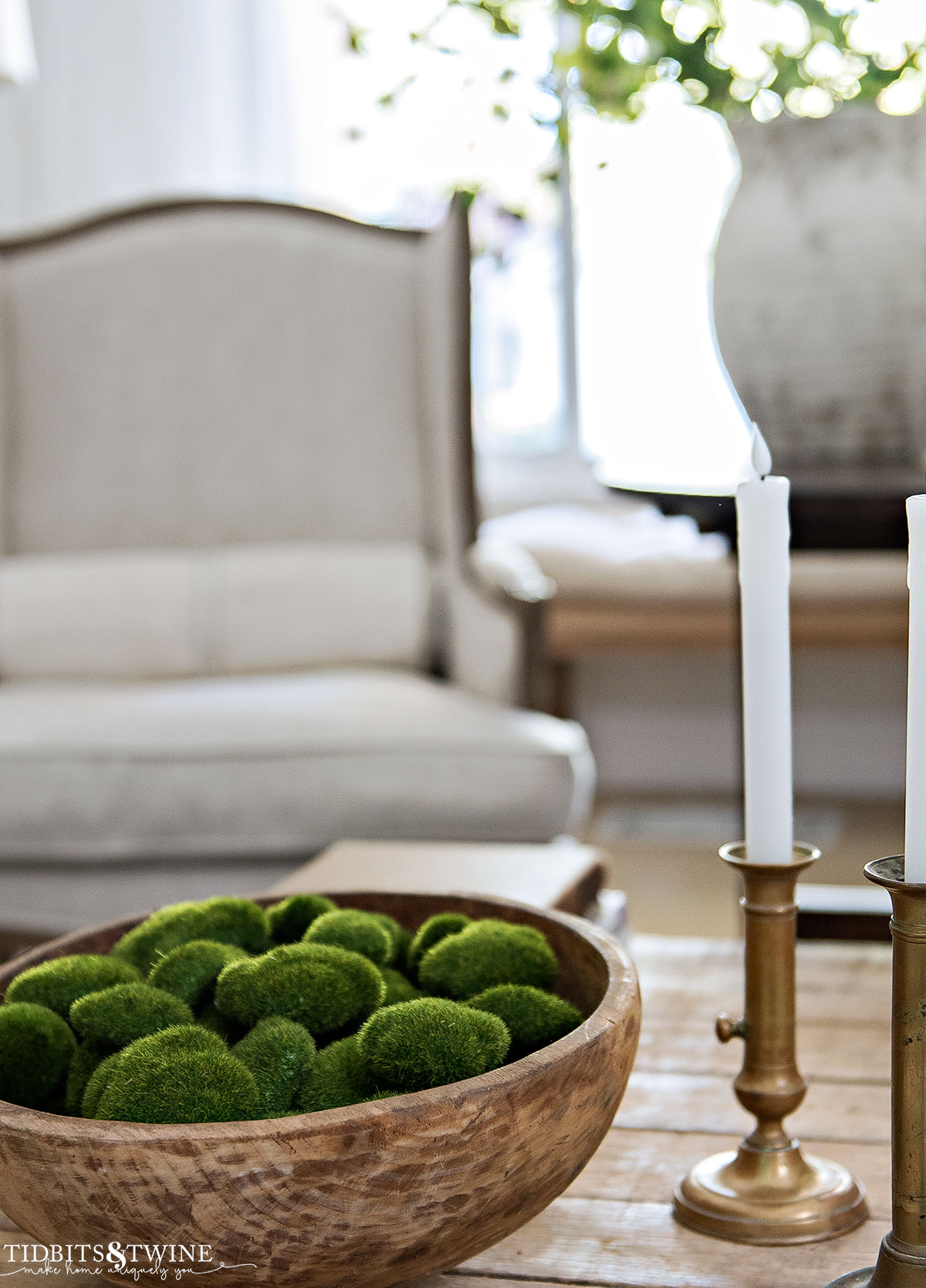
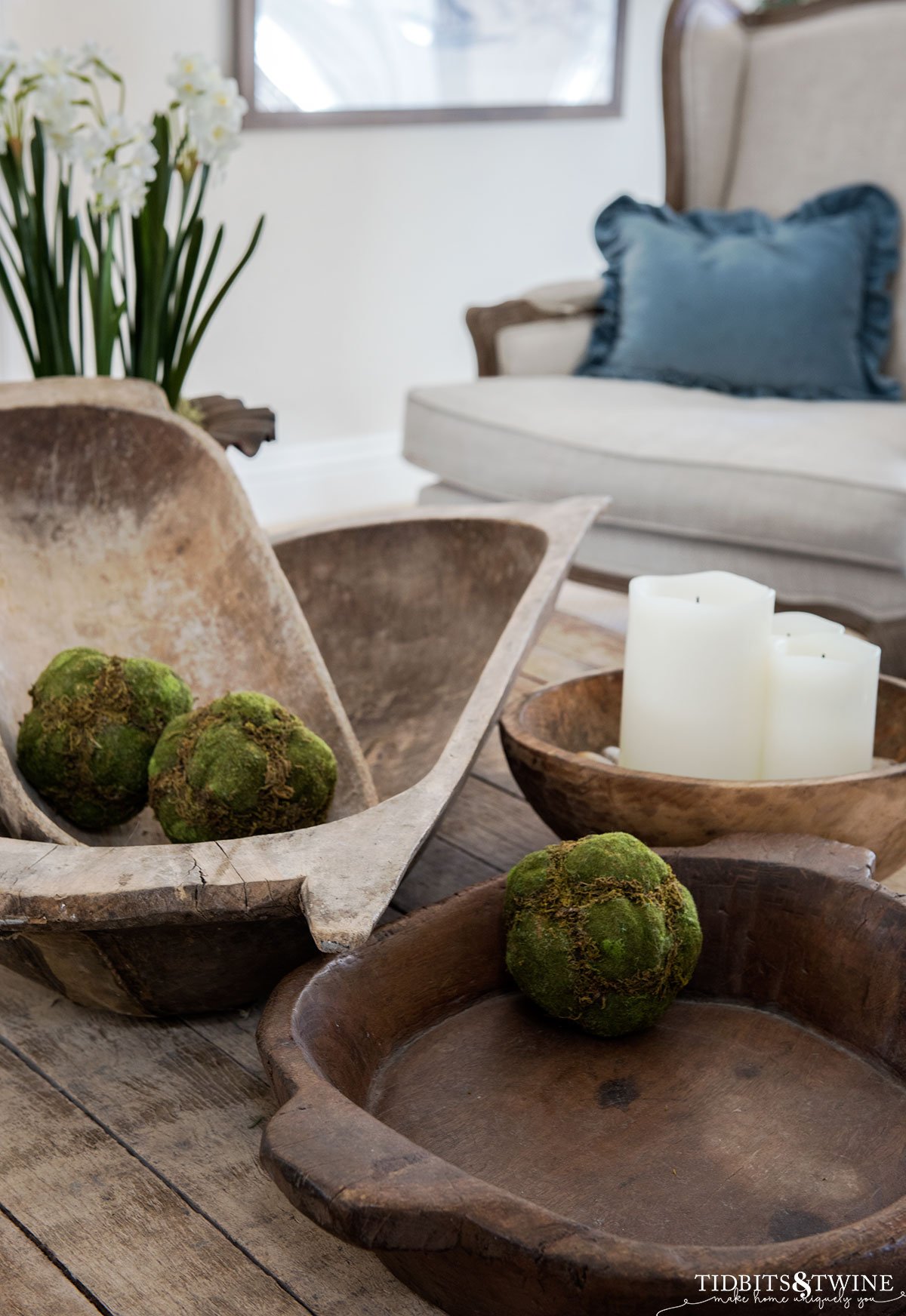
Sometimes the simplest dough bowl decor is the prettiest! Filling a dough bowl with moss balls is one of the easiest ways to add color and texture without hiding the natural beauty of the wood.
In my living room, I’ve filled a round antique dough bowl with green moss balls and paired it with brass candlesticks. I love the contrast between the bright greenery, rustic wood, and aged metal.
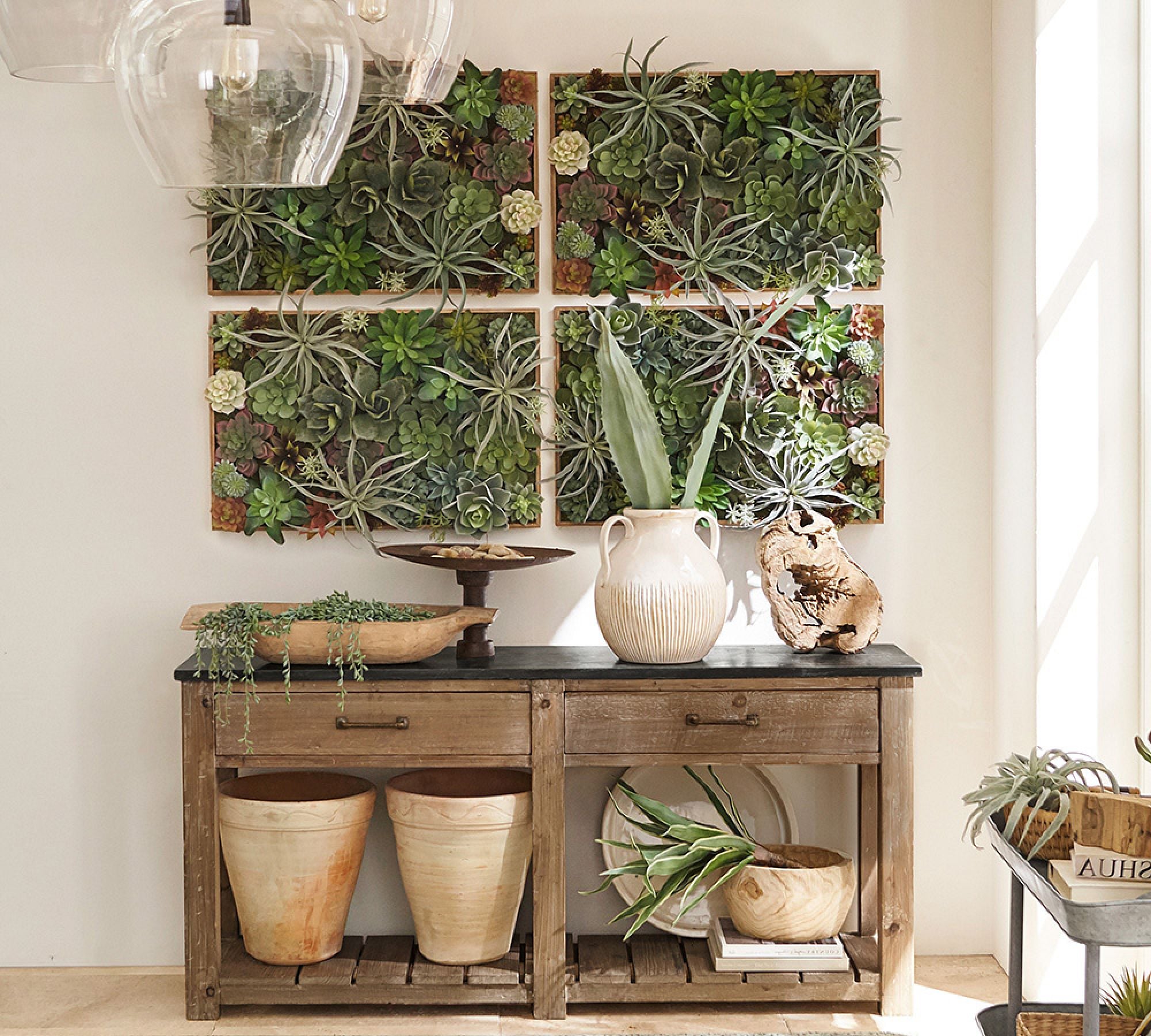
For a softer, more organic look, try trailing greenery or faux succulents that spill over the sides of the bowl. Allowing some greenery to extend beyond the edges creates movement and keeps the arrangement from looking too structured.
As a Book and Magazine Holder
Dough bowls are a beautiful way to keep books and magazines organized and within easy reach, whether for storage or display.
Tuck a large dough bowl underneath a coffee table to keep reading materials handy without cluttering the tabletop.
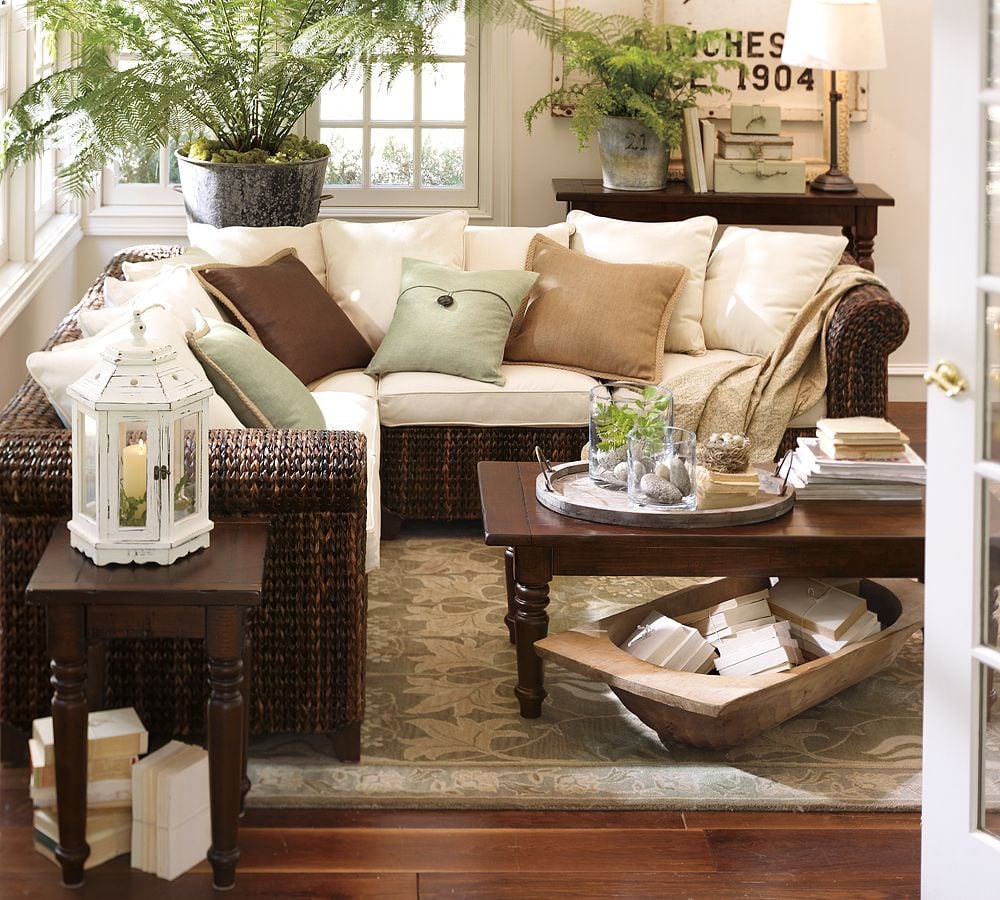
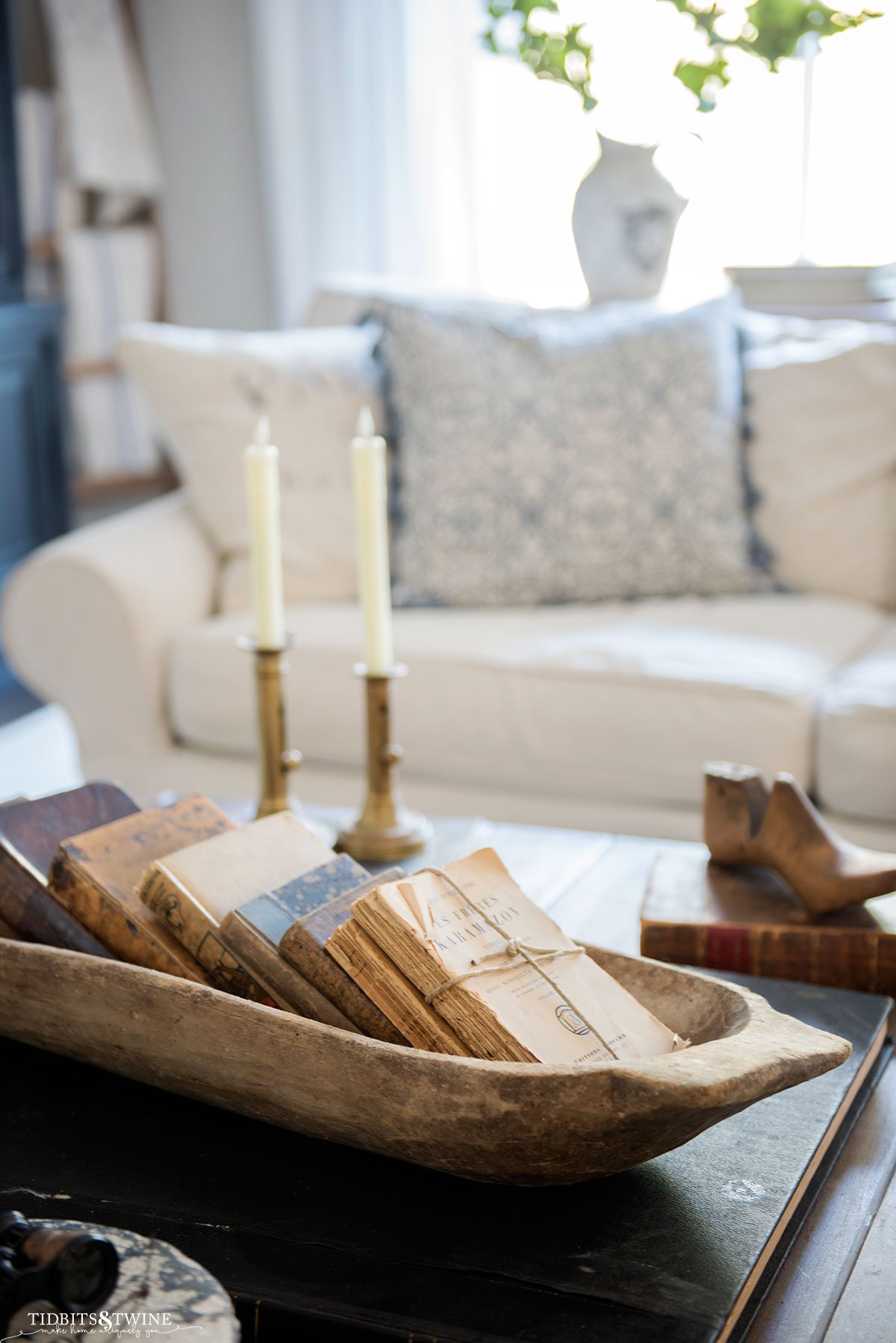
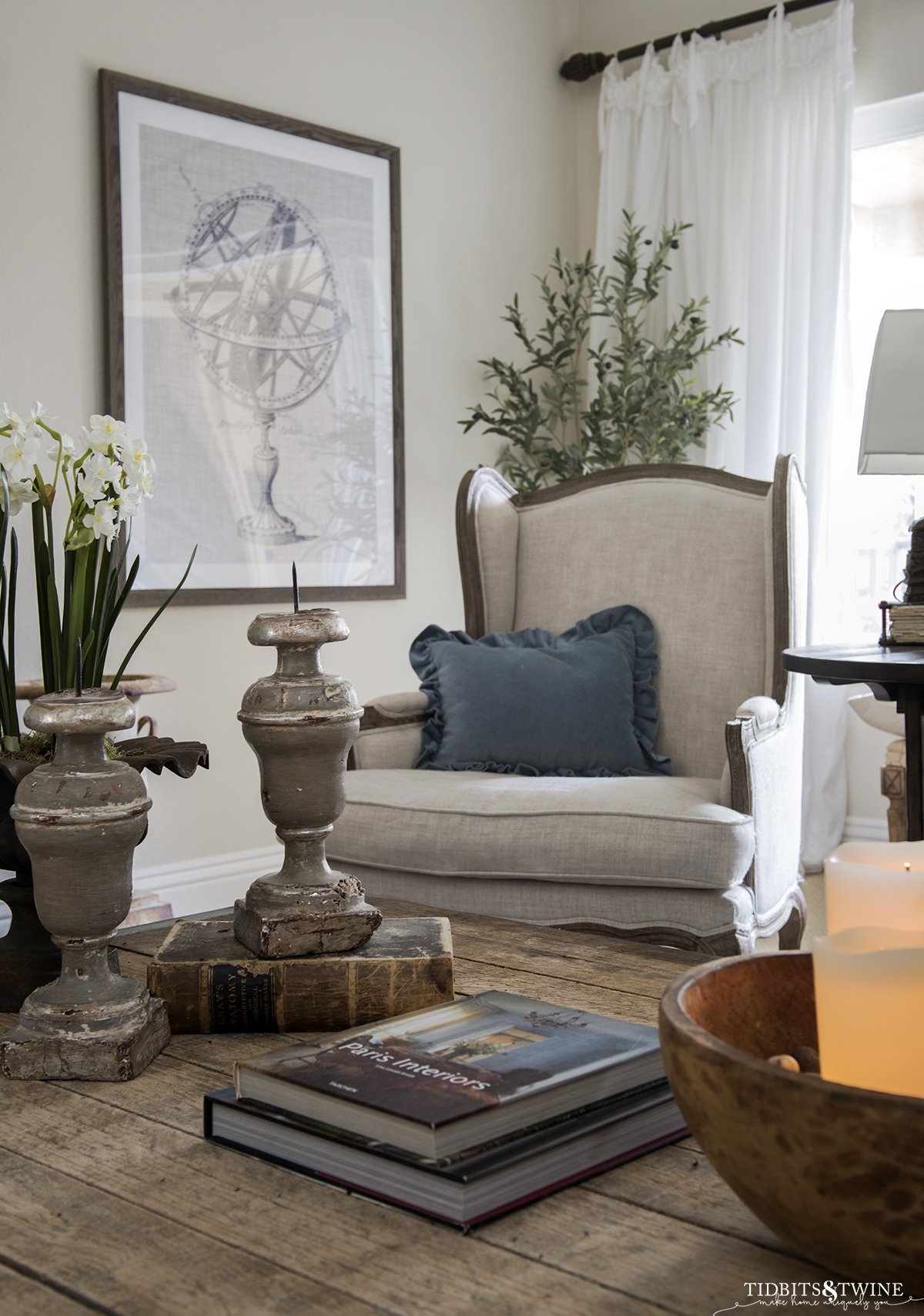
Or use a smaller dough bowl on top of your coffee table to display a collection of favorite books as part of a vignette. Antique books look especially beautiful paired with the aged wood of an old dough bowl!
As a Display for Collections
Have a collection of small treasures you love but aren’t sure how to display? A dough bowl is a fun way to group them together and turn an assortment of objects into a decorative statement.
Here, I’ve used one of my antique dough bowls to display my collection of vintage magnifying glasses. I love how the different shapes, handles, and finishes look together against the aged wood!

Other collections that would look beautiful in a dough bowl include:
- Seashells and sea glass
- Antique keys
- Vintage buttons
- Old photographs or postcards
- Antique silverware
- Vintage Christmas ornaments
- Small pottery pieces
- Interesting rocks or collected fossils
For even more inspiration, take a look at my Beautiful Ways to Display and Organize Collections, with ideas for showing off your favorite treasures throughout your home.
Tip: For collections with lots of tiny pieces, try grouping them in small dishes within the bowl so the display feels intentional rather than cluttered.
As a Fruit and Vegetable Bowl
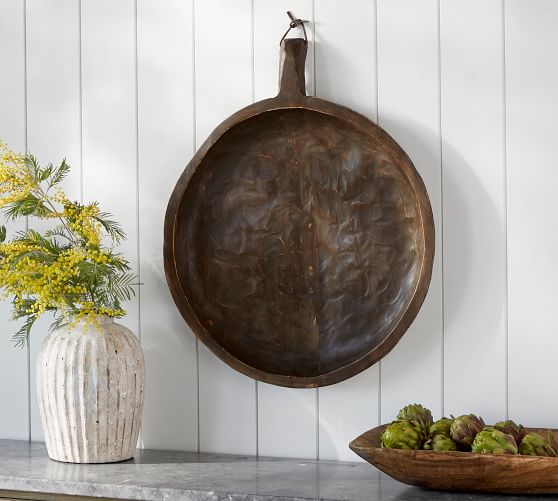
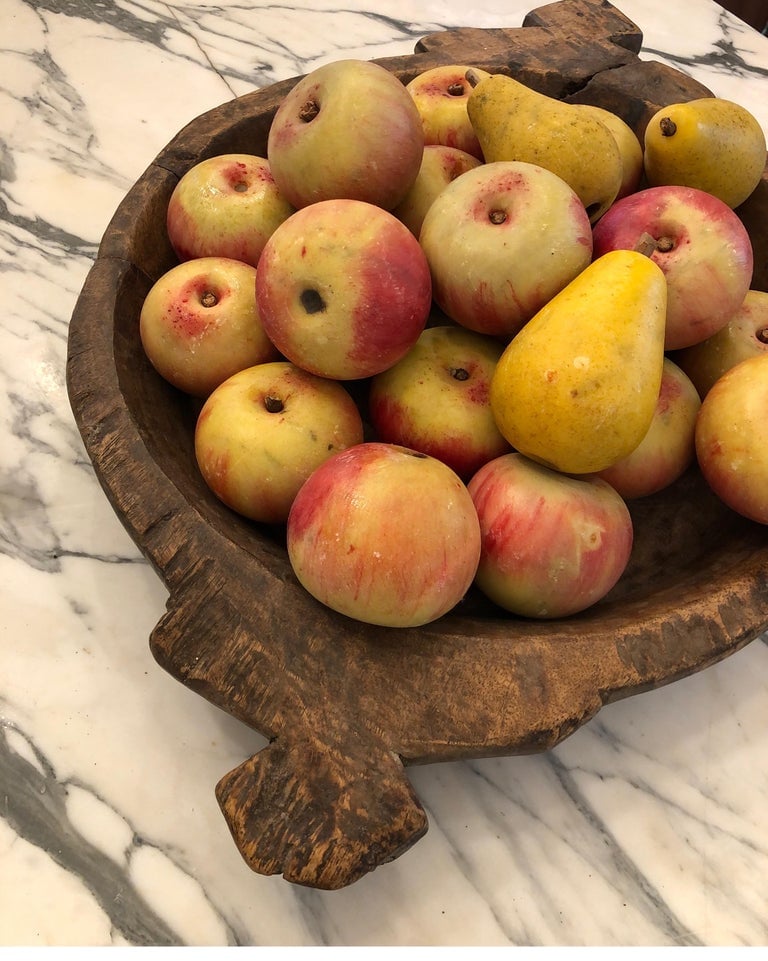
A dough bowl feels right at home in the kitchen! Its generous shape makes it perfect for displaying fruits and vegetables, and changing the contents with the seasons is an easy way to keep the arrangement looking fresh.
In fall, try apples, pears, gourds, or mini pumpkins. In winter, fill it with oranges or pomegranates. And throughout spring and summer, artichokes, lemons, peaches, or whatever looks beautiful at the market can make a simple, colorful display.
If you’re using an antique dough bowl, consider adding discreet plastic liners beneath fresh produce to protect the wood from moisture and stains.
As a Linen Basket
Who says a dough bowl can’t be practical? Large dough bowls are perfect for keeping extra towels and throw blankets within easy reach, while adding a little warmth and character to a room.
For a while, I even used one of my antique dough bowls to hold extra bath towels in our guest bedroom! I love how the wooden bowl looks tucked beneath the bathroom vanity in the example below.
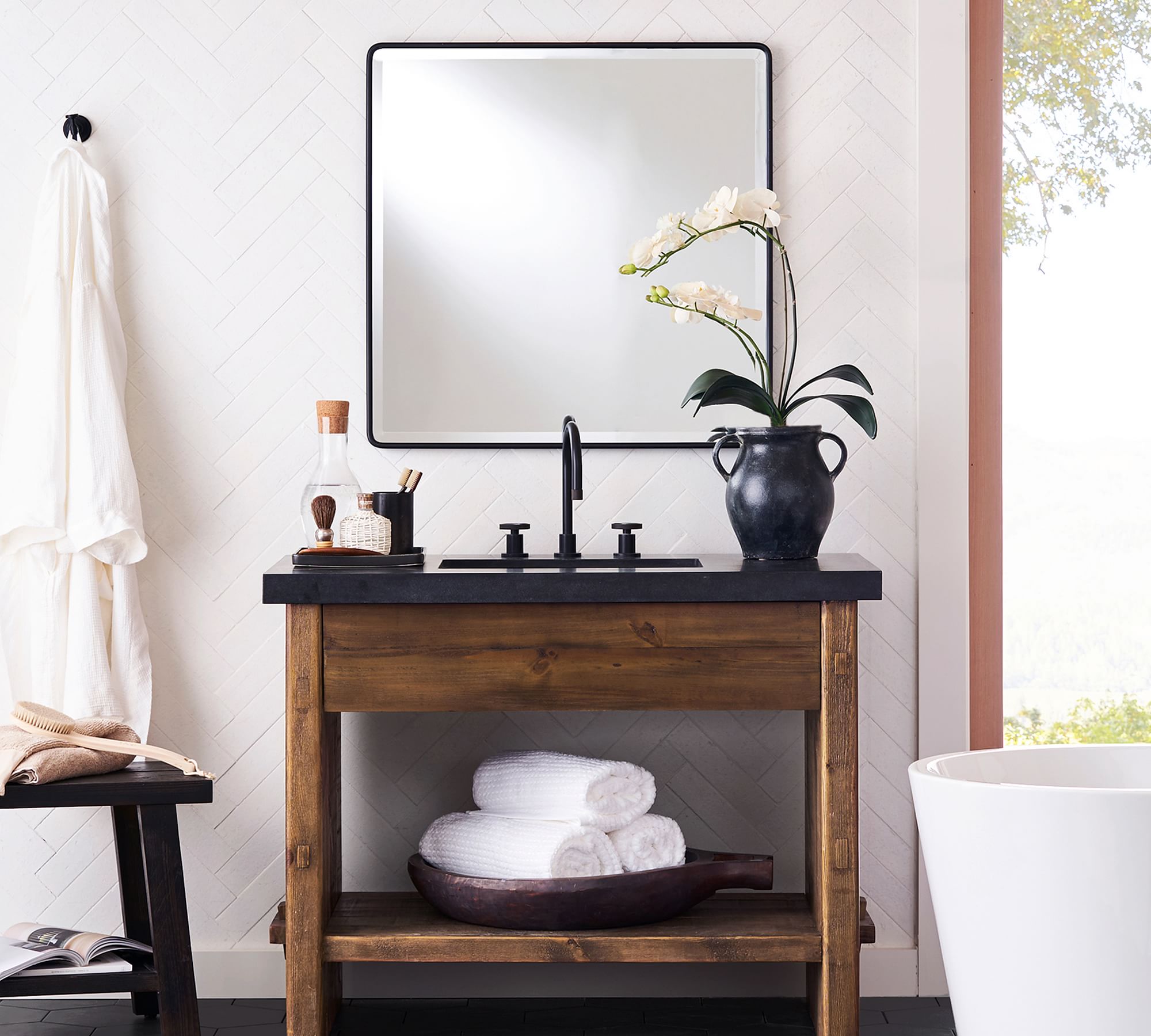
The same idea works in a living room. Tuck a large dough bowl beneath a coffee table and fill it with extra throws or pillows for a cozy, collected look.
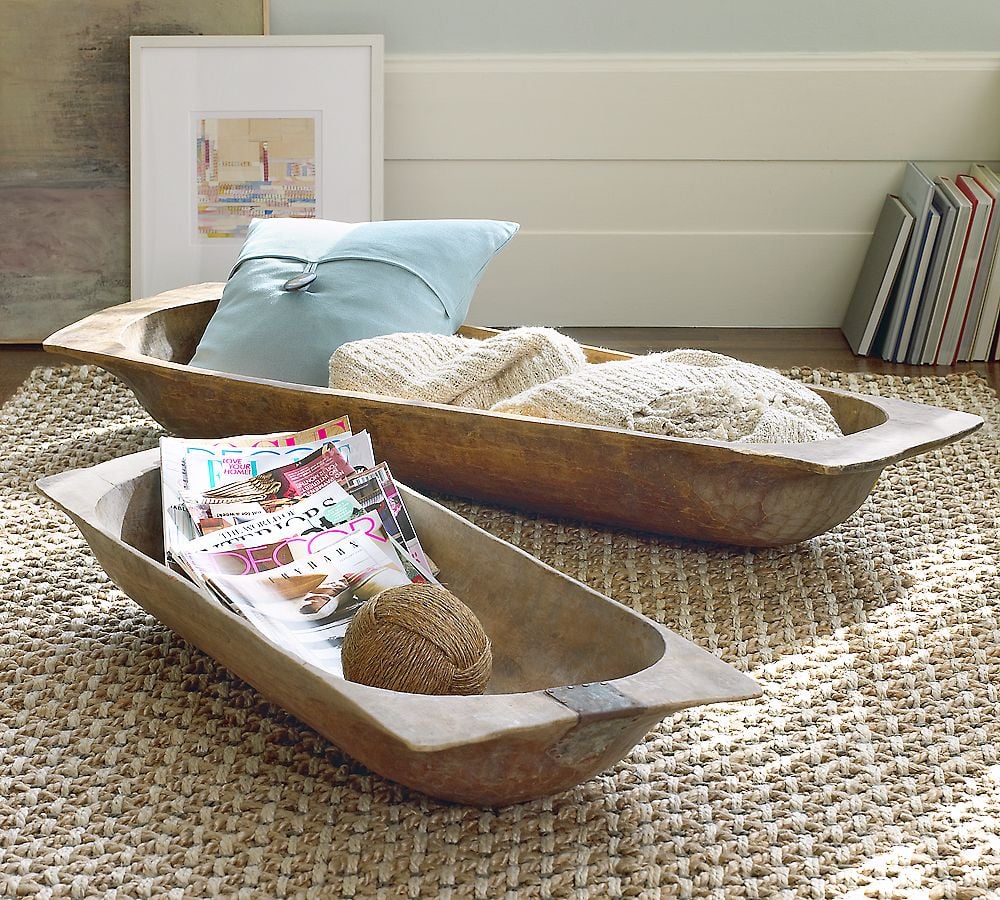
As a Standalone Piece
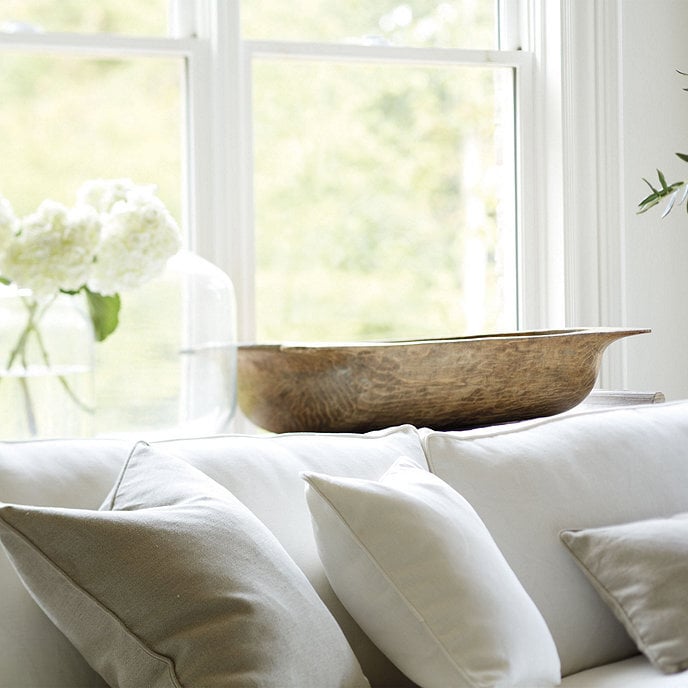
Who says you have to fill a dough bowl? Sometimes the most beautiful way to display an antique dough bowl is to leave it empty! Its unique shape, wood grain, and years of wear provide plenty of character all on their own.
Try displaying an empty dough bowl on a coffee table or console, surrounded by a few favorite accessories. I love how the Ballard Designs arrangement below allows the bowl’s natural beauty to shine without competing with the other decorative pieces.
Seasonal Decorating Ideas
Winter and Christmas Dough Bowl Ideas
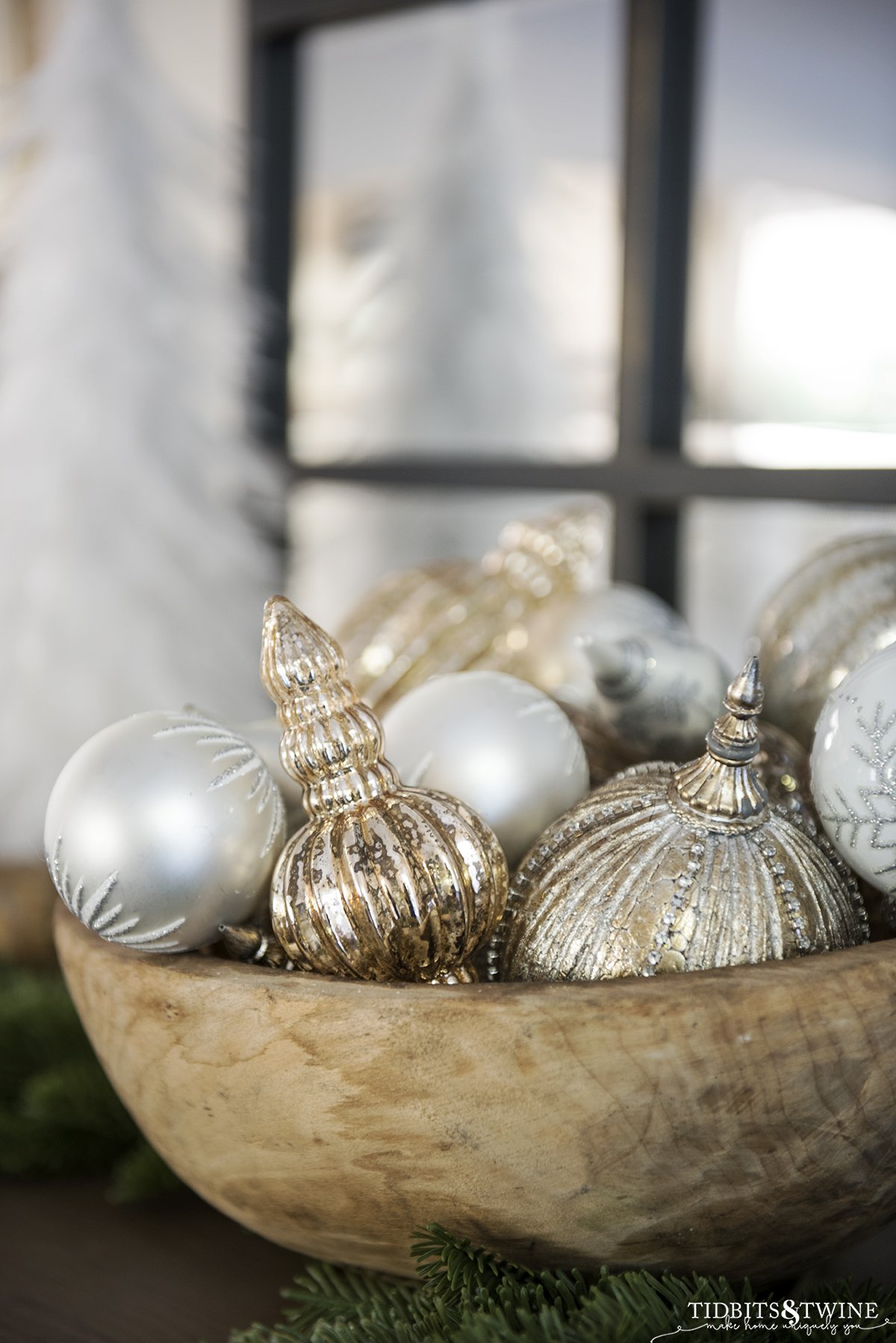
Dough bowls are especially easy to decorate for winter and Christmas! Start with greenery or pinecones, then add a few seasonal accents for a simple arrangement that can last well beyond the holidays.
I love the combination of white, silver, and gold ornaments nestled into a rustic wooden bowl. The contrast between the sparkling ornaments and aged wood is beautiful!
Here are a few more ideas for filling a dough bowl during winter:
- Fresh or faux evergreen branches
- Pinecones (bonus if they’re cinnamon-scented!)
- Christmas ornaments
- Vintage bells
- Garland
- Small decorative logs
- Poinsettias in waterproof containers
- Flameless candles or votives
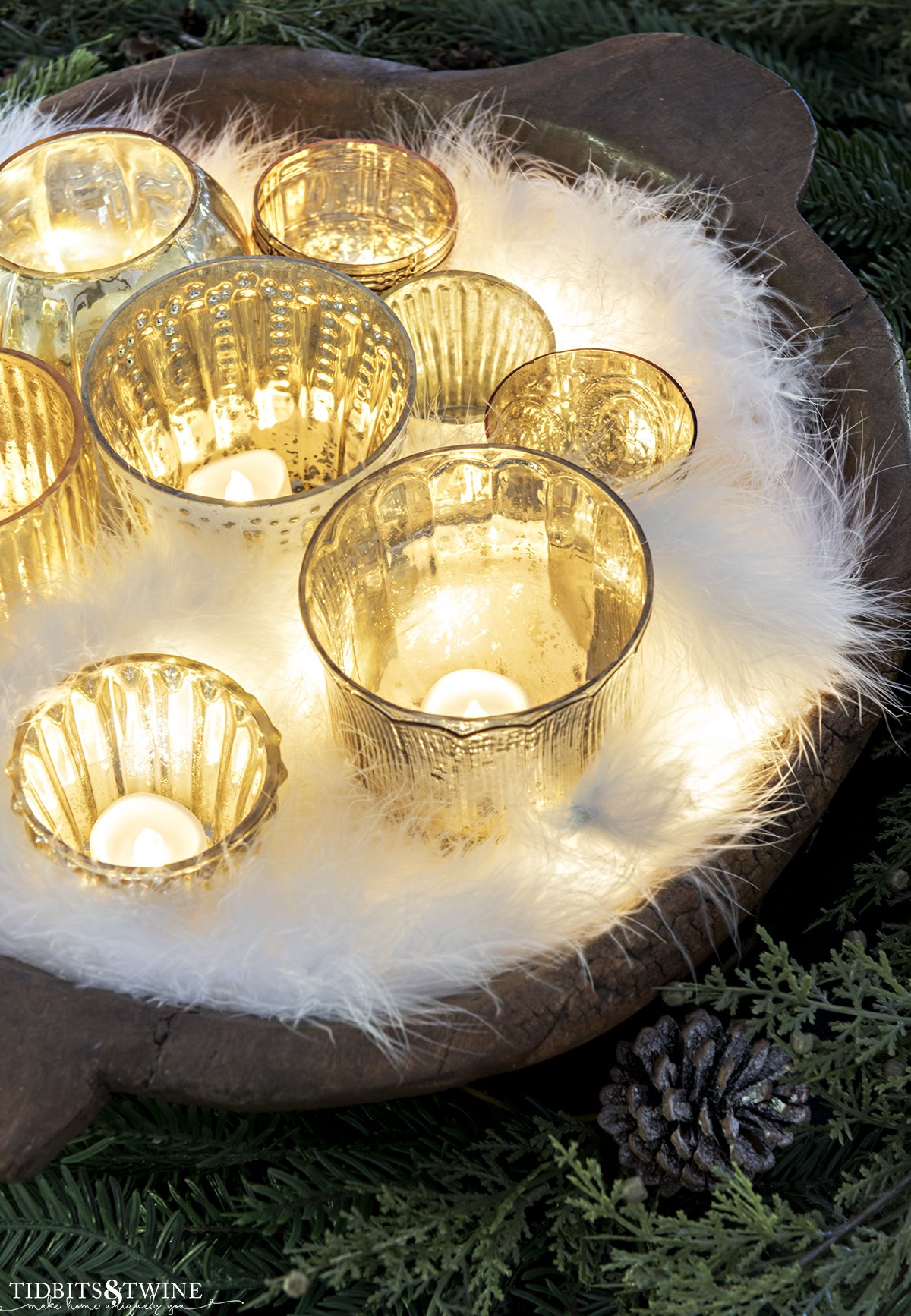
For a different look, group glass votives in a dough bowl with soft, wintery accents, like the arrangement below. Use flameless candles when combining them with greenery, feathers, or other flammable decorations.
Spring Dough Bowl Ideas
Spring is the perfect time to bring a little nature indoors! Fresh greenery, soft flowers, and natural accents can transform a rustic dough bowl into a beautiful seasonal display.
Some of my favorite spring fillers include:
- Moss balls
- Preserved boxwood
- Bird nests and decorative eggs
- Colorful or neutral Easter eggs
- Potted spring flowers
- Faux flower stems

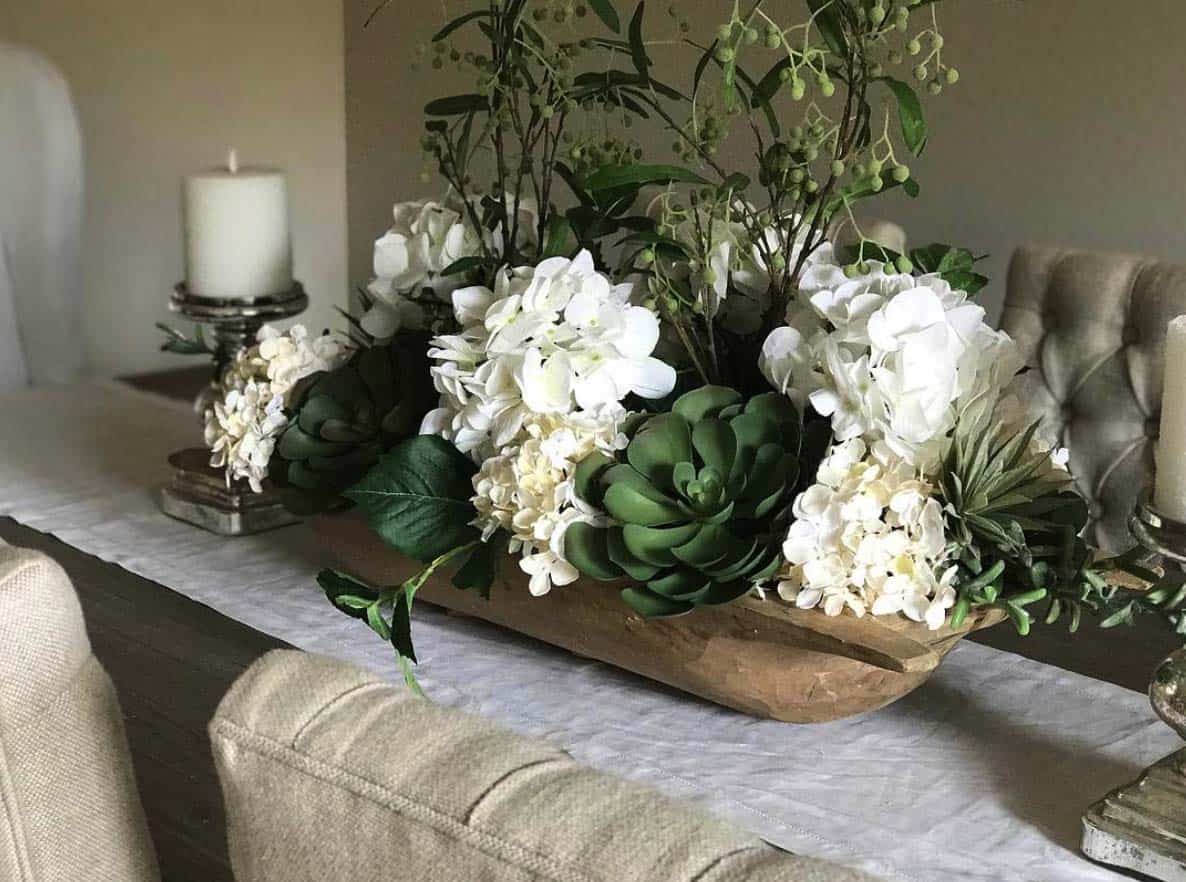
For a fuller arrangement, I love this combination of white hydrangeas and succulents from Jeanine at The Stoker House. The mix of flowers and greenery creates a lush centerpiece that’s perfect for spring!
Summer Dough Bowl Ideas
Summer decorating calls for something a little more relaxed! A dough bowl filled with seasonal flowers, collected seashells, or fresh fruit can bring a beautiful summer touch to your home.
Some of my favorite summer fillers include:
- Seashells and sea glass
- Fresh or faux summer flowers
- Dried lavender bundles
- Vintage glass fishing floats
- Lemons, peaches, or other seasonal fruit
- Trailing greenery
- Moss balls
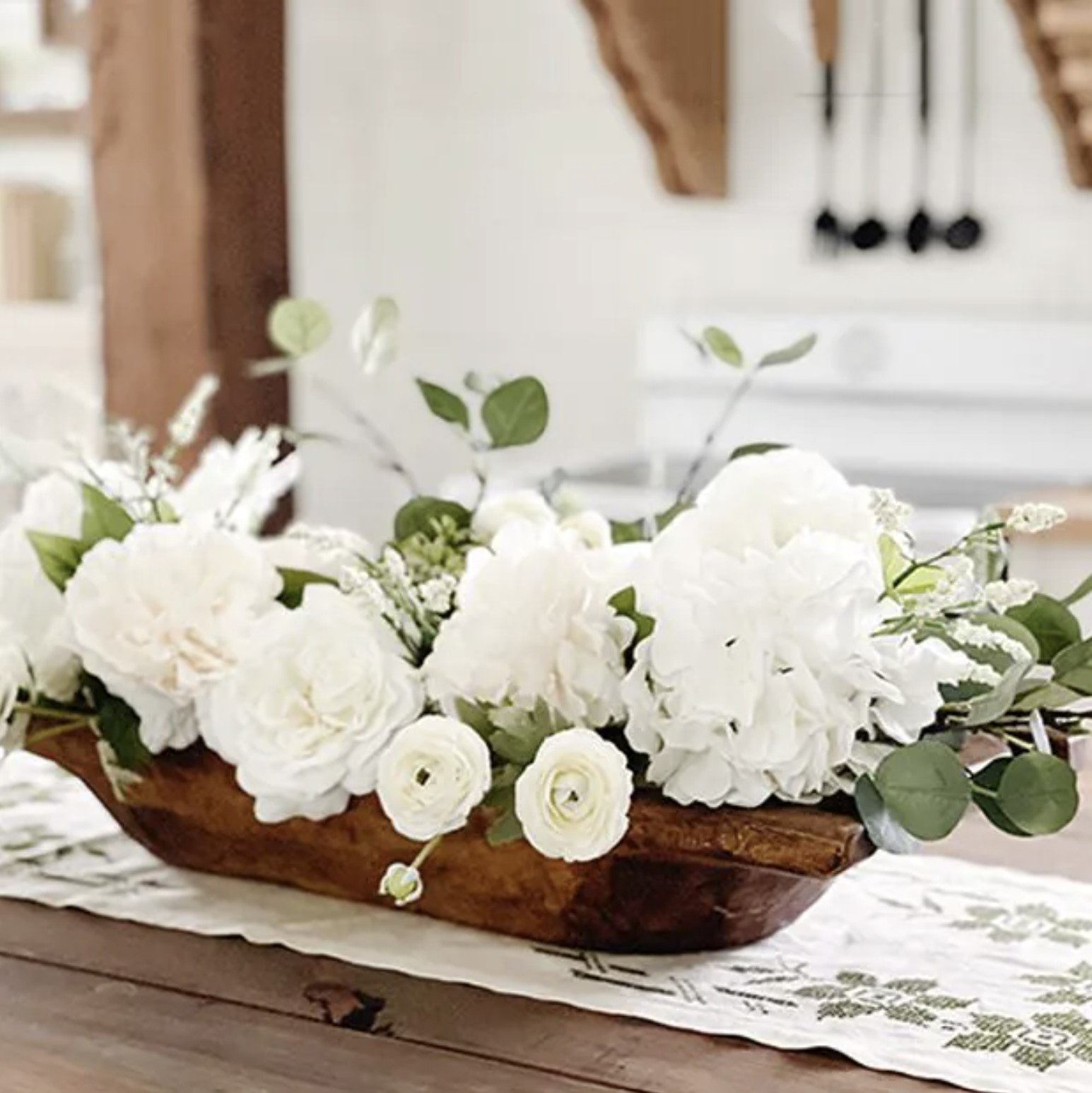
For a soft, summery centerpiece, I love the combination of blue hydrangeas, moss, and greenery in this dough bowl from Worthing Court. The muted colors create a relaxed arrangement that feels perfect for summer.
Fall Dough Bowl Ideas
Fall is a wonderful time to decorate with dough bowls because there are so many natural elements to choose from!
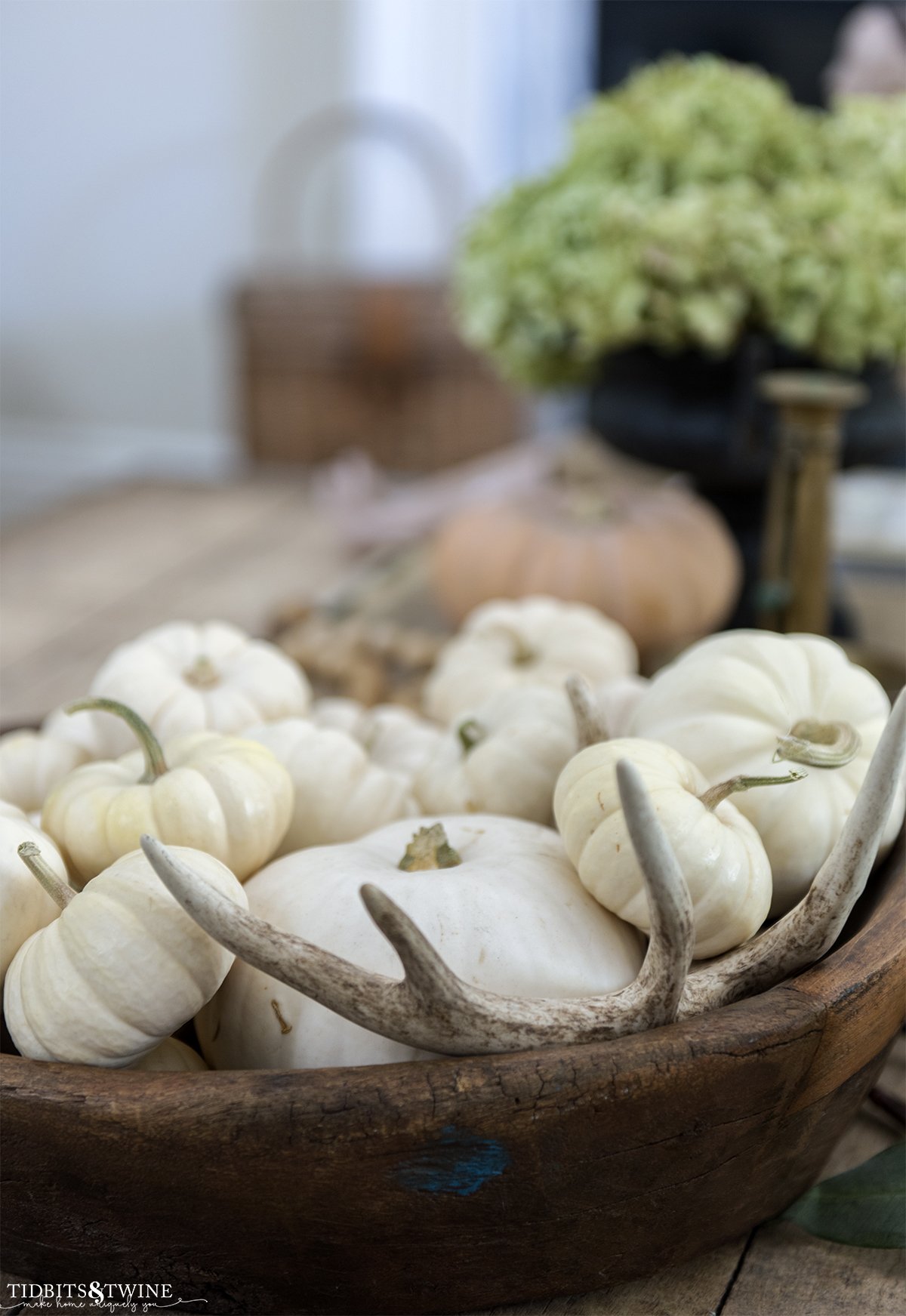
For one of my fall arrangements, I filled an antique dough bowl with small white pumpkins and antlers. I love how the soft white pumpkins contrast with the aged wood, while the antlers add an interesting shape.
Other beautiful fall fillers include:
- Acorns
- Pinecones
- Apples
- Dried hydrangeas and other flowers
- Eucalyptus stems
- Gourds
- Mini pumpkins
- Spanish moss
- Wheat bundles
- Antlers
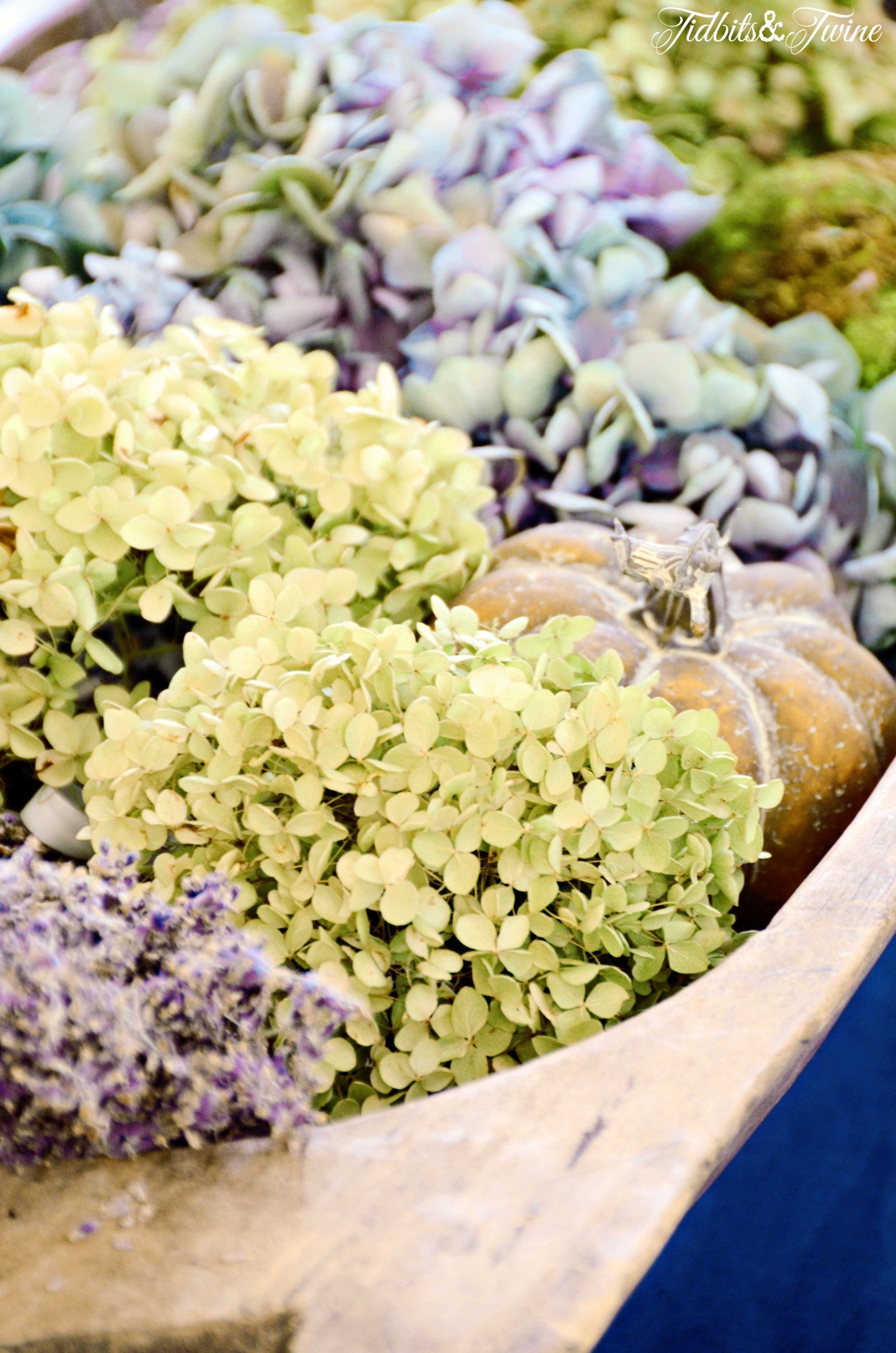
For a softer arrangement with more color, try combining dried hydrangeas with lavender and faux pumpkins, like I did in this earlier fall display.
Where to Put a Dough Bowl
Dough bowls aren’t just for kitchens and dining tables! Depending on their size and shape, they can work beautifully in almost any room of your home.
Here are a few of my favorite places to display them:
- Dining Room: Use a large dough bowl as a table centerpiece or place a long, shallow bowl on a buffet to display linens and decorative accessories.
- Living Room: Style a smaller bowl on your coffee table, or tuck a large one underneath to hold magazines and extra throws.
- Kitchen: Fill a dough bowl with seasonal fruits or vegetables and display it on the island or countertop.
- Entryway: Use a dough bowl on a console table to display greenery or as a catchall for keys and other everyday essentials.
- Bathroom: Place a large dough bowl on an open shelf or beneath a vanity to hold rolled towels.
- Empty Corners: Display an oversized antique dough bowl upright as a sculptural accent, either on its own or alongside other collected pieces.
- Bedroom: Try a small dough bowl on a dresser to hold jewelry, decorative objects, or other favorite treasures.
My Favorite Dough Bowl Styling Tip
With so many possibilities, how do you decide what actually looks good in a dough bowl?
Personally, I think the most natural-looking arrangements are those where the contents make sense in the bowl. Apples, flowers, greenery, or a collection of small treasures all feel right because the bowl serves a purpose in bringing those items together.
Where I think things can go wrong is when something is placed inside simply because it fits. A large statue plunked into a dough bowl, for example, might look a little forced. I’d rather leave a beautiful antique bowl empty than fill it with something that doesn’t feel intentional!
Of course, seasonal decorating is an exception. A miniature Christmas tree nestled into a dough bowl? Absolutely! Sometimes decorating is just about having a little fun.
About Antique Dough Bowls
Antique dough bowls are more than just beautiful decorative pieces! Each one has a history, with unique characteristics that reflect its age and years of use. If you’re interested in collecting them, here’s a little background on their history, how to recognize an authentic antique, and how to care for one.
History of Dough Bowls
Dough bowls are exactly what they imply. They are bowls once used to mix, raise, and knead bread dough. Sometimes referred to as “trenchers”, these bowls were widely used in the 1800s and 1900s with some surviving examples dating back at least to the 1700s..
Traditional dough bowls were typically hand-carved from a single piece of wood, giving each one its own unique character. They range in size from small to very large and can be round, oval, or oblong. In my experience shopping at antique fairs, oval and oblong dough bowls are much easier to find than round ones. Some have rounded or uneven bottoms, which can make them tricky to stabilize when decorating.
The kitchen is the heart of a home, and a dough bowl became an important item in a family. These bowls were well cared for and passed down through the generations.
Antique vs. Reproduction Dough Bowls
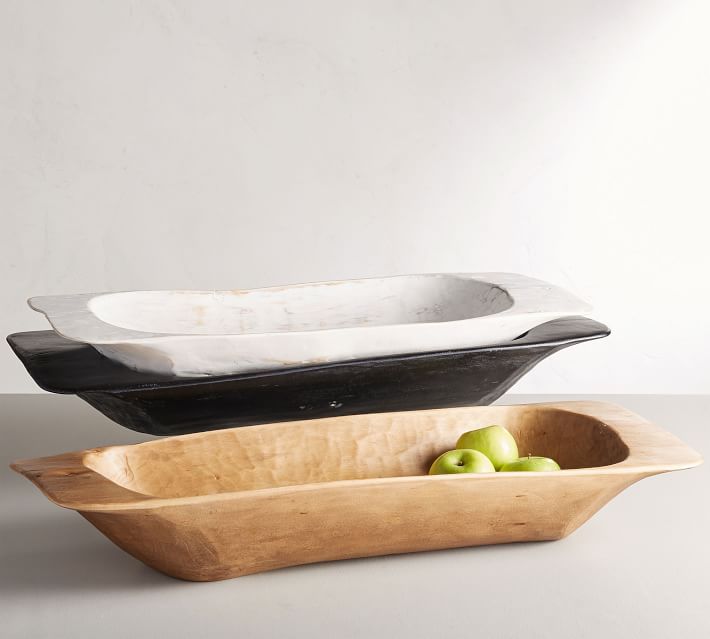
An antique is generally considered something that’s at least 100 years old. A reproduction, on the other hand, is a newer item made to resemble an older one. (Fun fact: The term vintage typically refers to older pieces that haven’t necessarily reached antique status, although there’s no universally agreed age requirement.)
Identifying an authentic antique dough bowl can be tricky because some reproductions are quite convincing! But there are a few characteristics worth looking for when shopping.
How to Identify an Antique Dough Bowl
One of the first things I look for is natural wear and signs of hand-carving. Antique dough bowls often have slight variations in shape, irregular carving marks, and areas of wear that reflect years of use.
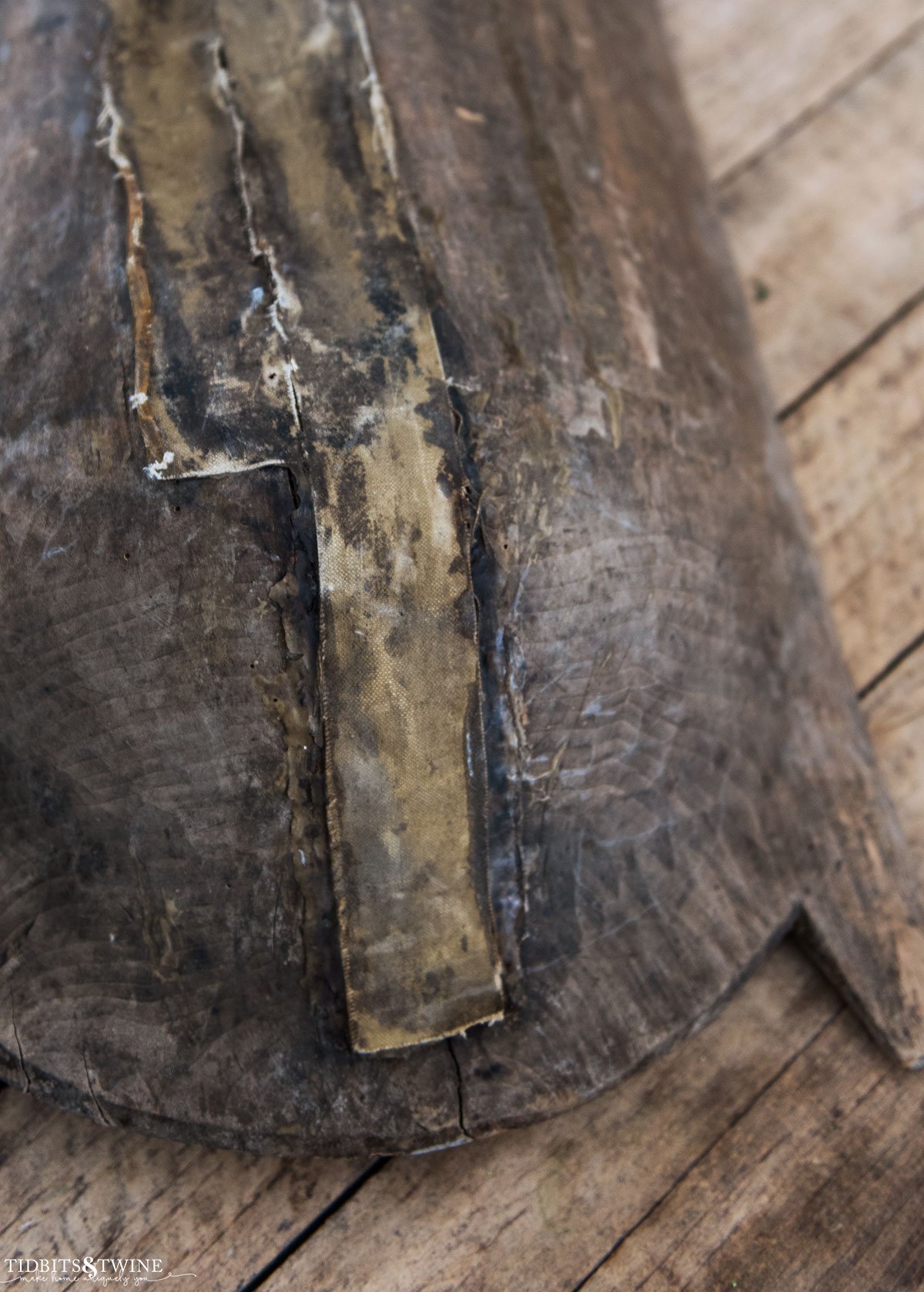
You might also notice cracks, old repairs, or small holes left by wood-boring insects. These features can be clues to a bowl’s history, but none of them proves that a piece is an antique. Reproductions can be intentionally distressed to create a similar appearance.
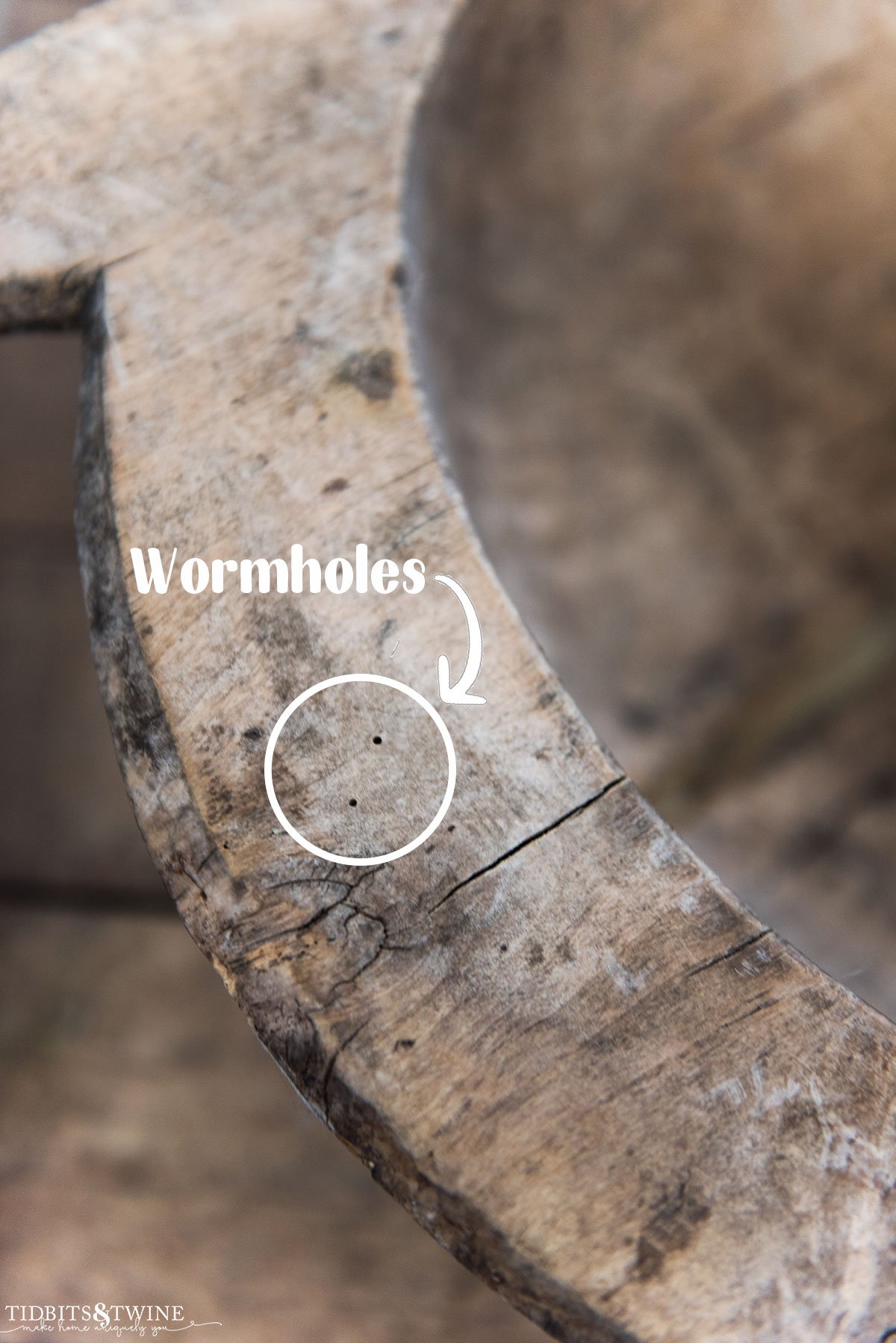
Another thing to consider is the finish. Genuine antiques often develop a beautiful patina over time, but old-looking finishes can also be recreated. Look at the overall construction, wear patterns, and finish rather than relying on any single characteristic. And never scratch the wood to test its age!
If you see a stack of nearly identical dough bowls that all look old, they may be reproductions. That’s not a definitive test, but it’s worth asking the seller about their age and origin.
Reproduction 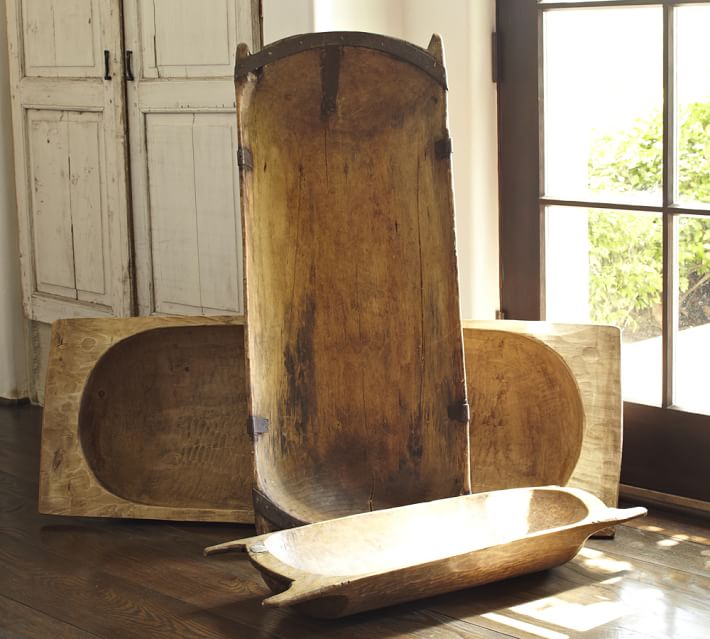
Antique
When buying a more expensive antique, I recommend asking about its history, provenance, and any previous repairs. A reputable dealer should be willing to discuss what they know about the piece, even if its exact age can’t be established.
Personally, nothing compares to the character of a genuine antique dough bowl. I love the irregular shapes, aged wood, and signs of use that make each piece feel special!
How to Care for an Antique Dough Bowl
Antique dough bowls are made from wood, which can be sensitive to moisture, changes in humidity, and improper cleaning. The goal is to preserve the wood and its original finish rather than make it look new again.
How to Clean an Antique Dough Bowl
For routine cleaning, gently dust your antique dough bowl with a soft, dry cloth or brush. This is generally the safest approach, especially for unfinished wood or bowls with cracks and old repairs.
Avoid soaking an antique dough bowl or placing it in a sink full of water. Moisture can cause wood to swell, warp, or develop additional cracks.
For a bowl with a sound, protective finish, careful cleaning with a barely damp cloth may be appropriate, but this isn’t suitable for every antique. If you’re unsure about the finish or condition, stick with dry cleaning or consult someone experienced in antique wood conservation.
One important consideration: Antique dough bowls with unknown finishes or old repairs shouldn’t automatically be considered food-safe. I use mine for decorating rather than preparing food.
Should You Oil an Antique Dough Bowl?
Personally, I’ve never oiled my antique dough bowls!
Food-grade mineral oil is commonly used to maintain modern, unfinished wooden kitchenware, but it isn’t necessarily appropriate for an antique. Oil can darken the wood, alter its appearance, and affect existing finishes.
If your antique dough bowl looks faded or dry, don’t assume it needs oil. What appears to be dryness may simply be part of its aged finish.
For valuable antiques, I prefer to leave the original surface intact rather than try to restore the appearance of new wood.
How to Handle Cracks and Repairs
Cracks, worn edges, and old repairs are often part of the character of an antique dough bowl!
Avoid sanding, refinishing, or attempting major repairs yourself. These treatments can remove original material and damage the patina that makes an antique special.
Small, stable cracks may not require any treatment at all. If a crack is growing or the bowl has become unstable, it’s best to consult a professional familiar with antique wooden objects.
I especially love finding old repairs on antique pieces. Some dough bowls have metal patches, staples, or other reinforcements that tell a story about how much their previous owners valued them.
Where to Buy Dough Bowls
Whether you love the character of an authentic antique or prefer a new reproduction, there are plenty of beautiful options available!
Personally, I love hunting for antique dough bowls at local antique stores and fairs, where I can see their unique shapes, colors, and signs of age in person. But I’ve also found some wonderful sources online.
Here are a few places worth browsing:
- Elsie Green: One of my favorite sources for beautiful European antique and vintage pieces.
- Etsy, Chairish, and 1stDibs: Great places to browse one-of-a-kind antique and vintage dough bowls from different sellers.
- Pottery Barn and Ballard Designs: Worth checking for decorative reproductions and antique-inspired styles.
When shopping online, pay attention to the dimensions, condition, and whether the bowl is an antique or a reproduction. Photographs can make it difficult to judge the actual size!
Shop My Favorite Dough Bowls
Here are a few of my favorite finds, including both antique and reproduction dough bowls!

Looking for a specific antique?
Browse the Antique Object Guide
Explore 20+ antique objects with identification tips, decorating ideas, and links to detailed posts about each piece.
More Ideas for Decorating with Antiques
- The Beauty of Demijohns and Where to Buy Them!
- Collecting and Decorating with White Ironstone
- Five Antiques to Collect for Beautiful Displays
- Tips for Repurposing Antiques for a Modern-Day Look

Great article!
Hi,
What size dough bowl would look good on a 10’ x 3’ farm table? Thanks!
Great, informative article.